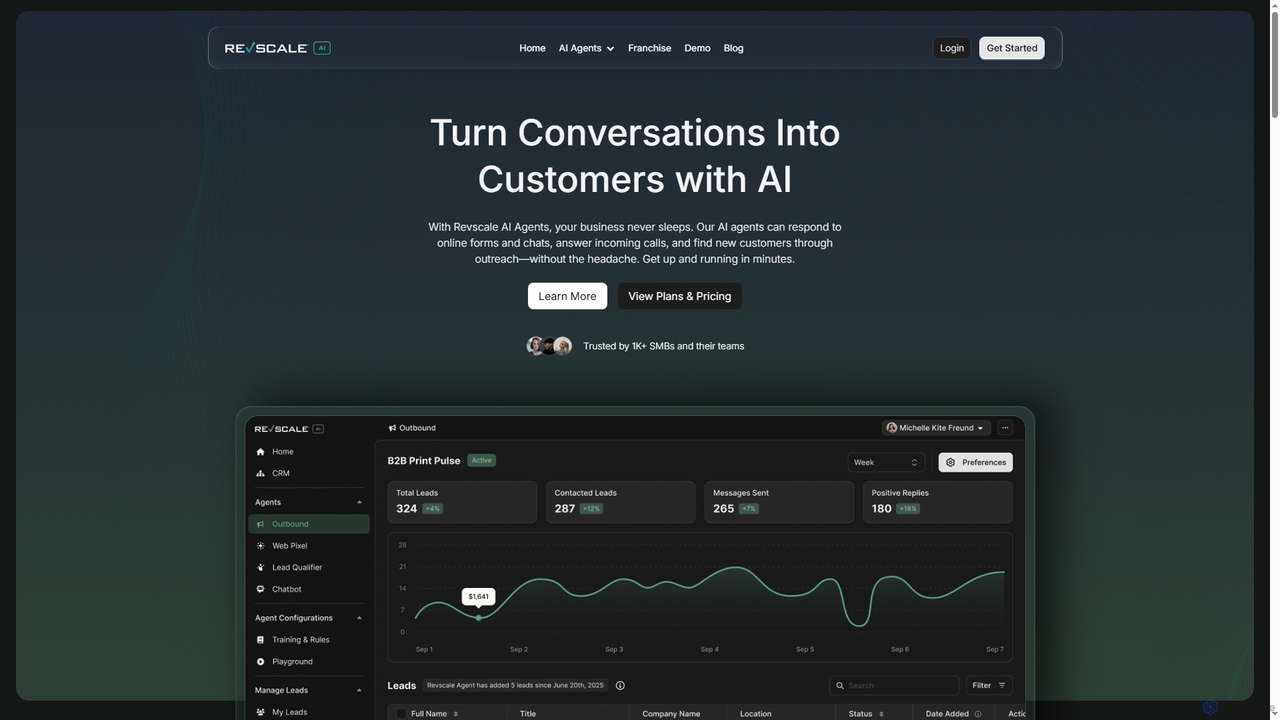
Automation tools are AI-powered solutions designed to streamline and optimize repetitive tasks within customer service operations. Leveraging technologies like natural language processing (NLP), machine learning, and robotic process automation (RPA), these tools automate interactions, data processing, and workflow management. They enhance efficiency, reduce response times, and free up human agents for more complex issues, ultimately improving customer satisfaction. By minimizing manual effort, customer service automation ensures consistent service quality and scalability.
Core Features
- AI Chatbots & Virtual Assistants: Provide instant, 24/7 support by handling routine inquiries and guiding users through self-service options.
- Workflow Automation: Automate ticket routing, data entry, follow-up tasks, and internal processes based on predefined rules or AI analysis.
- Sentiment Analysis & Prioritization: Automatically analyze customer mood and urgency from interactions to prioritize critical cases for human intervention.
- Knowledge Base Integration: Instantly retrieve and deliver relevant information from extensive knowledge bases to both customers and agents.
- Proactive Outreach & Personalization: Automate sending tailored communications, such as onboarding tips or renewal reminders, based on customer behavior.
Applicable Scenarios
Customer service automation is invaluable for organizations facing high volumes of repetitive inquiries, seeking to provide 24/7 support, or aiming to reduce operational costs. It's widely adopted in e-commerce for order status updates, in SaaS for technical FAQs, and in banking for account inquiries. Businesses use these tools to ensure consistent service quality across all channels and to empower agents with real-time assistance.
How to Choose
When selecting an AI automation tool for customer service, consider its integration capabilities with your existing CRM and communication platforms. Evaluate the sophistication of its AI (e.g., NLP accuracy, machine learning adaptability) and its scalability to handle future growth. Assess the ease of customization for specific business rules and workflows, and look for robust analytics and reporting features to measure performance and identify areas for improvement.