
Customer Support Best in category 1 results Customer Feedback Analysis AI Tool

Popular AI tools in the Customer Feedback Analysis field of Customer Support include loopbridge, etc., helping you quickly improve efficiency.

loopbridge

loopbridge

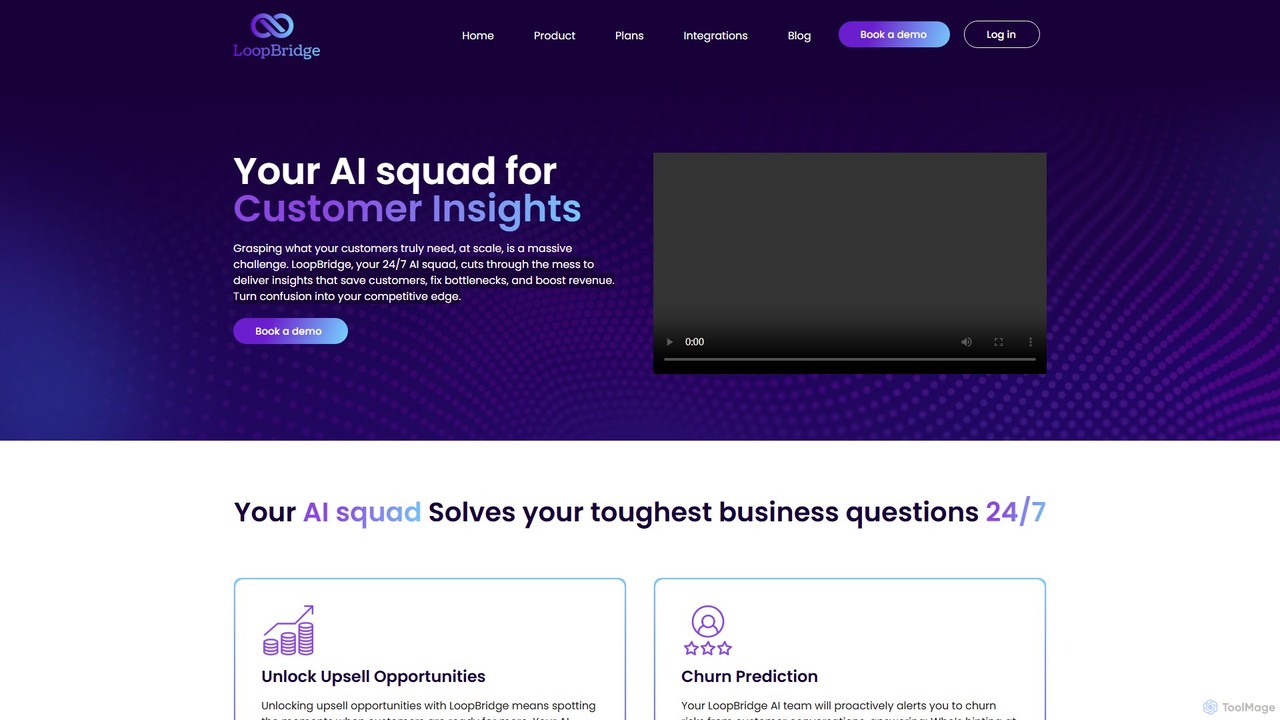
LoopBridge is an AI-powered product copilot that analyzes customer conversations from calls, chats, and meetings to deliver actionable …

4.3K

About Customer Feedback Analysis

Customer Feedback Analysis tools are AI-powered solutions designed to automatically collect, process, and interpret customer opinions and sentiments from diverse sources. Leveraging natural language processing (NLP) and machine learning, these tools transform unstructured feedback into actionable insights. They enable businesses to understand customer satisfaction, identify pain points, and uncover emerging trends, ultimately driving product improvements and enhancing the overall customer experience within the broader context of customer support.

Core Features

  • Sentiment Analysis: Automatically detects and quantifies the emotional tone (positive, negative, neutral) of customer comments.
  • Topic & Theme Extraction: Identifies recurring subjects, keywords, and underlying themes within large volumes of feedback.
  • Source Integration: Connects with various feedback channels like surveys, reviews, social media, and support tickets for centralized analysis.
  • Trend Identification: Monitors changes in customer sentiment and feedback topics over time to spot emerging issues or opportunities.
  • Actionable Reporting: Generates visual dashboards and reports highlighting key insights, pain points, and areas for improvement.

Use Cases

These tools are invaluable for product managers seeking to prioritize features based on user demand, marketing teams monitoring brand perception, and customer service departments aiming to reduce common complaints. They provide a data-driven approach to understanding customer needs and improving service delivery.

How to Choose

When selecting a Customer Feedback Analysis tool, consider its ability to integrate with your existing data sources, the accuracy of its NLP models for your specific language and industry, its reporting customization options, and scalability to handle growing feedback volumes. Evaluate the depth of insights provided, such as root cause analysis or predictive analytics, to ensure it meets your strategic objectives.

Customer Feedback AnalysisUse Cases

1

Prioritizing Product Features

Product managers utilize customer feedback analysis tools to sift through user reviews, survey responses, and support tickets. By identifying the most frequently requested features and common pain points, they can make data-driven decisions to prioritize development efforts, ensuring the product roadmap aligns with actual user needs and enhances overall satisfaction.

2

Improving Customer Service Scripts

Customer support teams leverage feedback analysis to review transcripts from calls, chats, and emails. By identifying recurring negative sentiment around specific topics or agent responses, they can refine customer service scripts, update knowledge base articles, and provide targeted training to agents, leading to more efficient resolutions and improved customer satisfaction.

3

Monitoring Brand Reputation

Marketing and PR teams employ customer feedback analysis tools to continuously monitor public sentiment across social media platforms, news articles, and review websites. This allows them to quickly detect negative mentions, identify potential PR crises, and respond promptly to protect brand image, ensuring a proactive approach to reputation management and public perception.

4

Enhancing User Experience (UX)

UX designers analyze feedback from usability tests, app store reviews, and in-app comments using these tools. By pinpointing specific interface issues, confusing workflows, or unmet user expectations, they can inform design iterations and prioritize improvements that directly address user frustrations, leading to a more intuitive and satisfying user experience.

5

Identifying Churn Risks

Subscription-based businesses use customer feedback analysis to understand why customers cancel or express dissatisfaction. By analyzing feedback from churned customers, exit surveys, and low satisfaction scores, they can identify common reasons for attrition, such as missing features or poor support, and implement targeted retention strategies to reduce future churn rates.

6

Personalizing Marketing Campaigns

Marketing analysts segment customers based on feedback themes and sentiment using AI tools. By understanding specific customer preferences, pain points, or product desires expressed in their feedback, they can create more targeted and effective marketing campaigns that resonate deeply with individual customer needs, leading to higher engagement and conversion rates.

Customer Feedback AnalysisFrequently Asked Questions