Customer Support Best in category 5 results Helpdesk AI Tool

Popular AI tools in the Helpdesk field of Customer Support include Gorgias、BIK、Nametag、Desku、Supercut, etc., helping you quickly improve efficiency.

Free
Supercut

Supercut

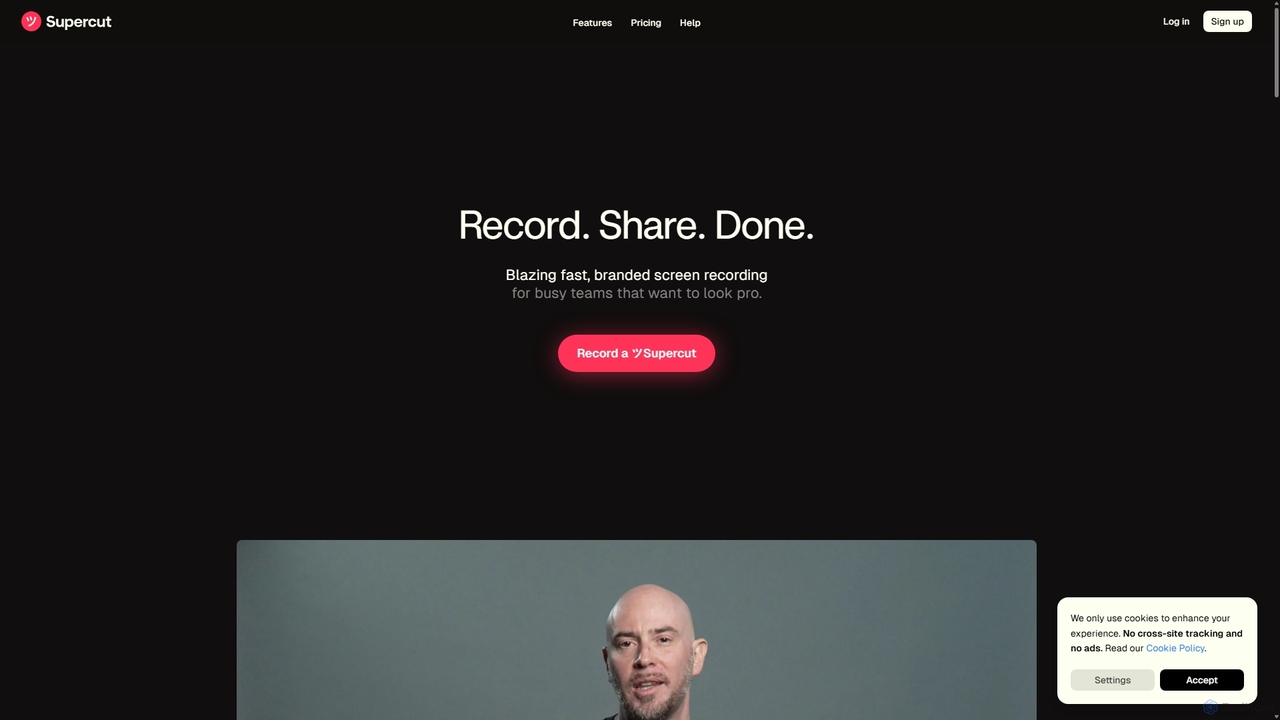
Supercut is an AI-powered screen recording tool designed for teams to create professional, branded videos with blazing speed. …

2.7K
BIK

BIK

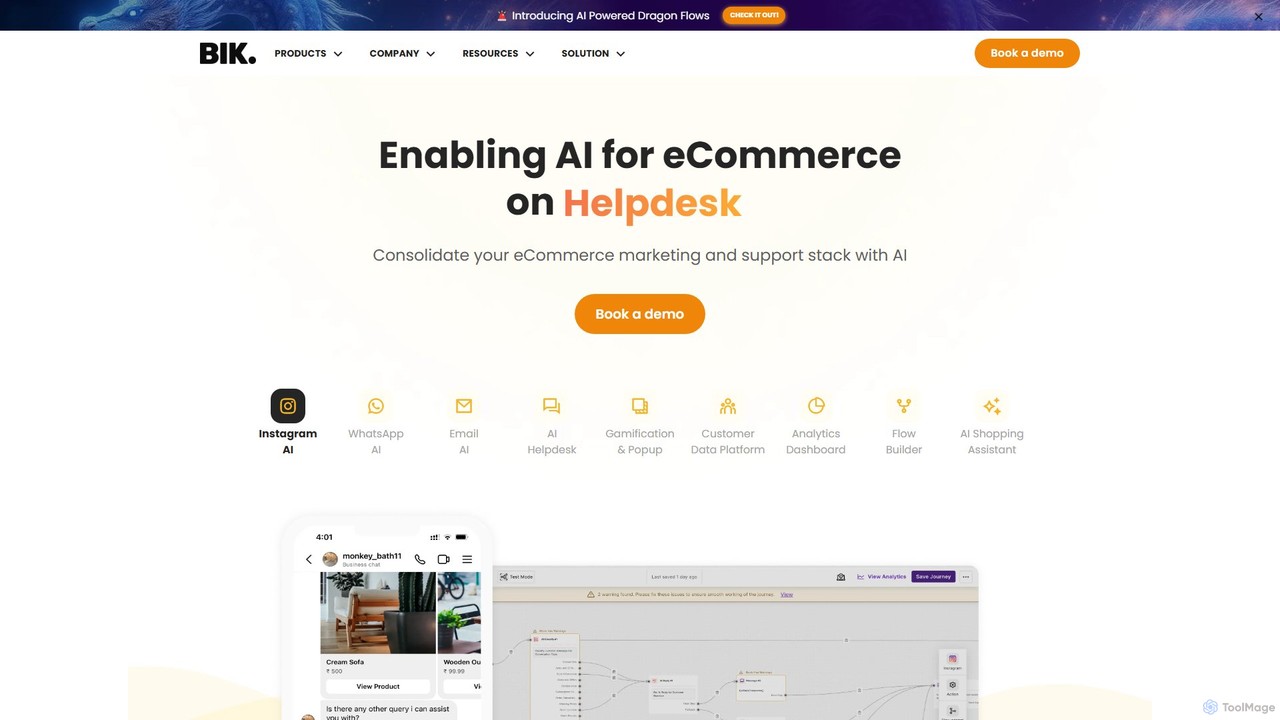
BIK is an all-in-one AI-powered conversational commerce platform designed for eCommerce businesses. It unifies marketing, customer support, and …

44.5K
Desku

Desku

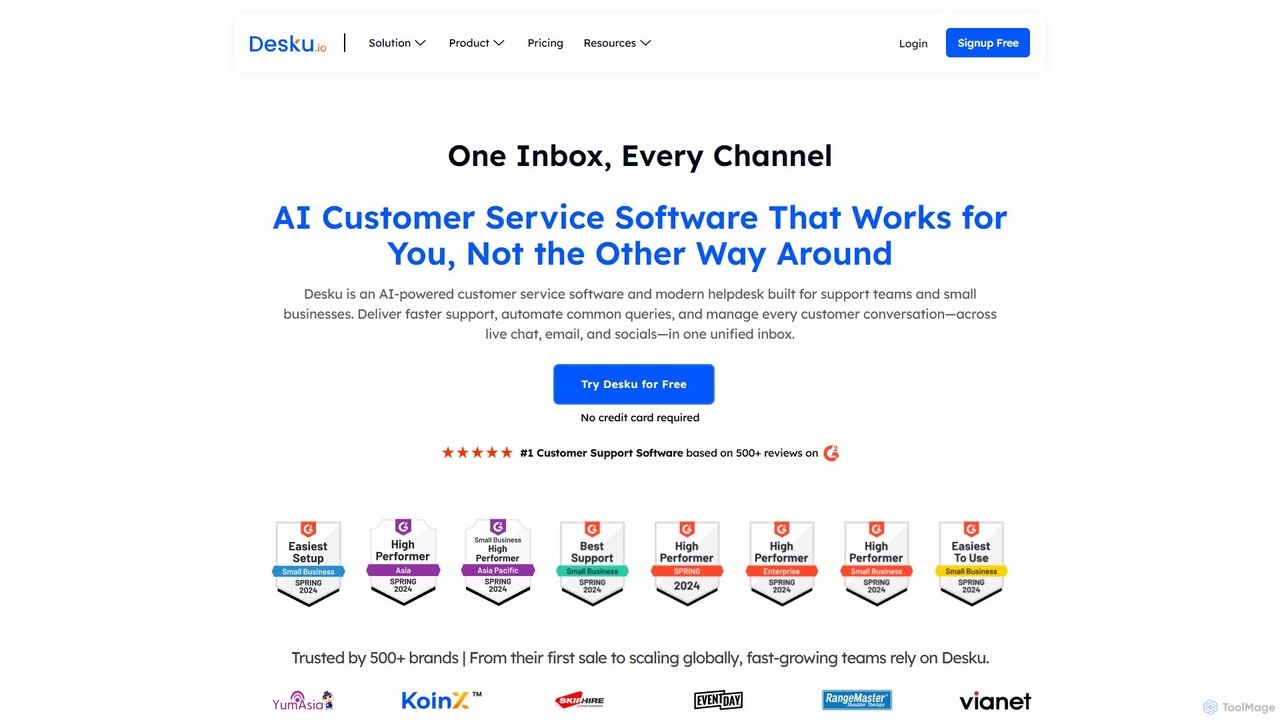
Desku is an AI-powered customer service platform designed for SMBs. It unifies conversations from email, live chat, and …

8.3K
Gorgias

Gorgias

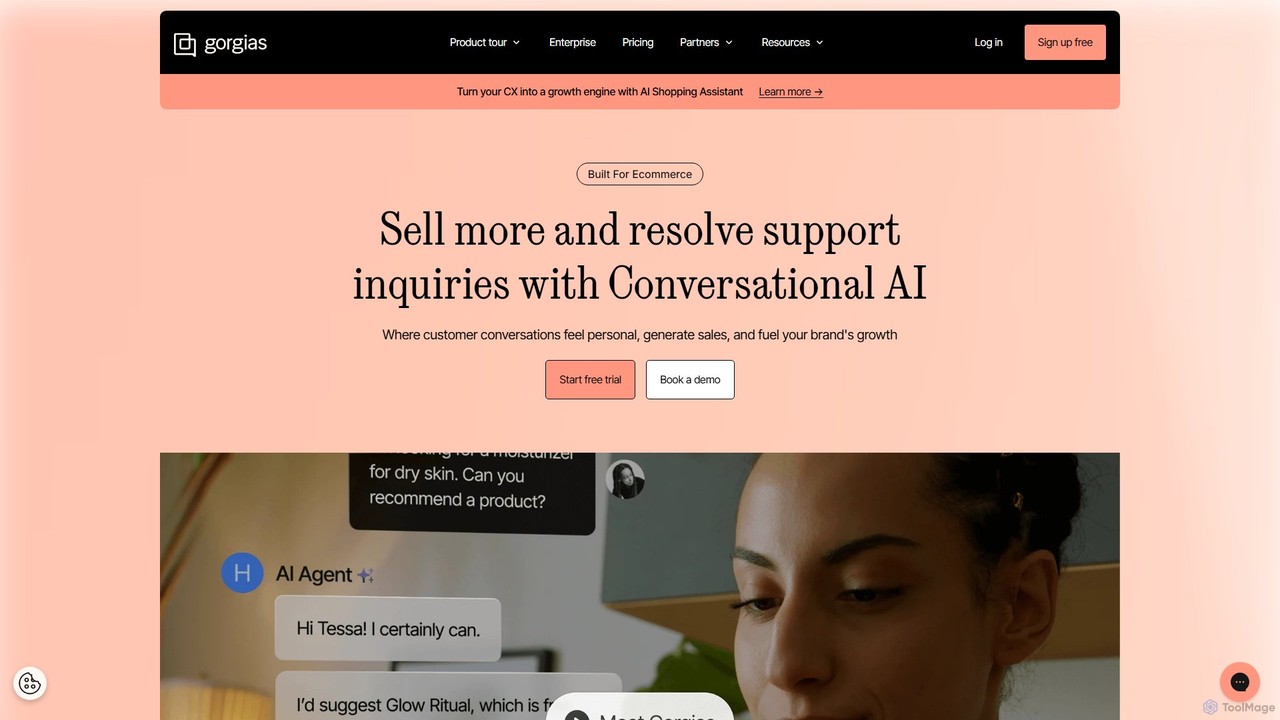
Gorgias is an AI-powered customer service platform specifically designed for e-commerce businesses. It centralizes all customer communications from …

2.5M
Nametag

Nametag

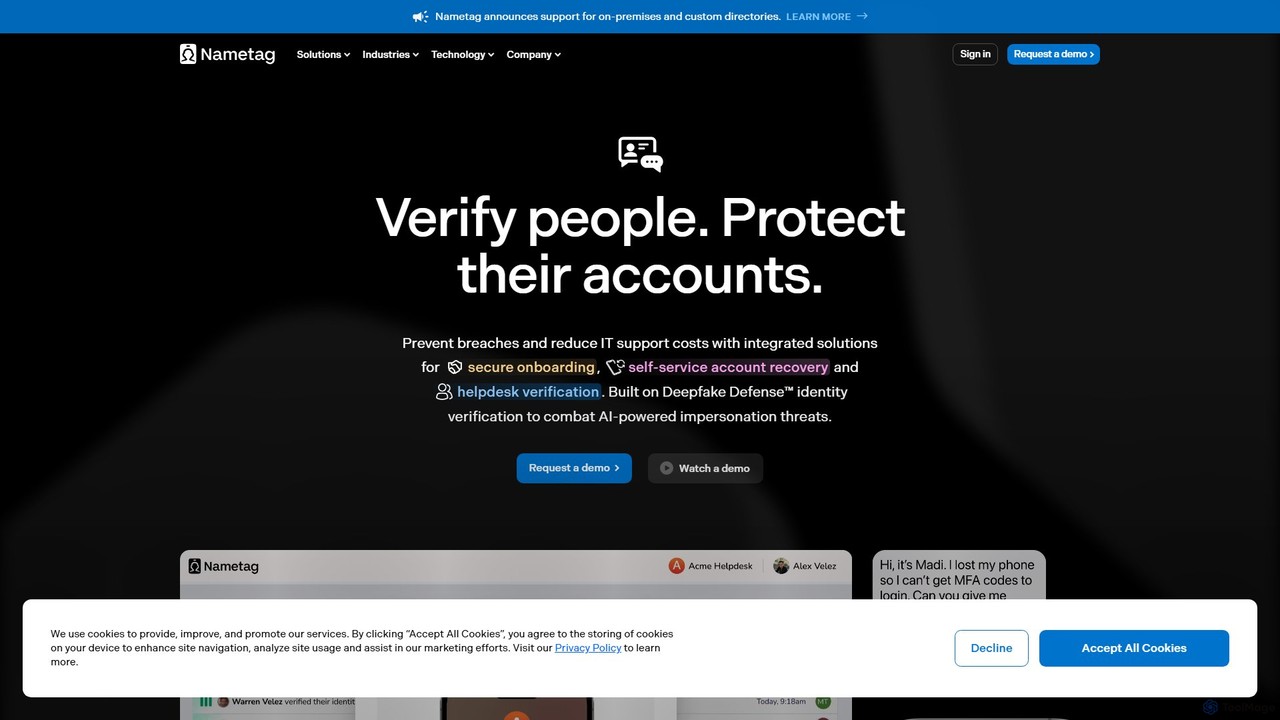
Nametag is an AI-powered identity verification platform designed to protect online accounts. It uses advanced technology, including Deepfake …

19.6K

About Helpdesk

AI-powered Helpdesk tools are specialized platforms that leverage artificial intelligence to streamline and enhance customer support operations. These tools integrate natural language processing (NLP), machine learning, and automation to efficiently manage customer inquiries, resolve issues, and improve service delivery. They enable organizations to provide faster, more consistent, and personalized support, significantly reducing agent workload and improving customer satisfaction within the broader customer support ecosystem.

Core Features

  • Intelligent Ticket Routing: Automatically categorizes and assigns support tickets to the most appropriate agent or department based on content and urgency.
  • Automated Response Generation: Provides instant, accurate answers to common customer questions using AI-driven knowledge bases and pre-trained models.
  • Sentiment Analysis: Analyzes customer communication to gauge emotional tone, helping agents prioritize urgent or frustrated customers and tailor responses.
  • Agent Assist: Offers real-time suggestions, relevant knowledge base articles, and script recommendations to support agents during live interactions.
  • Self-Service Optimization: Enhances self-service portals and FAQs with AI search capabilities, making it easier for customers to find solutions independently.

Applicable Scenarios

AI Helpdesk tools are invaluable for businesses across various sectors, from e-commerce and SaaS to telecommunications and finance. They are particularly beneficial for organizations experiencing high volumes of customer inquiries, aiming to reduce response times, and seeking to provide 24/7 support. Customer service managers, support agents, and IT helpdesk teams utilize these tools to automate repetitive tasks, improve resolution rates, and gain insights into customer needs.

How to Choose

When selecting an AI Helpdesk tool, consider its integration capabilities with existing CRM and communication platforms, the robustness of its NLP and machine learning models for understanding diverse customer queries, and its scalability to handle fluctuating support volumes. Evaluate the customization options for workflows and knowledge bases, as well as the reporting and analytics features for performance monitoring and continuous improvement. User-friendliness for both agents and administrators is also crucial for successful adoption.

HelpdeskUse Cases

1

Automating First-Level Customer Inquiries

For e-commerce businesses, an AI Helpdesk can automatically answer frequently asked questions about order status, shipping policies, or product details. When a customer submits a query, the AI analyzes it, retrieves the most relevant information from the knowledge base, and provides an instant, accurate response, reducing the need for human intervention for routine issues and freeing up agents for complex cases.

2

Intelligent Ticket Prioritization and Routing

In a large IT support department, an AI Helpdesk can automatically categorize incoming tickets (e.g., "software bug," "hardware issue," "account reset") and assess their urgency based on keywords and sentiment. It then routes critical issues directly to specialized senior technicians, while less urgent or common problems are directed to junior agents or self-service options, ensuring efficient resource allocation and faster resolution times.

3

Enhancing Agent Productivity with Real-time Assistance

During live chat or phone support, an AI Helpdesk acts as an agent's co-pilot. As a customer service representative interacts with a client, the AI analyzes the conversation in real-time and suggests relevant knowledge base articles, pre-written responses, or next best actions directly within the agent's interface. This significantly reduces search time, ensures consistent information delivery, and empowers agents to resolve issues more quickly and confidently.

4

Personalized Self-Service Portal Experience

SaaS companies can deploy an AI Helpdesk to power their self-service portals. Instead of a static FAQ, the AI provides a dynamic search experience, understanding natural language queries and guiding users to the most relevant articles, tutorials, or troubleshooting guides. It can also suggest related topics or offer contextual help based on the user's past interactions or product usage, leading to higher self-resolution rates and improved user satisfaction.

5

Proactive Customer Support and Issue Prevention

Telecommunications providers can leverage AI Helpdesk tools to proactively identify potential service issues. By analyzing patterns in customer complaints, network data, and social media mentions, the AI can flag emerging problems (e.g., localized outages) and automatically notify affected customers with status updates or offer troubleshooting steps before they even contact support, transforming reactive support into proactive engagement.

6

Analyzing Customer Feedback for Service Improvement

For any business, an AI Helpdesk can process and analyze vast amounts of customer feedback from support tickets, chat transcripts, and surveys. Using natural language processing, it identifies recurring themes, common pain points, and sentiment trends. This aggregated insight helps product development teams prioritize features, marketing teams understand customer needs, and support management identify areas for agent training or process optimization, driving continuous service improvement.

HelpdeskFrequently Asked Questions