ToolMage
Sign in

Best 10 Cybersecurity AI tools

Popular Cybersecurity AI tools include Trigma, ThreatCluster, ClawSecure, Patchifi, Carpathian, Pwnus, CyberIQ, Veri, Darkthreat, and Pyrinas, helping you work more efficiently.

ClawSecure
Freemium

ClawSecure

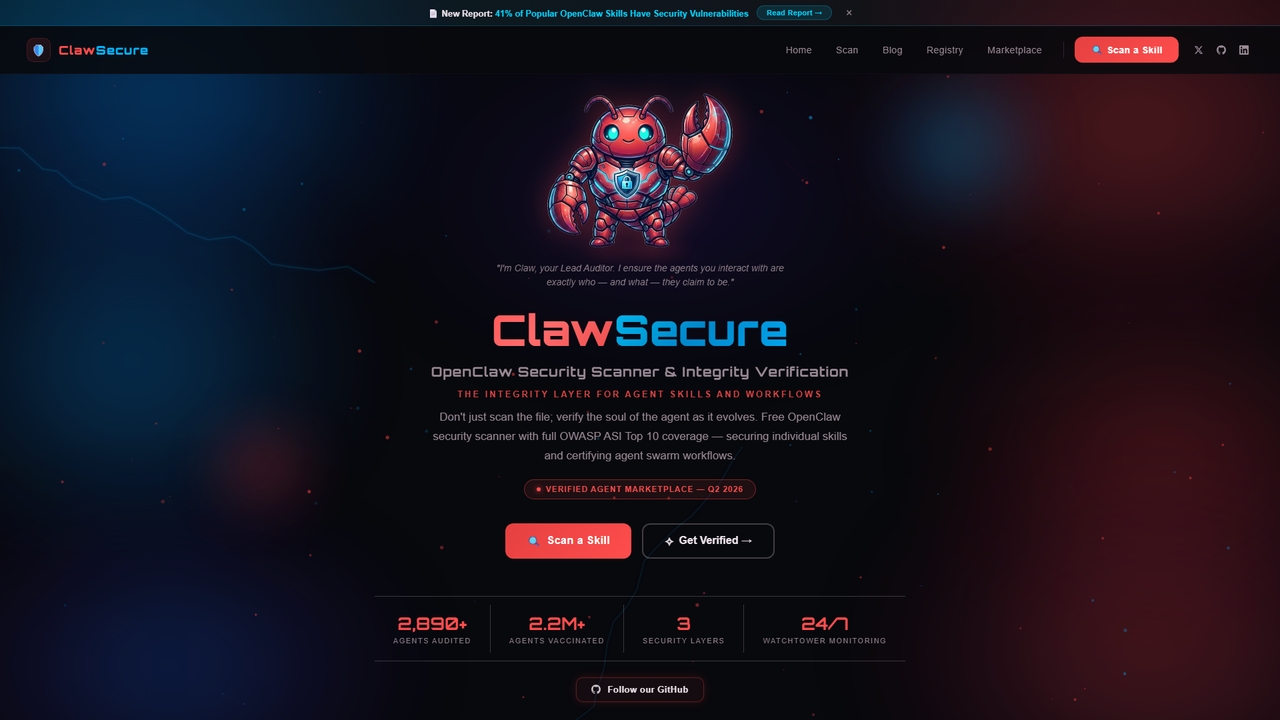
ClawSecure is an AI agent security platform providing a free scanner and integrity verification layer for OpenClaw skills and workflows. It uses a proprietary 3-Layer Audit Protocol with full OWASP ASI Top 10 coverage to detect threats like prompt injection, ClawHavoc malware, and supply chain vulnerabilities, securing the agentic ecosystem for users, creators, and platforms.

Ai Agent
Visits 10.6KFavorites 35Likes 48
ThreatCluster
Free

ThreatCluster

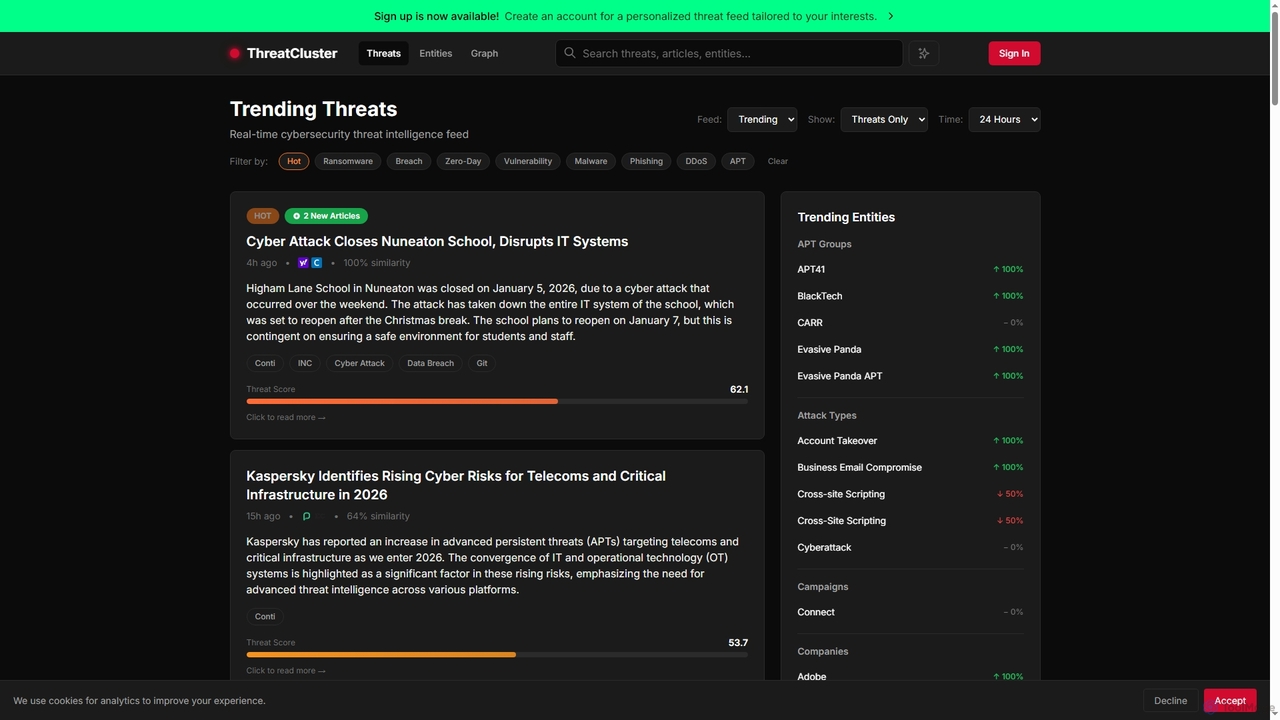
ThreatCluster is a real-time cybersecurity threat intelligence platform that aggregates, clusters, and scores threats from over 1000 sources daily, providing a focused, actionable feed without information overload.

Threat Intelligence
Visits 10.8KFavorites 38Likes 37
Veri
Freemium

Veri

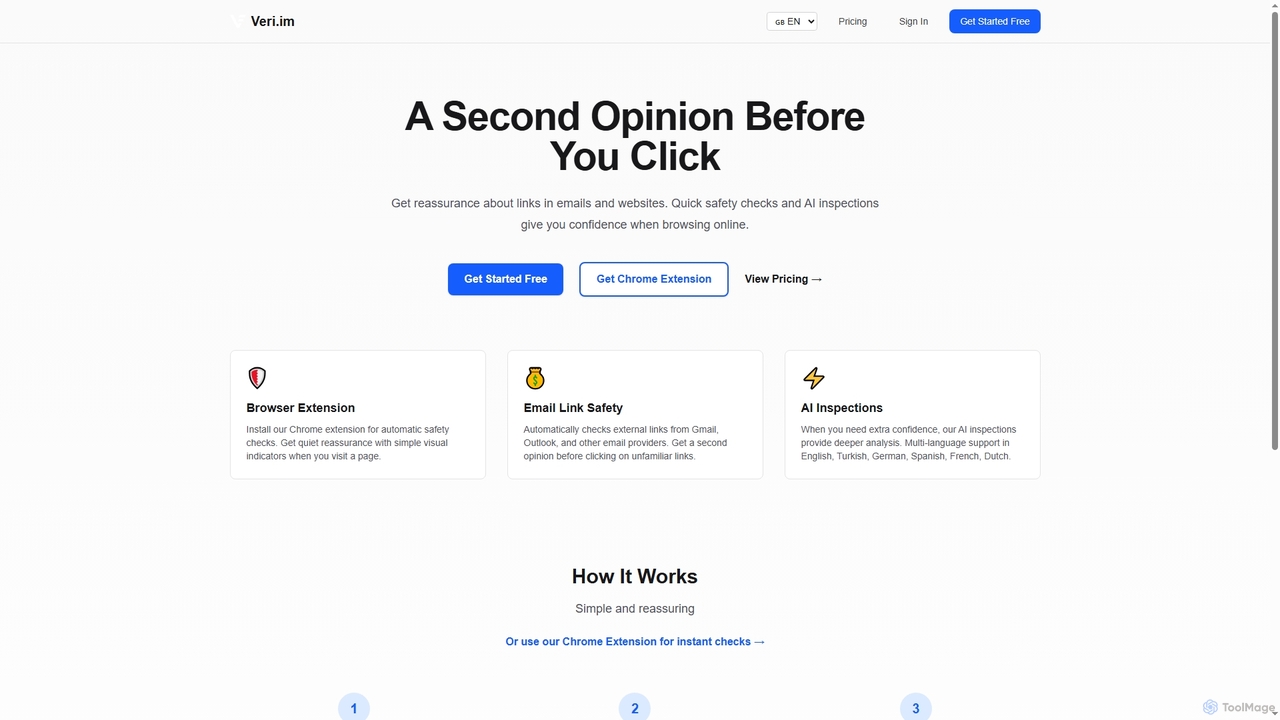
Veri is an AI-powered phishing and scam detection tool that provides a crucial second opinion before users click on suspicious links. It offers a browser extension for automatic safety checks and deep AI inspections for comprehensive online threat analysis, ensuring a safer browsing and email experience.

Phishing Detection
Visits 6.5KFavorites 54Likes 49
Trigma

Trigma

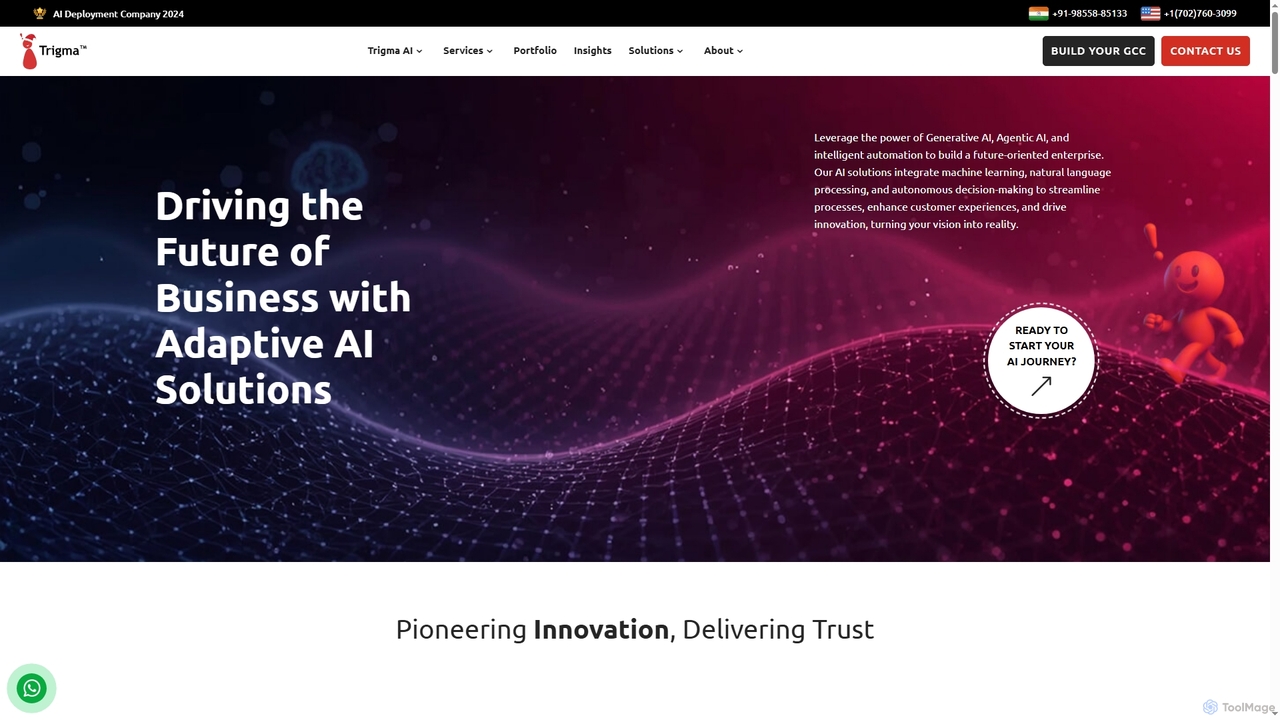
Trigma is a global AI development company specializing in custom AI and tech solutions for businesses. They leverage Generative AI, Agentic AI, machine learning, and natural language processing to create adaptive solutions that streamline processes, enhance customer experiences, and drive innovation across various industries, from healthcare to real estate.

Agentic Ai
Visits 14.4KFavorites 47Likes 44
Pwnus
Paid

Pwnus

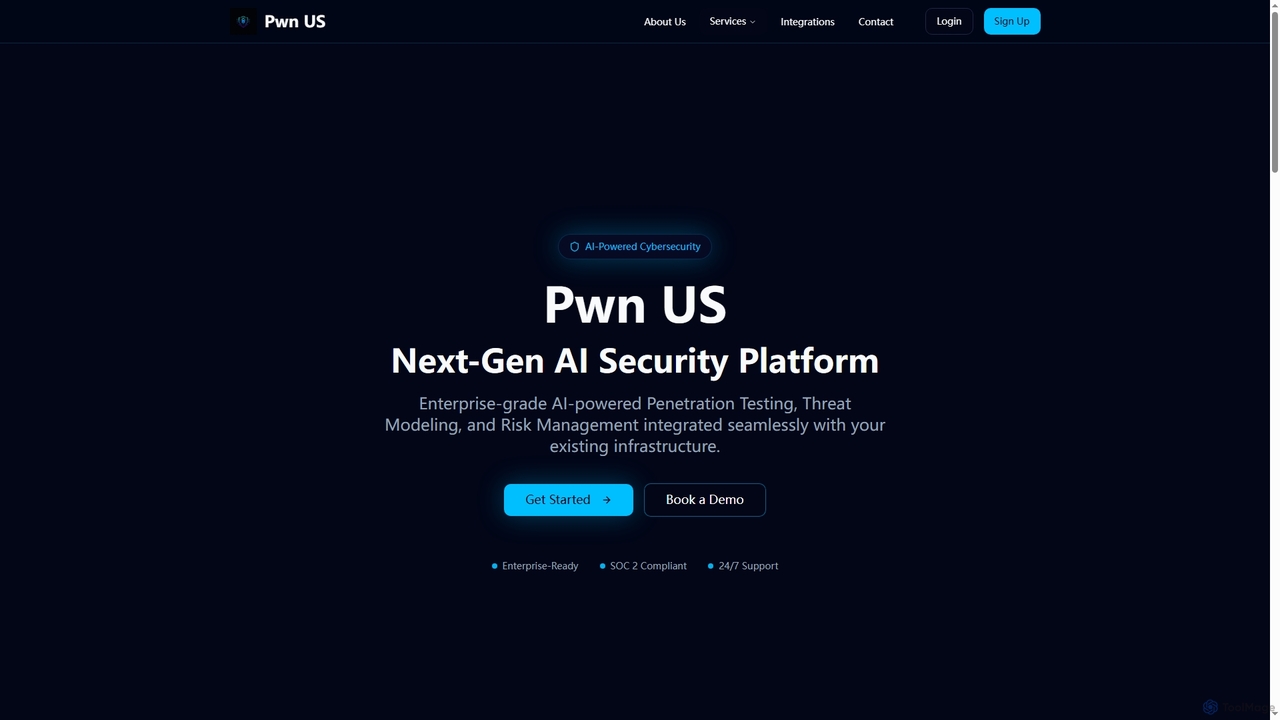
Pwnus is an AI-powered enterprise cybersecurity platform offering next-generation solutions for automated penetration testing, intelligent threat modeling, and comprehensive risk management. It seamlessly integrates with existing infrastructure to provide continuous security monitoring, compliance management, and third-party risk assessment, safeguarding organizations from evolving cyber threats with advanced AI algorithms and machine learning.

Penetration Testing
Visits 6.6KFavorites 64Likes 58
Darkthreat
Paid

Darkthreat

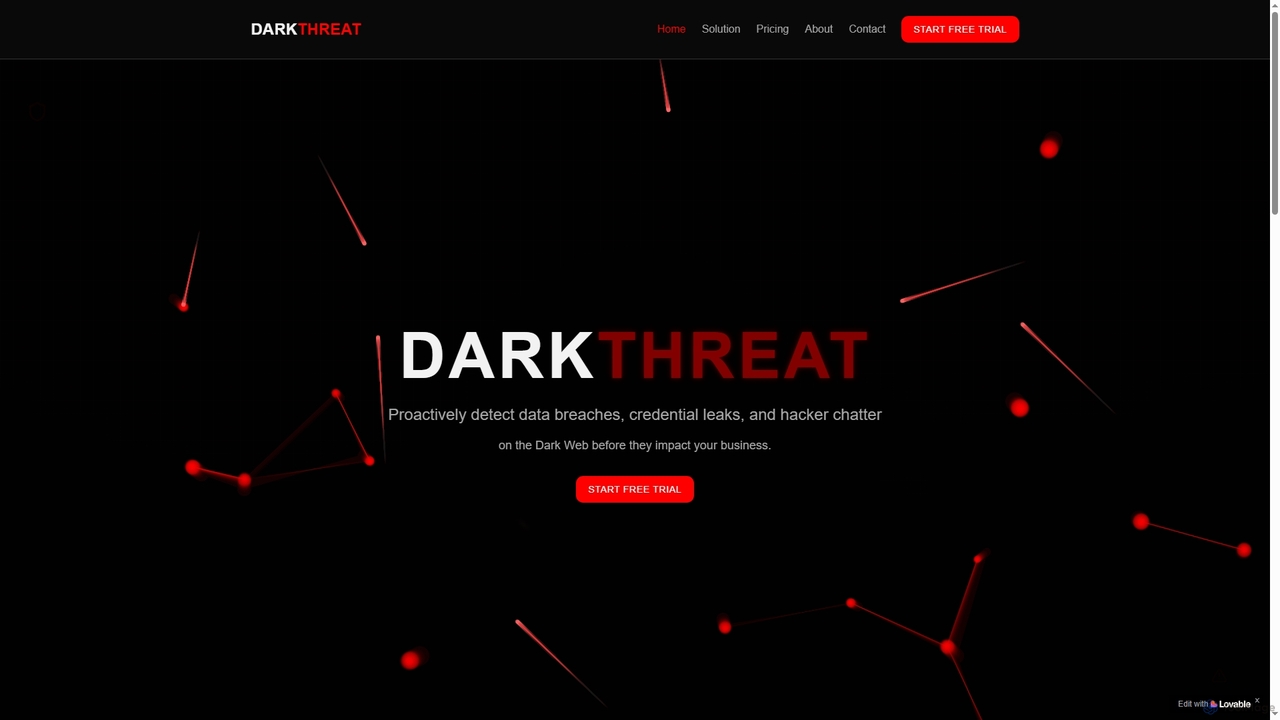
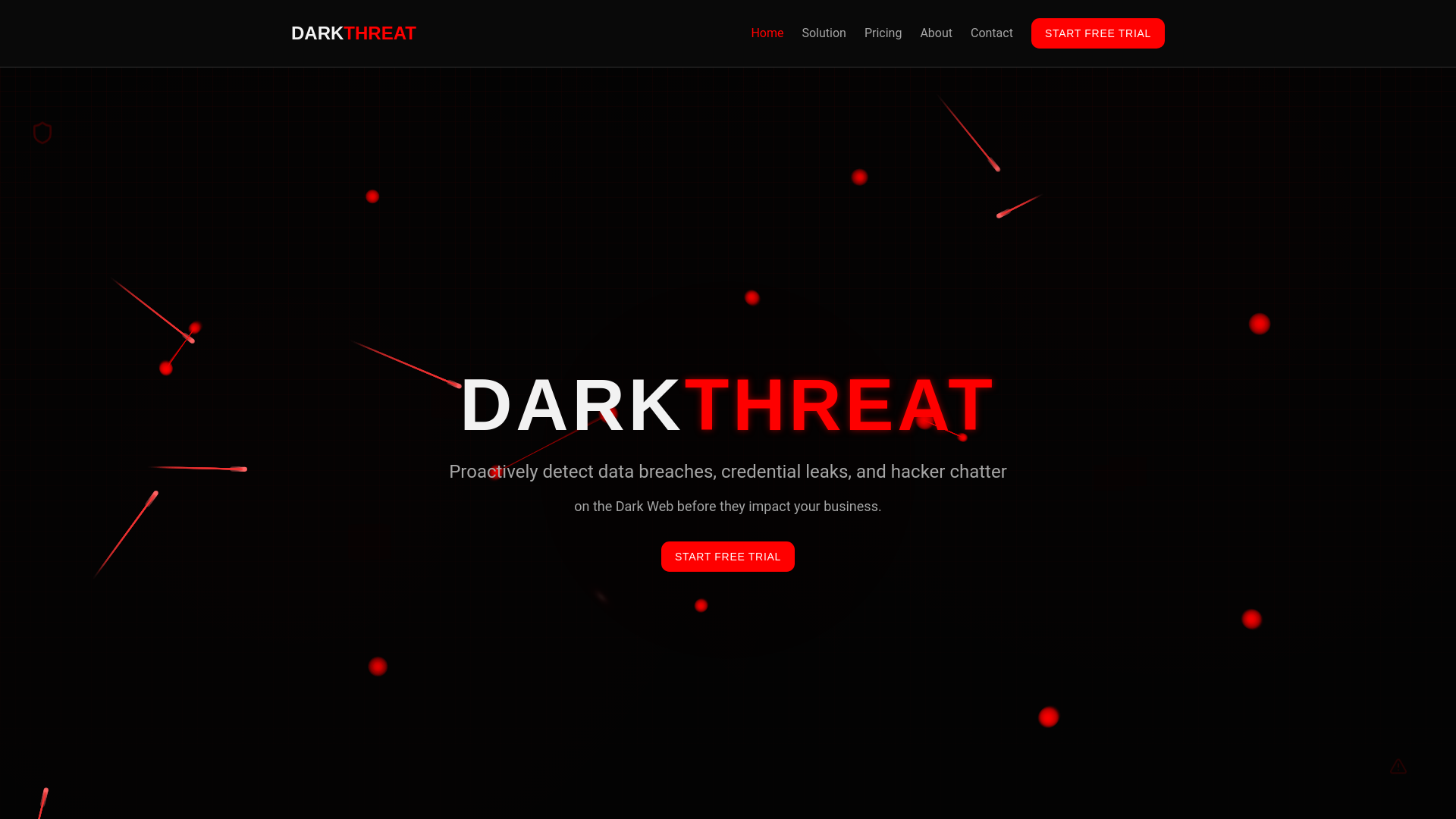
Darkthreat is an advanced AI-powered dark web monitoring platform designed to proactively detect data breaches, credential leaks, and hacker chatter before they impact your business. It provides comprehensive threat intelligence across multiple attack vectors, offering real-time alerts and data removal services to safeguard sensitive information.

Dark Web Monitoring
Visits 6.4KFavorites 68Likes 71
CyberIQ
Freemium

CyberIQ

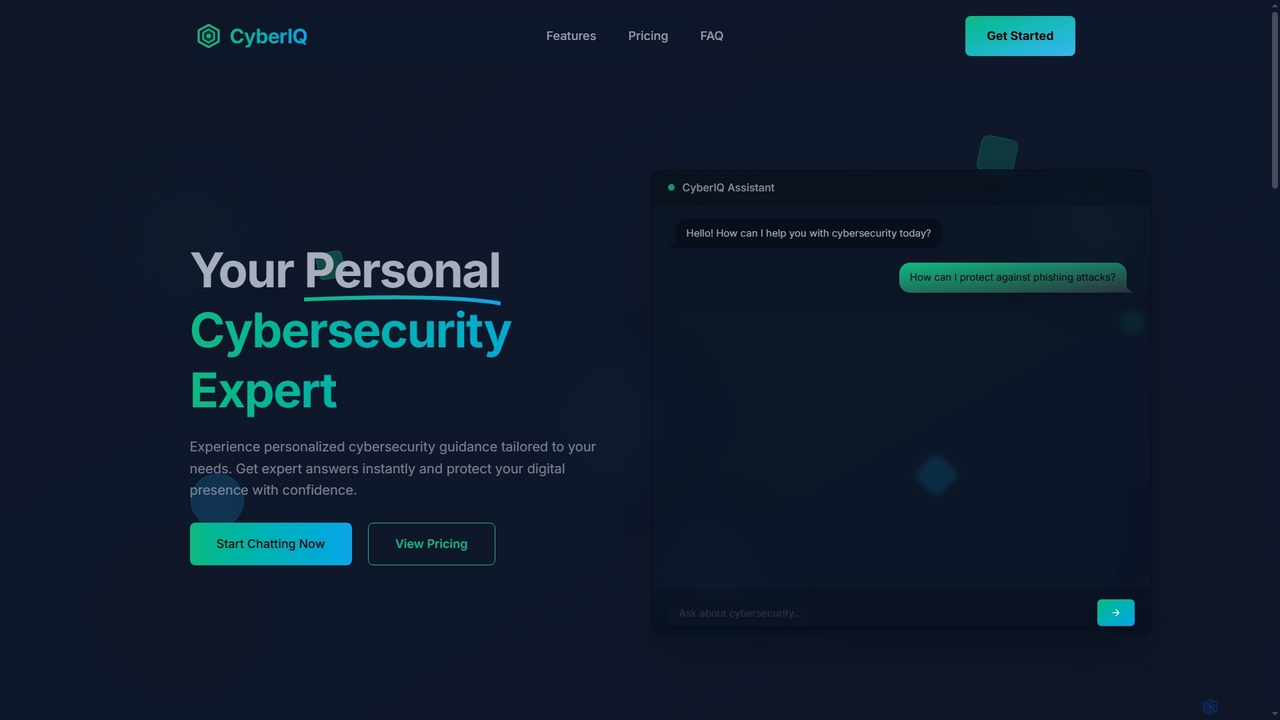
CyberIQ is your personal AI-powered cybersecurity assistant, offering tailored guidance and instant expert answers to protect your digital presence. It covers everything from personal security and home network protection to enterprise solutions and security learning.

Enterprise Security
Visits 6.5KFavorites 127Likes 124
Carpathian
Paid

Carpathian

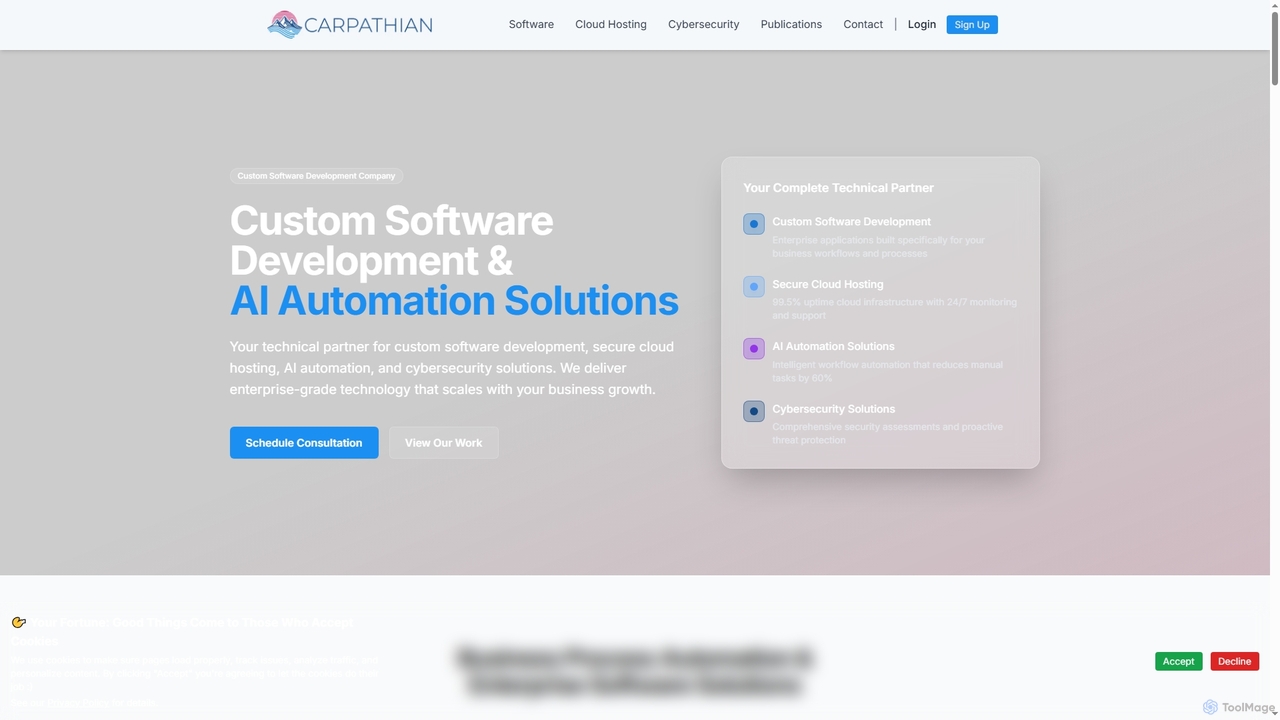
Carpathian is a comprehensive technical partner specializing in custom software development, AI automation solutions, secure cloud hosting, and robust cybersecurity services. They deliver enterprise-grade technology designed to scale with business growth, reduce manual tasks, enhance efficiency, and protect digital assets.

Machine Learning Operations
Visits 6.7KFavorites 134Likes 159
Patchifi

Patchifi

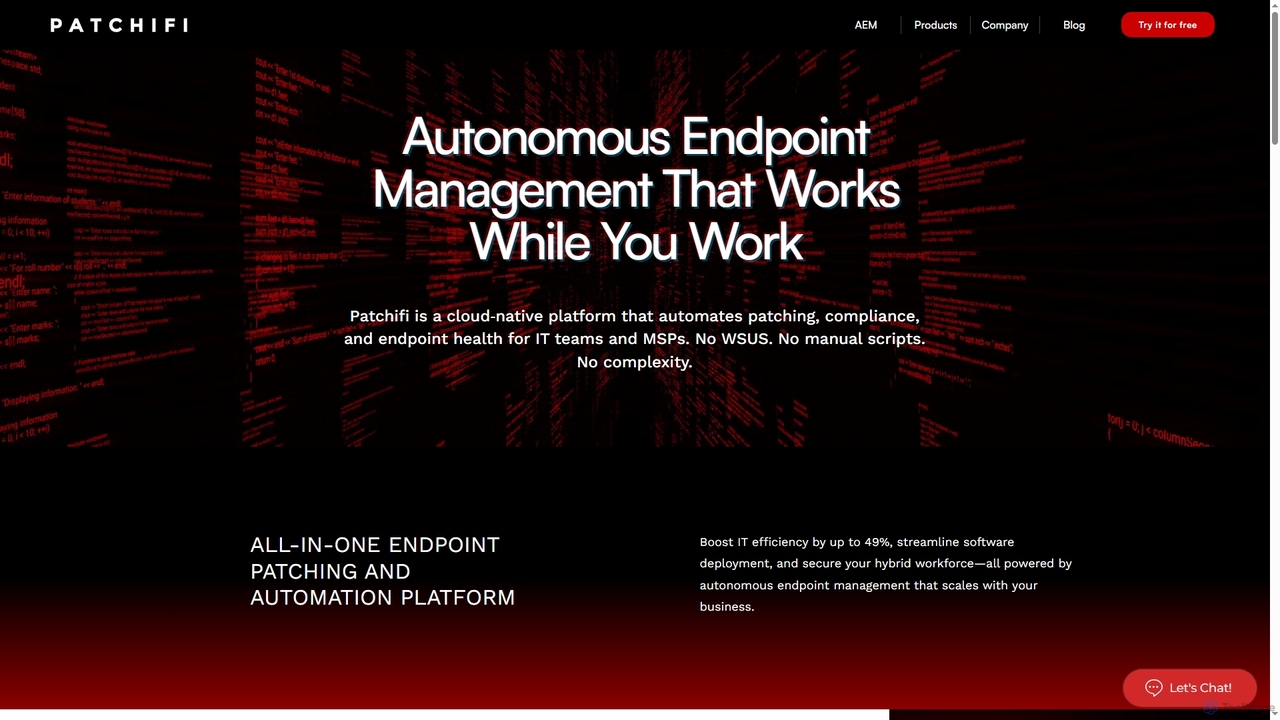
Patchifi is a cloud-native platform that automates endpoint management, patching, and compliance for IT teams and Managed Service Providers (MSPs). It streamlines software deployment, enhances security, and boosts IT efficiency by up to 49% through intelligent automation, eliminating manual scripts and complexity.

Regulatory Reporting
Visits 6.8KFavorites 127Likes 140
Pyrinas

Pyrinas

Pyrinas offers Sovereign AI products and consulting services, providing secure, private, and offline artificial intelligence computing. Its flagship TAi suite enables professionals to maintain full control over their data and AI, ensuring confidentiality and compliance with standards like HIPAA and GDPR, without reliance on cloud infrastructure.

Regulatory Technology
Visits 6.3KFavorites 165Likes 180

About Cybersecurity

AI Cybersecurity tools are a class of solutions that leverage artificial intelligence and machine learning to proactively detect, analyze, and respond to digital threats. These tools analyze vast amounts of data from networks, endpoints, and applications to identify anomalous patterns, predict potential attacks, and automate defense mechanisms. Their primary value lies in enhancing the capabilities of security teams, enabling faster threat hunting, more accurate incident response, and continuous monitoring of complex IT environments. Unlike traditional rule-based systems, AI-powered solutions can adapt to new, evolving threats like zero-day attacks that have no predefined signatures.

Core Features

  • Threat Detection and Prediction: Uses machine learning models to identify malware, phishing, and unusual network activity in real-time.
  • Automated Incident Response: Automatically isolates compromised systems, blocks malicious IPs, or terminates suspicious processes to contain threats.
  • Behavioral Analysis (UEBA): Monitors user and entity behavior to establish a baseline and detect insider threats or compromised accounts.
  • Vulnerability Management: Continuously scans systems and code to identify, prioritize, and suggest remediation for security weaknesses.

Use Cases

These tools are critical for enterprises, financial institutions, healthcare organizations, and government agencies. Security Operations Centers (SOCs), IT administrators, and compliance officers use them to protect cloud infrastructure, secure sensitive data, and defend against sophisticated cyberattacks. For example, a bank might use AI to detect fraudulent transactions, while a tech company uses it to secure its software development lifecycle.

How to Choose

When selecting an AI Cybersecurity tool, evaluate its detection accuracy, specifically its false positive and false negative rates. Assess its integration capabilities with your existing security infrastructure, such as SIEM and firewalls. Consider the level of automation it offers for incident response and whether it aligns with your team's workflow. Finally, ensure the solution is scalable to handle your organization's growing data volumes and network complexity.

Featured tool rankings

Cybersecurity use cases

1

Automated Threat Hunting in a SOC

A Security Operations Center (SOC) analyst is tasked with identifying advanced persistent threats (APTs) across a global enterprise network. Using an AI-powered threat detection platform, the analyst can automate the process of sifting through terabytes of log data from various sources. The AI establishes a baseline of normal network activity and automatically flags subtle, low-and-slow attack patterns that would be nearly impossible for a human to spot. This allows the analyst to focus on investigating high-fidelity alerts, reducing mean time to detect (MTTD) from days to minutes and enabling early intervention before a major breach occurs.

2

Detecting Sophisticated Phishing Attacks

An IT security team at a financial services firm needs to protect employees from business email compromise (BEC) and spear-phishing attacks. They deploy an AI email security tool that goes beyond simple keyword filtering. The AI analyzes email content, sender reputation, communication patterns, and even the sentiment of the language used. When an email arrives impersonating the CEO and urgently requesting a wire transfer, the AI flags it as highly suspicious based on anomalies in the sender's usual writing style and the unusual request type, quarantining it before it reaches the employee's inbox and preventing significant financial loss.

3

Cloud Security Posture Management (CSPM)

A DevOps team manages a complex, multi-cloud environment on AWS and Azure. To prevent data breaches from misconfigurations, they use an AI-driven CSPM tool. The tool continuously scans their cloud infrastructure, comparing the configuration against industry best practices and compliance standards like GDPR and HIPAA. The AI not only identifies vulnerabilities such as publicly exposed storage buckets or overly permissive IAM roles but also prioritizes them based on potential impact. It provides automated remediation scripts, allowing the team to fix hundreds of potential security gaps with minimal manual effort, ensuring a consistently secure and compliant cloud posture.

4

Insider Threat Detection with UEBA

A compliance officer at a large bank is concerned about insider threats, both malicious and accidental. They implement a User and Entity Behavior Analytics (UEBA) solution. The AI-powered system spends a few weeks learning the normal behavior patterns of every employee—what data they access, from where, and at what times. Later, when an employee's account suddenly starts accessing and downloading large volumes of sensitive customer data outside of normal working hours, the system immediately triggers a high-priority alert. This allows the security team to investigate and discover that the employee's credentials were compromised, preventing a massive data exfiltration event.

5

Automated Vulnerability Prioritization

A security engineer at a software company is overwhelmed by the sheer number of vulnerabilities identified by their scanners. Using an AI-powered vulnerability management tool, they can move beyond simple CVSS scores. The AI analyzes each vulnerability in the context of their specific environment, considering factors like asset criticality, network exposure, and whether an active exploit exists in the wild. This contextual analysis allows the tool to generate a prioritized list of the top 10 most critical vulnerabilities that pose a genuine risk to the business. The engineer can now focus their team's limited resources on fixing what matters most, drastically improving security posture efficiency.

6

Securing Industrial IoT (IIoT) Environments

A manufacturing plant manager needs to secure their Operational Technology (OT) network, which includes legacy industrial control systems (ICS) and modern IIoT sensors. Traditional IT security tools are not suitable for this environment. They deploy an AI-based network monitoring tool specifically designed for OT. The AI learns the normal communication patterns between all devices on the plant floor. When a new, unauthorized device attempts to connect to the network or an existing device starts communicating in an unusual way (a potential sign of malware), the system instantly alerts the operations team. This prevents cyberattacks that could disrupt production lines and cause costly downtime.

Cybersecurity FAQ

What are AI Cybersecurity tools?

AI Cybersecurity tools are advanced security solutions that use machine learning and artificial intelligence to detect, predict, and respond to cyber threats. Unlike traditional systems that rely on known signatures, these tools analyze behavior and data patterns to identify new, unknown, and sophisticated attacks like zero-day exploits and advanced persistent threats (APTs). Their primary function is to automate threat detection and response, reducing the workload on security analysts and enabling faster reaction times to potential incidents.

How to choose the right AI Cybersecurity tool?

Choosing the right tool depends on your specific needs. Consider these factors:

  • Integration: Ensure the tool integrates seamlessly with your existing security stack (e.g., SIEM, SOAR, firewalls).
  • Detection Accuracy: Evaluate its effectiveness in identifying threats accurately with low false positive rates. Look for independent testing results.
  • Automation Capabilities: Assess the level of automated response it provides. Does it align with your team's operational capacity and policies?
  • Scalability: The tool should be able to handle the growing volume of data and traffic in your network without performance degradation.
  • Use Case Coverage: Verify that the tool addresses your primary security concerns, whether it's endpoint protection, cloud security, or network threat analysis.
What's the difference between AI Cybersecurity and traditional antivirus?

The core difference lies in their detection methods. Traditional antivirus software is primarily reactive, relying on a database of known virus signatures to identify threats. If a new virus doesn't match a signature, it may go undetected. In contrast, AI Cybersecurity is proactive. It uses behavioral analysis and anomaly detection to establish a baseline of normal system activity. It then flags any deviations from this baseline as potentially malicious, allowing it to detect novel, zero-day threats that have no pre-existing signature.

What are the main functions of AI in cybersecurity?

AI performs several critical functions in cybersecurity to enhance threat defense. Key functions include:

  • Threat Detection: Analyzing network traffic and endpoint behavior in real-time to identify malicious activities and anomalies that signal an attack.
  • Automated Response: Automatically taking action to contain threats, such as isolating an infected device from the network or blocking a malicious IP address.
  • Vulnerability Management: Identifying and prioritizing system weaknesses based on their potential impact and exploitability, helping teams focus on the most critical fixes.
  • Behavioral Analytics (UEBA): Modeling normal user behavior to detect insider threats, compromised accounts, and other subtle risks.
Who can benefit from using AI Cybersecurity tools?

Virtually any organization can benefit, but they are particularly valuable for:

  • Large Enterprises: With vast and complex IT environments, AI is essential for monitoring massive data volumes and detecting sophisticated attacks.
  • Security Operations Centers (SOCs): AI tools help SOC analysts by automating repetitive tasks, prioritizing alerts, and accelerating threat hunting and incident response.
  • Financial and Healthcare Sectors: Industries with highly sensitive data and strict regulatory compliance requirements use AI to protect against data breaches and fraud.
  • Organizations with Limited Security Staff: AI acts as a force multiplier, augmenting the capabilities of smaller security teams and allowing them to achieve more with fewer resources.