Neural Designer
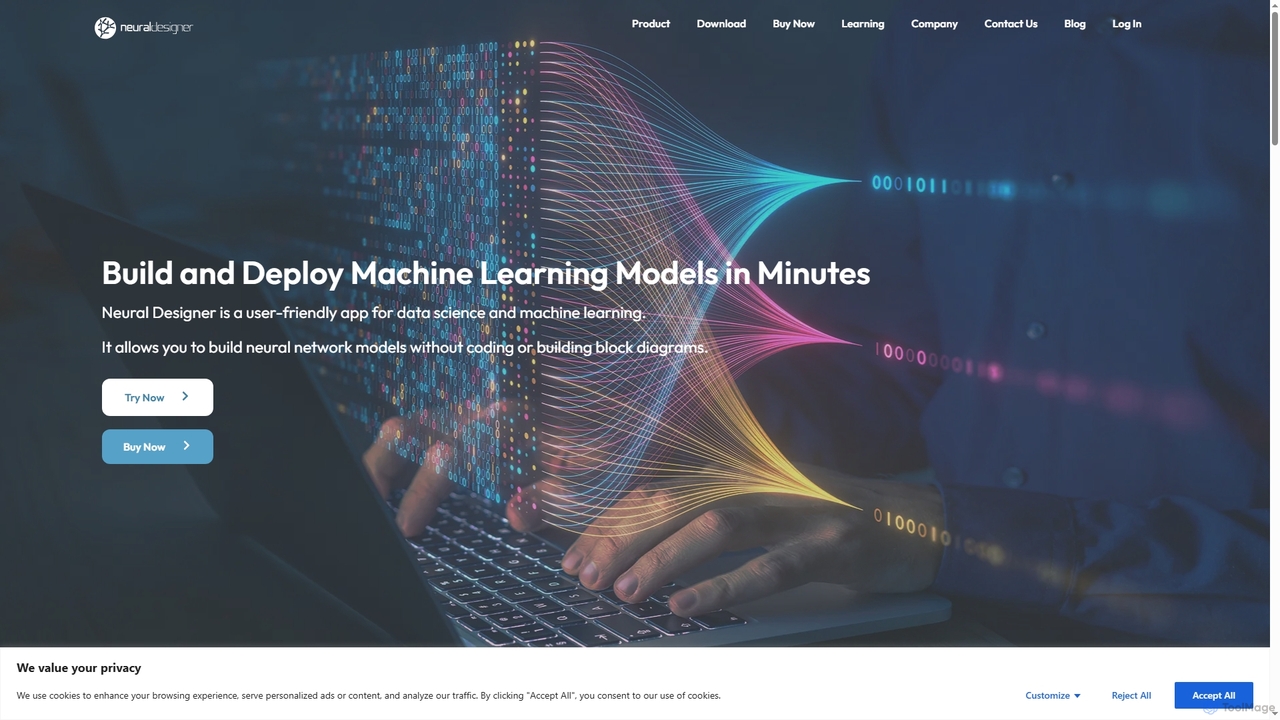
Neural Designer is a user-friendly, no-code machine learning platform specializing in neural networks. It enables users to build, …
Neural Designer is a user-friendly, no-code machine learning platform specializing in neural networks. It enables users to build, train, and deploy advanced AI models for approximation, classification, and forecasting without writing any code or complex block diagrams. Designed for data scientists and organizations, it offers high performance, energy efficiency, and superior accuracy across various industries.
Znote
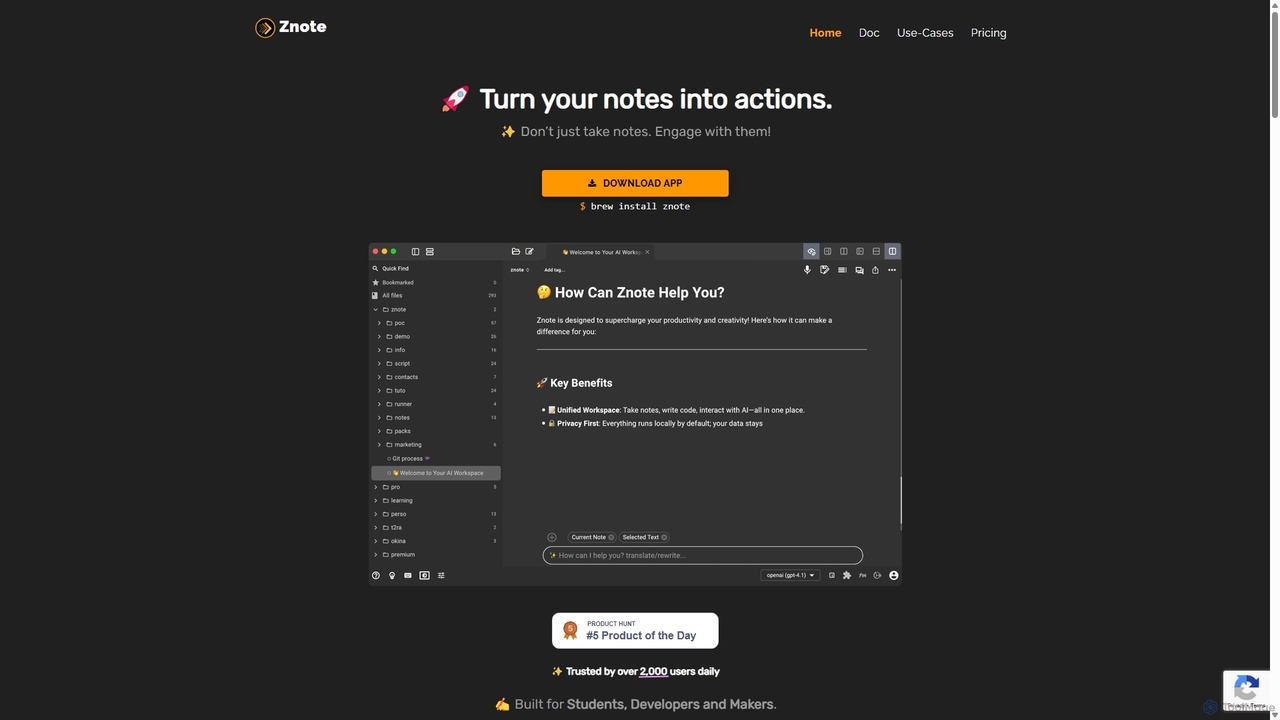
Znote is a powerful note-taking app that turns your notes into interactive, executable documents. It combines a rich …
Znote is a powerful note-taking app that turns your notes into interactive, executable documents. It combines a rich Markdown editor with inline code execution (JS, Node.js, Bash), AI assistance, and data integrations, making it a versatile workspace for developers, analysts, and product teams to prototype, document, and automate workflows.

Open Interpreter
An open-source tool that lets Large Language Models (LLMs) run code (Python, Shell, etc.) locally on your computer. …
An open-source tool that lets Large Language Models (LLMs) run code (Python, Shell, etc.) locally on your computer. It provides a natural language interface to your machine, enabling complex tasks like data analysis, file management, and automation with full access to your system's capabilities.
Liner.ai
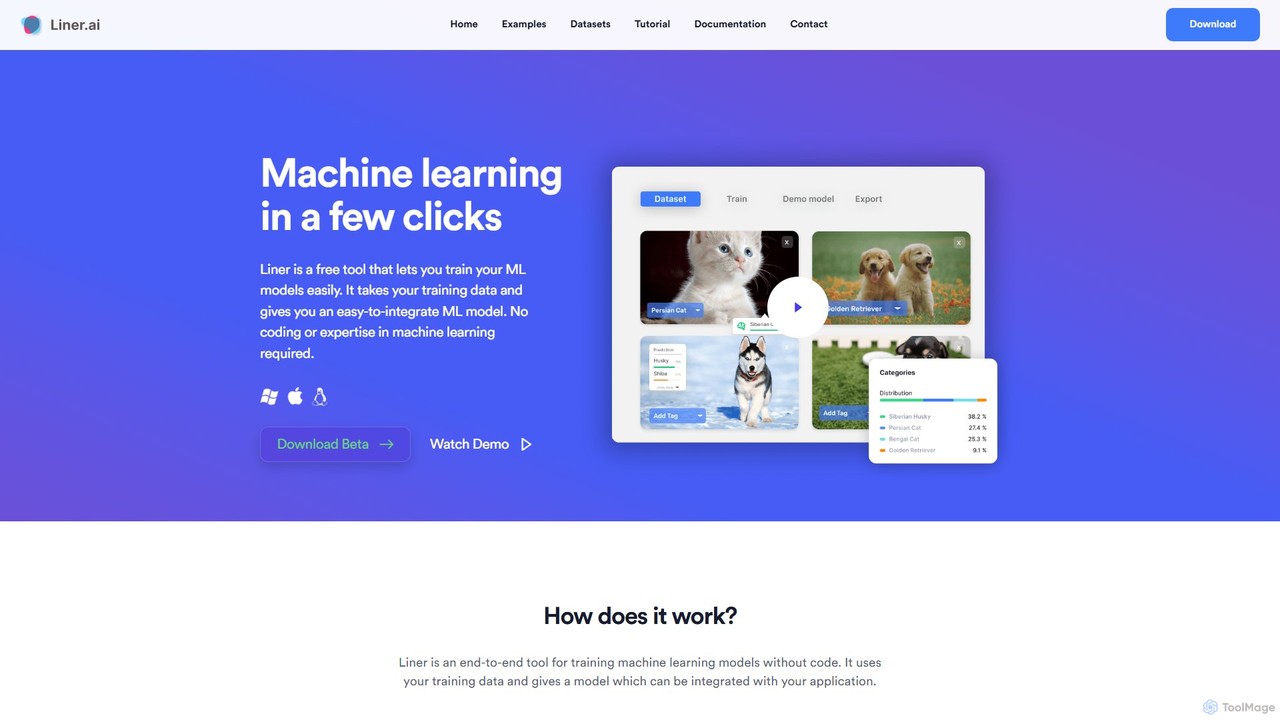
Liner.ai is a free, no-code desktop application for Windows and Mac that allows users to easily train and …
Liner.ai is a free, no-code desktop application for Windows and Mac that allows users to easily train and deploy machine learning models. It simplifies the entire ML workflow, from data import to model deployment, without requiring any coding or deep learning expertise. It's designed for creating applications in image, text, audio, and video classification, object detection, and more, with a focus on speed, accuracy, and data privacy.
About Data Science
Data Science AI tools are advanced platforms that leverage artificial intelligence, machine learning, and deep learning to automate and enhance the entire data science lifecycle. These tools streamline complex processes from data ingestion and preparation to model development, deployment, and monitoring, making data analysis more efficient and accessible. They empower organizations to extract deeper insights, predict future trends, and make data-driven decisions with greater speed and accuracy.
Core Features
- Automated Data Preprocessing: Cleans, transforms, and prepares raw data for analysis, handling missing values and inconsistencies.
- Feature Engineering: Automatically creates new, relevant features from existing data to improve model performance.
- Automated Machine Learning (AutoML): Selects optimal algorithms, tunes hyperparameters, and builds predictive models with minimal human intervention.
- Model Deployment & Monitoring: Facilitates the seamless deployment of models into production environments and tracks their performance over time.
- Insight Generation: Identifies patterns, anomalies, and correlations within large datasets, presenting actionable insights.
Use Cases
Data Science AI tools are crucial for businesses seeking to optimize operations, personalize customer experiences, and mitigate risks. They are used by data scientists to accelerate model development, by business analysts to uncover hidden trends, and by executives to inform strategic planning across various industries like finance, healthcare, and retail.
How to Choose
When selecting Data Science AI tools, consider the breadth of their capabilities, including data preparation, AutoML, and MLOps features. Evaluate their integration with existing data infrastructure, scalability for growing data volumes, and the level of technical expertise required. Pricing models, community support, and compliance with industry regulations are also critical factors.
Data ScienceUse Cases
Predictive Maintenance for Industrial Equipment
Manufacturing engineers use AI data science tools to analyze sensor data from machinery, predicting potential failures before they occur. This enables proactive maintenance scheduling, reducing downtime, optimizing spare parts inventory, and significantly cutting operational costs by preventing costly breakdowns.
Personalizing Customer Marketing Campaigns
Marketing teams leverage AI data science tools to segment customer bases based on purchasing history, browsing behavior, and demographic data. The tools then predict individual customer preferences, allowing for the creation and delivery of highly personalized marketing messages and product recommendations, increasing engagement and conversion rates.
Real-time Financial Fraud Detection
Financial institutions employ AI data science tools to monitor transaction data in real-time, identifying anomalous patterns indicative of fraudulent activity. Machine learning models learn from historical fraud cases to flag suspicious transactions instantly, minimizing financial losses and enhancing security for customers.
Accelerating Drug Discovery and Development
Pharmaceutical researchers utilize AI data science tools to analyze vast biological and chemical datasets, identifying potential drug candidates and predicting their efficacy and toxicity. This significantly speeds up the drug discovery process, reduces experimental costs, and brings life-saving medications to market faster.
Optimizing Global Supply Chain Logistics
Logistics managers use AI data science tools to forecast demand, optimize inventory levels, and plan efficient delivery routes. By analyzing historical sales data, weather patterns, and geopolitical events, these tools help minimize stockouts, reduce transportation costs, and improve overall supply chain resilience and responsiveness.
Predicting and Preventing Customer Churn
Customer success teams in subscription-based businesses deploy AI data science tools to identify customers at high risk of churning. By analyzing usage patterns, support interactions, and feedback, the tools provide early warnings, enabling targeted retention strategies like personalized offers or proactive support, thereby improving customer lifetime value.