ToolMage
Sign in

Best 1 On Demand Design AI tools for Design

Popular On Demand Design AI tools in Design include Lamanote, helping you work more efficiently.

Lamanote

Lamanote

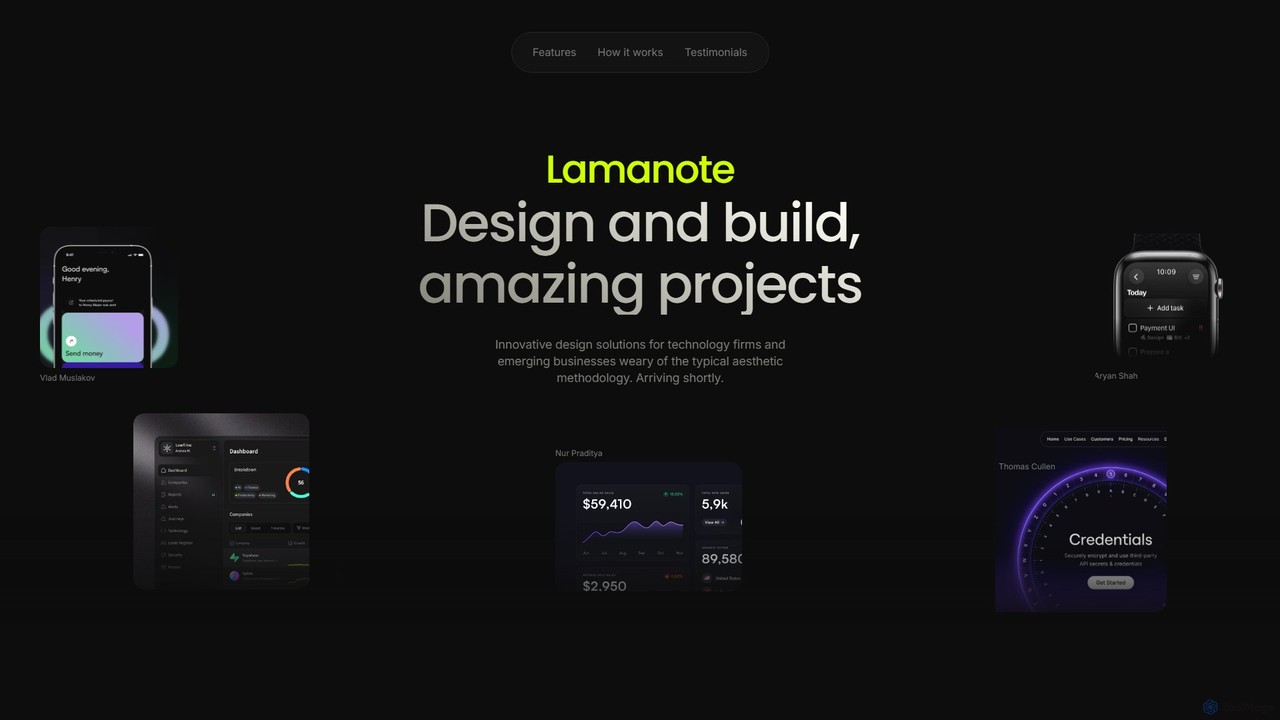
Lamanote is a subscription-based design service offering high-quality, on-demand design solutions for tech firms and startups. It provides a scalable and cost-effective alternative to hiring an in-house team, delivering everything from UI/UX to branding and marketing materials through a streamlined workflow.

Outsourcing
Visits 5.5KFavorites 124Likes 123

About On Demand Design

On Demand Design tools are AI-powered platforms that enable the rapid, automated creation of various design assets based on specific user inputs and requirements. Leveraging advanced generative AI and machine learning algorithms, these tools streamline the design process, allowing users to generate high-quality visuals, layouts, and marketing materials almost instantly. They are invaluable for individuals and businesses seeking efficient, scalable, and personalized design solutions without extensive manual effort or specialized design skills.

Core Features

  • Automated Asset Generation: Instantly create a wide range of design elements, from social media graphics to marketing banners, based on text prompts or data.
  • Customization & Personalization: Tailor designs with specific colors, fonts, images, and brand elements to match unique requirements.
  • Brand Guideline Adherence: Automatically apply and maintain consistent brand identity across all generated design outputs.
  • Batch Processing & Variations: Generate multiple design variations or a large volume of similar assets simultaneously, saving significant time.
  • Template-based Design: Utilize pre-designed templates that can be quickly customized and populated with user-specific content.

Applicable Scenarios

These tools are ideal for marketing teams needing to produce a high volume of campaign visuals, e-commerce businesses requiring personalized product mockups, and content creators looking for quick, branded social media graphics. They also serve small businesses without dedicated design staff, enabling them to create professional-looking materials efficiently.

How to Choose

When selecting an On Demand Design tool, consider its design quality and aesthetic flexibility, the range of customization options available, and its ability to integrate with your existing marketing or content platforms. Evaluate the pricing model based on your usage volume and assess the user interface for ease of use, especially if your team has limited design experience.

On Demand Design use cases

1

Generating Social Media Ad Creatives

Marketing teams can input campaign objectives and product details to rapidly generate diverse ad visuals, A/B test different designs, and scale content production for various platforms. This automation significantly reduces the time spent on manual design, allowing marketers to focus on strategy and performance optimization.

2

Personalizing E-commerce Product Mockups

Online retailers can upload product images and descriptions to automatically create custom mockups for different colors, sizes, or lifestyle contexts, enhancing product presentation and customer engagement. This allows for a vast array of product visuals without the need for extensive photoshoots or manual editing.

3

Automating Brand-Consistent Marketing Banners

Businesses can define their brand guidelines (logos, colors, fonts) and generate numerous marketing banners for websites, emails, or promotions, ensuring visual consistency across all touchpoints. This is particularly useful for large-scale campaigns requiring many variations of a core design.

4

Creating Event-Specific Promotional Materials

Event organizers can quickly design posters, flyers, and digital invitations by inputting event details, themes, and desired aesthetics, significantly reducing design turnaround time. This enables rapid adaptation to changing event requirements and efficient promotion across various channels.

5

Developing Custom Presentation Slides

Professionals can input presentation content and brand elements to automatically generate visually appealing and branded slides, saving hours typically spent on manual formatting and design. This ensures consistent, high-quality presentations even under tight deadlines, enhancing professional communication.

6

Designing Personalized Email Marketing Graphics

Marketers can generate unique, segmented graphics for email campaigns based on subscriber data or campaign themes, improving open rates and click-through rates with tailored visuals. This allows for highly targeted and visually engaging email content at scale, enhancing campaign effectiveness.

On Demand Design FAQ

What are On Demand Design tools?

On Demand Design tools are AI-powered platforms that automate the creation of design assets based on user requests. They leverage generative AI to produce visuals, layouts, and marketing materials quickly, often requiring minimal manual input. Their core purpose is to provide scalable, efficient, and customized design solutions for various needs, from social media graphics to brand-consistent banners.

How does On Demand Design differ from traditional graphic design?

On Demand Design primarily relies on AI automation for rapid asset generation, focusing on efficiency and scalability for specific, often repetitive, design tasks. Traditional graphic design involves human designers who offer creative interpretation, conceptual development, and bespoke solutions, typically requiring more time and direct collaboration. On Demand Design is ideal for speed and volume, while traditional design excels in unique, complex, and highly conceptual projects.

What types of design assets can On Demand Design tools create?

These tools can generate a wide array of design assets, including social media posts, ad banners, website graphics, product mockups, email marketing visuals, presentation slides, and basic branding elements like logos or icons. The specific types depend on the tool, but they generally focus on visual content that can be templated or generated from structured inputs, catering to common marketing and content needs.

Who benefits most from using On Demand Design tools?

On Demand Design tools are highly beneficial for marketing teams, content creators, e-commerce businesses, small business owners, and entrepreneurs who need to produce a high volume of visual content quickly and consistently. They are also valuable for individuals or organizations with limited design budgets or without dedicated in-house design expertise, enabling them to achieve professional-looking results efficiently.

What should I consider when choosing an On Demand Design platform?

Key considerations include the quality and style of the generated designs, the level of customization and brand control offered, the variety of asset types it can create, and its integration capabilities with your existing workflows (e.g., marketing platforms, content management systems). Also, evaluate the pricing structure, user-friendliness, and the tool's ability to handle your specific volume and complexity requirements to ensure it aligns with your operational needs.