Omneky
Omneky is an AI-powered platform designed to scale and optimize advertising campaigns. It automates the generation of on-brand …
Omneky is an AI-powered platform designed to scale and optimize advertising campaigns. It automates the generation of on-brand image and video ads in minutes, leveraging data-driven insights to improve performance. The platform supports omnichannel campaign management, allowing users to create, launch, and track ads across major platforms like Meta, Google, and TikTok from a single interface, significantly saving time and reducing marketing costs.
Google Gemini
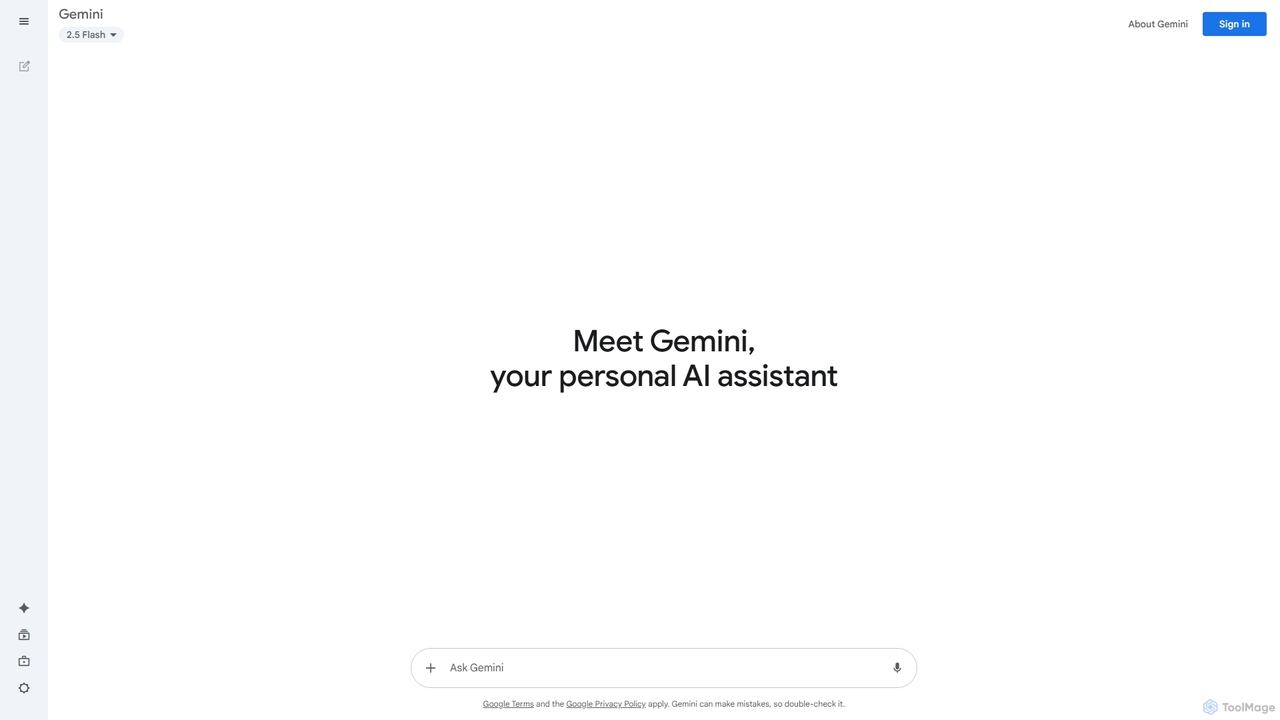
Google Gemini is a powerful, multimodal AI assistant designed to enhance creativity and productivity. It can understand and …
Google Gemini is a powerful, multimodal AI assistant designed to enhance creativity and productivity. It can understand and process text, code, images, and video to help you write, plan, learn, and create. Integrated with Google's ecosystem, it offers features like advanced content generation, deep research, and seamless collaboration within Google apps.
Visual Electric
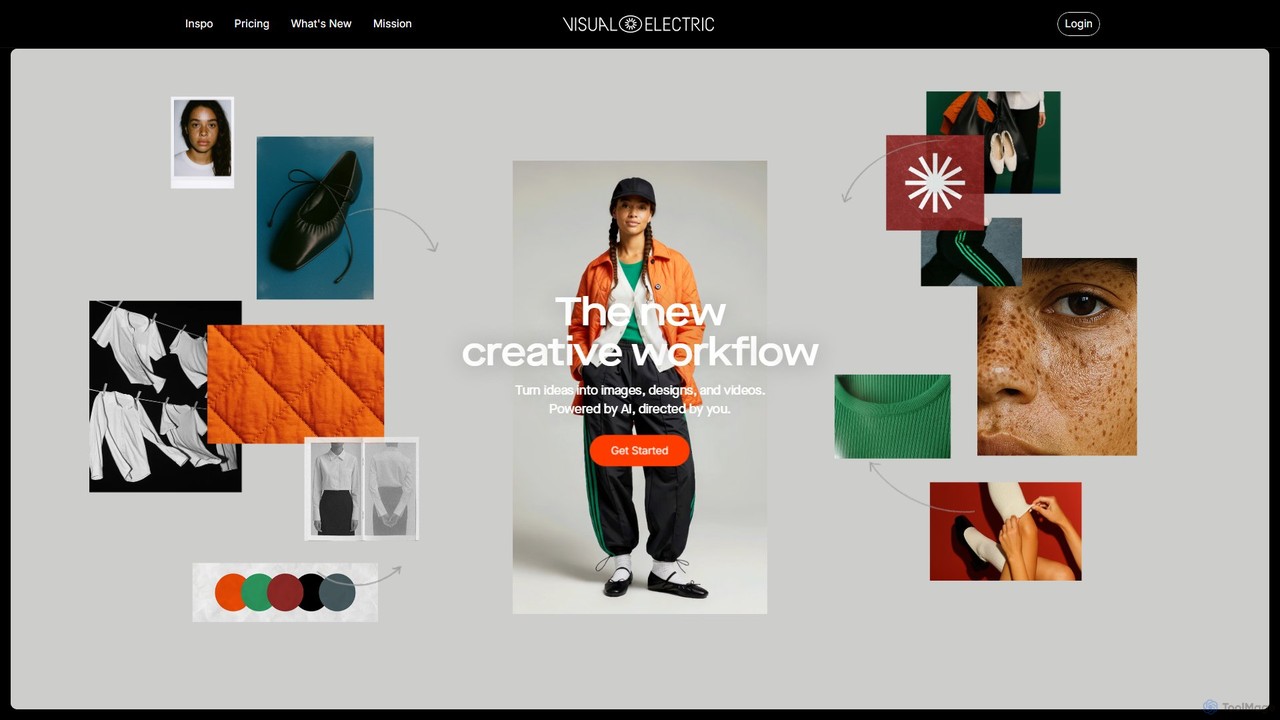
Visual Electric is a generative AI canvas designed for creative professionals. It transforms ideas into high-quality images, designs, …
Visual Electric is a generative AI canvas designed for creative professionals. It transforms ideas into high-quality images, designs, and videos using top AI models. Featuring an infinite canvas, real-time collaboration, and powerful refinement tools, it streamlines the creative workflow from ideation to final asset, integrating seamlessly with tools like Figma and Webflow.
Kive
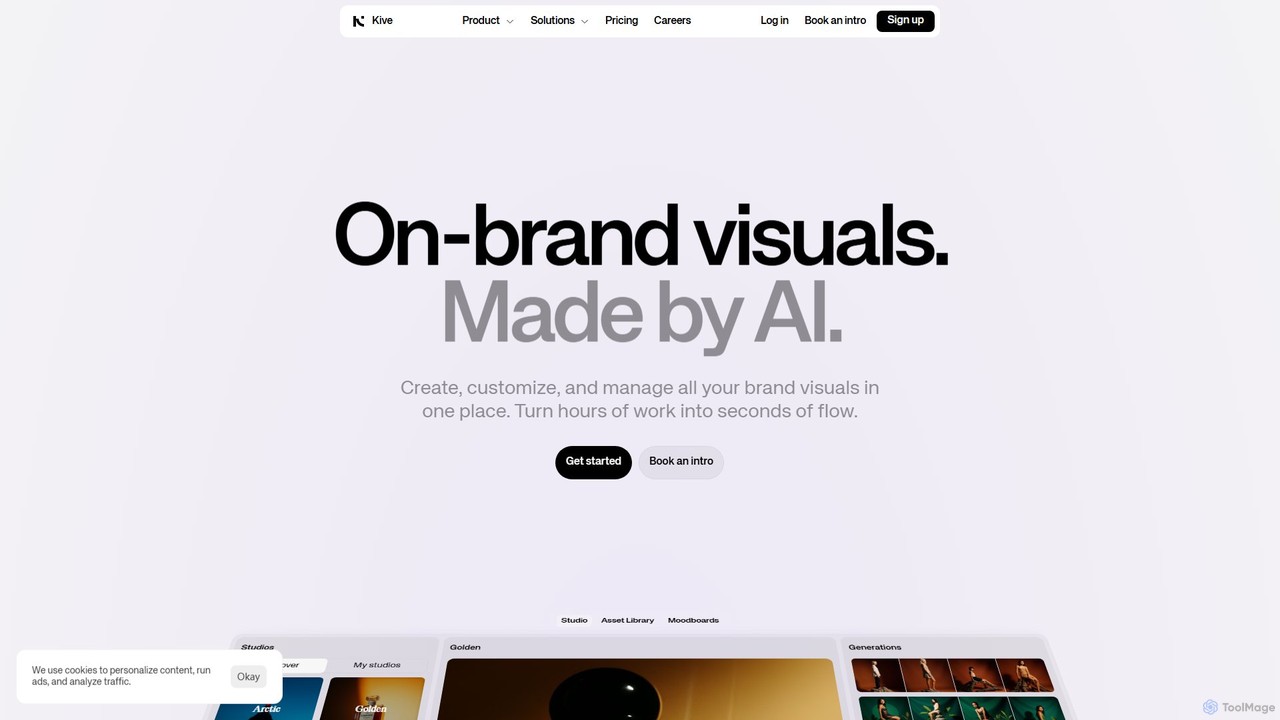
Kive is an all-in-one AI-powered platform designed for brands, agencies, and creatives to generate, manage, and scale on-brand …
Kive is an all-in-one AI-powered platform designed for brands, agencies, and creatives to generate, manage, and scale on-brand visual content. It combines AI image and video generation with a smart creative asset management system. Users can create professional product shots, lifestyle images, and videos from text prompts, integrate real products into AI scenes, and organize everything in a searchable library without manual tagging.
About Video Generator
AI Video Generators are tools that automatically create or modify video content from text prompts, images, or existing clips. These tools utilize advanced generative models, such as diffusion or GANs, to synthesize new video sequences, animate static images, or apply complex visual styles. They significantly lower the barrier to video production, enabling marketers, creators, and businesses to produce engaging visual content without requiring specialized filming equipment or complex editing skills. This technology excels at rapidly prototyping concepts and scaling content creation for digital platforms.
Core Features
- Text-to-Video Generation: Creates original video clips directly from descriptive text prompts.
- Image-to-Video Animation: Animates static images by adding motion, camera effects, and dynamic elements.
- AI Avatar Creation: Generates realistic digital presenters that speak provided text scripts with synchronized lip movements.
- Video Style Transfer: Applies the artistic style of one image or video to another, transforming its look and feel.
- Automated Scene Composition: Assembles multiple generated clips, adds transitions, and syncs audio to create a cohesive narrative.
Use Cases
AI Video Generators are widely used by marketing teams to create short-form ads and social media content at scale. Educators and corporate trainers use them to produce animated explainer videos and training modules with AI avatars, while artists and filmmakers leverage them for storyboarding, pre-visualization, and generating unique visual effects or B-roll footage.
How to Choose
When selecting an AI Video Generator, consider the primary input type you'll use (text, image, or video). Evaluate the output quality, resolution, and available artistic styles to ensure they match your brand. Assess the level of customization and control over elements like camera movement and character actions. Finally, compare pricing models, usage limits, watermarking policies, and commercial rights.

Video GeneratorUse Cases
Creating Social Media Marketing Videos
A social media manager needs to produce a short, eye-catching video ad for a new product launch on Instagram and TikTok. Instead of a lengthy filming and editing process, they use an AI Video Generator. They input a text prompt like, 'A dynamic 15-second video ad for a new eco-friendly sneaker, showing it in a lush forest setting, with upbeat music.' The AI generates multiple video variations in minutes. This allows the manager to quickly create ready-to-post content and even A/B test different visual concepts to see which performs best, significantly accelerating the campaign workflow.
Generating AI Avatar Explainer Videos
A corporate trainer is tasked with creating a series of training modules explaining a new software feature to employees worldwide. To ensure consistency and avoid the costs of filming, they use an AI Video Generator with avatar capabilities. The trainer selects a digital avatar, pastes the training script into the tool, and chooses a branded background. The AI generates a professional video of the avatar presenting the material with synchronized lip movements and a clear, synthetic voice. This method allows for easy updates to the content—if the software changes, they only need to edit the script and regenerate the video, saving significant time and resources.
Prototyping Animated Storyboards
A film director or animator needs to quickly visualize a scene from a script to test pacing and camera angles before committing to full production. They use an AI Video Generator as a pre-visualization tool. By inputting scene descriptions and character actions as a series of text prompts (e.g., 'Wide shot of a futuristic city at night, rain falling. A character in a trench coat walks down the street.'), the AI generates rough animated clips. These clips serve as a dynamic storyboard or animatic, allowing the creative team to iterate on visual ideas much faster and more collaboratively than with static drawings, saving significant time and resources in the pre-production phase.
Animating Static Images for Content
A content creator wants to make their blog posts and social media feeds more engaging. They have a collection of high-quality static images, such as product photos or illustrations. Using an AI Video Generator's image-to-video feature, they upload an image and apply subtle animations. For a photo of a coffee cup, they might add rising steam. For a landscape painting, they could animate the clouds to drift slowly. The tool transforms these static assets into short, captivating video clips or cinemagraphs. This simple process increases user engagement and watch time, making their content stand out in a crowded digital space without needing video editing skills.
Generating Custom B-Roll and Stock Footage
A video editor is working on a documentary and needs a specific, hard-to-film B-roll clip, such as an aerial shot of a fantasy city or a time-lapse of a rare flower blooming. Instead of searching for expensive stock footage that might not perfectly match, they use an AI Video Generator. They enter a detailed text description of the required shot. The AI synthesizes a high-quality, royalty-free video clip that precisely matches their creative vision. This allows the editor to fill gaps in their footage with custom visuals, maintain a consistent aesthetic, and avoid the high costs and licensing complexities of traditional stock video libraries.
Creating Abstract Visuals for Music Videos
An independent musician wants to create a compelling music video for their new song but has a limited budget. They turn to an AI Video Generator to produce abstract and synchronized visuals. By uploading their audio track and providing stylistic prompts like 'psychedelic visuals that react to the beat' or 'abstract geometric patterns in synthwave colors,' the AI analyzes the music's rhythm, tempo, and mood. It then generates a unique video where the visuals pulse, shift, and evolve in time with the music. This provides the artist with an engaging, professional-looking music video for platforms like YouTube and Spotify without the expense and logistics of a traditional video shoot.