Theia IDE
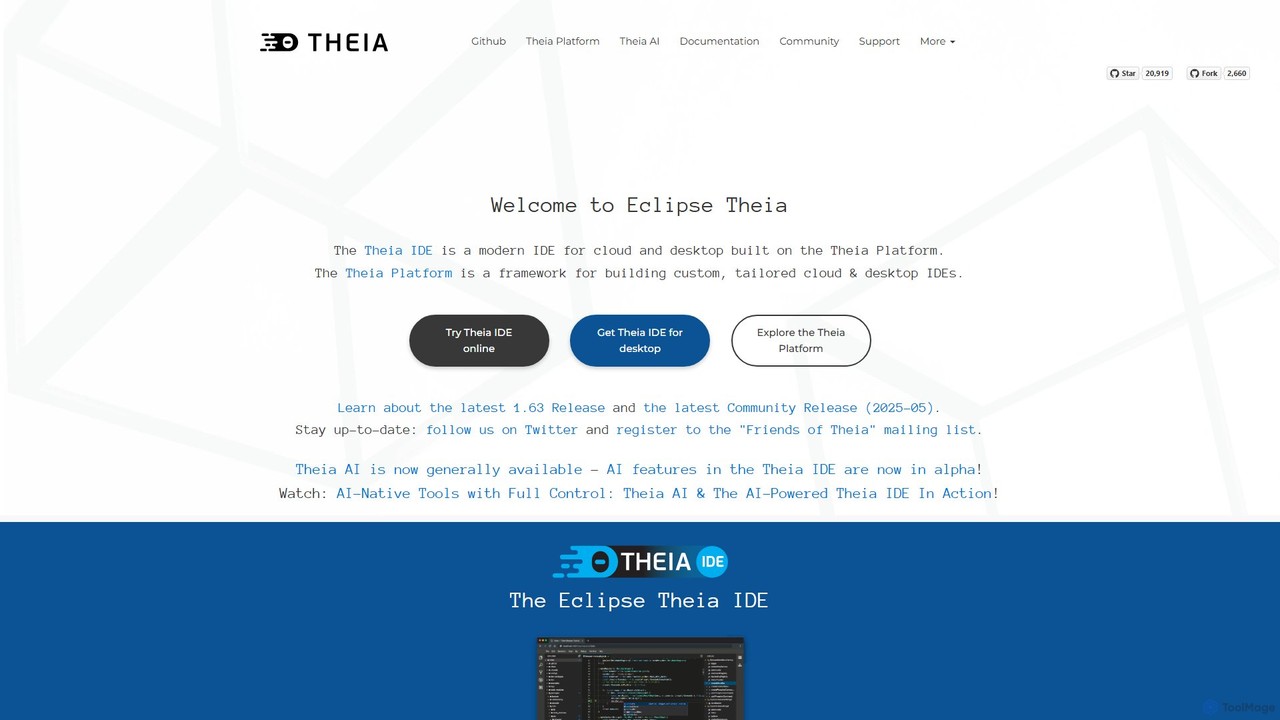
Theia IDE is a modern, open-source IDE for cloud and desktop environments. It offers a flexible, extensible platform …
Theia IDE is a modern, open-source IDE for cloud and desktop environments. It offers a flexible, extensible platform compatible with VS Code extensions and features powerful, privacy-focused AI capabilities. As a vendor-neutral alternative to VS Code, it supports numerous programming languages and allows for deep customization, making it ideal for individual developers and enterprises seeking control over their development tools.
Oomol
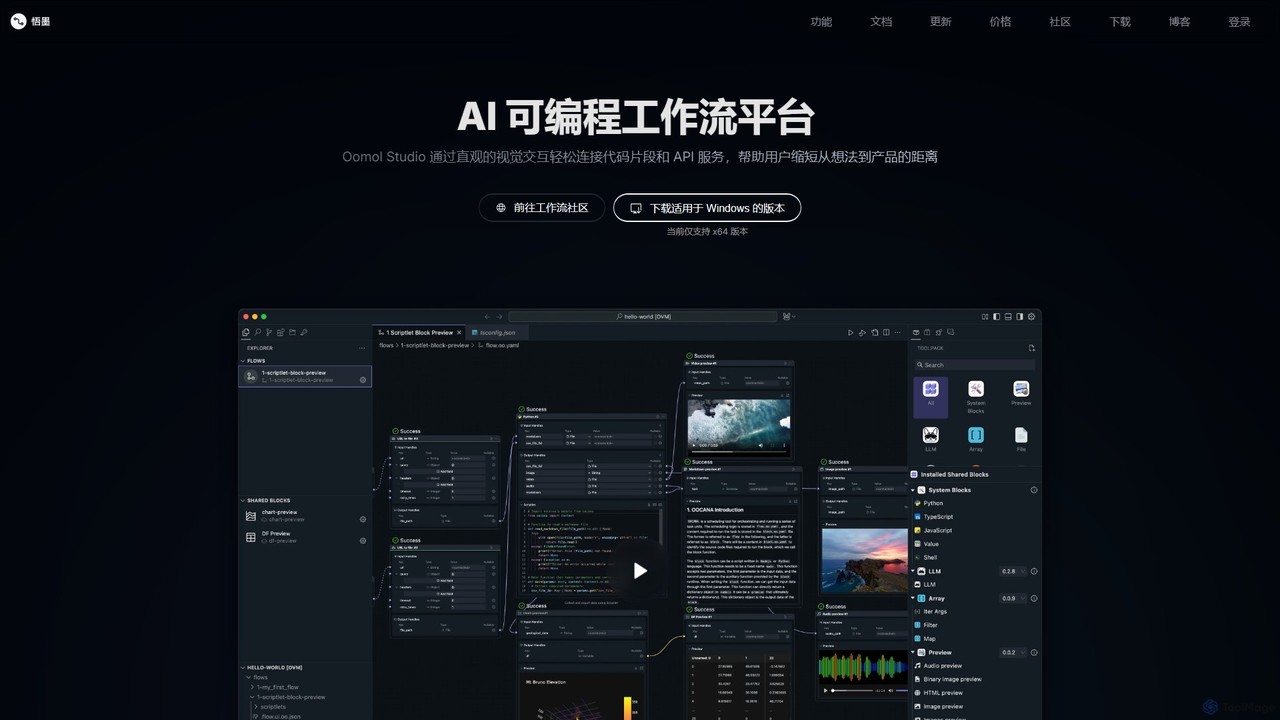
Oomol is an AI-programmable workflow platform that allows users to visually connect code snippets and APIs. It combines …
Oomol is an AI-programmable workflow platform that allows users to visually connect code snippets and APIs. It combines a drag-and-drop interface with a professional code editor, enabling rapid development and automation of tasks in data science, multimedia processing, and more, all within a unified, containerized environment.
Opera Neon
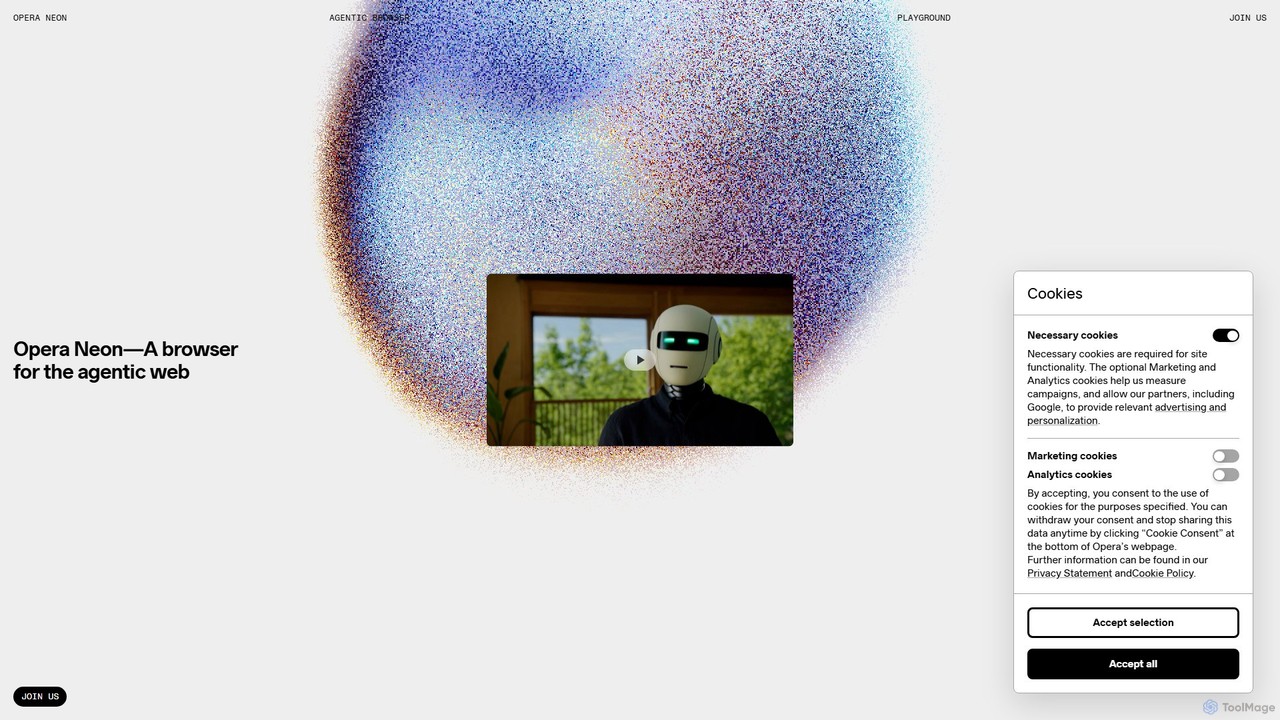
Opera Neon is a next-generation agentic AI browser designed to understand user intent, automate complex tasks, and create …
Opera Neon is a next-generation agentic AI browser designed to understand user intent, automate complex tasks, and create digital content. It integrates AI chat, task automation, and creative generation into a single, seamless browsing experience, acting as a proactive digital assistant.
About Low Code No Code
Low Code No Code (LCNC) platforms are a category of developer tools that enable users to build applications and automate processes with minimal or no traditional programming. These tools leverage visual interfaces, drag-and-drop functionality, and pre-built components, significantly accelerating development cycles. LCNC empowers both professional developers and citizen developers to create custom software solutions, enhancing agility and reducing reliance on extensive coding expertise.
Core Features
- Visual Development Interface: Provides intuitive drag-and-drop editors for designing user interfaces and application logic.
- Pre-built Components & Templates: Offers ready-to-use modules, widgets, and templates for common functionalities and industry-specific solutions.
- Workflow Automation: Enables the creation of automated business processes and data flows without writing code.
- Data Integration: Facilitates seamless connection with various databases, APIs, and third-party services.
- Deployment & Hosting: Simplifies the process of publishing and managing applications across different environments.
Applicable Scenarios
LCNC tools are ideal for businesses seeking rapid digital transformation, allowing them to quickly respond to market changes and internal needs. They are widely adopted for automating repetitive tasks, building custom internal tools, and developing customer-facing applications. From small startups to large enterprises, LCNC accelerates innovation across various departments.
How to Choose
When selecting an LCNC platform, consider its scalability for future growth, the breadth of its integration ecosystem with existing systems, and the level of customization it allows. Evaluate the learning curve for your team, the vendor's support and community, and the overall pricing model, including licensing and deployment costs, to ensure it aligns with your project's complexity and budget.
Low Code No CodeUse Cases
Automating Internal Business Processes
An HR manager needs to streamline the employee onboarding process, which involves multiple forms, approvals, and system updates. Using an LCNC platform, they can visually design a workflow that automatically sends welcome emails, triggers IT provisioning requests, collects necessary documents, and updates employee records across different systems, reducing manual effort and errors.
Developing Custom Departmental Applications
A marketing team requires a simple project tracking tool tailored to their specific campaign stages and reporting needs, which off-the-shelf solutions don't fully meet. With an LCNC tool, a citizen developer within the team can quickly build a custom application with drag-and-drop components, enabling them to manage tasks, track progress, and generate reports without relying on IT resources.
Creating Customer Self-Service Portals
A small e-commerce business wants to offer customers a portal to track orders, manage subscriptions, and access FAQs without overwhelming their support team. An LCNC platform allows them to rapidly develop a secure, user-friendly web portal with pre-built components for user authentication, order display, and knowledge base integration, significantly improving customer experience.
Rapid Prototyping and MVP Development
A startup founder has an innovative app idea but needs to validate it quickly with potential users before investing heavily in full-stack development. Leveraging an LCNC platform, they can build a functional Minimum Viable Product (MVP) or prototype in days or weeks, allowing them to gather early feedback, iterate rapidly, and secure funding with a tangible product.
Building Data Collection and Reporting Tools
A field sales team needs a mobile application to efficiently collect customer feedback and sales data during visits, which then feeds into a central dashboard. An LCNC tool enables the creation of custom mobile forms with offline capabilities and automated data synchronization, providing real-time insights for management and eliminating manual data entry.
Integrating Disparate SaaS Applications
An operations team uses several SaaS tools (e.g., CRM, ERP, project management) that don't natively communicate, leading to data silos and manual data transfer. An LCNC integration platform allows them to visually connect these applications, creating automated data flows and synchronizations between them, ensuring data consistency and eliminating repetitive tasks without custom API coding.