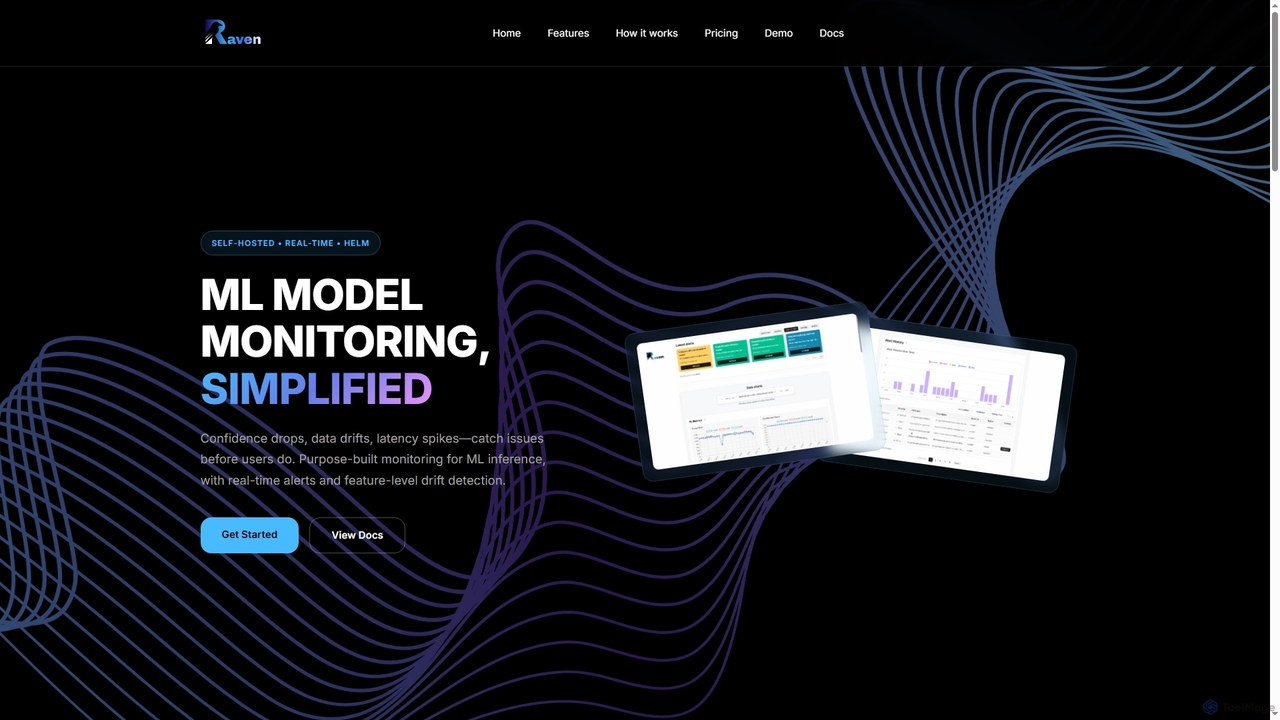
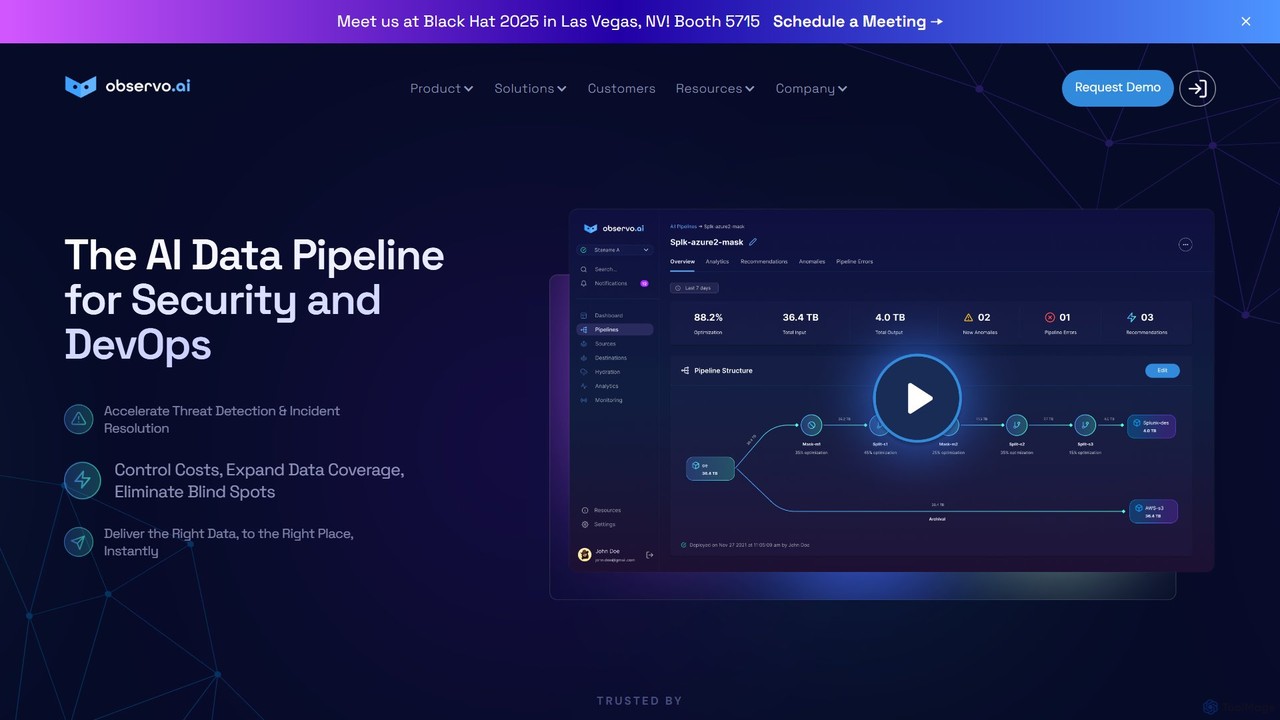
Observability AI tools are advanced platforms that leverage artificial intelligence and machine learning to provide deep insights into the internal state of complex software systems, infrastructure, and AI models. These tools automate the collection, correlation, and analysis of telemetry data—logs, metrics, and traces—from distributed environments. By transforming raw data into actionable intelligence, they enable engineering and operations teams to proactively identify performance bottlenecks, diagnose issues, and predict potential failures, ensuring system reliability and optimal user experience within a DevOps framework.
Core Features
- Automated Telemetry Collection: Gathers logs, metrics, and traces from diverse sources across hybrid and multi-cloud environments.
- AI-Powered Anomaly Detection: Automatically identifies unusual patterns and deviations from normal system behavior, reducing alert fatigue.
- Distributed Tracing & Root Cause Analysis: Visualizes end-to-end transaction flows and correlates events to quickly pinpoint the origin of performance issues.
- Predictive Analytics: Uses machine learning to forecast future system performance and potential outages based on historical data.
- Intelligent Alerting & Incident Management: Generates context-rich alerts and integrates with incident response workflows for faster resolution.
Use Cases
DevOps teams and site reliability engineers (SREs) utilize Observability AI tools to maintain high availability and performance of critical applications. They are essential for monitoring microservices architectures, serverless functions, and containerized deployments, providing a unified view of system health. These tools also help in optimizing resource utilization and ensuring compliance in highly regulated industries.
How to Choose
When selecting an Observability AI tool, consider its data ingestion capabilities across your technology stack, the sophistication of its AI/ML algorithms for anomaly detection and root cause analysis, and its integration with existing DevOps tools and workflows. Evaluate its scalability to handle growing data volumes, the clarity of its visualization dashboards, and its pricing model based on data consumption or monitored entities. Look for robust security features and compliance certifications.