E Commerce Best in category 1 results Compliance AI Tool

Popular AI tools in the Compliance field of E Commerce include Kintsugi, etc., helping you quickly improve efficiency.

Kintsugi

Kintsugi

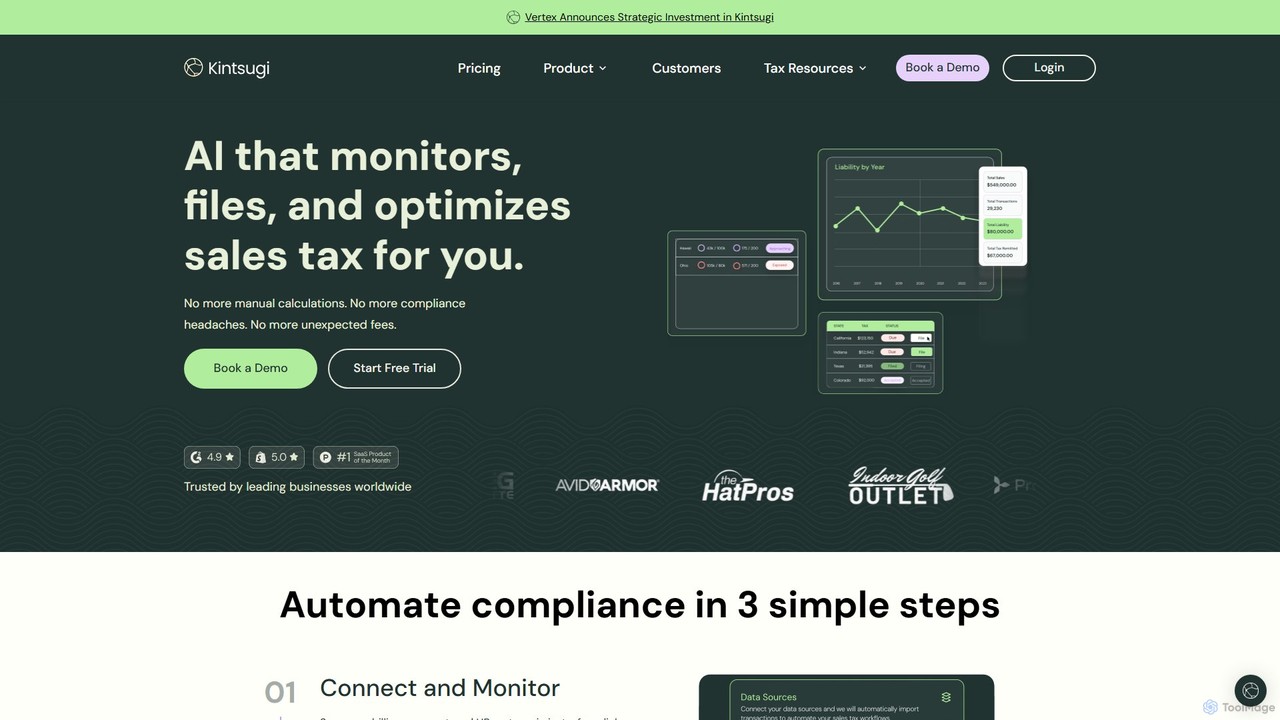
Kintsugi is an AI-powered platform that automates global sales tax compliance. It monitors transactions, manages nexus tracking, calculates …

48.6K

About Compliance

Compliance AI tools are a category of specialized solutions that leverage artificial intelligence to help e-commerce businesses adhere to complex legal, ethical, and industry regulations. These tools automate the monitoring, identification, and mitigation of compliance risks, ensuring operations remain lawful and trustworthy. Within the dynamic e-commerce landscape, they are crucial for navigating data privacy laws, consumer protection acts, and financial regulations, thereby safeguarding brand reputation and avoiding costly penalties.

Core Features

  • Automated Regulatory Monitoring: Continuously tracks changes in global and local e-commerce regulations.
  • Data Privacy Management: Ensures adherence to GDPR, CCPA, and other data protection laws for customer information.
  • Fraud Detection & Prevention: Identifies suspicious transactions, account activities, and potential payment fraud patterns.
  • Content & Product Compliance: Scans product listings, descriptions, and user-generated content for prohibited items or misleading claims.
  • Accessibility Auditing: Evaluates e-commerce platforms for compliance with web accessibility standards (e.g., WCAG).

Applicable Scenarios

E-commerce platforms handling international sales utilize these tools to manage diverse regional data privacy laws and product safety standards. Online retailers processing high volumes of transactions deploy AI compliance for real-time fraud detection and anti-money laundering (AML) checks. Digital marketplaces use them to ensure seller listings and user reviews comply with platform policies and legal requirements.

How to Choose

When selecting Compliance AI tools, prioritize solutions with comprehensive regulatory coverage relevant to your markets, robust data privacy features, and proven fraud detection capabilities. Evaluate their integration ease with existing e-commerce platforms and payment gateways. Consider the level of automation offered, the accuracy of risk identification, and the clarity of compliance reporting. Scalability and support for evolving regulations are also crucial for long-term effectiveness.

ComplianceUse Cases

1

Automating GDPR and CCPA Data Subject Requests

E-commerce data privacy officers use AI tools to automatically identify, retrieve, and redact customer data in response to data access or deletion requests, significantly reducing manual effort and ensuring timely compliance with privacy regulations like GDPR and CCPA.

2

Real-time Fraud Detection in Online Transactions

Payment processing teams in large e-commerce companies deploy AI compliance systems to analyze transaction patterns, user behavior, and device fingerprints in real-time. This proactively identifies and flags fraudulent purchases, minimizing chargebacks and financial losses while maintaining a smooth customer experience.

3

Ensuring Product Listing Compliance and Safety

E-commerce merchandisers and legal teams leverage AI to scan product descriptions, images, and ingredients against regulatory databases and internal policies. This ensures products comply with safety standards, advertising laws, and intellectual property rights, preventing the sale of prohibited or misleading items.

4

Monitoring User-Generated Content for Policy Violations

Online marketplaces and social commerce platforms utilize AI to moderate user reviews, comments, and forum posts. The AI automatically detects and flags content that violates community guidelines, contains hate speech, or promotes illegal activities, maintaining a safe and trustworthy environment for all users.

5

Automating Tax and Customs Duty Calculations for Cross-Border Sales

E-commerce businesses engaged in international shipping use AI compliance tools to automatically calculate applicable sales taxes, VAT, and customs duties based on the customer's location and product category. This ensures accurate pricing, avoids customs delays, and maintains compliance with global trade regulations.

6

Auditing Website Accessibility for WCAG Standards

E-commerce development and marketing teams employ AI-powered accessibility tools to continuously scan their websites for compliance with Web Content Accessibility Guidelines (WCAG). This identifies issues like missing alt text, insufficient color contrast, or keyboard navigation problems, ensuring the site is usable for individuals with disabilities and avoiding potential legal challenges.

ComplianceFrequently Asked Questions