Jointhera
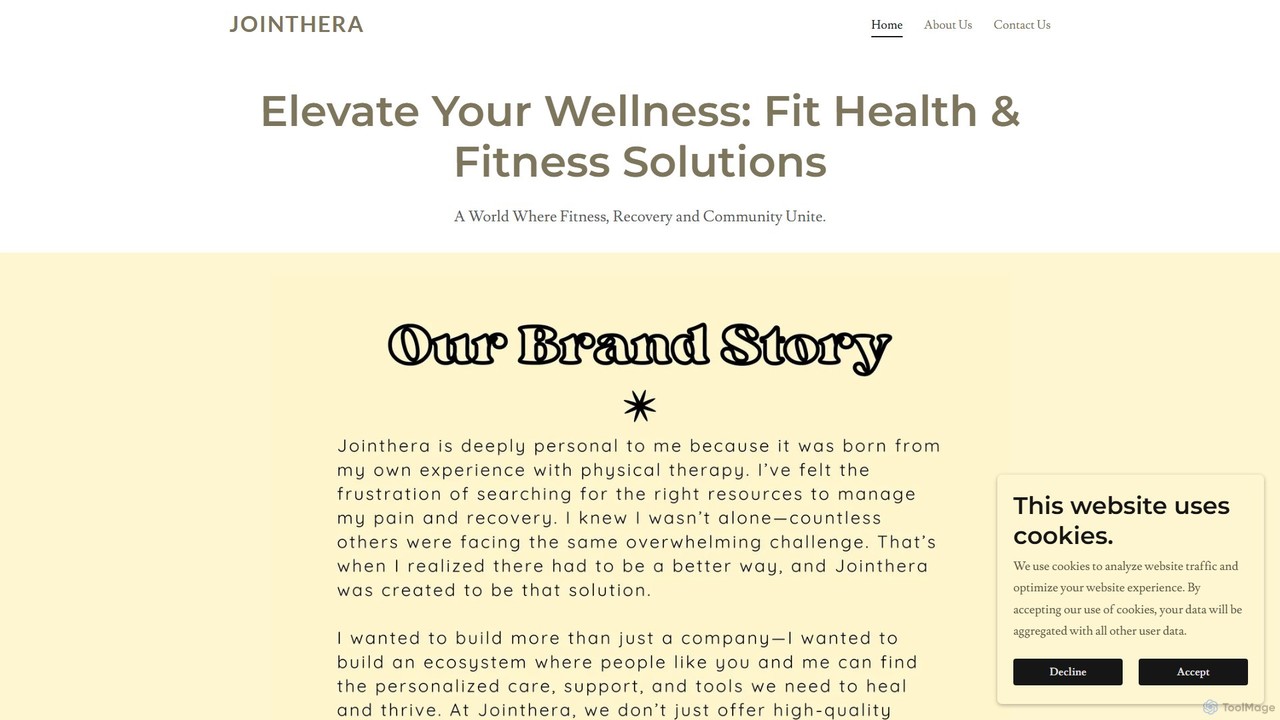
Jointhera is a comprehensive wellness platform that integrates high-quality physical therapy products with an AI-powered online community. It …
Jointhera is a comprehensive wellness platform that integrates high-quality physical therapy products with an AI-powered online community. It connects users with expert physical therapists, provides personalized recovery and fitness plans, and fosters a supportive environment for individuals on their health journey. The platform aims to unite fitness, recovery, and community through a holistic approach.
About Health Products
AI Health Products tools are a specialized category of e-commerce software designed to optimize the marketing, sales, and compliance of wellness and health-related items. These tools leverage artificial intelligence to analyze health-specific data, generate compliant content, and create personalized customer experiences. They help online health stores navigate complex regulations, build customer trust, and increase conversion rates in a highly sensitive market. This focus on compliance and domain-specific knowledge distinguishes them from general e-commerce AI platforms.
Core Features
- Compliance Checking: Automatically scans product descriptions and marketing copy for non-compliant language or unapproved medical claims to reduce legal risks.
- Personalized Recommendations: Creates quizzes and analyzes user data to suggest supplements, vitamins, or wellness products tailored to individual health goals and preferences.
- Specialized Content Generation: Produces SEO-friendly blog posts, product descriptions, and social media content based on health and wellness topics, using appropriate terminology.
- Customer Sentiment Analysis: Analyzes customer reviews and feedback to identify trends, common concerns, or reported effects related to health products.
Use Cases
These tools are primarily used by online retailers of supplements, vitamins, organic foods, natural cosmetics, and fitness products. E-commerce managers, content marketers, and compliance officers use them to automate content creation, ensure marketing materials adhere to regulations, and personalize shopping funnels to improve customer loyalty.
How to Choose
When selecting an AI Health Products tool, evaluate its knowledge of specific regulations (e.g., FDA, EFSA). Check for seamless integration with your e-commerce platform, such as Shopify or WooCommerce. Assess the sophistication of its personalization engine and the quality of its generated content. Prioritize tools with transparent data sources and strong privacy controls.
Health ProductsUse Cases
Automated Compliance Review for Product Listings
An e-commerce manager for a supplement brand uses an AI tool to automatically scan all new and existing product descriptions before they go live. The tool cross-references the text against a database of regulatory guidelines (like FDA or EFSA) and flags potentially non-compliant phrases such as 'cures disease' or 'guaranteed weight loss'. This process reduces the risk of legal penalties and ensures that all marketing claims are presented responsibly, building consumer trust and protecting the brand's reputation.
Personalized Vitamin & Supplement Quiz Funnel
A direct-to-consumer wellness brand implements an AI-powered quiz on their website. The quiz asks customers about their lifestyle, dietary habits, and health goals (e.g., 'improve sleep', 'boost energy'). Based on the answers, the AI engine analyzes the data and instantly recommends a personalized bundle of vitamins and supplements. This not only enhances the user experience by providing tailored advice but also significantly increases the average order value compared to standard product browsing.
Generating SEO-Optimized Content for Niche Health Topics
A content marketer for an online organic food store needs to attract traffic from users interested in specific diets. They use an AI content generation tool specialized in health topics. By providing a keyword like 'benefits of a gluten-free diet', the tool generates a scientifically-informed and SEO-optimized blog post. The AI ensures the content avoids making unproven medical claims while using relevant long-tail keywords, helping the store rank higher in search results and attract a targeted audience.
Customer Support Chatbot for Ingredient Inquiries
An online natural cosmetics store implements an AI chatbot on its product pages. The chatbot is trained on the store's entire product database, including detailed ingredient lists and sourcing information. When a customer asks, 'Is this face cream vegan and nut-free?', the chatbot instantly scans the product's data and provides an accurate answer. This frees up human support agents from repetitive questions and provides immediate, 24/7 assistance to customers with specific dietary or allergy concerns, improving conversion rates.
Analyzing Customer Reviews for Product Development Insights
A product manager for a wellness tea company uses an AI sentiment analysis tool to process thousands of customer reviews. The tool categorizes feedback into themes like 'taste', 'packaging', and 'effects'. It identifies a recurring sentiment where customers love the 'calming effects' of a specific tea but frequently mention a 'bitter aftertaste'. This data-driven insight directly informs the product development team, who can now work on reformulating the blend to improve its flavor profile without compromising its benefits, leading to higher customer satisfaction.
Targeted Email Marketing for Specific Health Goals
An email marketer for a fitness supplement store segments their audience based on data from a website quiz, such as 'muscle gain' or 'weight management'. Using an AI tool, they craft personalized email campaigns for each segment. The AI suggests relevant products (e.g., whey protein for muscle gain, low-calorie meal replacements for weight management) and helps generate educational content tailored to each goal. This targeted approach results in higher email open rates, click-through rates, and ultimately, more sales than generic, one-size-fits-all campaigns.