
ToolMage
Sign in

Best 1 Omnichannel Solutions AI tools for E Commerce

Popular Omnichannel Solutions AI tools in E Commerce include Caper, helping you work more efficiently.

Caper
Paid

Caper

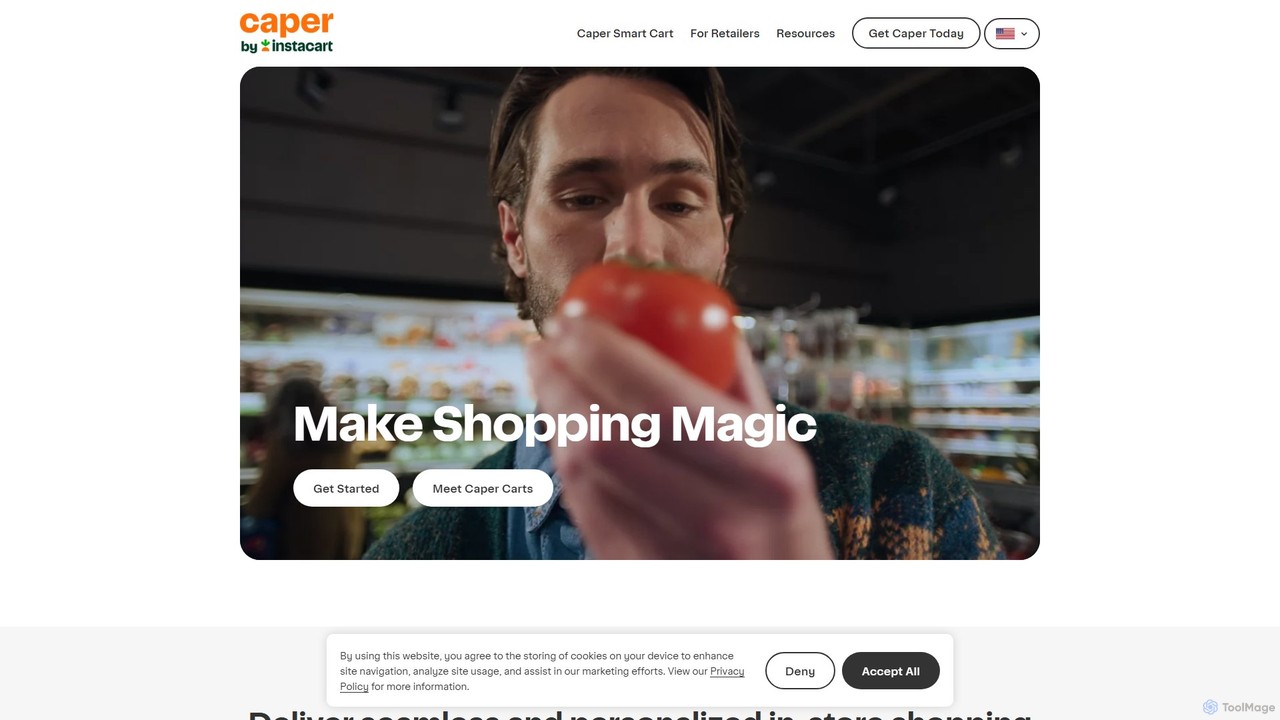
Caper, by Instacart, is an AI-powered smart shopping cart that revolutionizes the in-store retail experience. Using computer vision and sensors, it automatically detects items, allowing shoppers to skip checkout lines. The integrated screen displays promotions, helps with navigation, and provides a seamless, engaging shopping journey for customers while increasing revenue and efficiency for retailers.

Customer Behavior
Visits 18.7KFavorites 146Likes 149

About Omnichannel Solutions

Omnichannel Solutions are AI-powered platforms designed to unify customer interactions across all physical and digital touchpoints. These tools integrate data from websites, mobile apps, social media, email, and physical stores to create a single, seamless customer journey. By leveraging AI for data analysis and personalization, they deliver consistent experiences and messaging regardless of the channel a customer uses. This holistic approach helps businesses understand customer behavior deeply, increase loyalty, and drive sales.

Core Features

  • Unified Customer Profile: Consolidates data from all channels into a single 360-degree view of each customer.
  • Cross-Channel Journey Orchestration: Maps and automates customer interactions as they move between different touchpoints.
  • AI-Powered Personalization: Delivers consistent, context-aware recommendations and content across all channels.
  • Centralized Communication Hub: Manages conversations from chat, email, social media, and other channels in one unified inbox.
  • Inventory & Order Synchronization: Syncs inventory and order data between online stores and physical locations for operations like BOPIS (Buy Online, Pick-up In-Store).

Use Cases

These solutions are crucial for retail businesses aiming to bridge the gap between their online and brick-and-mortar stores. They are also widely used in banking, telecommunications, and hospitality to provide consistent service and marketing. Any business with multiple customer touchpoints can benefit from creating a cohesive and personalized experience.

How to Choose

When selecting an Omnichannel Solution, evaluate its integration capabilities with your existing systems (CRM, ERP). Assess the depth of its analytics and AI features for personalization. Ensure it supports all the channels your customers use and consider its scalability to grow with your business. Finally, examine the user interface for both marketing and customer service teams.

Omnichannel Solutions use cases

1

Create a Unified Retail Customer Experience

A retail marketing manager uses an omnichannel platform to connect online and offline shopping. When a customer adds an item to their online cart but doesn't check out, the system triggers a notification to their mobile app, offering a small discount and showing stock availability at their nearest physical store. The customer then visits the store, tries the item, and completes the purchase using a QR code from the app. The platform unifies this entire journey, providing valuable data on cross-channel conversion and customer behavior.

2

Automate Cross-Channel Marketing Campaigns

A marketing team designs a product launch campaign using an omnichannel solution. The campaign starts with an announcement email. Based on AI-driven analysis of user engagement, the system automatically segments the audience. Users who opened the email receive a follow-up with detailed features. Those who clicked a link are retargeted with personalized ads on social media. Users who didn't open the email receive an SMS reminder a few days later. This ensures a consistent message is delivered through the most effective channel for each user segment, maximizing reach and conversion.

3

Provide Context-Aware Customer Support

A customer service agent receives a call from a customer about a recent online order. Using an omnichannel platform, the agent instantly sees a unified customer profile on their screen. This profile includes the customer's recent website browsing history, past purchases, previous chat support transcripts, and social media comments. Instead of asking repetitive questions, the agent can immediately address the issue with full context, reference the specific product they were viewing, and provide a faster, more personalized resolution. This improves first-contact resolution rates and customer satisfaction.

4

Optimize 'Buy Online, Pick-up In-Store' (BOPIS) Logistics

An e-commerce operations manager uses an omnichannel system to streamline their BOPIS service. The platform provides real-time inventory synchronization between the website and all physical stores. When a customer places a BOPIS order online, the system automatically routes the order to the nearest store with available stock. It then sends automated notifications to the customer via email and SMS, updating them on the order status from 'processing' to 'ready for pickup'. This seamless integration reduces manual work, prevents stockouts, and ensures a smooth and reliable pickup experience for the customer.

5

Personalize B2B Lead Nurturing Across Channels

A B2B sales team uses an omnichannel solution to track and nurture leads. The system captures a lead's first interaction, such as downloading a whitepaper from the website. It then tracks their subsequent activities, like attending a webinar or engaging with a LinkedIn post. The AI analyzes this behavior to score the lead and suggests the next best action for the sales rep—perhaps sending a personalized follow-up email referencing the whitepaper or connecting on LinkedIn. This ensures that every interaction is timely, relevant, and moves the lead smoothly through the sales funnel.

6

Proactively Re-engage At-Risk Customers

A subscription service company uses its omnichannel platform's AI to identify customers at risk of churning. The AI analyzes cross-channel signals like decreased app usage, unanswered support emails, and a lack of recent logins. When the system flags a customer as 'at-risk,' it automatically triggers a re-engagement workflow. This might start with a personalized email asking for feedback, followed by an in-app notification offering a temporary discount or a new feature highlight. This proactive, multi-channel approach helps retain customers before they decide to cancel their service.

Omnichannel Solutions FAQ

What are AI-powered Omnichannel Solutions?

AI-powered Omnichannel Solutions are integrated platforms that use artificial intelligence to create a single, unified customer experience across all touchpoints, both online and offline. Unlike traditional tools, they centralize customer data and interactions from channels like websites, mobile apps, physical stores, and social media. The AI component analyzes this unified data to enable deep personalization, predict customer behavior, and automate communications, ensuring every interaction is consistent and context-aware.

What is the main difference between Omnichannel and Multichannel?

The main difference lies in integration and customer focus. Multichannel means a business uses multiple channels to interact with customers, but these channels often operate in silos (e.g., the website team doesn't share data with the retail store team). Omnichannel integrates all these channels seamlessly. The focus shifts from the company's channels to the customer's experience, ensuring a consistent and continuous journey as they move between channels. An omnichannel strategy is customer-centric, while a multichannel one is channel-centric.

How do I choose the right Omnichannel Solution?

Choosing the right solution depends on your specific business needs. Consider the following factors:

  • Channel Support: Does the platform support all the channels your customers use (e.g., social media, SMS, in-store, web, app)?
  • Integration Capabilities: Can it easily integrate with your existing technology stack, such as your CRM, ERP, and e-commerce platform?
  • Data & Analytics: How robust are its AI-powered analytics? Can it provide a true 360-degree customer view and actionable insights?
  • Scalability: Will the solution be able to grow with your business as you add more channels, products, or customers?
  • Ease of Use: Is the platform intuitive for your marketing, sales, and support teams to use effectively?
What are the key benefits of using an Omnichannel Solution?

Implementing an omnichannel solution offers significant benefits. It leads to higher customer satisfaction and loyalty by providing a seamless, personalized experience. Businesses gain a complete 360-degree view of their customers, enabling more effective marketing and sales strategies. Operationally, it improves efficiency by unifying data, streamlining communication, and automating workflows across departments. Ultimately, this cohesive approach often results in increased conversion rates and higher customer lifetime value.

Which businesses benefit most from Omnichannel Solutions?

Businesses with both a physical and digital presence, such as retail, benefit the most as these solutions bridge the online-offline gap. However, any B2C or B2B company that interacts with customers across multiple touchpoints can see significant value. This includes industries like banking (unifying branch, web, and app experiences), hospitality (managing bookings and communication across channels), and telecommunications (providing consistent sales and support everywhere). Essentially, if your customer's journey is not confined to a single channel, an omnichannel solution is beneficial.