ToolMage
Sign in

Best 2 Order Management AI tools for E Commerce

Popular Order Management AI tools in E Commerce include Voxket and Circulos, helping you work more efficiently.

Voxket

Voxket

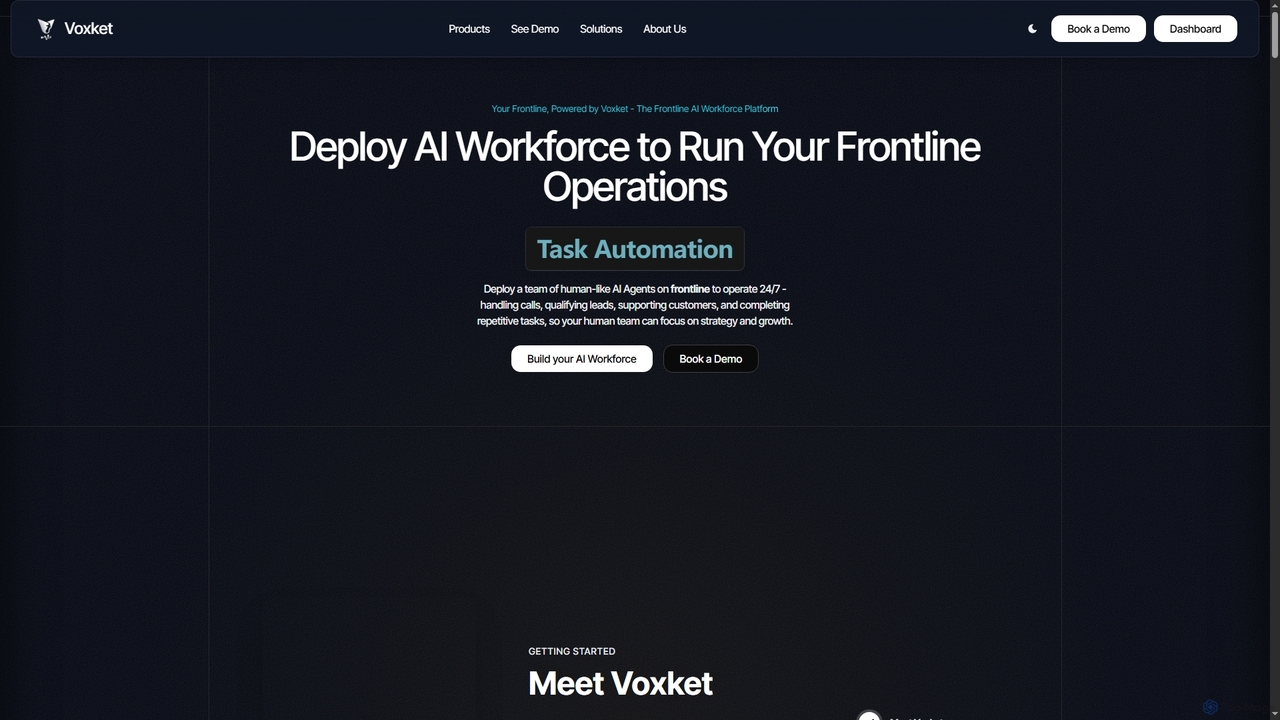
Voxket is a frontline AI workforce platform that enables businesses to deploy human-like AI agents for 24/7 operations. It automates customer support, lead qualification, and repetitive tasks across voice, chat, IVR, and video, allowing human teams to focus on strategic growth.

Voice Assistants
Visits 9.1KFavorites 123Likes 126
Circulos
Paid

Circulos

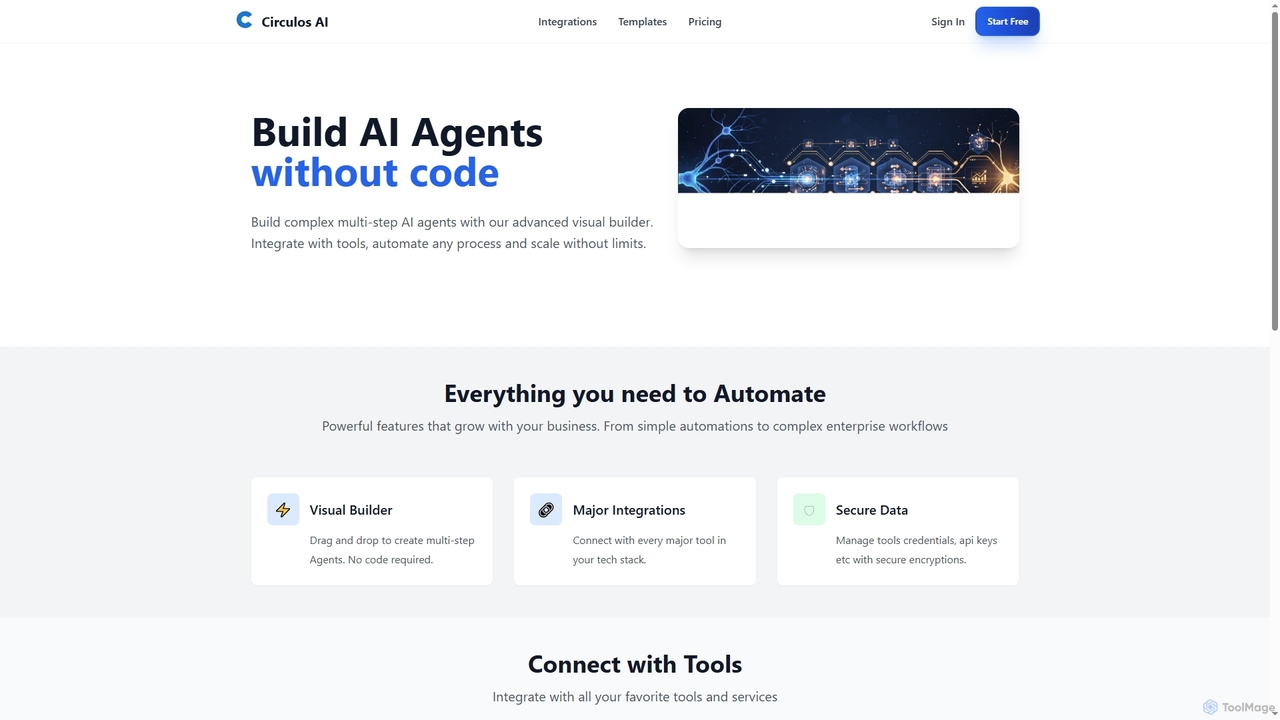
Circulos is a no-code AI automation platform that empowers businesses to build complex, multi-step AI agents using an intuitive visual builder. It integrates with over 100 popular tools, automates diverse workflows, and offers scalable solutions for various business needs, from lead qualification to social media publishing.

Ai Automation
Visits 5.4KFavorites 131Likes 139

About Order Management

Order Management tools are AI-powered solutions designed to automate and optimize the entire lifecycle of customer orders within e-commerce operations. Leveraging advanced algorithms, these tools streamline processes from order placement and processing to fulfillment, shipping, and post-purchase support. They significantly enhance operational efficiency, reduce manual errors, and improve customer satisfaction by ensuring accurate and timely order delivery.

Core Features

  • Automated Order Processing: Automatically captures, validates, and processes incoming orders from various sales channels.
  • Real-time Inventory Sync: Maintains accurate, up-to-the-minute inventory levels across all platforms to prevent overselling or stockouts.
  • Intelligent Fraud Detection: Uses AI to identify and flag suspicious orders, minimizing financial risks and chargebacks.
  • Optimized Fulfillment & Shipping: Suggests the most efficient fulfillment locations and shipping methods based on cost, speed, and inventory availability.
  • Returns & Exchanges Management: Streamlines the processing of returns, refunds, and exchanges, improving post-purchase customer experience.

Use Cases

These tools are essential for e-commerce businesses of all sizes, from small online shops managing daily sales to large enterprises handling complex multi-channel operations. They are particularly valuable for businesses experiencing high order volumes, operating across multiple sales platforms, or seeking to enhance their supply chain efficiency and customer service.

How to Choose

When selecting an AI Order Management tool, consider its integration capabilities with your existing e-commerce platforms and ERP systems, the level of automation offered for various order stages, and its scalability to handle future growth. Evaluate its reporting and analytics features for actionable insights, as well as its ability to customize workflows to fit your specific business needs.

Order Management use cases

1

Automating E-commerce Order Processing

For online retailers, AI Order Management tools automate the capture, validation, and routing of orders from websites, marketplaces, and social media. This eliminates manual data entry, reduces processing time, and minimizes errors, allowing staff to focus on strategic tasks rather than repetitive administrative work. It ensures orders are quickly moved to fulfillment, improving delivery speed and customer satisfaction.

2

Real-time Inventory Synchronization Across Channels

Businesses selling across multiple platforms (e.g., Shopify, Amazon, eBay) use these tools to maintain a single, accurate view of inventory. AI automatically updates stock levels in real-time after each sale or return, preventing overselling and stockouts. This ensures customers always see correct product availability, enhancing trust and operational efficiency.

3

Intelligent Fraud Detection for Secure Transactions

E-commerce managers leverage AI Order Management to proactively identify and flag potentially fraudulent orders. The AI analyzes various data points like IP addresses, shipping addresses, order value, and purchase history to detect suspicious patterns. This helps prevent financial losses from chargebacks and protects the business from fraudulent activities without delaying legitimate orders.

4

Optimizing Fulfillment and Shipping Logistics

Logistics teams utilize AI to determine the most efficient fulfillment location and shipping carrier for each order. Based on inventory availability, customer location, shipping costs, and delivery speed requirements, the AI suggests optimal routes and methods. This reduces shipping expenses, accelerates delivery times, and improves overall supply chain performance.

5

Streamlining Returns and Exchange Workflows

Customer service departments use AI Order Management to simplify the complex process of returns and exchanges. The tools automate the generation of return labels, track return shipments, and initiate refunds or exchanges once items are received and inspected. This creates a smoother, faster experience for customers, enhancing post-purchase loyalty.

6

Consolidating Multi-channel Orders for Unified View

Brands operating across numerous online and offline sales channels benefit from AI Order Management by aggregating all orders into a single, centralized dashboard. This unified view provides comprehensive insights into sales performance, inventory status, and customer behavior across the entire business, enabling better strategic decision-making and operational control.

Order Management FAQ

What is AI-powered Order Management?

AI-powered Order Management refers to the use of artificial intelligence technologies to automate, optimize, and streamline the processes involved in handling customer orders, from placement to delivery and post-purchase support. It goes beyond traditional systems by using machine learning to predict trends, detect anomalies like fraud, and make intelligent decisions to enhance efficiency and customer satisfaction.

How does AI enhance order management in e-commerce?

AI significantly enhances e-commerce order management by automating repetitive tasks, improving accuracy, and providing predictive insights. It can process orders faster, synchronize inventory in real-time, detect fraudulent transactions, optimize shipping routes, and personalize fulfillment. This leads to reduced operational costs, fewer errors, quicker deliveries, and a superior customer experience.

What features should I look for in an AI order management system?

When choosing an AI order management system, prioritize features like automated order capture and processing, real-time inventory synchronization across all sales channels, and robust fraud detection capabilities. Look for advanced analytics and reporting, integration with your existing e-commerce platforms and ERP, and customizable workflow automation to adapt to your specific business needs and scale.

How does AI order management differ from traditional ERP systems?

While traditional ERP systems manage various business functions including orders, AI order management specifically leverages artificial intelligence to bring a layer of intelligence and automation that ERPs typically lack. AI systems can learn from data, predict outcomes (e.g., demand, fraud risk), and dynamically optimize processes, offering more proactive and adaptive management compared to the rule-based, reactive nature of many traditional ERP order modules.

Can AI order management help with fraud detection?

Yes, AI order management tools are highly effective in fraud detection. They use machine learning algorithms to analyze vast amounts of transactional data, identifying patterns and anomalies that indicate potential fraud, such as unusual order sizes, suspicious shipping addresses, or rapid successive purchases. This proactive approach helps businesses prevent financial losses and protect their reputation by blocking fraudulent orders before they are fulfilled.