E Commerce Best in category 2 results Pricing Optimization AI Tool

Popular AI tools in the Pricing Optimization field of E Commerce include Rodus、OptiPrice, etc., helping you quickly improve efficiency.

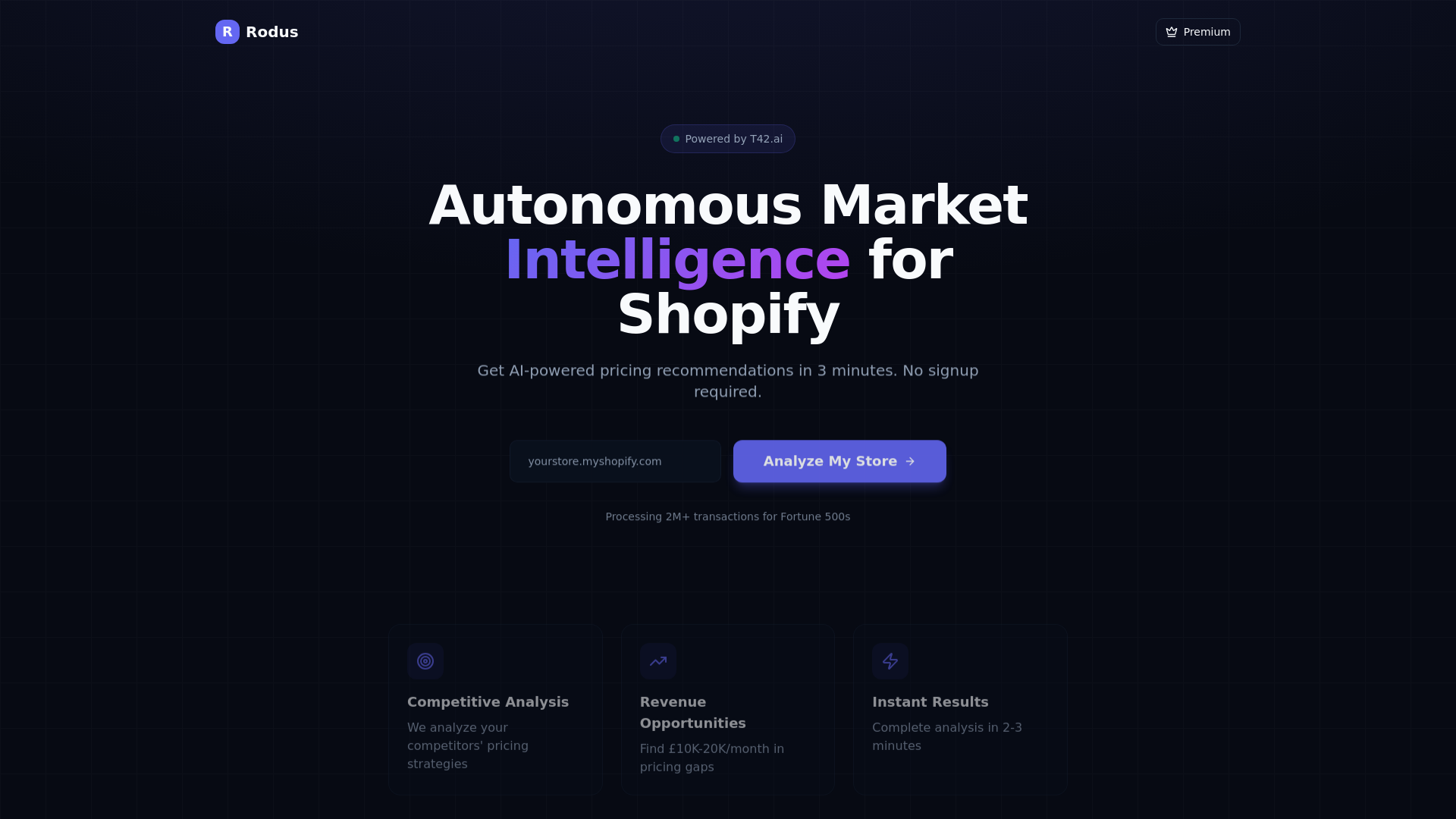
Rodus

Rodus

Rodus is an autonomous AI-powered pricing intelligence tool designed for Shopify stores. It provides rapid, data-driven recommendations to …

2.5K
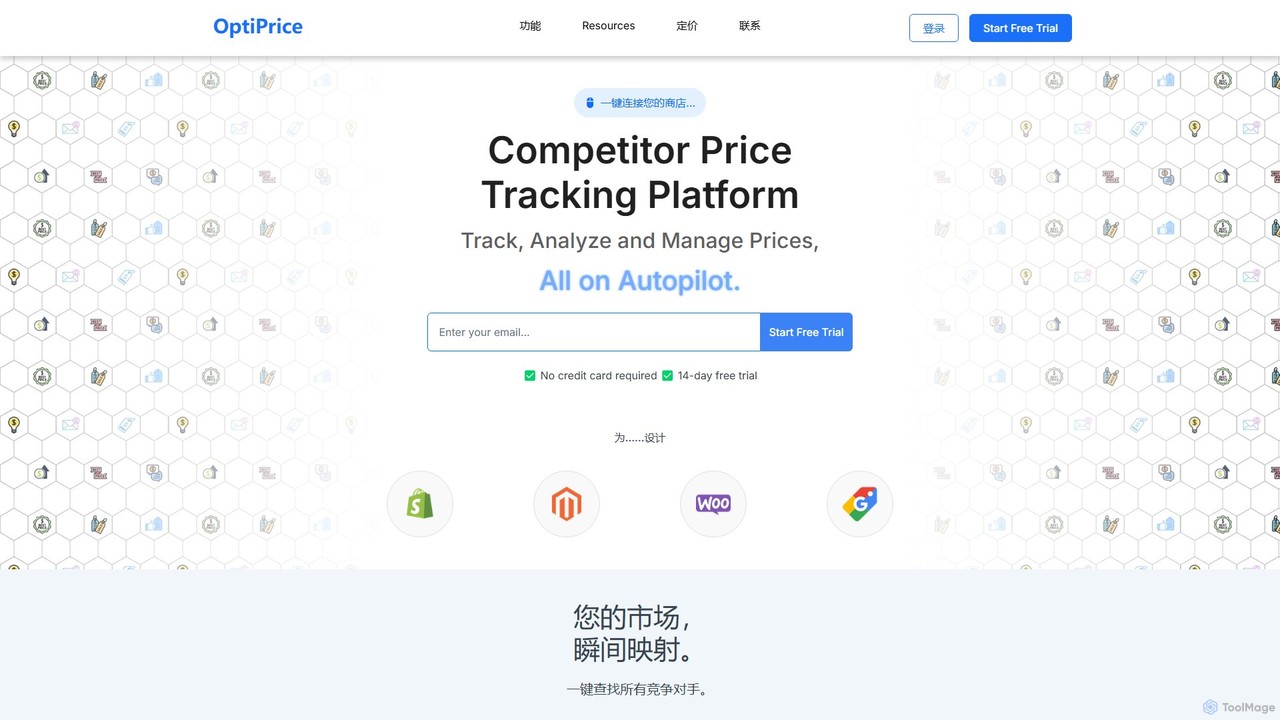
OptiPrice

OptiPrice

OptiPrice is an automated competitor price tracking platform for e-commerce businesses. It helps you monitor, analyze, and manage …

2.4K

About Pricing Optimization

Pricing Optimization tools are AI-powered platforms designed to determine the most effective pricing strategies for products and services. By analyzing vast datasets including competitor pricing, market demand, customer behavior, and inventory levels, these tools use machine learning algorithms to recommend or automatically set optimal prices. The primary goal is to maximize key business metrics such as revenue, profit margins, and conversion rates within the e-commerce landscape. They enable businesses to move from static or rule-based pricing to a more dynamic, data-driven approach.

Core Features

  • Dynamic Pricing Engine: Automatically adjusts prices in real-time based on market conditions, demand, and competitor actions.
  • Competitor Price Monitoring: Continuously tracks and analyzes pricing data from competitors across multiple channels.
  • Demand Forecasting: Utilizes historical data and market signals to predict future product demand at various price points.
  • Price Elasticity Analysis: Calculates how changes in price are likely to affect customer demand and overall sales volume.
  • Promotion Optimization: Recommends the most effective discount types, timing, and depth for promotional campaigns.

Use Cases

These tools are crucial for businesses in highly competitive and dynamic markets. E-commerce retailers, online travel agencies, SaaS companies, and hospitality providers use them to stay competitive and react swiftly to market changes. Roles such as pricing managers, revenue managers, and e-commerce directors rely on these platforms for strategic decision-making.

How to Choose

When selecting a Pricing Optimization tool, consider its integration capabilities with your existing e-commerce platform (e.g., Shopify, Magento) and ERP systems. Evaluate the sophistication of its AI models and the transparency of its recommendations. Also, assess its ability to handle your product catalog size (SKU count) and the level of customization allowed for setting pricing rules and business constraints.

Pricing OptimizationUse Cases

1

Dynamic Pricing for E-commerce Flash Sales

An e-commerce manager for an electronics store is planning a 24-hour flash sale. Instead of a fixed discount, they use a pricing optimization tool. The AI monitors real-time traffic, conversion rates, competitor stock, and social media mentions. It automatically adjusts the prices of popular items by small increments throughout the day, raising them slightly during peak demand and lowering them during lulls to stimulate sales. This strategy maximizes total revenue and profit margin, ensuring products are sold at the highest possible price the market will bear at any given moment.

2

Competitor-Based Pricing for Online Retail

A pricing analyst for a large online retailer needs to ensure their 10,000+ products are competitively priced. Manually tracking competitors is impossible. They deploy a pricing optimization tool that scrapes competitor websites and marketplaces 24/7. The system automatically identifies identical products (using SKUs or product attributes) and compares prices. Based on pre-set rules like 'always be 1% cheaper than Competitor A' or 'maintain a minimum 20% margin', the tool suggests price adjustments, which the analyst can approve in batches. This automates a critical but time-consuming task, improving market position.

3

Optimizing SaaS Subscription Tiers

A SaaS company wants to optimize its three-tiered subscription model (Basic, Pro, Enterprise). A pricing optimization tool analyzes user behavior data, feature usage, and customer lifetime value for each tier. The AI identifies that a key feature in the 'Pro' plan is a major driver for upgrades but is underpriced. It recommends a 15% price increase for the 'Pro' plan and suggests bundling a less-used feature into the 'Basic' plan to increase its perceived value. This data-driven approach helps the company structure its plans to maximize both user acquisition and revenue per customer.

4

Demand-Based Pricing for Hotel Rooms

A revenue manager for a hotel chain uses a pricing tool to set room rates. The system analyzes historical booking patterns, local events (like concerts or conferences), flight schedules, weather forecasts, and competitor rates. For an upcoming holiday weekend, the AI forecasts a surge in demand. It recommends a gradual price increase as the date approaches, while also suggesting a 'book early & save' promotion to secure initial bookings. This is more effective than a single, static high price, as it captures different customer segments and maximizes overall occupancy and revenue.

5

Personalized Promotions to Reduce Cart Abandonment

A fashion e-commerce site struggles with a high cart abandonment rate. They integrate a pricing optimization tool with their marketing automation platform. When a logged-in user with a history of purchases abandons a cart, the system analyzes their price sensitivity based on past behavior. Instead of a generic '10% off' coupon, it might generate a personalized, time-sensitive offer, such as 'free shipping on this order' for a price-conscious shopper, or '15% off a future purchase' for a loyal customer. This tailored approach significantly increases the recovery rate of abandoned carts.

6

Markdown Optimization for Seasonal Inventory

An inventory manager for a fashion retailer needs to clear out end-of-season stock. Instead of applying a blanket 50% discount, they use an AI tool. The tool analyzes sales velocity, current stock levels per size/color, and demand forecasts for each specific item. It then recommends a dynamic markdown strategy: a small initial discount (e.g., 20%) on popular items that will likely sell anyway, and a deeper discount (e.g., 60%) on slow-moving items. This preserves margin on desirable products while efficiently clearing unwanted stock, improving overall profitability of the clearance sale.

Pricing OptimizationFrequently Asked Questions