ToolMage
Sign in

Best 2 Product Recommendation AI tools for E Commerce

Popular Product Recommendation AI tools in E Commerce include Advent AI and Room Genius, helping you work more efficiently.

Advent AI

Advent AI

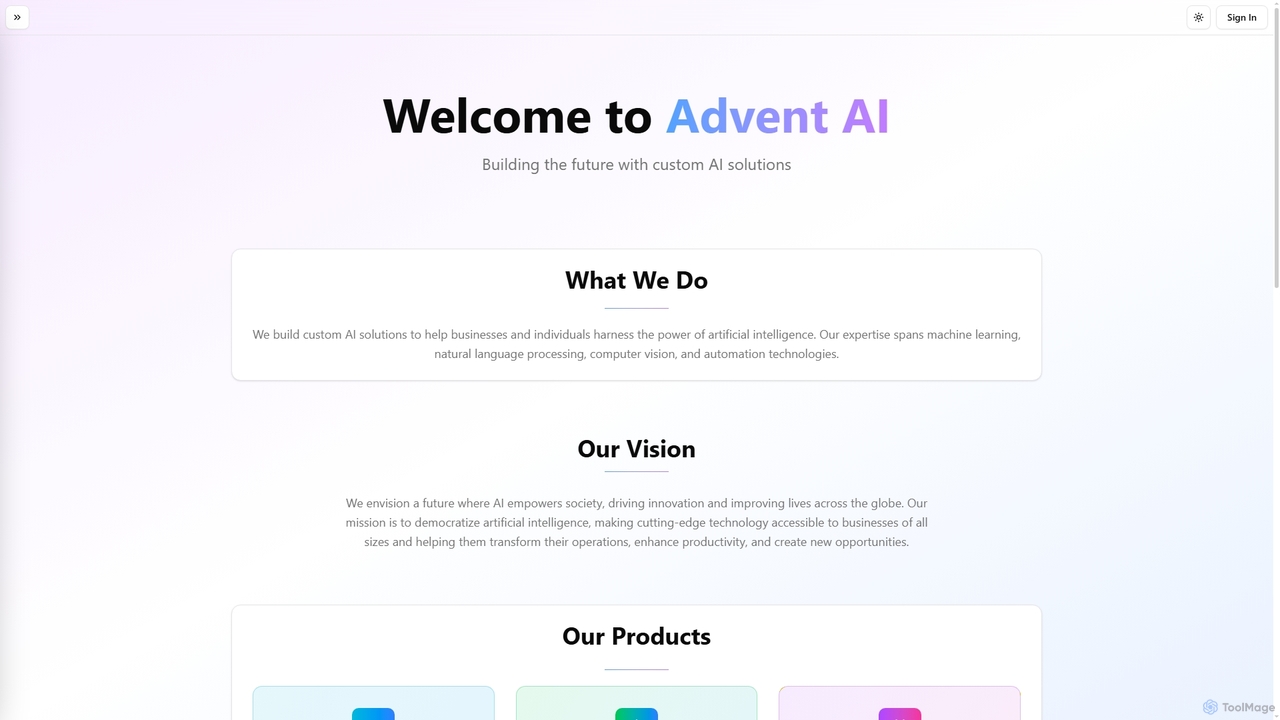
Advent AI specializes in building custom artificial intelligence solutions for businesses and individuals, leveraging expertise in machine learning, natural language processing, computer vision, and automation technologies. Their offerings include AI agents for customer support, tax optimization tools, and personalized fashion recommendations.

Custom Ai Solutions
Visits 6.8KFavorites 29Likes 42
Room Genius
Freemium

Room Genius

Room Genius is an AI-powered interior designer that transforms photos of your room into stunning, redesigned spaces. It provides personalized design recommendations based on your text prompts and offers a unique 'Shop the Look' feature with curated product links from Amazon, bridging the gap between inspiration and reality.

Interior Design
Visits 5.5KFavorites 129Likes 142

About Product Recommendation

Product Recommendation tools are AI-powered solutions designed to personalize the shopping experience by suggesting relevant products to individual customers. These tools leverage advanced machine learning algorithms, including collaborative filtering, content-based filtering, and hybrid models, to analyze vast datasets such as user browsing history, purchase patterns, demographic information, and product attributes. Their primary goal within the broader e-commerce landscape is to enhance customer engagement, increase conversion rates, and drive sales by presenting highly tailored product suggestions across various touchpoints, from website browsing to email campaigns and mobile apps.

Core Features

  • Personalized Suggestions: Delivers unique product recommendations to each user based on their individual behavior, preferences, and historical data, creating a highly relevant shopping journey.
  • Real-time Adaptation: Dynamically adjusts recommendations instantly as user interactions evolve, new products are added, or inventory levels change, ensuring up-to-date and effective suggestions.
  • Cross-selling & Upselling: Identifies strategic opportunities to suggest complementary products (cross-selling) or higher-value alternatives (upselling) at key points in the customer journey, such as product pages or checkout.
  • A/B Testing & Optimization: Provides robust capabilities to test different recommendation strategies, algorithms, and display layouts, allowing businesses to continuously optimize for maximum engagement and conversion.
  • Integration Capabilities: Offers seamless connectivity with existing e-commerce platforms (e.g., Shopify, Magento), CRM systems, marketing automation tools, and data warehouses for comprehensive data utilization.

Applicable Scenarios

These tools are indispensable for online retailers, e-commerce marketplaces, and subscription box services aiming to create highly personalized customer journeys and improve customer lifetime value. They are extensively used by marketing teams to optimize campaign performance, product managers to gain insights into customer preferences, and sales teams to boost average order value and reduce cart abandonment rates. From "Recommended for You" sections on homepages to personalized email newsletters, these tools drive targeted product discovery.

How to Choose

When selecting an AI product recommendation tool, evaluate its data integration capabilities with your existing e-commerce platform and data sources to ensure a unified view of customer data. Assess the sophistication and flexibility of its recommendation algorithms, considering whether it supports various models like collaborative, content-based, or hybrid approaches. Scalability is crucial to handle growing user bases and expanding product catalogs. Furthermore, examine the level of customization offered for recommendation logic and user interface, along with the depth of analytics and reporting features to accurately measure the impact on key business metrics like conversion rates and revenue.

Product Recommendation use cases

1

Personalizing E-commerce Website Browsing

E-commerce managers utilize product recommendation tools to dynamically display "Recommended for You," "Customers Also Bought," or "Trending Products" sections on their websites. By analyzing a visitor's real-time browsing behavior, past purchases, and demographic data, the tool suggests highly relevant items, significantly improving user experience and increasing the likelihood of conversion. This leads to longer session durations and a higher average order value.

2

Optimizing Email Marketing Campaigns

Marketing teams integrate recommendation engines into their email platforms to send personalized product suggestions in newsletters, abandoned cart reminders, or post-purchase follow-ups. Instead of generic promotions, each customer receives tailored product lists based on their unique profile and recent interactions, resulting in higher open rates, click-through rates, and direct sales attribution from email campaigns.

3

Boosting Mobile App Engagement & Sales

Mobile app developers and product owners deploy AI recommendation tools to create personalized product feeds and notifications within their shopping apps. This ensures that users are constantly presented with items they are most likely to be interested in, driving repeat visits, increasing in-app purchases, and reducing churn. Real-time recommendations adapt to immediate user actions, making the mobile shopping journey more intuitive and effective.

4

Driving Cross-selling and Upselling Strategies

Retailers employ product recommendation tools to strategically suggest complementary products (cross-selling) or higher-value alternatives (upselling) at critical points, such as on product detail pages or during the checkout process. For instance, if a customer views a camera, the tool might recommend lenses or tripods. This intelligent prompting maximizes the average order value and exposes customers to a wider range of offerings.

5

Enhancing In-store Digital Experiences

Brick-and-mortar stores with digital kiosks or smart displays can leverage product recommendation AI to offer personalized suggestions to customers. By integrating with loyalty programs or mobile app data, these tools can display tailored product information, promotions, or styling advice based on a customer's known preferences, bridging the gap between online and offline shopping and creating a unified brand experience.

6

Improving Customer Service with Product Suggestions

Customer service teams use recommendation tools integrated with their CRM or chatbot systems to provide relevant product suggestions during support interactions. If a customer is inquiring about a specific product or issue, the AI can suggest related items, accessories, or upgrades, turning a service interaction into a sales opportunity and enhancing customer satisfaction by proactively meeting their potential needs.

Product Recommendation FAQ

What are AI Product Recommendation tools?

AI Product Recommendation tools are software solutions that use artificial intelligence and machine learning algorithms to analyze customer data and suggest products most likely to appeal to individual users. They aim to personalize the shopping experience, increase engagement, and boost sales by presenting highly relevant items. These tools are a core component of modern e-commerce personalization strategies.

How do AI Product Recommendation tools work?

These tools typically work by collecting and analyzing vast amounts of data, including user browsing history, purchase records, demographic information, product attributes, and real-time interactions. They employ various algorithms such as collaborative filtering (based on similar users' preferences), content-based filtering (based on product characteristics), and hybrid models to identify patterns and predict user interests, generating personalized suggestions.

What are the main benefits of using AI product recommendation tools for e-commerce?

The primary benefits include a significant increase in conversion rates and average order value, as customers are shown products they are more likely to buy. They also enhance customer satisfaction and loyalty through a personalized shopping experience, reduce bounce rates by keeping users engaged, and provide valuable insights into customer preferences and product performance, optimizing inventory and marketing efforts.

How do I choose the right AI product recommendation tool for my business?

When selecting a tool, consider its compatibility with your existing e-commerce platform and data infrastructure. Evaluate the flexibility and sophistication of its recommendation algorithms, ensuring they align with your business goals (e.g., cross-selling, new product discovery). Look for robust A/B testing capabilities, comprehensive analytics, and scalability to grow with your business. Support for customization and ease of integration are also crucial factors.

What is the difference between AI Product Recommendation and general E-commerce Analytics?

E-commerce analytics primarily focuses on collecting, processing, and reporting data to provide insights into website performance, sales trends, and customer behavior. AI Product Recommendation, while using analytics data, goes a step further by actively *applying* those insights to *personalize* the customer experience in real-time. Analytics tells you *what happened* and *why*, while recommendation tools use that knowledge to *proactively influence* future customer actions and drive direct sales.