aofithealthcare
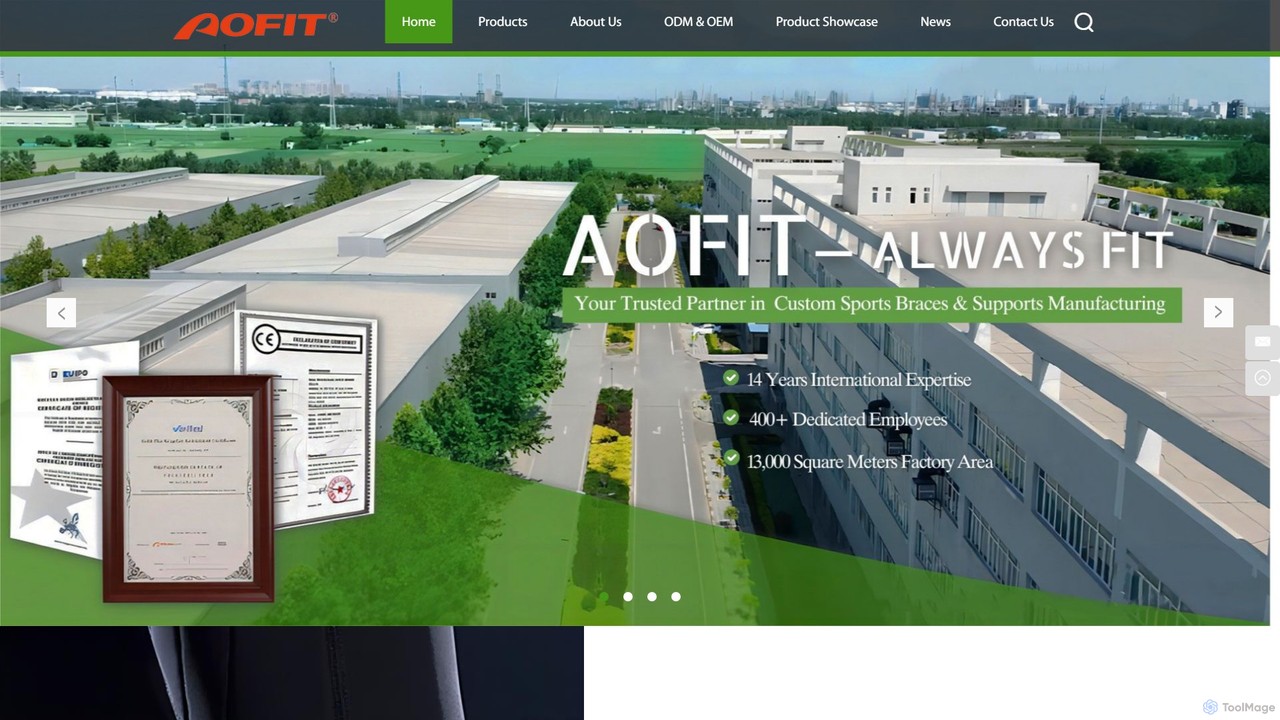
AOFIT is a leading OEM/ODM manufacturer specializing in high-quality healthcare and sports support products. They offer custom design, …
AOFIT is a leading OEM/ODM manufacturer specializing in high-quality healthcare and sports support products. They offer custom design, development, and production of sports braces, medical supports, shapewear, and mom & baby care items for global brands, distributors, and retailers.
About Product Sourcing
AI Product Sourcing tools are specialized platforms that leverage artificial intelligence to automate and optimize the process of finding, evaluating, and procuring products for businesses, particularly in e-commerce. These tools utilize advanced data analytics, machine learning, and natural language processing to analyze market trends, identify reliable suppliers, and compare product specifications and pricing. They empower online retailers, dropshippers, and procurement professionals to make data-driven decisions, significantly reducing the time and effort traditionally associated with product discovery and supplier management, ultimately enhancing profitability and market competitiveness.
Core Features
- Market Trend Analysis: Identifies emerging product trends, consumer demand shifts, and niche opportunities by analyzing vast datasets from e-commerce platforms and social media.
- Supplier Discovery & Vetting: Automatically finds potential manufacturers and suppliers globally, assessing their reliability, production capacity, and compliance history.
- Competitive Pricing Insights: Compares product prices across multiple suppliers and competitors, helping users secure optimal purchasing terms and pricing strategies.
- Product Data Enrichment: Gathers and analyzes detailed product specifications, reviews, and sales performance data to inform sourcing decisions.
- Logistics & Compliance Assistance: Provides insights into shipping costs, customs regulations, and necessary certifications for international product procurement.
Applicable Scenarios
AI Product Sourcing tools are indispensable for e-commerce entrepreneurs launching new stores, dropshippers seeking profitable niches, and established online retailers looking to expand their product lines or optimize their supply chains. They are also highly valuable for procurement managers in small to medium-sized businesses aiming to streamline their purchasing processes and reduce costs.
How to Choose
When selecting an AI Product Sourcing tool, consider its data accuracy and breadth of market coverage, ensuring it accesses relevant e-commerce platforms and supplier databases. Evaluate its integration capabilities with your existing e-commerce platforms or ERP systems. Assess the depth of its supplier vetting features, including compliance checks and review analysis. Finally, compare pricing models and user interface intuitiveness to find a solution that aligns with your budget and operational needs.

Product SourcingUse Cases
Identifying Trending Products for New Stores
An aspiring e-commerce entrepreneur uses AI Product Sourcing tools to analyze real-time sales data, social media trends, and search queries. The tool identifies high-demand, low-competition products in specific niches, providing insights into potential profitability and target demographics. This enables the entrepreneur to confidently select initial product offerings that are likely to resonate with consumers, significantly reducing the risk associated with launching a new online business.
Finding Reliable Manufacturers for Private Label Goods
A growing online brand wants to launch its own private label product line. They utilize AI Product Sourcing to scan global databases for manufacturers specializing in their desired product category. The AI vets potential suppliers based on production capacity, quality certifications, past client reviews, and ethical compliance, presenting a curated list of highly reliable partners. This streamlines the complex process of finding trustworthy manufacturing partners, ensuring product quality and brand reputation.
Optimizing Supplier Selection and Negotiation
A procurement manager for an online electronics store needs to source components at the best possible price and terms. The AI tool aggregates quotes from multiple suppliers, analyzes historical pricing data, and even suggests optimal negotiation points based on market conditions and supplier profiles. This allows the manager to quickly compare offers, identify cost-saving opportunities, and enter negotiations with data-backed insights, securing more favorable deals and improving profit margins.
Automating Compliance Checks for International Sourcing
A dropshipper sourcing products from various countries faces challenges with differing import regulations and product certifications. AI Product Sourcing tools automatically flag potential compliance issues for specific products and target markets, such as required safety standards or restricted materials. This proactive identification of regulatory hurdles helps the dropshipper avoid costly delays, fines, and product recalls, ensuring smooth international operations.
Analyzing Competitor Product Offerings and Pricing
An established online retailer wants to stay competitive by understanding their rivals' strategies. They deploy AI Product Sourcing to monitor competitor product catalogs, pricing changes, promotional activities, and customer reviews across various platforms. The tool provides actionable intelligence on popular competitor products, pricing elasticity, and customer sentiment, enabling the retailer to adjust their own offerings and pricing strategies to gain a market advantage.
Streamlining Inventory Management and Replenishment
An e-commerce business struggles with stockouts and overstocking. AI Product Sourcing tools integrate with sales data to predict future demand for specific products. Based on these forecasts, the tool can recommend optimal reorder points and quantities, and even suggest alternative suppliers if current ones face delays or price increases. This proactive approach to inventory management minimizes carrying costs, prevents lost sales, and ensures a consistent supply chain.