E Commerce Best in category 3 results Shopify Apps AI Tool

Popular AI tools in the Shopify Apps field of E Commerce include Chative、Reviewz.ai、HouseParty App, etc., helping you quickly improve efficiency.

Chative

Chative

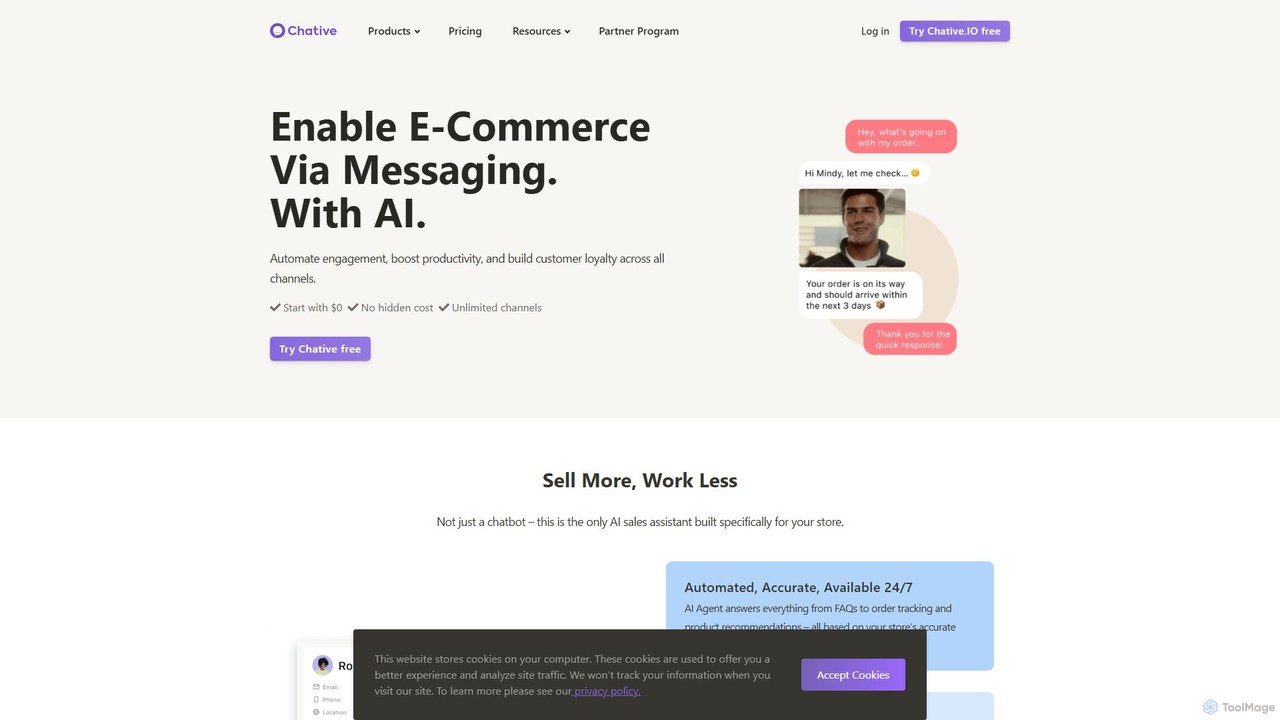
Chative is an AI-powered customer engagement platform designed for e-commerce. It combines live chat, chatbots, and an omnichannel …

210.3K
Reviewz.ai

Reviewz.ai

Reviewz.ai is an intelligent review management platform for Shopify stores. It automates review collection by smartly routing satisfied …

6.1K
HouseParty App

HouseParty App

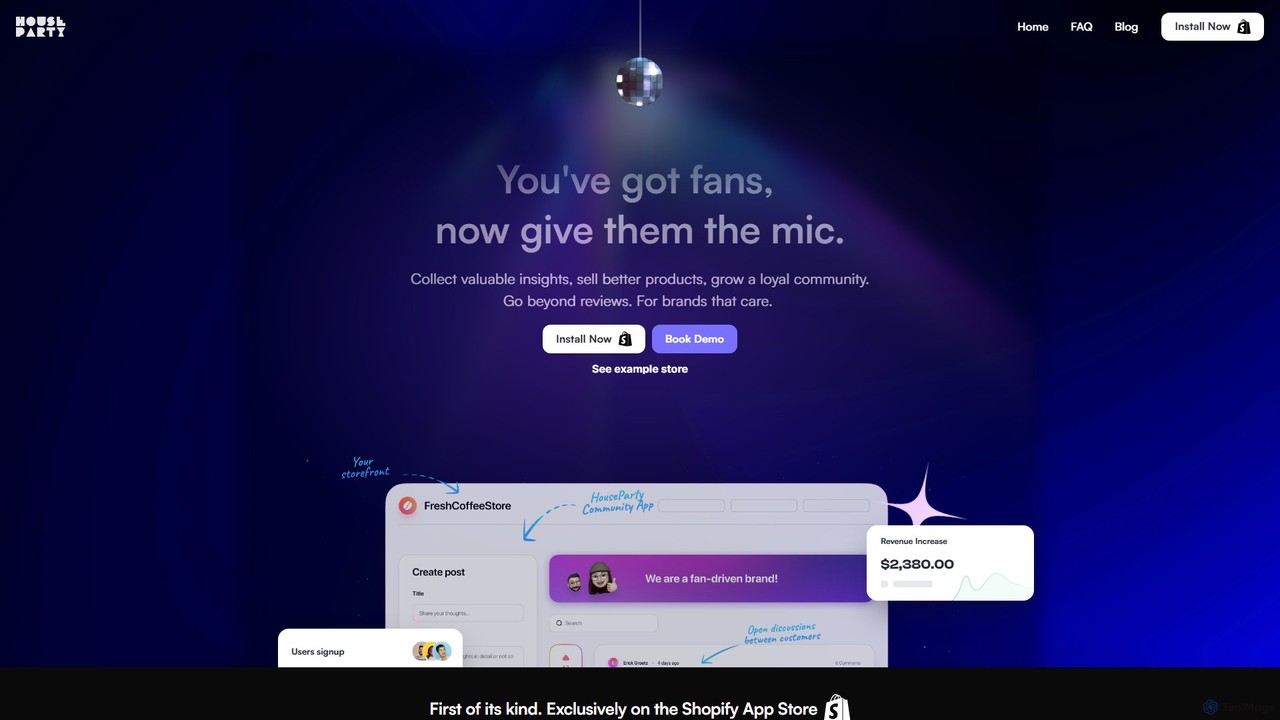
A Shopify app that helps e-commerce brands build an on-site community. It enables direct customer feedback, increases engagement …

4.8K

About Shopify Apps

Shopify Apps are specialized software extensions designed to enhance the functionality and capabilities of Shopify e-commerce stores. These tools integrate seamlessly with the Shopify platform, enabling merchants to automate tasks, improve customer experience, and scale their online businesses. They provide tailored solutions for various aspects of online retail, from marketing and sales to operations and customer service, directly within the Shopify ecosystem.

Core Features

  • Automated Marketing: Tools for email marketing, SMS campaigns, social media integration, and SEO optimization to drive traffic and conversions.
  • Inventory & Order Management: Features for tracking stock levels, automating order fulfillment, managing returns, and syncing across multiple sales channels.
  • Customer Service & Engagement: Apps providing live chat, helpdesk integration, loyalty programs, and review management to build customer relationships.
  • Store Design & Customization: Tools for theme customization, page builders, product configurators, and visual merchandising to enhance store aesthetics and user experience.
  • Analytics & Reporting: Dashonboards and reports offering insights into sales performance, customer behavior, and marketing campaign effectiveness.

Use Cases

Shopify Apps are indispensable for e-commerce entrepreneurs, small business owners, and large enterprises running their online stores on Shopify. They are used to extend core Shopify functionalities, automate repetitive tasks, and introduce advanced features without needing custom coding. Merchants leverage these apps to streamline operations, personalize shopping experiences, and gain competitive advantages in the digital marketplace.

How to Choose

When selecting Shopify Apps, consider your specific business needs, budget, and existing tech stack. Evaluate the app's core functionality, ensuring it directly addresses a pain point or enhances a key process. Check for seamless integration with your current Shopify theme and other essential apps. Read user reviews for reliability and support quality, and always start with a free trial if available to assess its real-world performance and ease of use.

Shopify AppsUse Cases

1

Automating Email Marketing Campaigns

E-commerce store owners can leverage Shopify email marketing apps to segment customer lists, design professional email templates, and schedule automated campaigns for abandoned carts, welcome series, or promotional offers. This helps nurture leads, recover lost sales, and build customer loyalty without manual intervention, significantly boosting conversion rates and customer lifetime value.

2

Streamlining Inventory and Order Fulfillment

Merchants with extensive product catalogs or multiple warehouses use Shopify inventory apps to centralize stock management, automate order routing to the nearest fulfillment center, and track shipments in real-time. This reduces manual errors, speeds up delivery times, and ensures accurate stock levels are displayed to customers, enhancing operational efficiency and customer satisfaction.

3

Enhancing Customer Support with Live Chat and Helpdesk Integration

Online stores aiming to provide instant customer assistance integrate Shopify live chat and helpdesk apps. These tools allow customers to get immediate answers to queries, track their orders, and resolve issues quickly. For merchants, it centralizes customer communications, improves response times, and builds trust, leading to higher customer retention and positive reviews.

4

Creating Custom Product Pages with Drag-and-Drop Builders

E-commerce managers and marketers use Shopify page builder apps to design visually appealing and high-converting product pages without coding. They can drag and drop elements, add custom sections, embed videos, and optimize layouts for mobile devices. This flexibility allows for rapid A/B testing, personalized shopping experiences, and a stronger brand presence, directly impacting sales performance.

5

Implementing Loyalty Programs and Referral Systems

Businesses focused on customer retention and organic growth deploy Shopify loyalty and referral apps. These tools allow them to reward repeat customers with points, discounts, or exclusive access, and incentivize existing customers to refer new ones. This strategy fosters a strong community, increases customer lifetime value, and generates cost-effective word-of-mouth marketing, crucial for sustainable e-commerce growth.

6

Optimizing SEO and Store Performance

Shopify store managers utilize SEO apps to improve their store's visibility in search engine results. These apps help identify keyword opportunities, optimize product descriptions and meta tags, generate sitemaps, and monitor broken links. By enhancing technical SEO and content quality, merchants can attract more organic traffic, reduce advertising costs, and ultimately increase sales without direct ad spend.

Shopify AppsFrequently Asked Questions