FocuSee
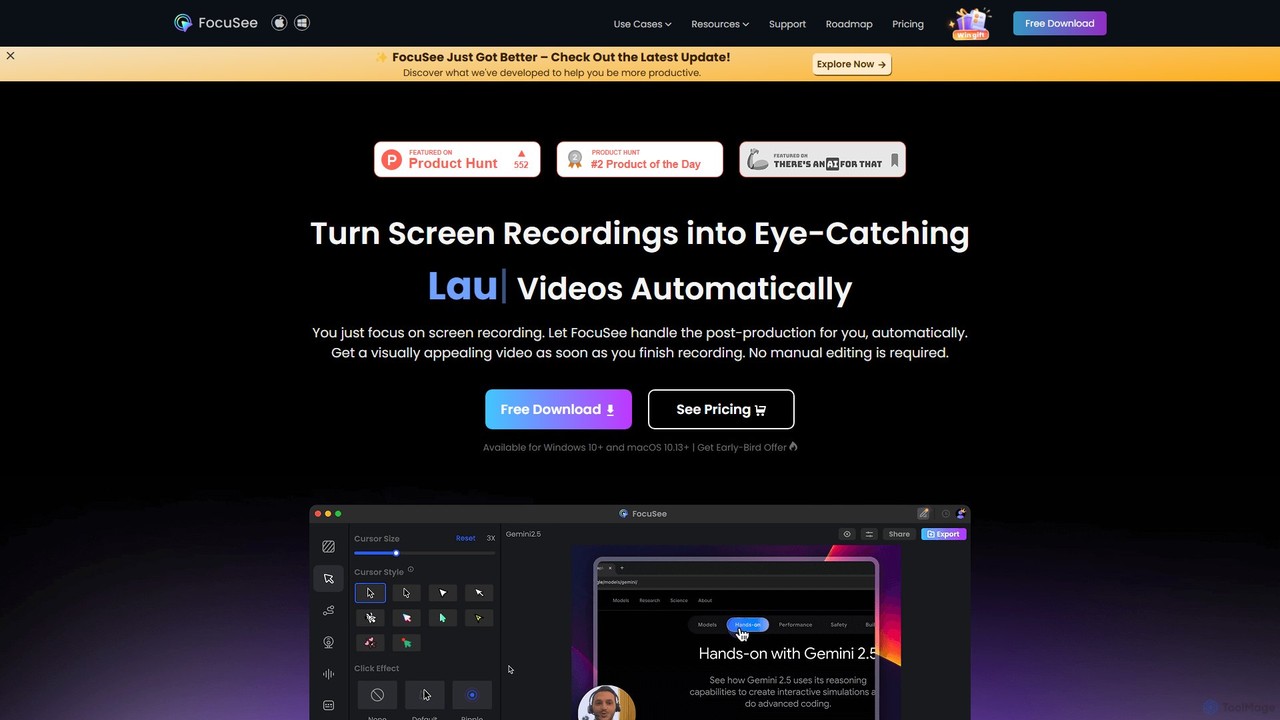
FocuSee is an AI-powered screen recording and video editing software designed to create professional-looking videos with ease. Its …
FocuSee is an AI-powered screen recording and video editing software designed to create professional-looking videos with ease. Its standout feature is the automatic zoom and pan effect, which intelligently follows your cursor movements to highlight key actions. This makes it ideal for creating engaging product demos, tutorials, and presentations without complex manual editing, simplifying the entire video creation workflow.
Animiz
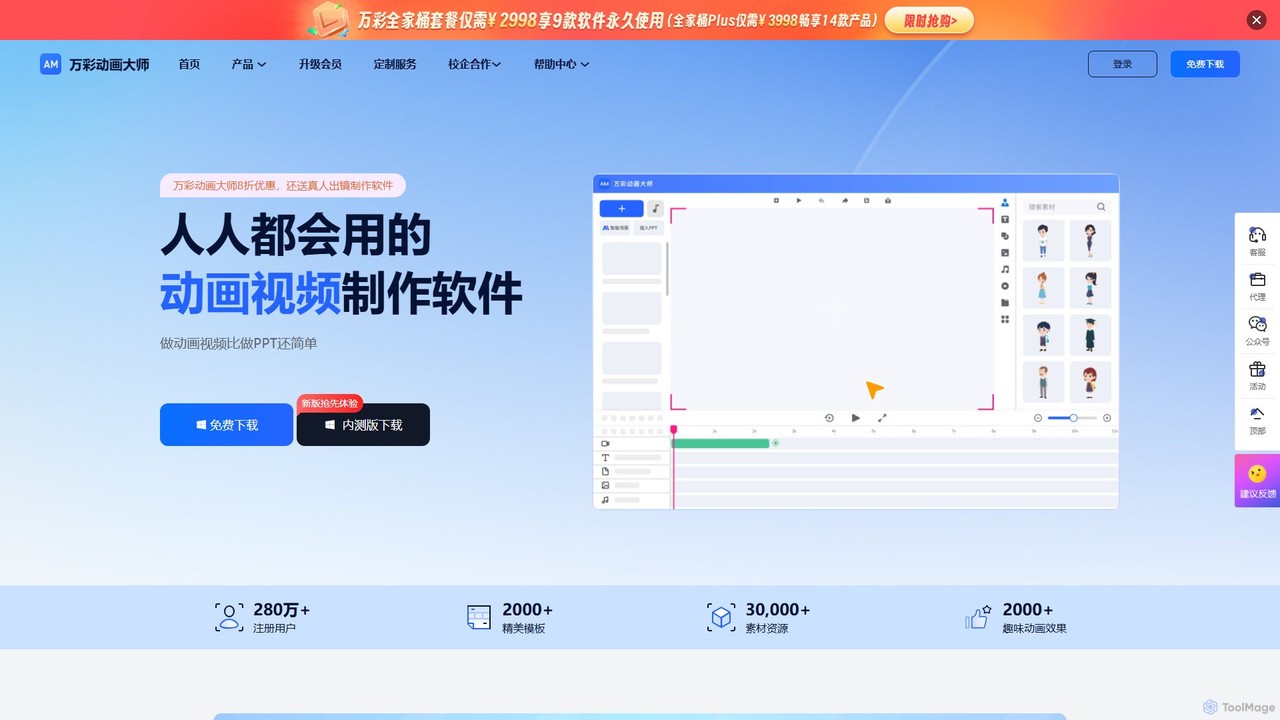
Animiz is a user-friendly animation video software designed for creating professional MG animations, explainer videos, and presentations. It …
Animiz is a user-friendly animation video software designed for creating professional MG animations, explainer videos, and presentations. It simplifies the animation process with a drag-and-drop interface, vast libraries of templates and assets, and powerful timeline editing. Integrated with AI for scriptwriting, it's ideal for marketing, education, and corporate communication, making animation accessible to everyone, regardless of skill level.
Wondershare Presentory
Wondershare Presentory is an AI-powered video presentation maker designed for educators, marketers, and professionals. It integrates AI to …
Wondershare Presentory is an AI-powered video presentation maker designed for educators, marketers, and professionals. It integrates AI to generate presentations from text, allows for dynamic on-screen arrangement of the presenter and content, and offers one-click recording and streaming. With rich templates, a built-in teleprompter, and cloud sharing, it simplifies creating impactful and memorable virtual presentations.
TechSmith
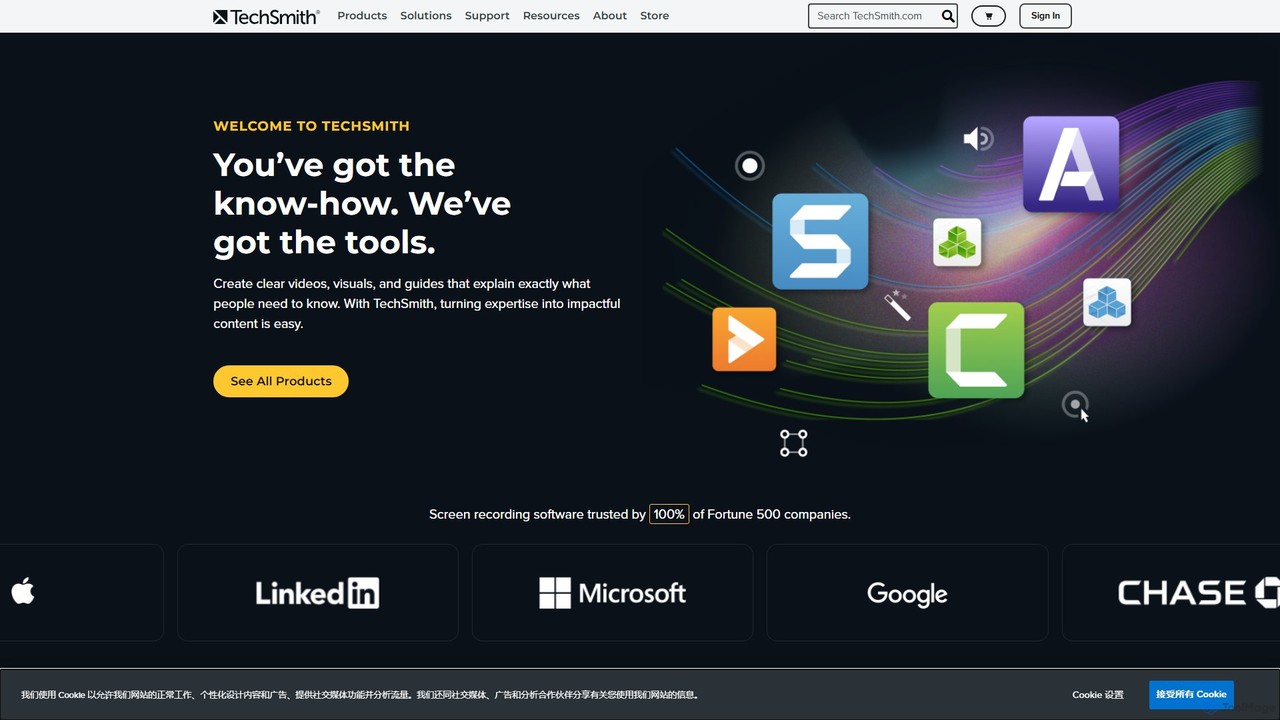
TechSmith offers a powerful suite of tools, including Snagit and Camtasia, for professional screen capture and video creation. …
TechSmith offers a powerful suite of tools, including Snagit and Camtasia, for professional screen capture and video creation. Leveraging AI-assisted features, users can easily record, edit, and share high-quality tutorials, training videos, and presentations. It simplifies complex communication by transforming expertise into clear, engaging visual content, trusted by professionals and Fortune 500 companies worldwide.
About E Learning
E-Learning tools are AI-powered platforms designed to create, deliver, and manage personalized educational content. These tools utilize machine learning algorithms to analyze learner performance, adapt curricula in real-time, and automate the creation of learning materials. They transform traditional online education from a static model into a dynamic, interactive, and highly individualized experience. This approach helps improve engagement, knowledge retention, and overall learning efficiency for both individuals and organizations.
Core Features
- Personalized Learning Paths: AI analyzes a user's knowledge gaps and learning pace to create a customized curriculum.
- Automated Content Generation: Instantly creates quizzes, summaries, flashcards, and even entire course modules from existing documents or videos.
- Intelligent Tutoring Systems: Provides real-time feedback, hints, and step-by-step guidance on problems and assignments.
- Performance Analytics: Offers deep insights into learner progress, identifying areas of difficulty and predicting future performance.
- Interactive Simulations: Generates realistic, AI-driven scenarios for hands-on training in a risk-free environment.
Use Cases
AI E-Learning tools are widely used in corporate training for employee onboarding and skill development, in higher education to supplement traditional courses, and by online course creators to scale content production. They are particularly effective for technical skills training, language learning, and compliance education where personalized feedback is crucial.
How to Choose
When selecting an E-Learning tool, consider the depth of its personalization capabilities and the quality of its AI-generated content. Evaluate its integration options with existing Learning Management Systems (LMS). Also, assess the robustness of its analytics and reporting features to track learner outcomes effectively. Finally, consider the user interface for both learners and administrators to ensure ease of use.
E LearningUse Cases
Automating Corporate Employee Onboarding
An HR manager at a fast-growing tech company uses an AI E-Learning platform to streamline new hire training. They upload company policies, product documentation, and role-specific guides. The AI automatically generates an interactive onboarding curriculum for each role, including video summaries, knowledge-check quizzes, and FAQs. The platform adapts the difficulty based on each new hire's quiz performance, ensuring they master core concepts before moving on. This reduces the manual workload for the HR team by over 60% and provides a consistent, personalized learning experience for every new employee.
Creating Adaptive Language Learning Courses
An independent language instructor wants to create a personalized Spanish course. They use an AI E-Learning tool to build the curriculum. The AI helps generate vocabulary lists, grammar exercises, and interactive conversation scenarios based on different proficiency levels (A1-C2). As students progress through the course, the system tracks their common mistakes and automatically creates personalized review sessions focusing on their specific weak points, such as verb conjugations or pronoun usage. This adaptive approach helps students learn more efficiently by concentrating on areas where they need the most practice.
Generating Assessments for University Courses
A university professor needs to create a midterm exam for a large history class. Instead of spending hours writing questions, she uploads her lecture notes, slides, and required reading materials to an AI E-Learning platform. The AI analyzes the content and generates a question bank with hundreds of multiple-choice, true/false, and short-answer questions, categorized by topic and difficulty. The professor can then review, edit, and select questions to build a balanced exam in a fraction of the time. The tool can also generate different versions of the exam to prevent cheating.
Developing Soft Skills with AI Role-Playing
A sales team manager uses an AI E-Learning tool to improve their team's negotiation skills. The platform provides an AI-powered role-playing simulator where sales reps can practice conversations with different customer personas (e.g., 'the skeptical buyer,' 'the budget-conscious client'). The AI chatbot responds dynamically based on the rep's choices and provides instant feedback on their tone, word choice, and strategy. This allows the team to practice handling objections and closing deals in a safe, repeatable environment before interacting with real customers.
Personalized Coding Practice and Feedback
A computer science student uses an AI-powered E-Learning platform to practice Python programming. After submitting a coding exercise, the AI tutor doesn't just say if the answer is right or wrong. It provides line-by-line feedback, identifies logical errors, suggests more efficient ways to write the code (e.g., using a list comprehension instead of a for-loop), and checks for adherence to style guides like PEP 8. It also generates new, similar problems to help the student solidify their understanding of a specific concept, creating a highly personalized and effective practice environment.
Scaling Content Creation for Online Academies
The founder of an online business academy needs to rapidly expand their course catalog. They use an AI E-Learning tool to accelerate content creation. By providing outlines and key source materials (like articles and webinar recordings), the AI generates first drafts of lesson scripts, presentation slides, and quiz questions. This allows the small content team to focus on refining and enhancing the materials rather than starting from scratch. They are able to produce five new courses in the time it previously took to create one, significantly scaling their business offerings without a proportional increase in headcount.