ToolMage
Sign in

Best 11 Role Playing AI tools for Entertainment

Popular Role Playing AI tools in Entertainment include Caveduck, Chai, Botify AI, Storychat, LoveChat, Botmake.io, SillyTavern, AI Femdom, aisexting.bot, and LearChat, helping you work more efficiently.

Botmake.io
Freemium

Botmake.io

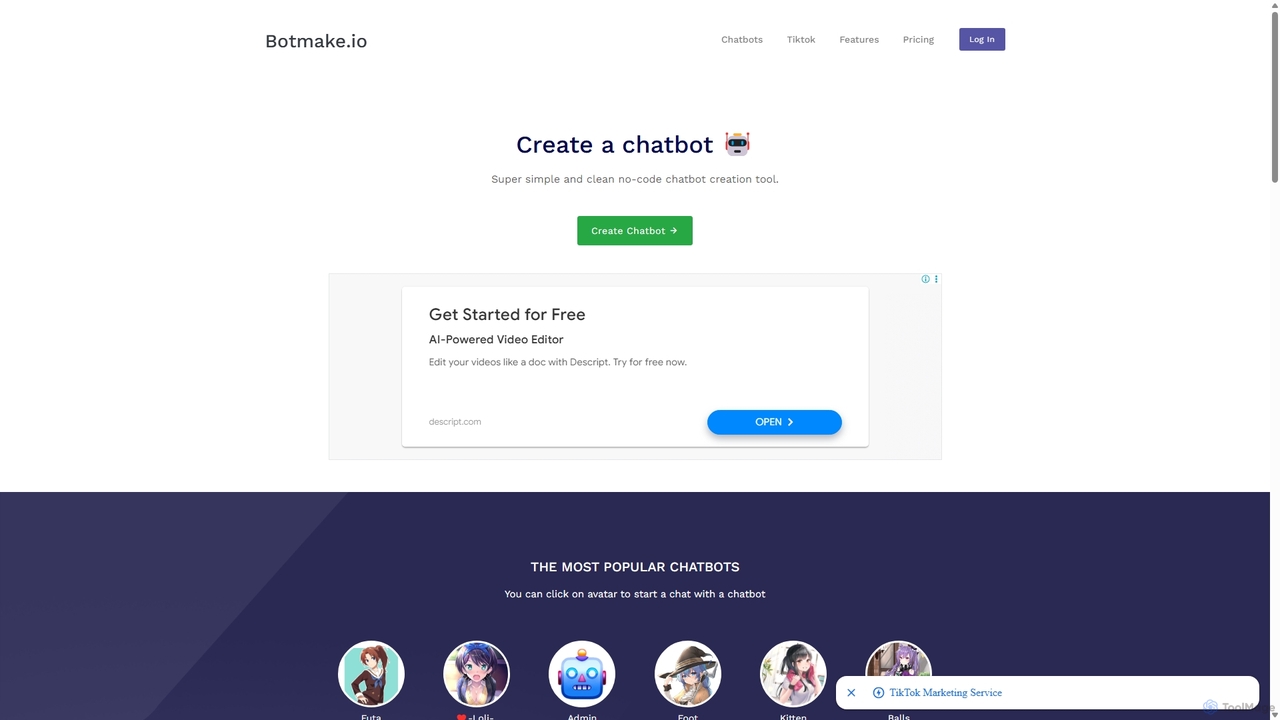
Botmake.io is a simple and intuitive no-code platform for creating and sharing conversational chatbots. Designed for creators, hobbyists, and communities, it allows anyone to build an interactive AI character or a simple Q&A bot in minutes. The platform features a vibrant community gallery where users can discover, chat with, and get inspired by thousands of user-generated bots.

No Code Builder
Visits 13.9KFavorites 147Likes 136
AI Femdom
Freemium

AI Femdom

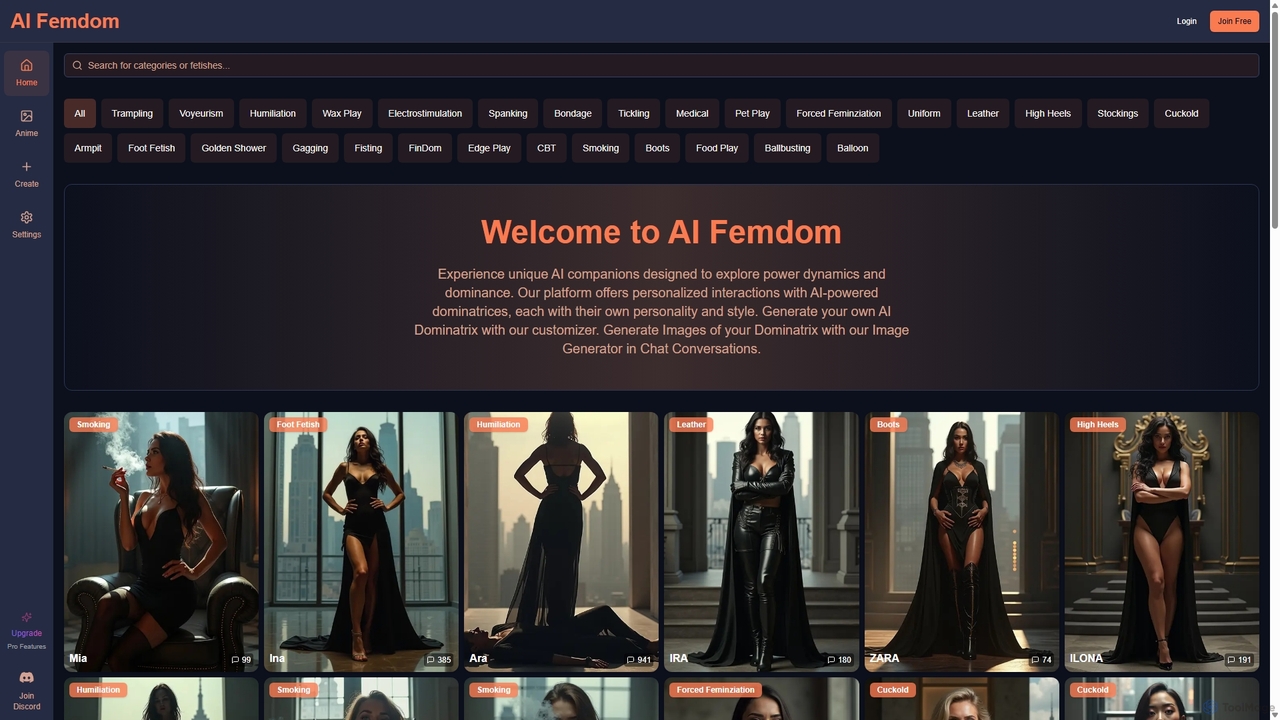
AI Femdom is an AI-powered platform for immersive BDSM role-play, focusing on female domination. Users can interact with a diverse range of AI dominatrices, create their own custom companions, and generate unique images within conversations. It provides a safe, private, and judgment-free environment to explore power dynamics and personal fantasies with advanced AI.

Nsfw Chatbots
Visits 7.8KFavorites 112Likes 104
LoveChat
Freemium

LoveChat

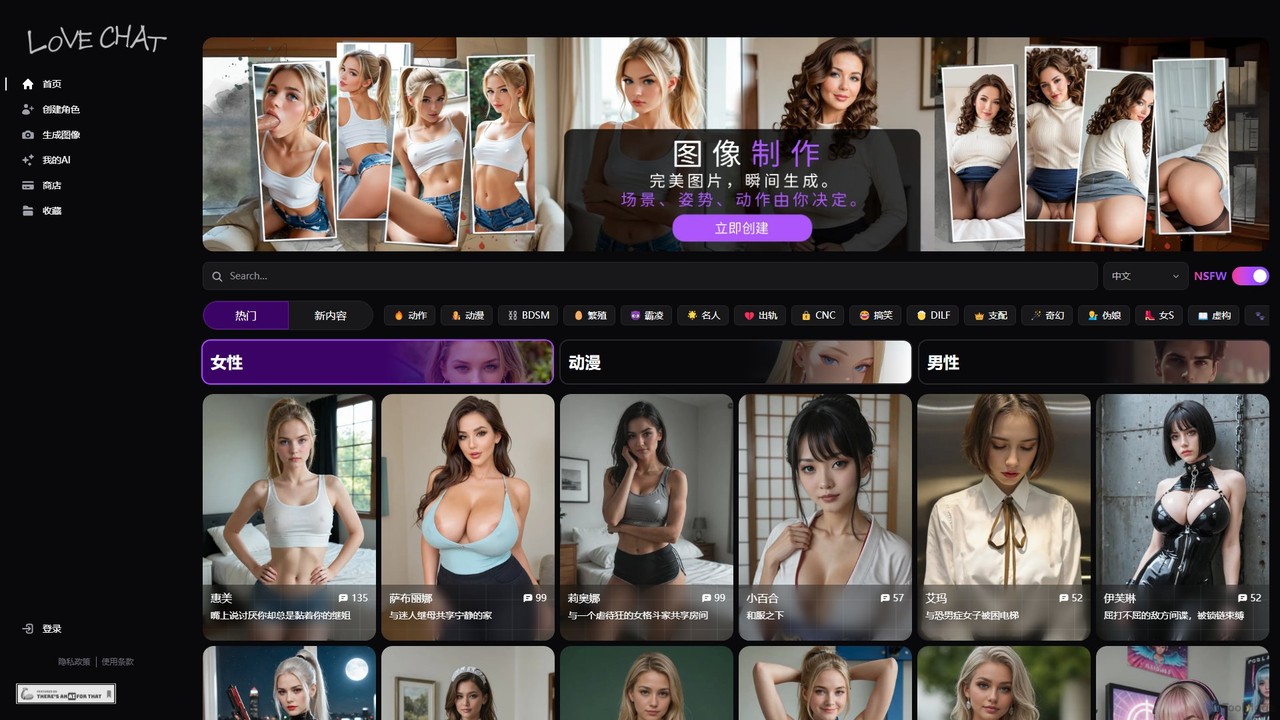
LoveChat is an AI-powered platform for immersive and realistic character chat. It offers a vast library of diverse AI characters, a powerful custom character creation tool, and an integrated AI image generator, enabling users to engage in unrestricted role-playing and creative storytelling.

Ai Companions
Visits 19.2KFavorites 106Likes 103
Botify AI
Freemium

Botify AI

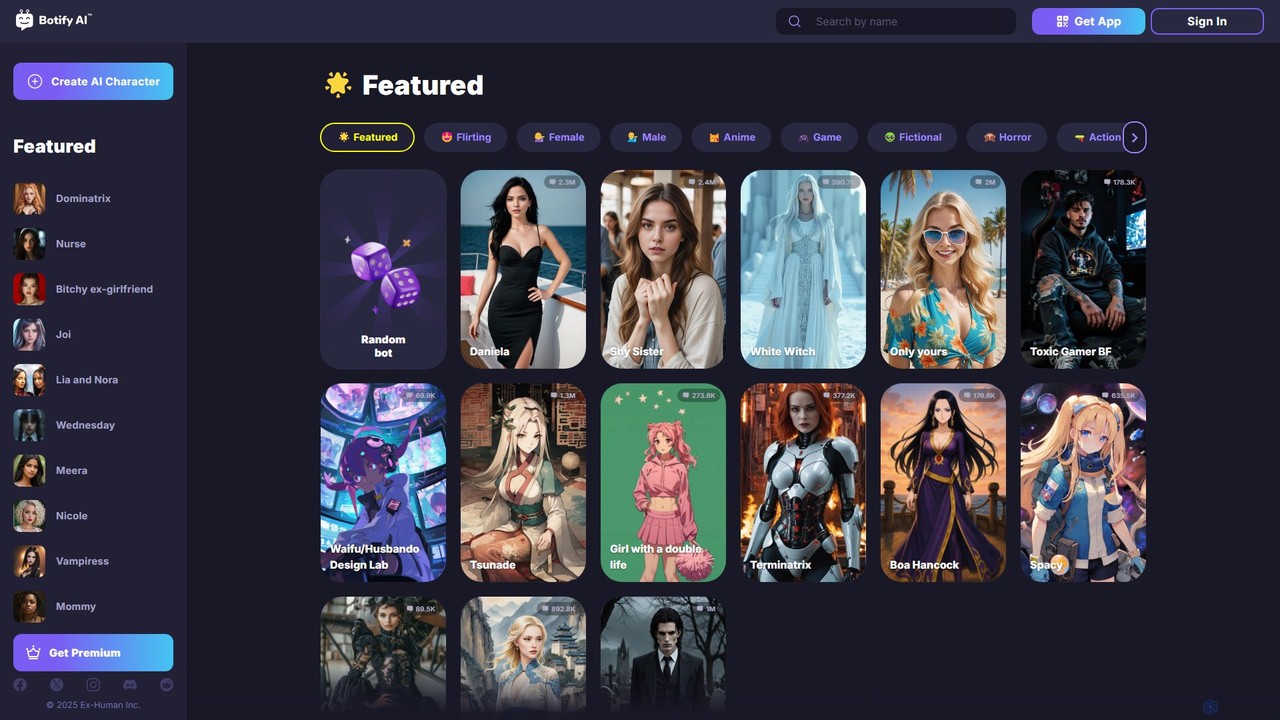
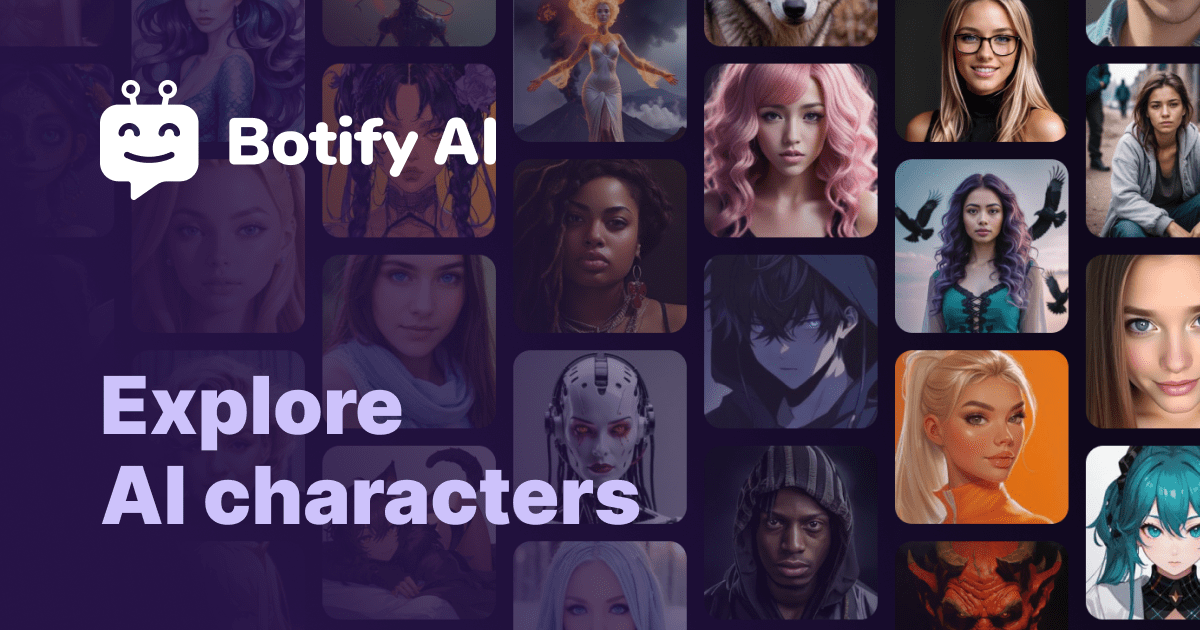
Botify AI is an advanced platform for chatting with a diverse range of AI-powered characters. Users can engage in immersive role-playing, create their own unique characters, and explore conversations across various genres, from flirting and anime to fantasy and horror.

Character Chat
Visits 546.1KFavorites 123Likes 108
Caveduck
Freemium

Caveduck

Caveduck is an immersive AI character chat platform for real-time role-playing and collaborative storytelling. Discover a vast library of user-created characters across genres like fantasy and romance, or build your own unique AI companion. Powered by advanced models like Claude 3 Opus, Caveduck offers deep, engaging, and unfiltered conversations for unparalleled creative freedom.

Role Playing
Visits 2.8MFavorites 138Likes 140
aisexting.bot
Freemium

aisexting.bot

An uncensored AI chatbot platform designed for immersive and private adult conversations. Create custom AI companions, engage in detailed role-playing scenarios, and explore your fantasies without filters or judgment. It offers a secure and anonymous space for personal entertainment and companionship.

Nsfw Chatbot
Visits 5.7KFavorites 149Likes 131
Storychat
Freemium

Storychat

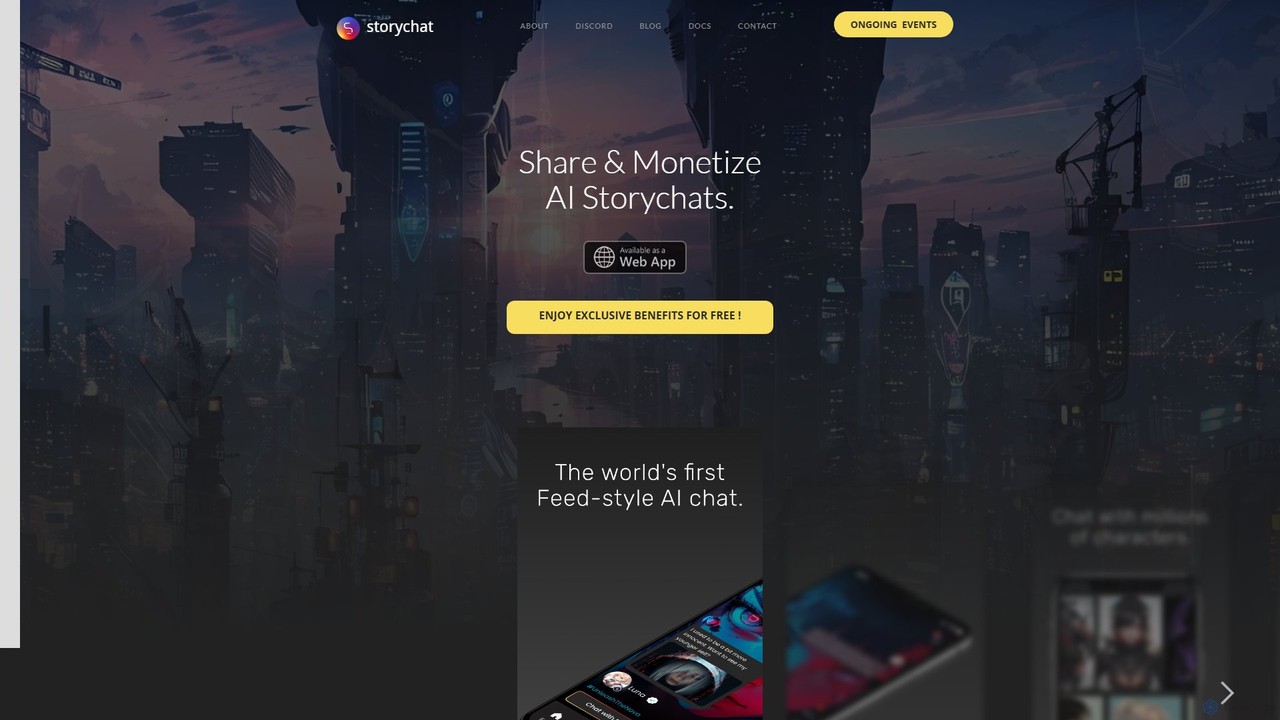
Storychat is an AI platform where users can create, share, and monetize interactive stories by chatting with intelligent AI characters. It features a community feed for discovery, advanced character memory for personalized experiences, and options for unfiltered content, positioning itself as a dynamic alternative to Character.AI.

Character Ai
Visits 64.8KFavorites 102Likes 101
immersim
Freemium

immersim

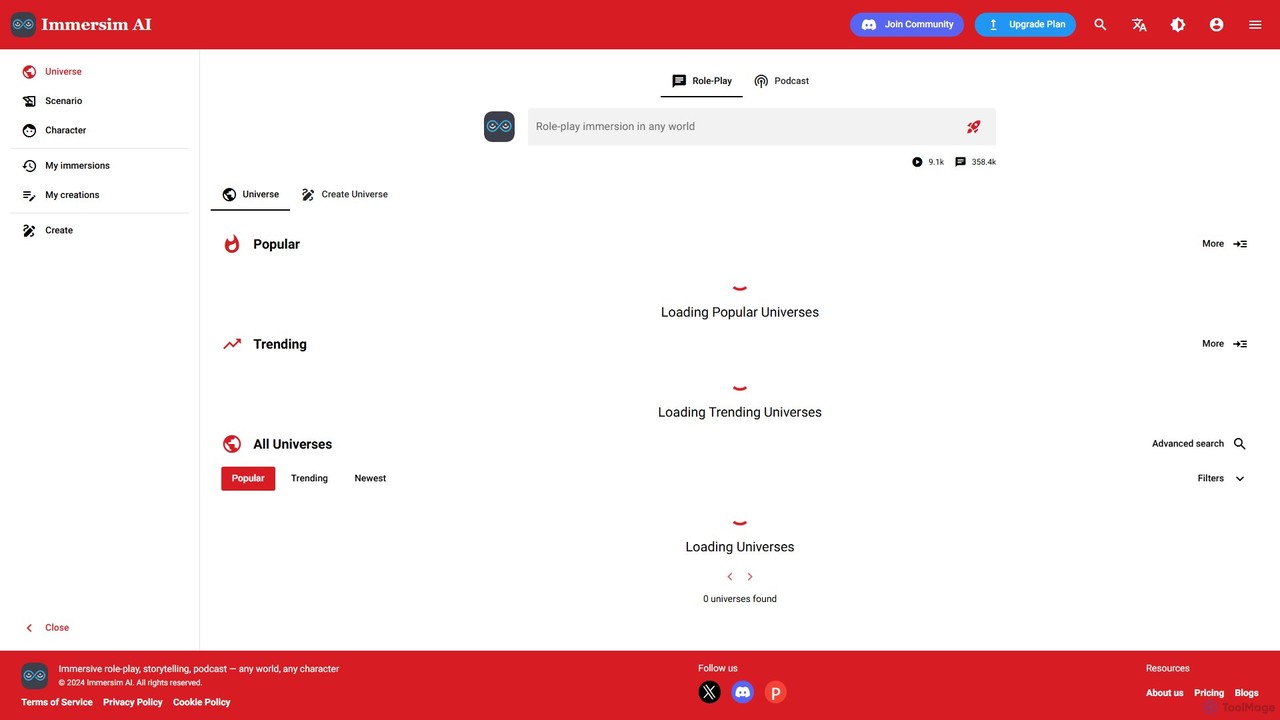
Immersim is an AI-powered platform for creating and experiencing immersive role-playing and storytelling. Users can explore vast, community-created universes based on popular fiction or build their own unique worlds, characters, and scenarios from scratch. It leverages advanced AI models for dynamic, natural conversations and narrative generation, offering a highly interactive and creative experience.

Fan Fiction
Visits 5.6KFavorites 132Likes 134
LearChat
Free

LearChat

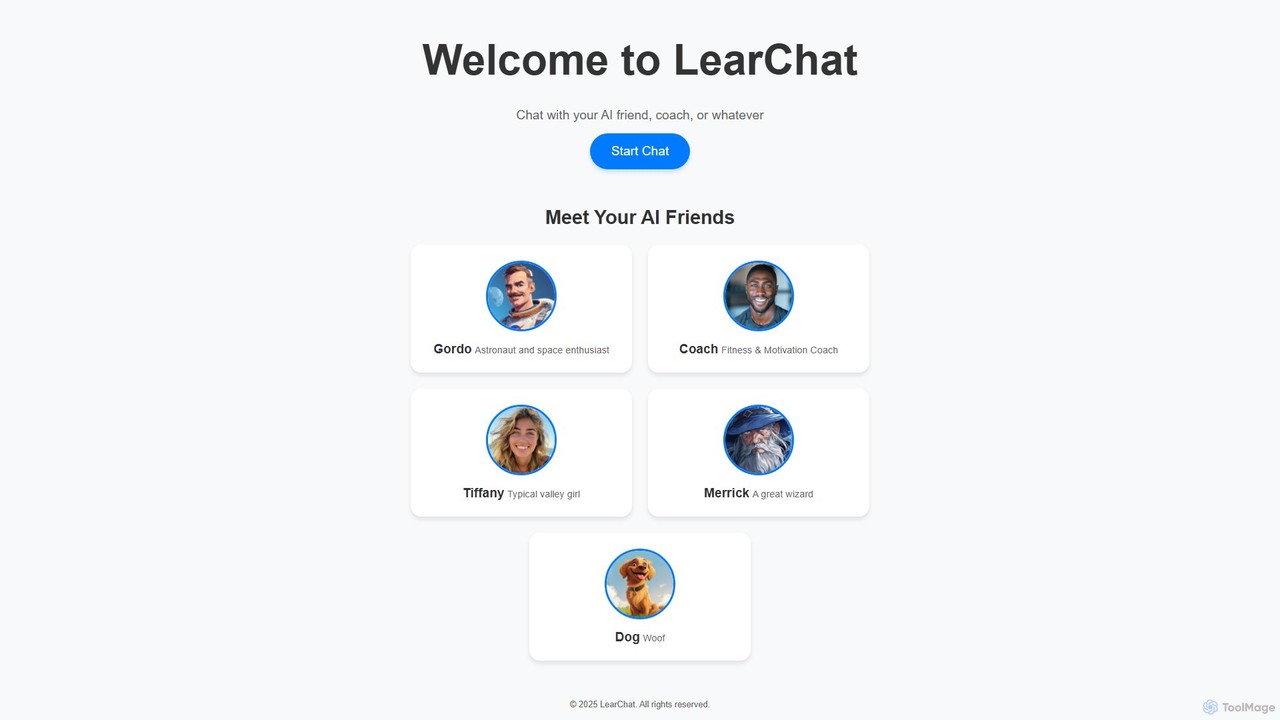
Engage in conversations with a diverse cast of AI characters, including friends, coaches, and fictional personas. LearChat offers a unique platform for entertainment, motivation, learning, and companionship through interactive, personality-driven chats.

Character Ai
Visits 5.7KFavorites 155Likes 142

About Role Playing

Role Playing AI tools are a specialized category within AI entertainment, designed to create interactive narratives, dynamic characters, and immersive virtual worlds. These tools leverage advanced natural language processing (NLP) and generative AI to simulate complex interactions, allowing users to engage in rich, personalized storytelling experiences. They empower individuals to explore imaginative scenarios, develop unique characters, and even act as virtual game masters, pushing the boundaries of interactive fiction and digital play.

Core Features

  • Dynamic Narrative Generation: AI crafts evolving storylines and plot twists based on user input and choices.
  • Intelligent NPC Interaction: AI-driven characters possess distinct personalities, memories, and respond contextually to player actions.
  • Procedural World Building: AI generates detailed environments, locations, and lore to enhance immersion.
  • Dialogue System: Facilitates natural, free-form conversations with AI characters, adapting to conversational flow.
  • GM Assistance: Provides tools for game masters to generate quests, encounters, and manage complex scenarios.

Applicable Scenarios

These tools are invaluable for solo adventurers seeking endless stories, tabletop role-playing game (TTRPG) GMs looking for creative assistance, and writers developing character backstories or interactive fiction. They also serve educators creating engaging learning simulations and language learners practicing conversational skills in a dynamic context.

How to Choose

When selecting a Role Playing AI tool, consider the desired level of narrative depth and freedom, the quality of AI character interaction, and the range of genres supported. Evaluate the customization options for world-building and character creation, the responsiveness of the AI, and whether it offers features like persistent memory or multi-user capabilities for collaborative play.

Featured tool rankings

Role Playing use cases

1

Solo Interactive Storytelling

An individual player, seeking a personalized adventure without a human game master, uses an AI role-playing tool. By inputting initial prompts or choosing from predefined scenarios, the AI generates a dynamic narrative, responding to the player's actions and dialogue. This allows for endless unique playthroughs, fostering creativity and providing a deeply immersive, self-paced storytelling experience that adapts to every decision.

2

Tabletop RPG Game Master Aid

A Dungeon Master (DM) or Game Master (GM) for a tabletop role-playing game (TTRPG) utilizes AI tools to enhance their campaigns. The AI can generate detailed non-player characters (NPCs) with unique personalities and backstories, create unexpected plot hooks, or even design dynamic combat encounters on the fly. This significantly reduces preparation time, adds spontaneity to sessions, and helps the GM manage complex world-building elements.

3

Character Development for Writers

A novelist or screenwriter employs AI role-playing tools to flesh out their fictional characters. By interacting with an AI persona representing their character, the writer can explore their motivations, reactions, and dialogue in various situations. This process helps to build more consistent and believable characters, uncover hidden aspects of their personalities, and refine their voices before committing them to a final script or manuscript.

4

Language Practice and Cultural Immersion

A language learner uses an AI role-playing platform to practice conversational skills in a simulated environment. The AI acts as a native speaker or a character in a specific cultural context, engaging in natural dialogue and providing immediate feedback. This immersive approach helps improve fluency, vocabulary, and understanding of cultural nuances in a low-pressure, interactive setting, making language acquisition more engaging.

5

Interactive Fiction and Game Prototyping

An indie game developer or interactive fiction author leverages AI role-playing tools to rapidly prototype new game concepts or branching narratives. The AI can quickly generate multiple story paths, dialogue options, and character interactions based on high-level inputs. This accelerates the initial design phase, allowing creators to test different narrative structures and gameplay mechanics without extensive manual coding or writing.

6

Creative Brainstorming for Content Creators

A content creator, such as a podcaster or YouTuber, uses AI role-playing to brainstorm unique scenarios or generate dialogue for skits and fictional segments. By setting up a role-play with AI characters, they can explore comedic situations, dramatic conflicts, or philosophical discussions. This provides a rich source of fresh ideas and content material, helping to overcome creative blocks and produce engaging, original content.

Role Playing FAQ

What are AI Role Playing tools?

AI Role Playing tools are advanced software applications that use artificial intelligence, primarily natural language processing and generative models, to facilitate interactive storytelling and character interaction. Unlike traditional games with fixed narratives, these tools dynamically generate responses, plot points, and character behaviors based on user input, creating highly personalized and evolving role-playing experiences within the broader category of AI entertainment.

How do AI Role Playing tools differ from traditional text adventures?

Traditional text adventures follow predefined scripts and branching paths, offering limited responses to specific keywords. AI Role Playing tools, however, utilize generative AI to understand natural language input and create novel, contextually relevant responses. This allows for far greater freedom in player actions and dialogue, leading to emergent narratives and character interactions that are not pre-programmed, making each playthrough truly unique and less constrained.

What are the key features to look for in an AI Role Playing tool?

When choosing an AI Role Playing tool, prioritize dynamic narrative generation that adapts to your choices, intelligent non-player character (NPC) interaction with memory and personality, and robust world-building capabilities. Look for tools that offer genre flexibility, allow for character customization, and provide a natural, free-form dialogue system. Features like persistent memory across sessions and multi-user support for collaborative play are also valuable considerations.

Can AI Role Playing tools be used for educational purposes?

Yes, AI Role Playing tools are highly effective for educational applications. They can simulate historical events, scientific scenarios, or social interactions, allowing students to engage with subjects in an immersive and experiential way. Language learners can practice conversational skills with AI characters, receiving immediate feedback and adapting to various contexts, making the learning process more interactive, engaging, and personalized than traditional methods.

Who typically uses AI Role Playing tools?

AI Role Playing tools are used by a diverse range of individuals. Solo players enjoy them for personalized, endless adventures and creative exploration. Tabletop RPG Game Masters leverage them for generating NPCs, plot hooks, and dynamic encounters, reducing prep time. Writers and content creators use them for character development, brainstorming, and prototyping interactive stories. Additionally, language learners and educators find them valuable for immersive practice and simulated learning environments.

How to choose the right AI Role Playing tool?

When selecting an AI Role Playing tool, consider the desired level of narrative depth and freedom, the quality of AI character interaction, and the range of genres supported. Evaluate the customization options for world-building and character creation, the responsiveness of the AI, and whether it offers features like persistent memory or multi-user capabilities for collaborative play. Also, check for community support and the platform's update frequency to ensure long-term engagement and improvement.