Finance Best in category 11 results Portfolio Management AI Tool

Popular AI tools in the Portfolio Management field of Finance include Crypto.com、Moning、PortfolioPilot、Stock Unlock、Surmount、ziggma、PinkLion、Global Predictions、Toggle AI、SageFusion, etc., helping you quickly improve efficiency.

Toggle AI

Toggle AI

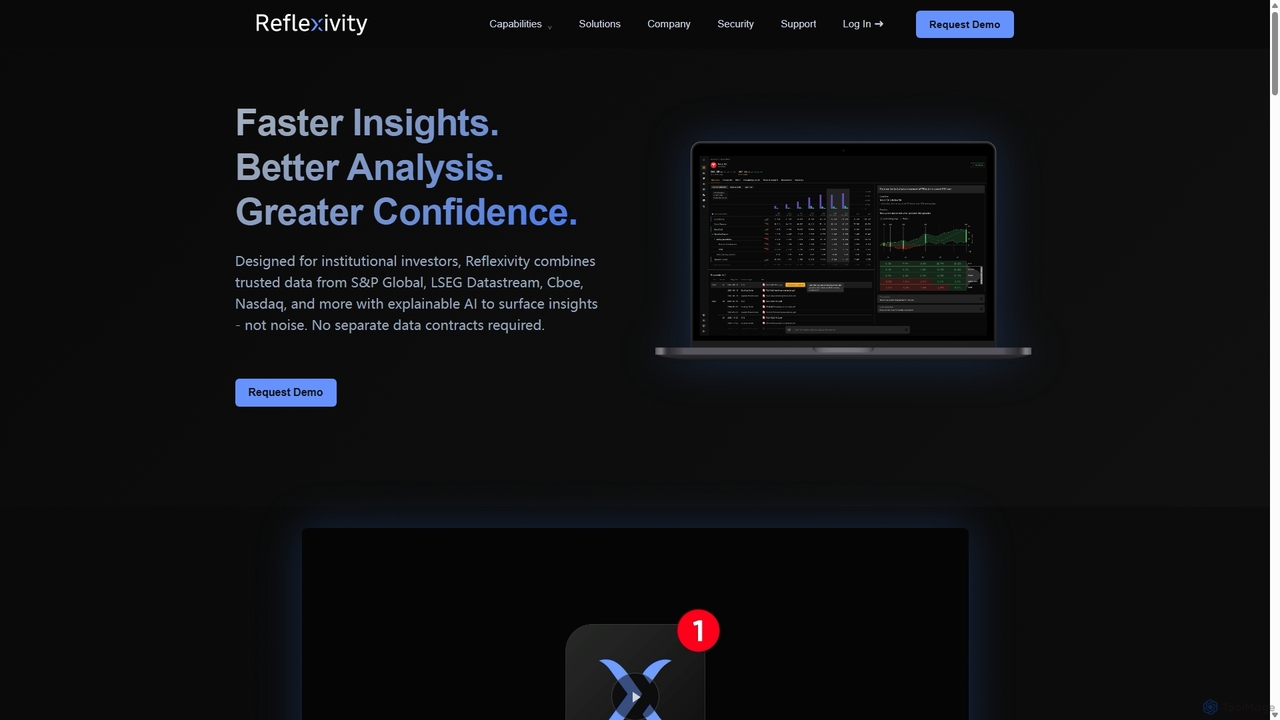
Toggle AI (now Reflexivity) is an institutional-grade investment analysis platform. It leverages explainable AI and trusted data from …

3.1K
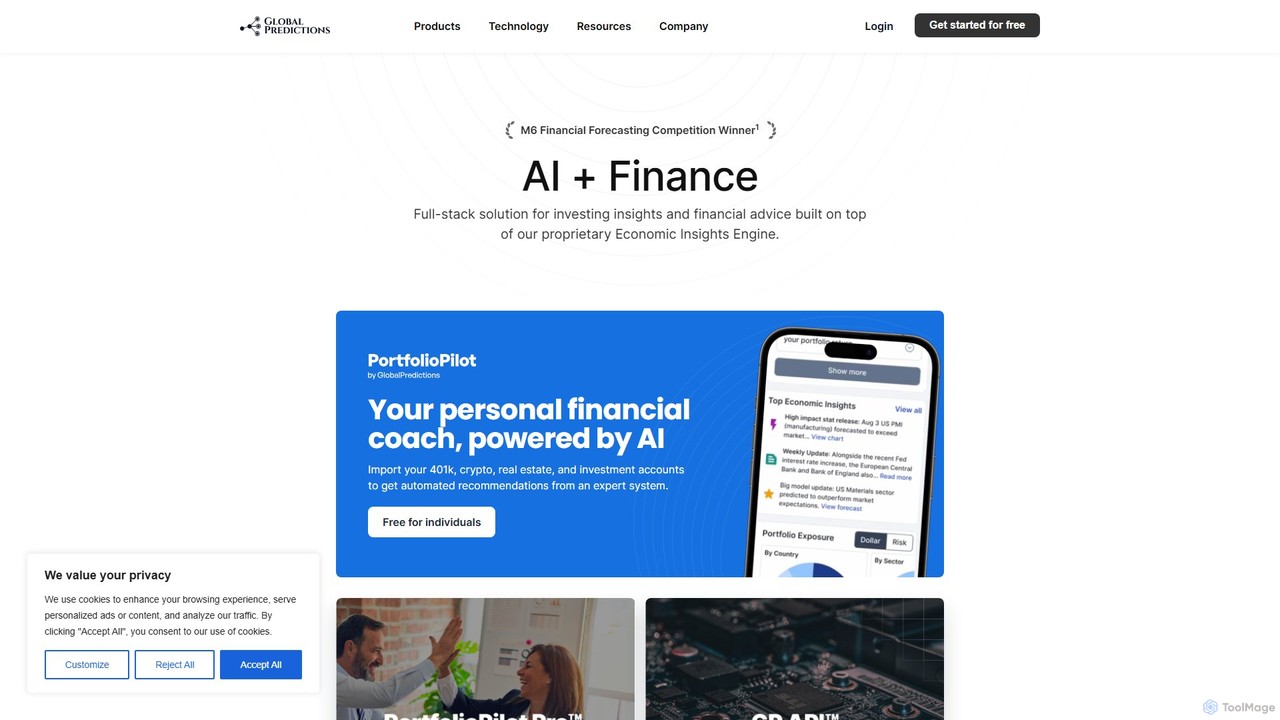
Global Predictions

Global Predictions

Global Predictions is an AI-powered financial advisor that provides hedge-fund-level investment insights. It offers a full-stack solution for …

4.3K
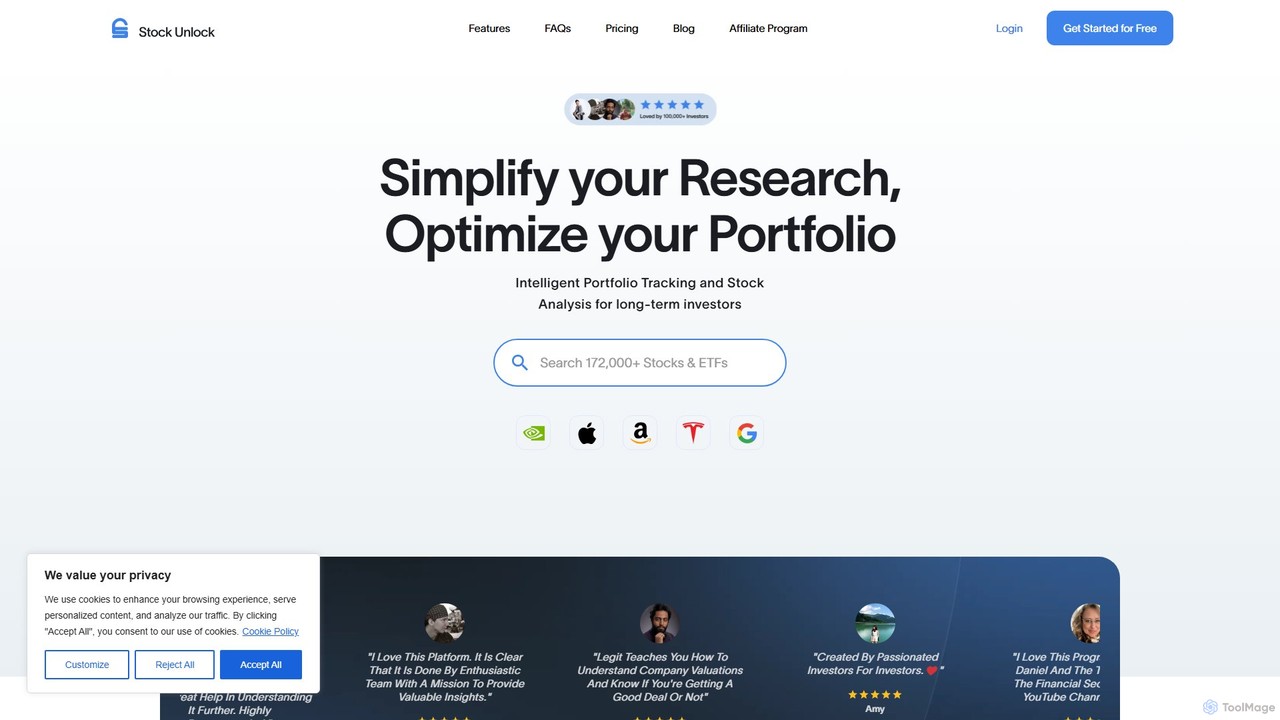
Stock Unlock

Stock Unlock

An all-in-one AI-powered platform for long-term investors, simplifying fundamental stock analysis and portfolio management. It provides comprehensive data, …

110.7K
PinkLion

PinkLion

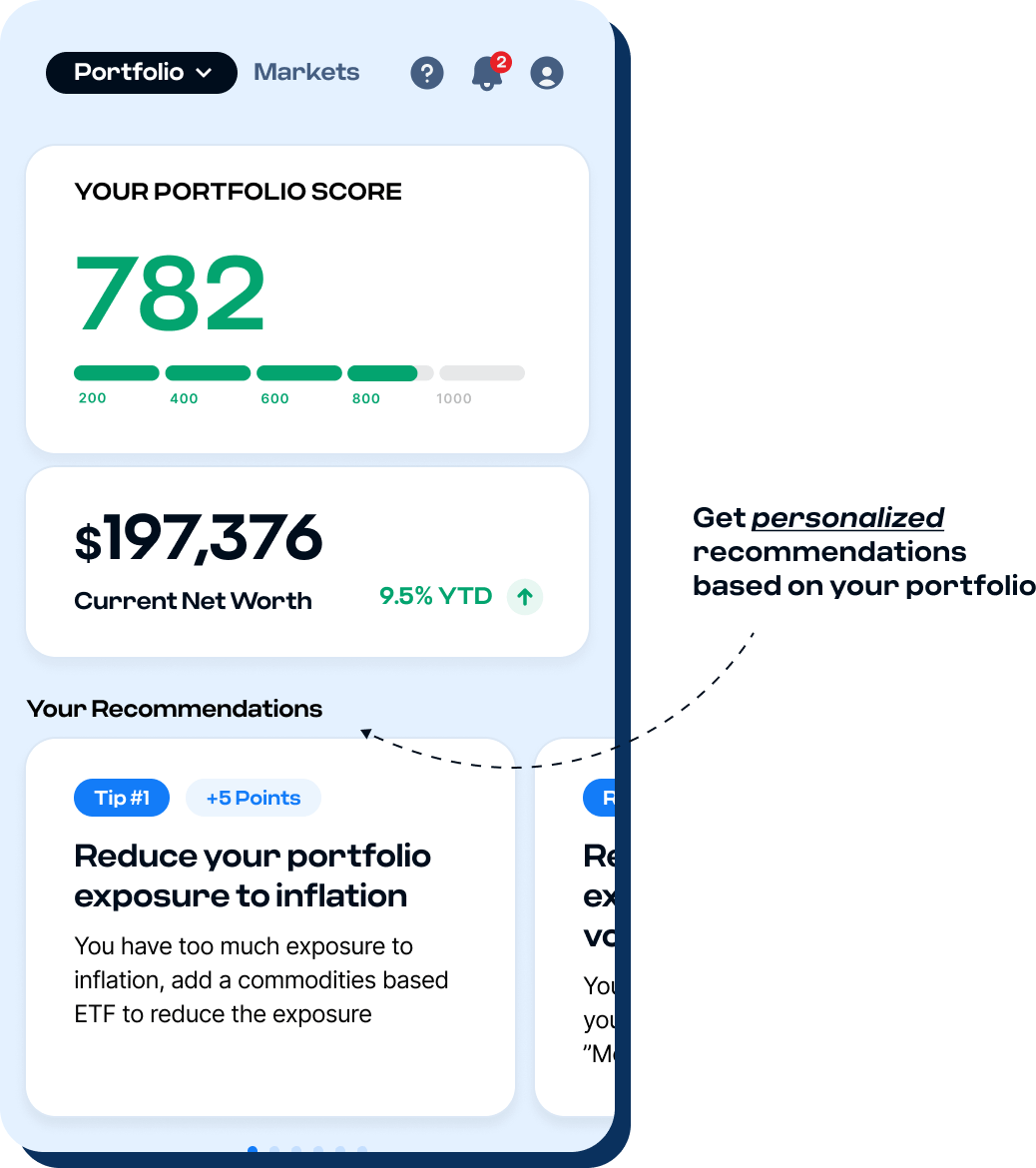
PinkLion is an AI-powered investment platform for retail investors. It unifies stocks, ETFs, and crypto into one dashboard, …

12.9K
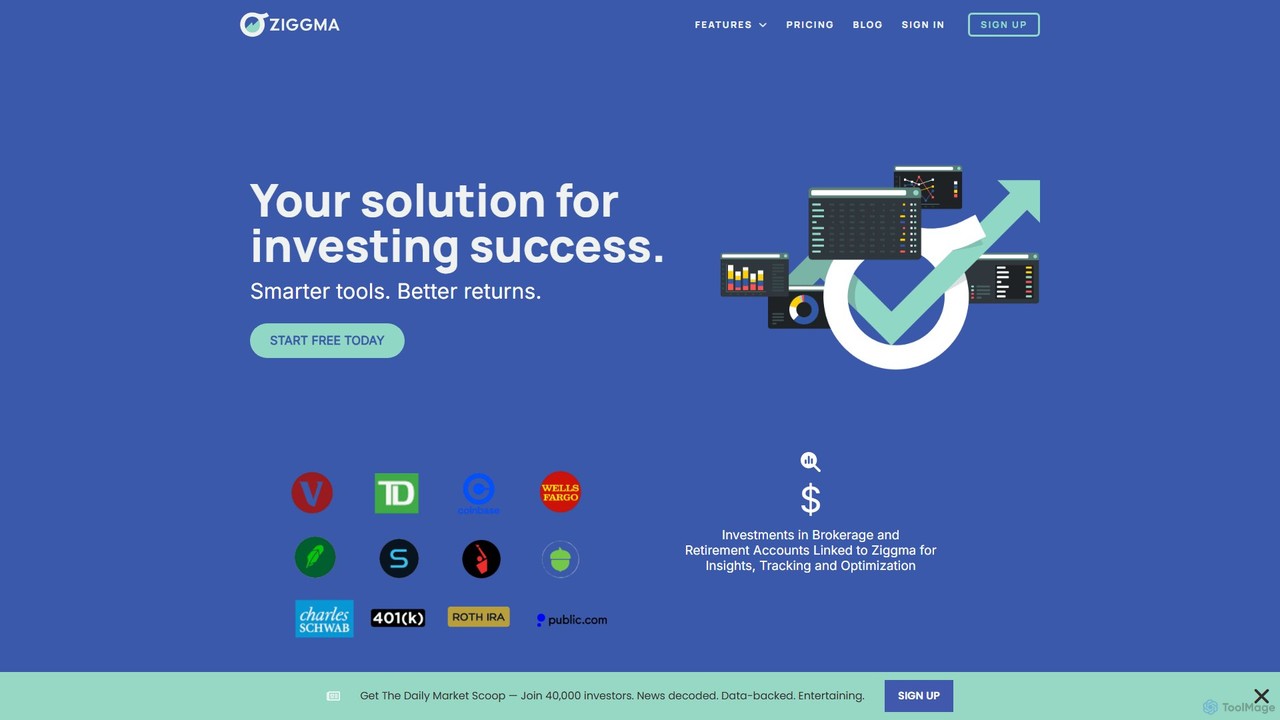
ziggma

ziggma

Ziggma is a comprehensive investment platform for DIY investors. It consolidates all your stock and ETF accounts, providing …

20.1K
Surmount

Surmount

Surmount is an AI-powered investment management platform that democratizes professional-grade trading tools. It allows users to automate their …

22.1K
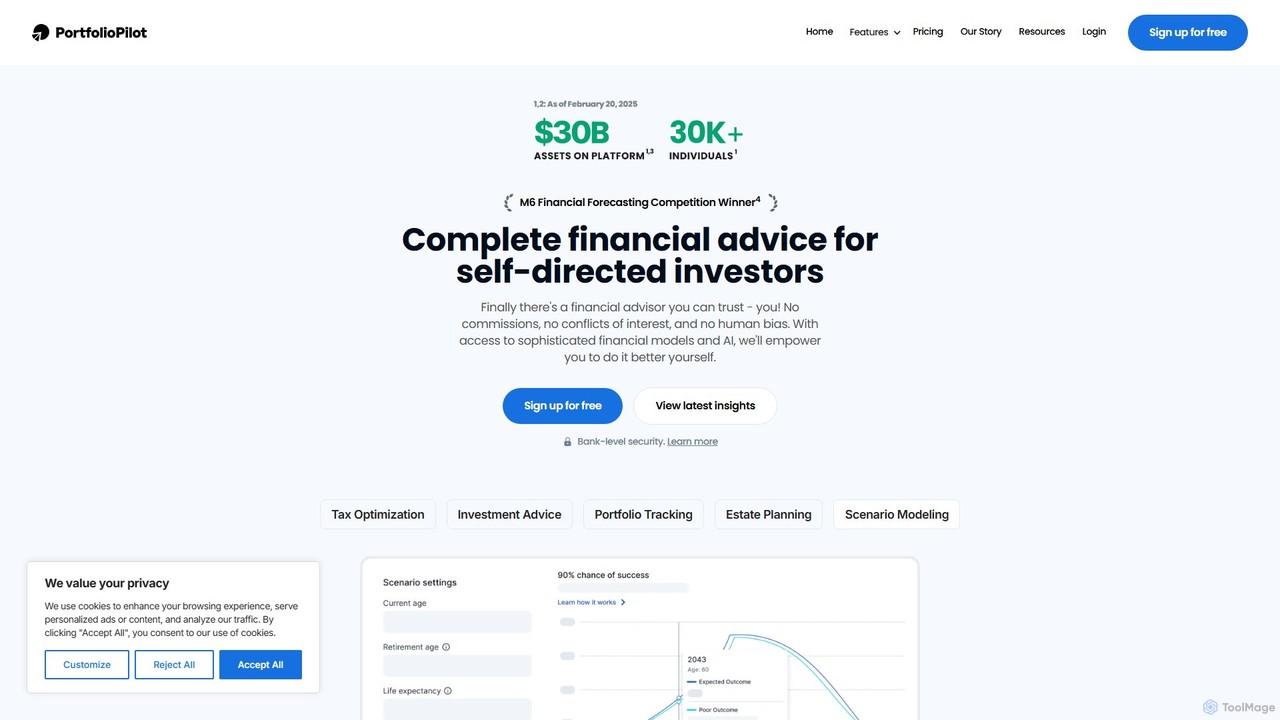
PortfolioPilot

PortfolioPilot

PortfolioPilot is an AI-powered financial advisor designed for self-directed investors. It provides comprehensive portfolio analysis, personalized investment advice, …

113.1K
Moning

Moning

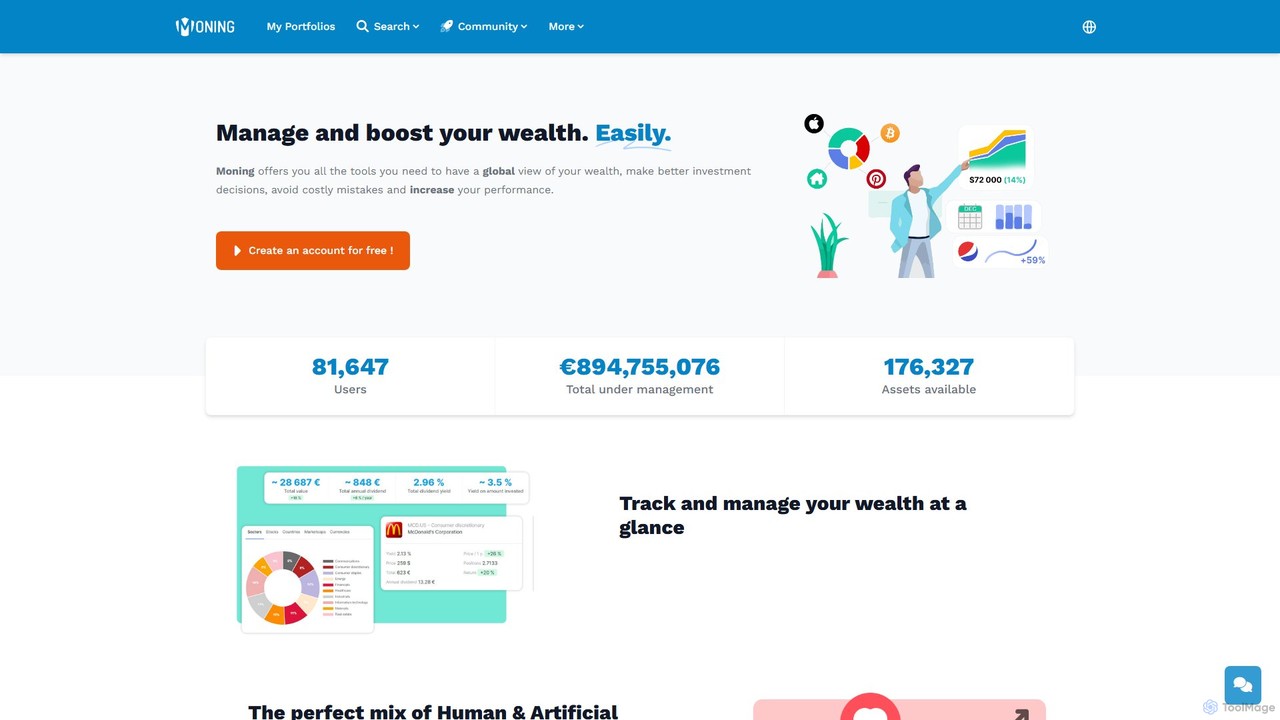
Moning is an AI-powered wealth management platform for individual investors. It provides a comprehensive dashboard to track portfolios …

127.4K
Crypto.com

Crypto.com

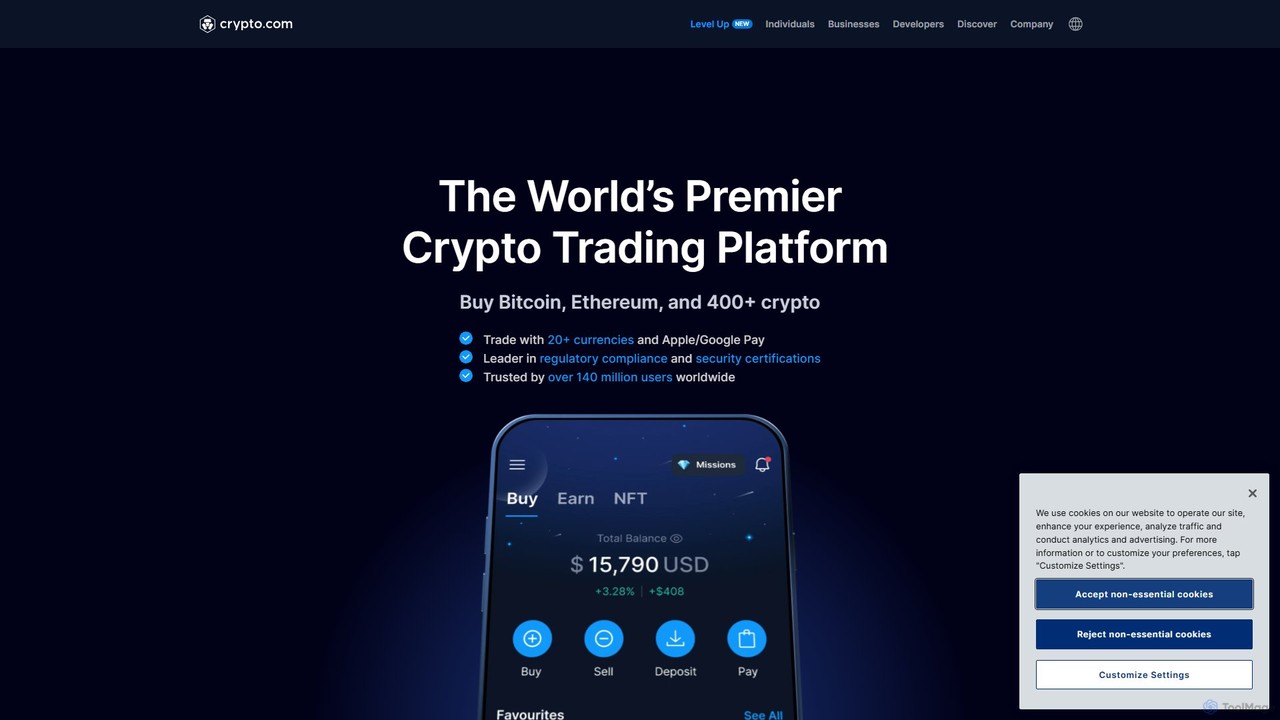
Crypto.com is a leading global cryptocurrency platform offering a comprehensive suite of services for over 140 million users. …

3.1M
SageFusion

SageFusion

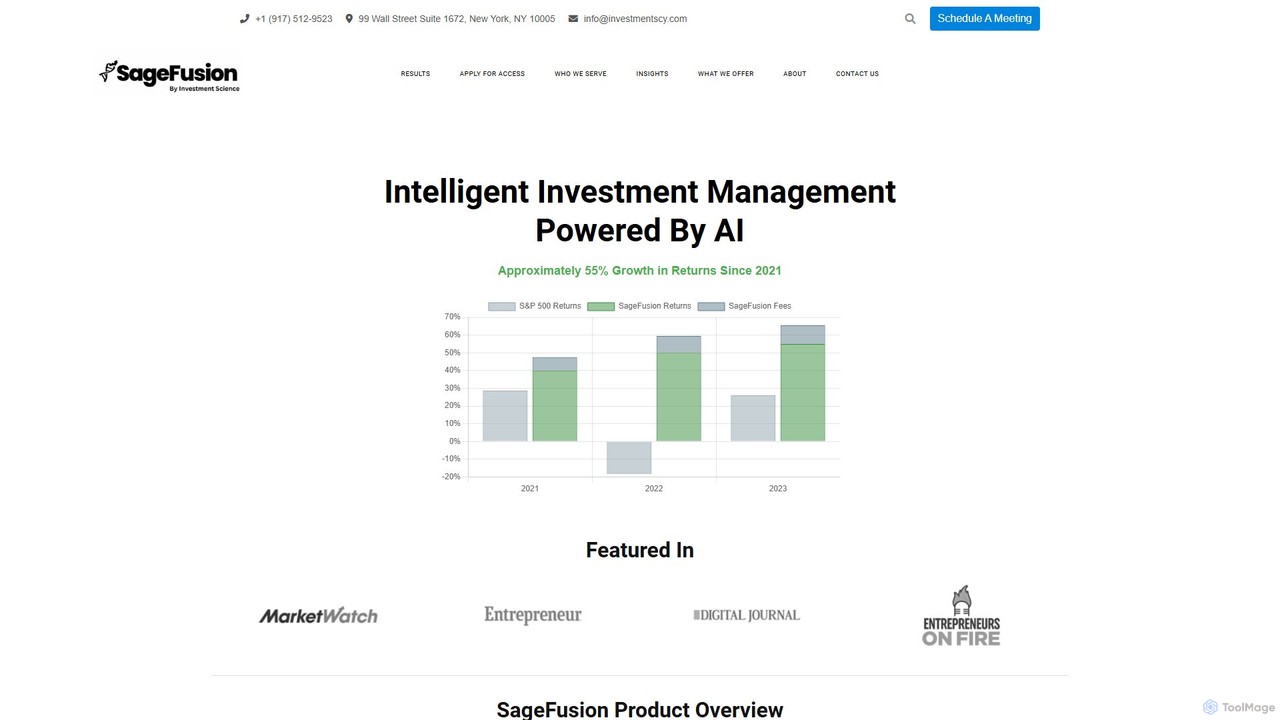
SageFusion is an AI-powered investment management platform that combines advanced technology with financial expertise to optimize portfolios. It …

3.0K
fullfolio.de

fullfolio.de

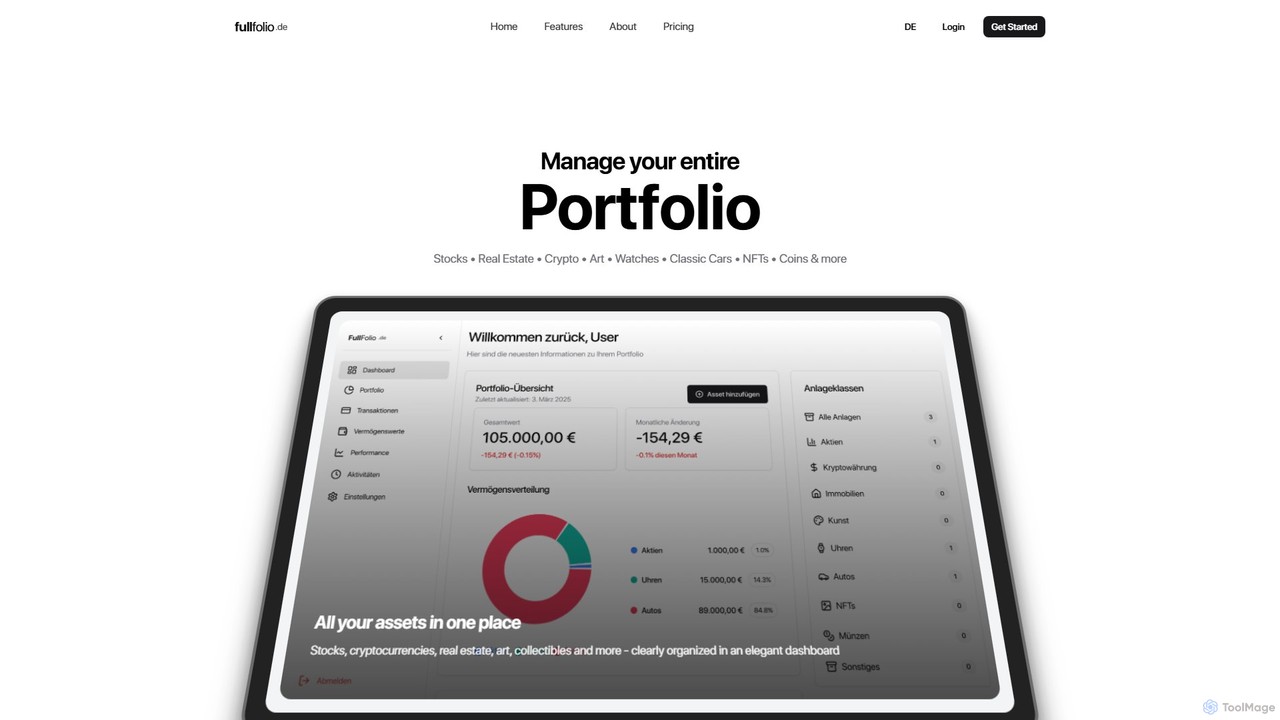
fullfolio.de is an all-in-one portfolio management platform that allows users to track a diverse range of assets in …

3.0K

About Portfolio Management

AI Portfolio Management tools are specialized platforms that leverage artificial intelligence and machine learning to analyze, construct, and optimize investment portfolios. These tools process vast amounts of market data, economic indicators, and user-specific financial goals to provide data-driven insights and automated actions. They empower investors to move beyond static strategies by offering dynamic risk assessment, predictive analytics, and personalized recommendations. This approach helps in identifying opportunities, managing risks more effectively, and aligning investments with long-term objectives.

Core Features

  • AI-Powered Risk Analysis: Utilizes advanced models like Monte Carlo simulations to assess and quantify portfolio risk under various market conditions.
  • Automated Rebalancing: Intelligently adjusts asset allocation to maintain the desired risk profile and strategic targets in response to market fluctuations.
  • Predictive Market Insights: Analyzes historical data and real-time trends to forecast potential market movements and identify investment opportunities.
  • Personalized Strategy Generation: Creates tailored investment strategies based on an individual's risk tolerance, financial goals, and time horizon.
  • Tax-Loss Harvesting: Automatically identifies and executes trades to offset capital gains with losses, maximizing after-tax returns.

Use Cases

These tools are valuable for individual investors seeking sophisticated, data-driven methods to manage their personal wealth, from retirement accounts to taxable brokerage holdings. Financial advisors and wealth managers use them to efficiently oversee multiple client portfolios, enhance service quality with AI-driven insights, and automate routine tasks. Small hedge funds and family offices also leverage these platforms for advanced analytics and strategy backtesting without the need for extensive in-house infrastructure.

How to Choose

When selecting an AI Portfolio Management tool, first consider its integration capabilities with your existing brokerage accounts. Evaluate the level of automation offered—whether you need a fully autonomous system or an AI assistant for decision support. Scrutinize the depth of its analytical models and the data sources it uses. Finally, compare the fee structures, which can range from flat subscriptions to a percentage of assets under management (AUM), to find one that aligns with your investment scale.

Portfolio ManagementUse Cases

1

Automated Retirement Portfolio Optimization

An individual nearing retirement links their 401(k) and IRA accounts to an AI portfolio management tool. The platform analyzes their age, desired retirement income, and risk tolerance. Based on this profile, it constructs a diversified portfolio of ETFs and bonds designed to provide stable growth while minimizing volatility. The AI automatically rebalances the portfolio quarterly, selling overperforming assets and buying underperforming ones to maintain the target allocation, ensuring the user's retirement plan stays on track without manual intervention.

2

Dynamic Risk Management for Active Traders

An active trader uses an AI tool to monitor their portfolio's real-time risk exposure, such as Value at Risk (VaR) and sector concentration. The AI continuously scans market news and data streams for events that could impact their holdings. If the portfolio's risk level exceeds a predefined threshold, the system sends an instant alert with suggested hedging strategies, such as buying put options or shorting a correlated asset. This allows the trader to react quickly to changing market conditions and protect their capital.

3

Tax-Efficient Investing with Tax-Loss Harvesting

A high-net-worth individual uses an AI platform's tax-loss harvesting feature to optimize their taxable investment account. Throughout the year, the AI algorithm monitors the portfolio for opportunities to sell securities at a loss. When a suitable opportunity arises, it automatically sells the asset to realize the loss, which can then be used to offset capital gains from other investments. The system immediately reinvests the proceeds into a similar, but not identical, asset to maintain the portfolio's overall strategy and market exposure, effectively lowering the investor's tax bill.

4

Building a Thematic Investment Portfolio

An investor interested in the 'Artificial Intelligence' sector uses a tool to build a thematic portfolio. They input their theme, and the AI scans thousands of stocks, ETFs, and news articles to identify relevant companies. It then presents a list of potential investments, categorized by sub-sectors (e.g., AI hardware, AI software). The tool helps the investor construct a diversified portfolio within that theme, providing data on each company's financial health, growth potential, and correlation with other assets in the portfolio to manage concentration risk.

5

Efficient Client Management for Financial Advisors

A financial advisor manages portfolios for 50 clients using an AI platform. The tool provides a centralized dashboard showing the performance and risk metrics for every client. It automatically flags portfolios that have deviated significantly from their target allocation or risk profile. The AI can also generate customized quarterly performance reports, complete with charts and commentary, which the advisor can share with clients. This automation frees up the advisor's time from manual analysis and reporting, allowing them to focus on strategic advice and client relationships.

6

Backtesting Custom Investment Strategies

An advanced investor develops a new trading hypothesis, such as 'buy technology stocks after a 10% correction and hold for 60 days.' Before risking real capital, they use the AI tool's backtesting engine. They define the strategy's rules, and the platform simulates its performance against years of historical market data. The output provides detailed analytics, including total return, maximum drawdown, and risk-adjusted returns (e.g., Sharpe ratio). This data-driven validation helps the investor refine the strategy or discard it if it proves ineffective, saving potentially significant losses.

Portfolio ManagementFrequently Asked Questions