Finance Best in category 17 results Stock Analysis AI Tool

Popular AI tools in the Stock Analysis field of Finance include Fiscal.ai、StockStory、danelfin、Stock Unlock、Stocknear、Gilin AI、EarningsCall.ai、StockGPT、Decode Investing、Stock Alpha, etc., helping you quickly improve efficiency.

Mahiti

Mahiti

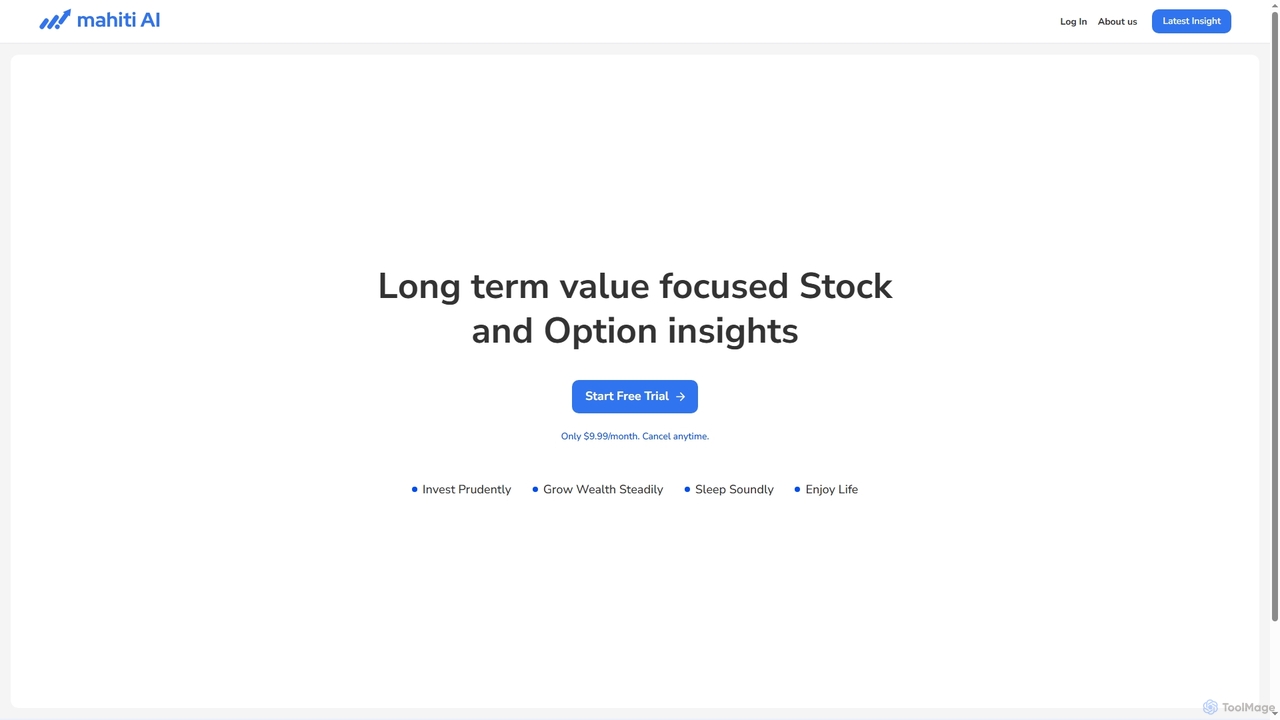
Mahiti is an AI-powered service providing stock and option insights for long-term value investors. It combines traditional fundamental …

2.7K
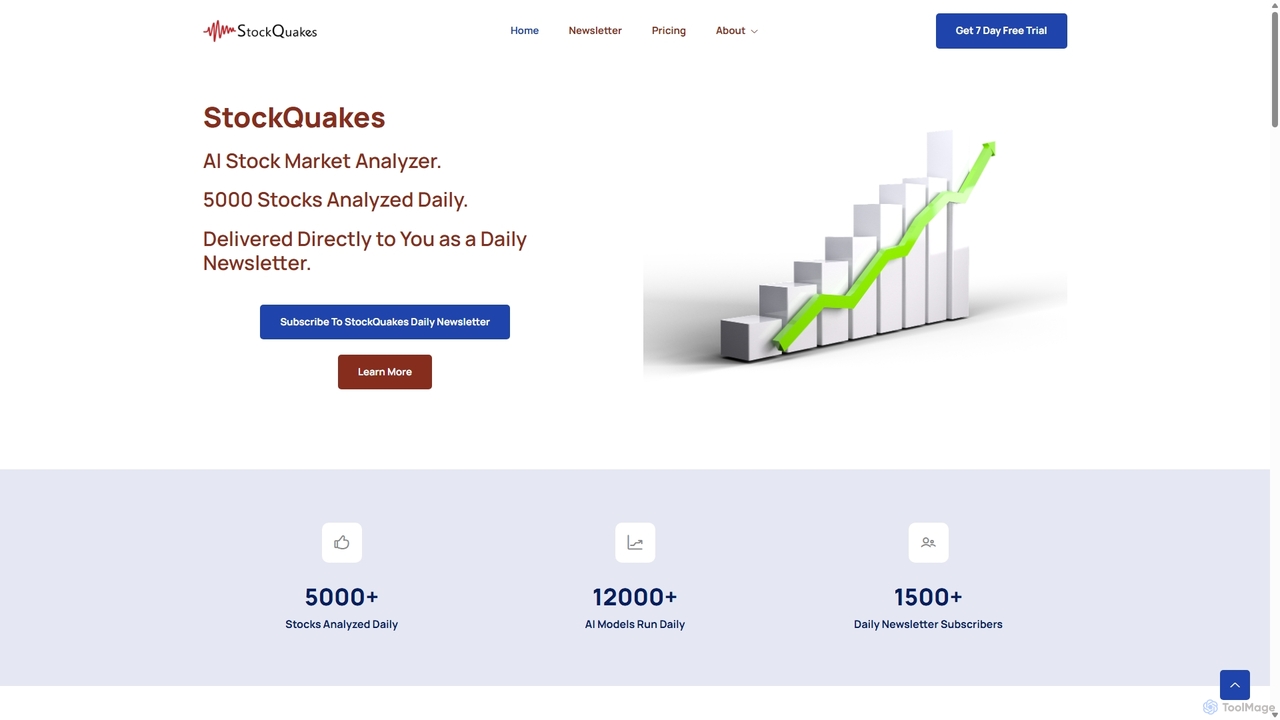
StockQuakes

StockQuakes

StockQuakes is an AI-powered stock analysis tool that scans over 5,000 stocks daily to uncover hidden market opportunities. …

2.7K
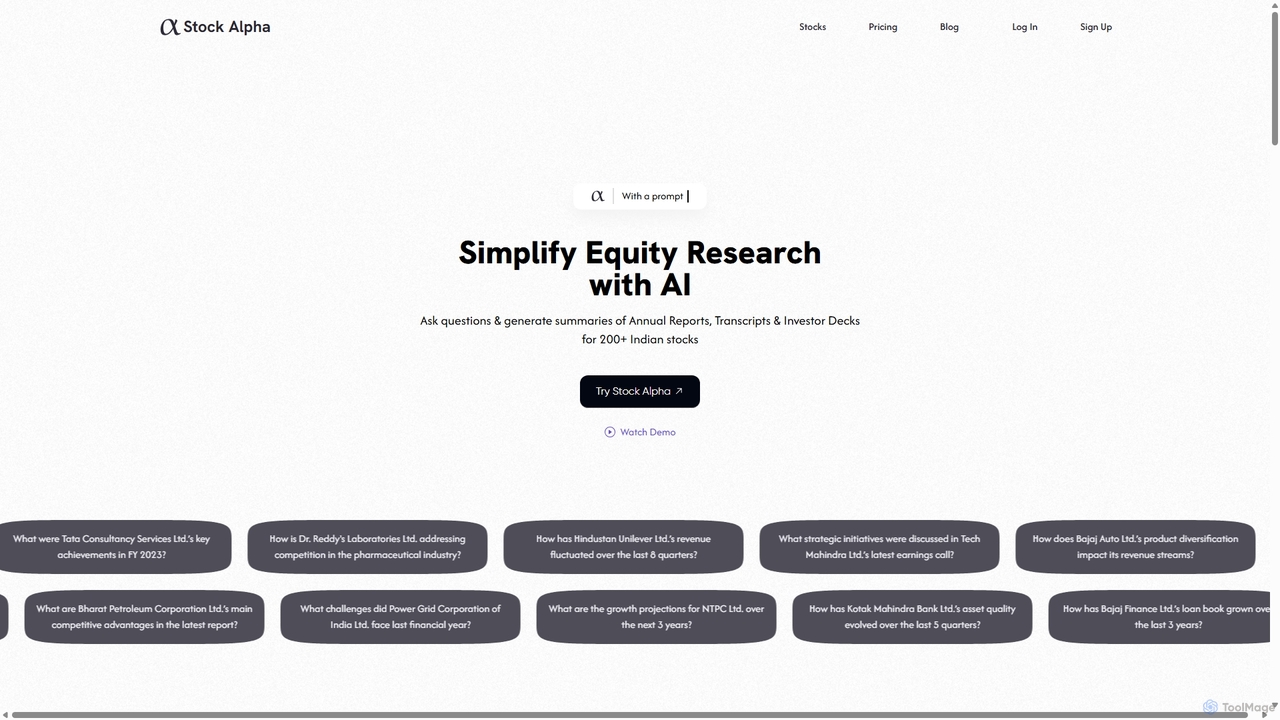
Stock Alpha

Stock Alpha

Stock Alpha is an AI-powered equity research platform designed to simplify financial analysis for Indian stocks. It allows …

4.6K
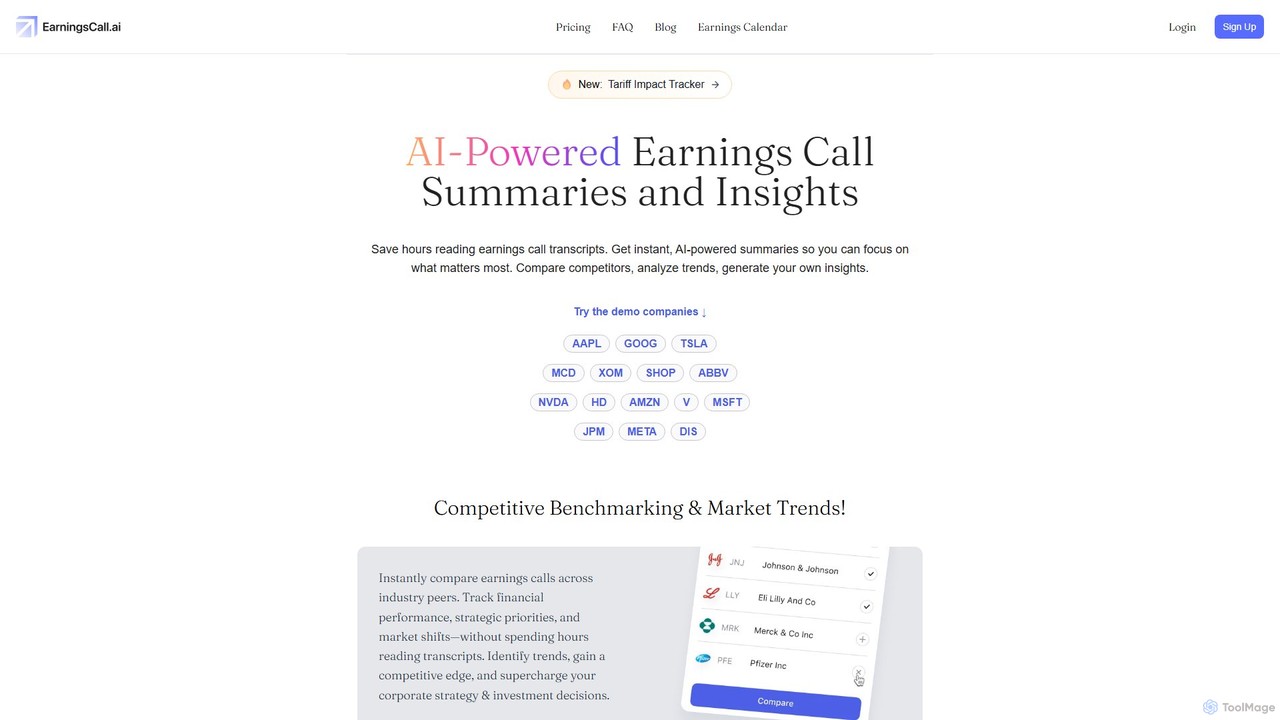
EarningsCall.ai

EarningsCall.ai

An AI-powered platform that transforms lengthy stock earnings call transcripts into concise, actionable summaries and insights. It enables …

9.8K
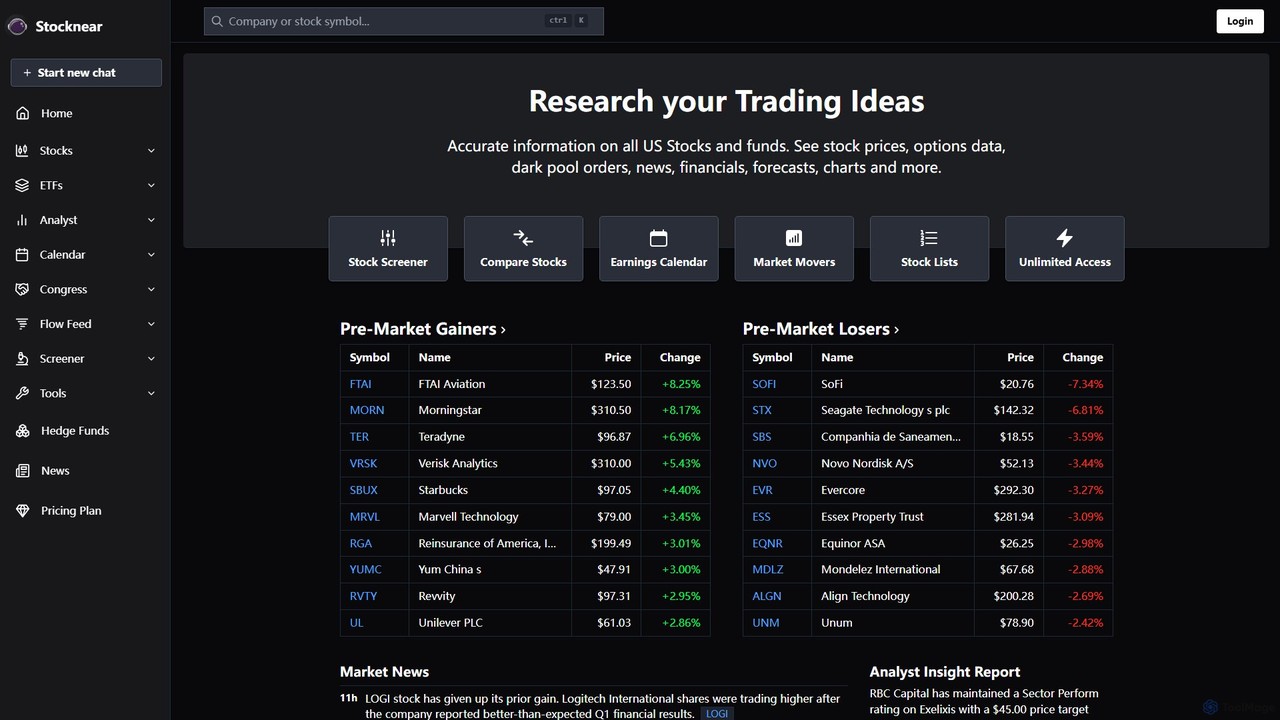
Stocknear

Stocknear

Stocknear is an AI-powered stock analysis platform providing real-time data, advanced tools, and insights for US stocks and …

20.9K
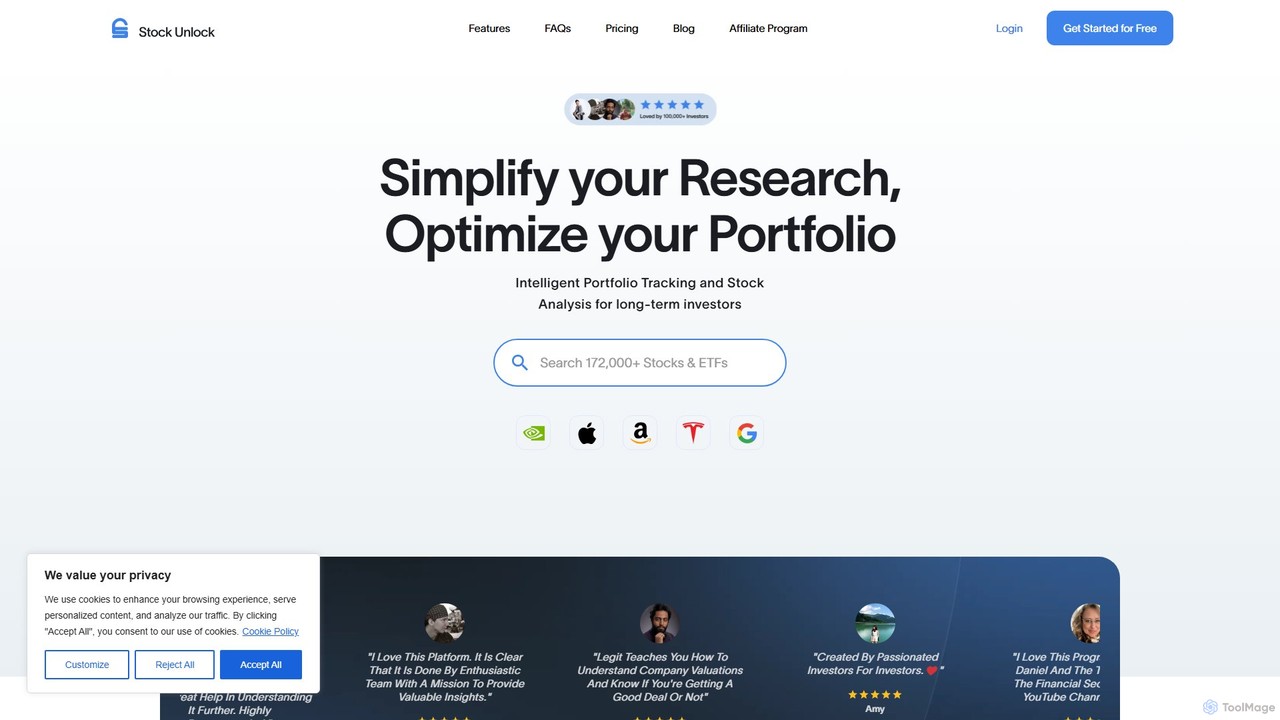
Stock Unlock

Stock Unlock

An all-in-one AI-powered platform for long-term investors, simplifying fundamental stock analysis and portfolio management. It provides comprehensive data, …

110.4K
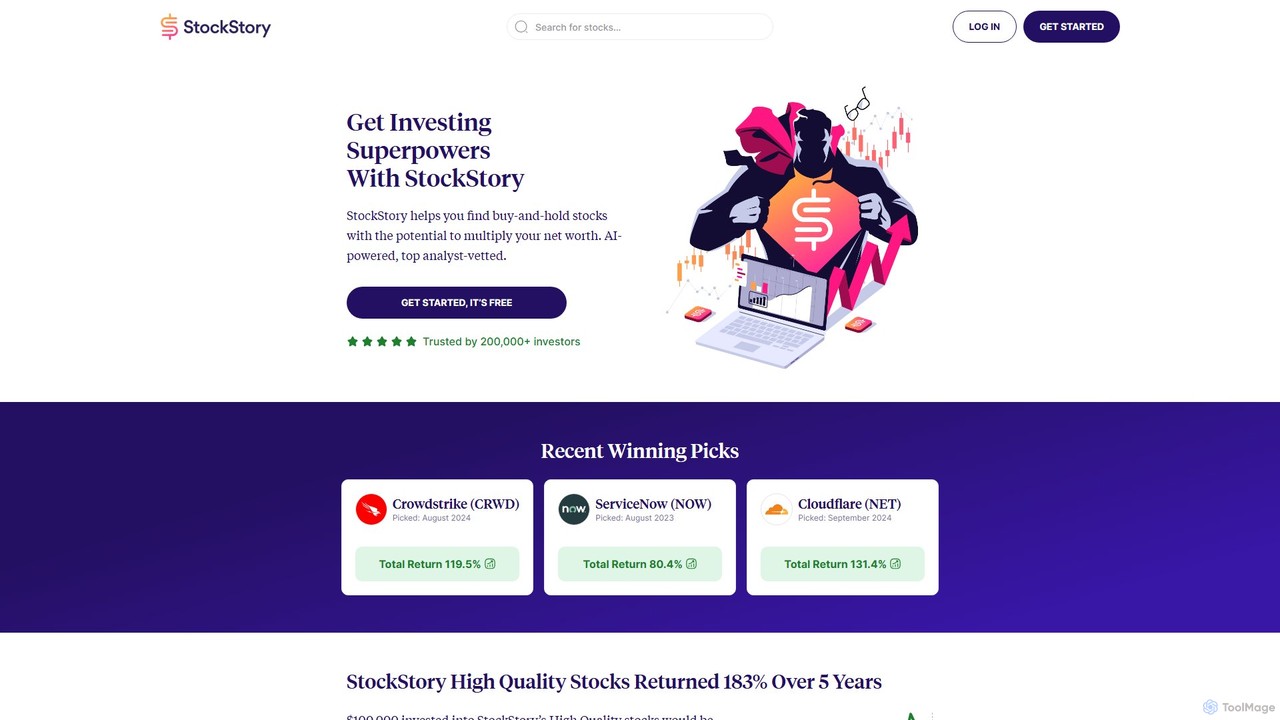
StockStory

StockStory

StockStory is an AI-powered investment research platform designed for individual investors. It combines advanced AI with vetting by …

494.5K
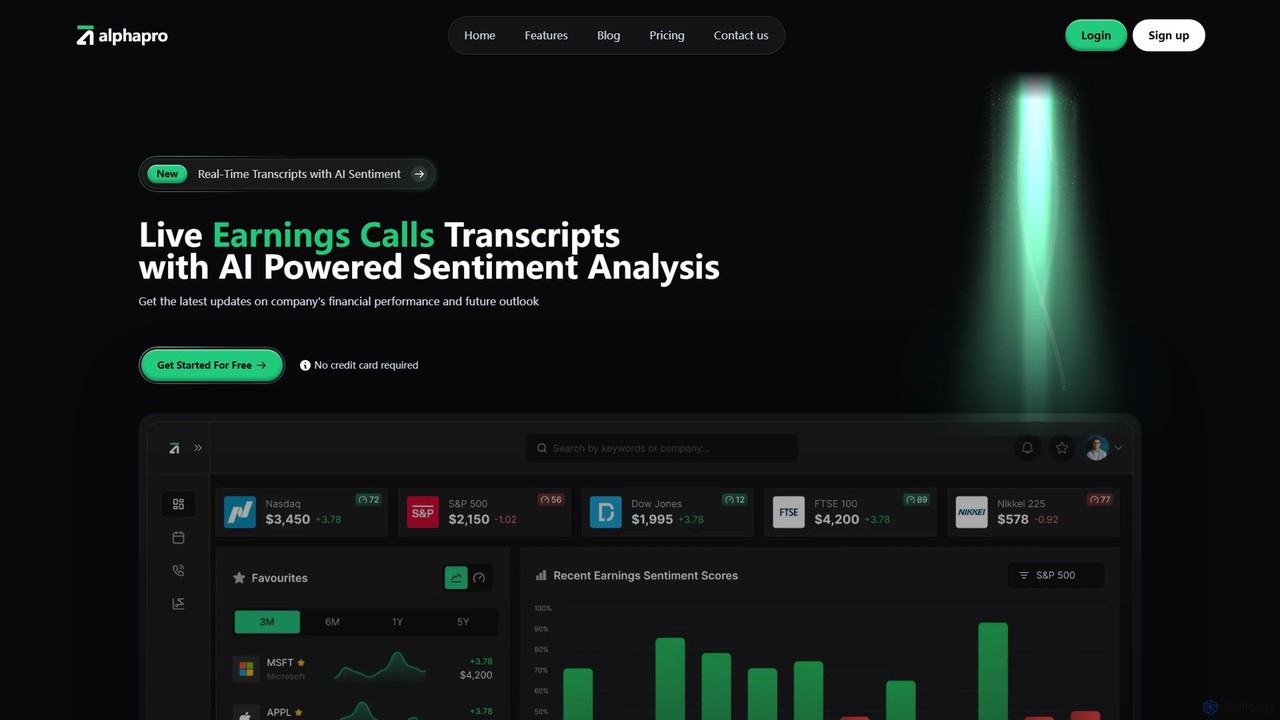
AlphaPro

AlphaPro

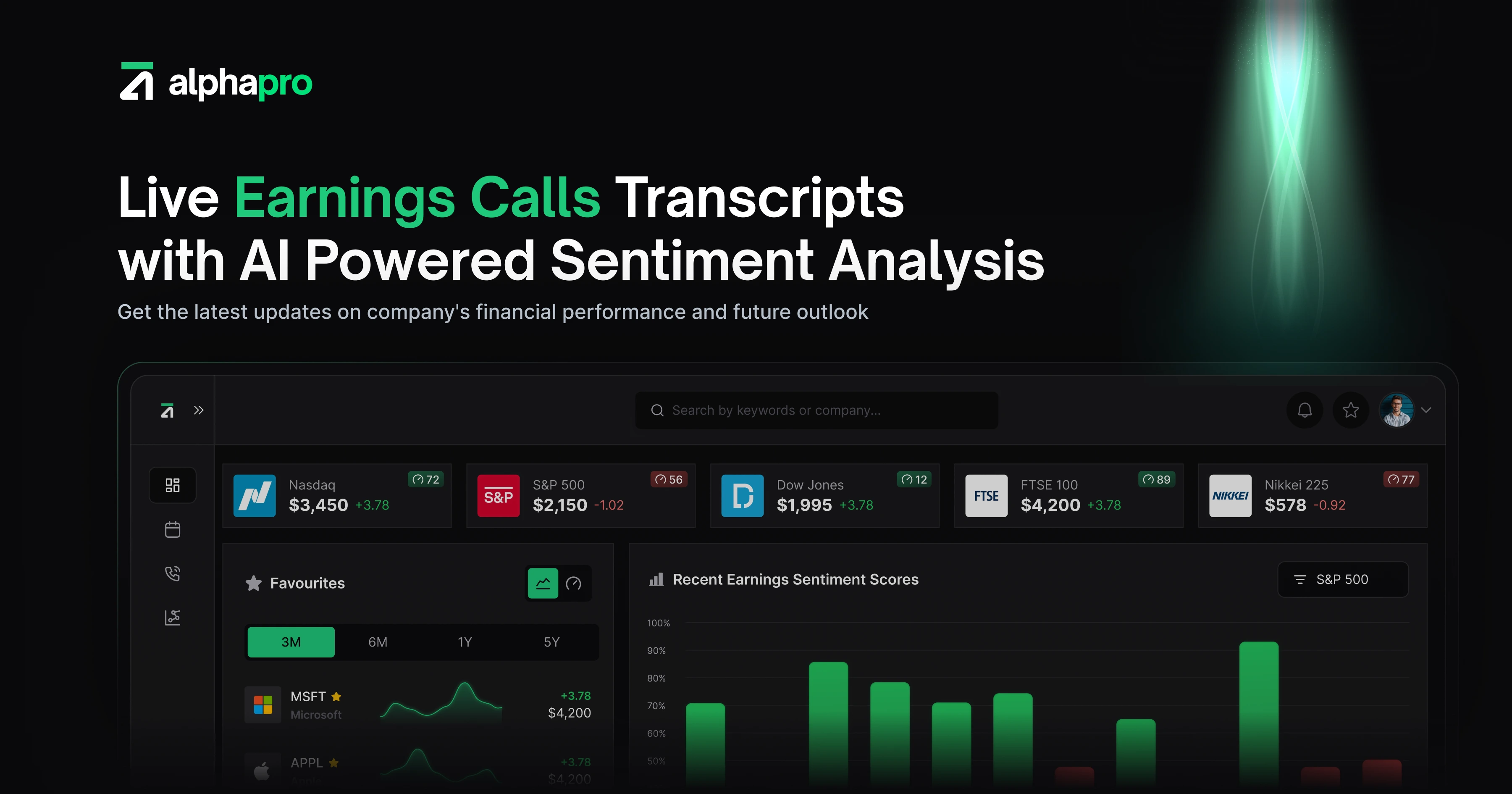
AlphaPro is an AI-powered platform providing real-time earnings call transcripts and advanced sentiment analysis. It helps investors and …

3.9K
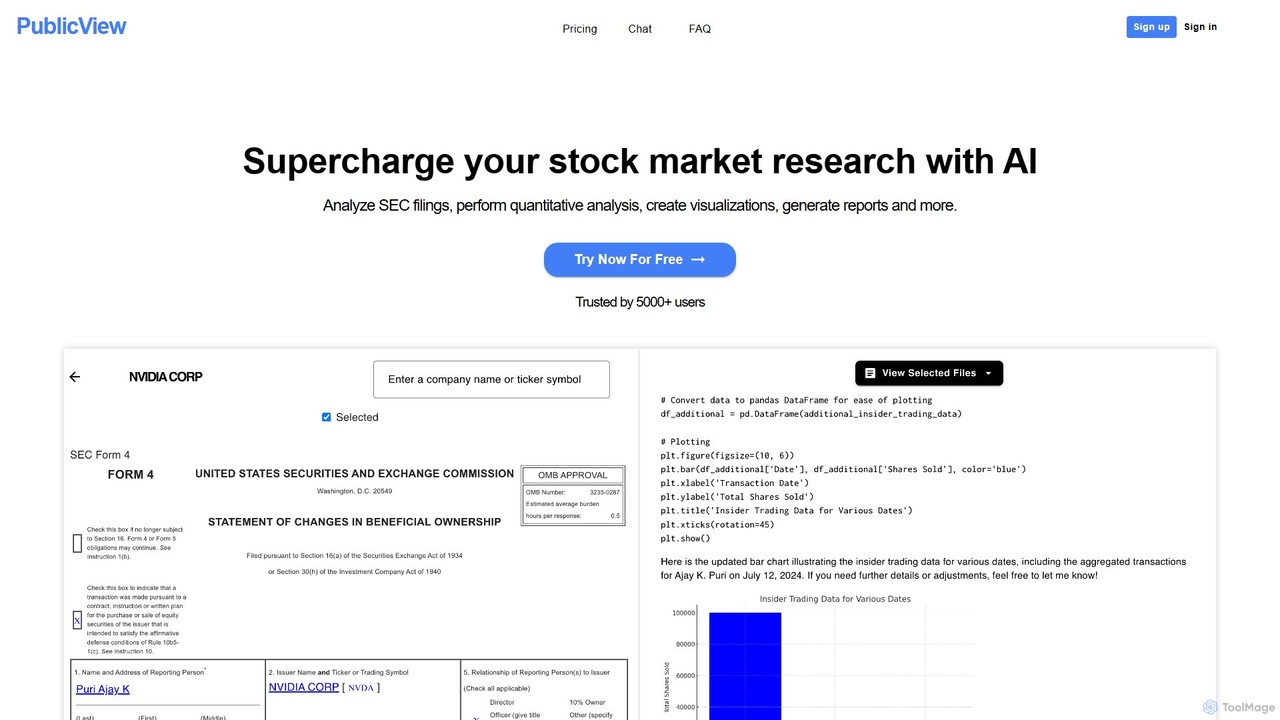
Publicview

Publicview

Publicview is an AI-powered stock market research platform that supercharges your analysis. It allows users to analyze SEC …

2.8K
Free
papermoney

papermoney

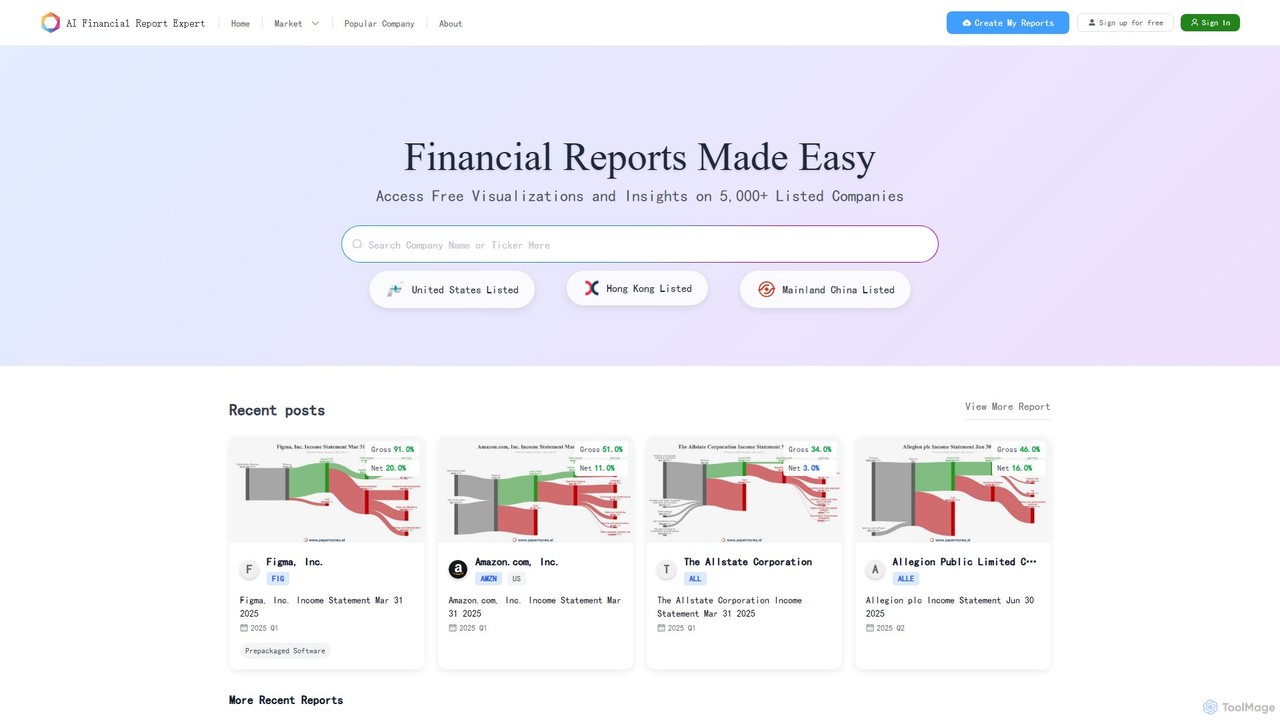
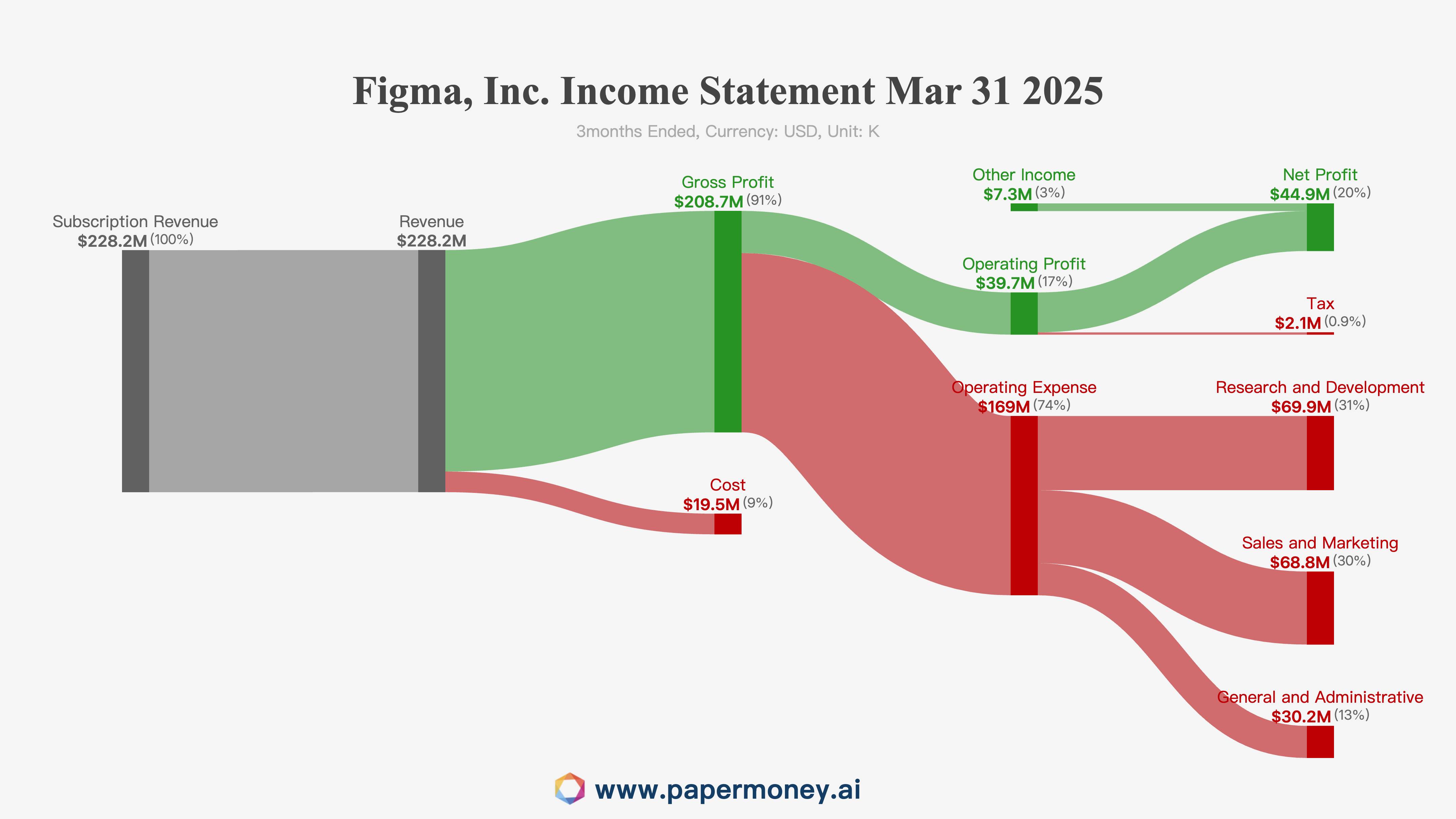
papermoney is an AI-powered financial analysis platform that transforms complex financial reports of over 5,000 public companies into …

3.5K
Fiscal.ai

Fiscal.ai

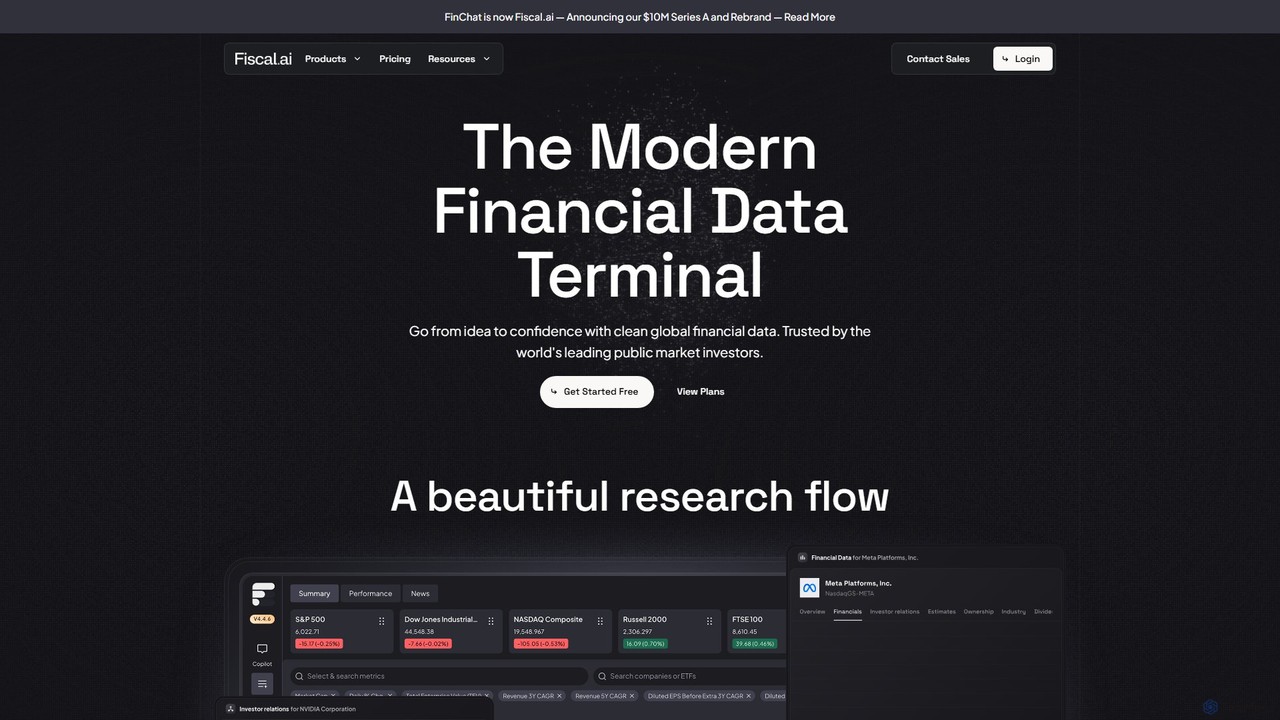
Fiscal.ai (formerly FinChat) is an AI-powered stock research platform offering institutional-grade global financial data. It combines a modern …

712.4K
danelfin

danelfin

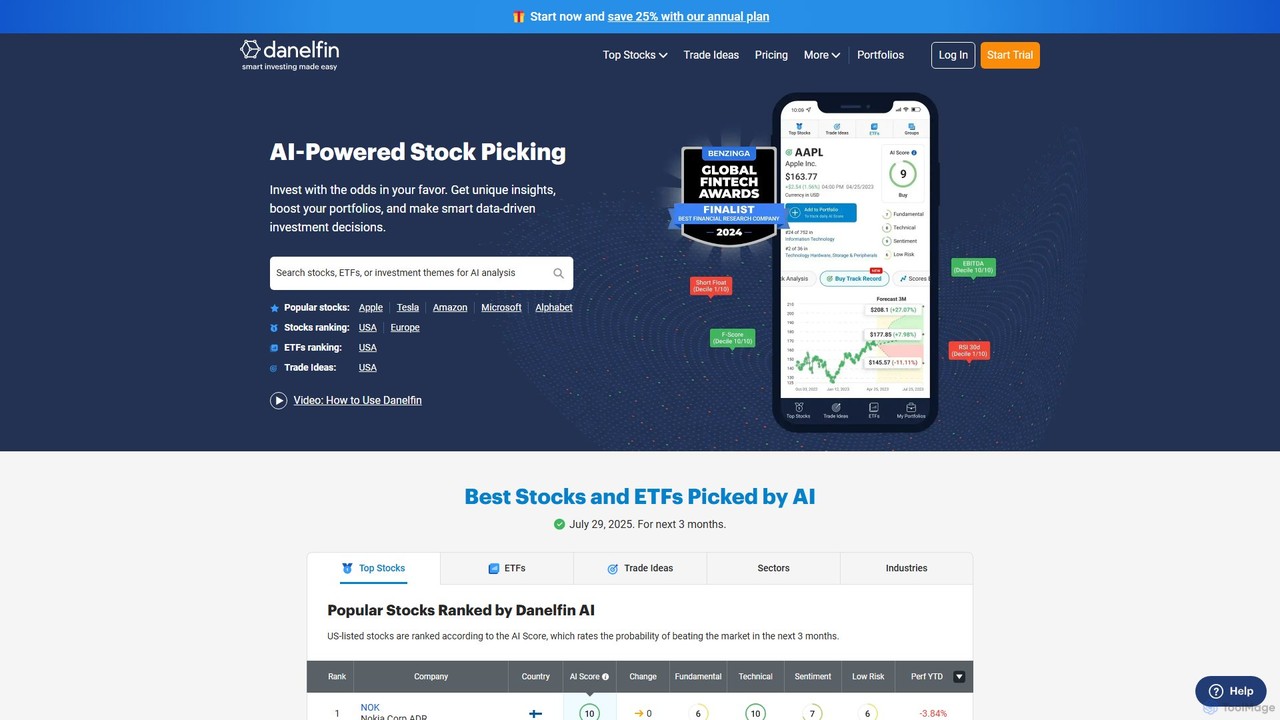
Danelfin is an AI-powered stock analytics platform that helps investors make smarter, data-driven decisions. It analyzes thousands of …

289.7K
Gilin AI

Gilin AI

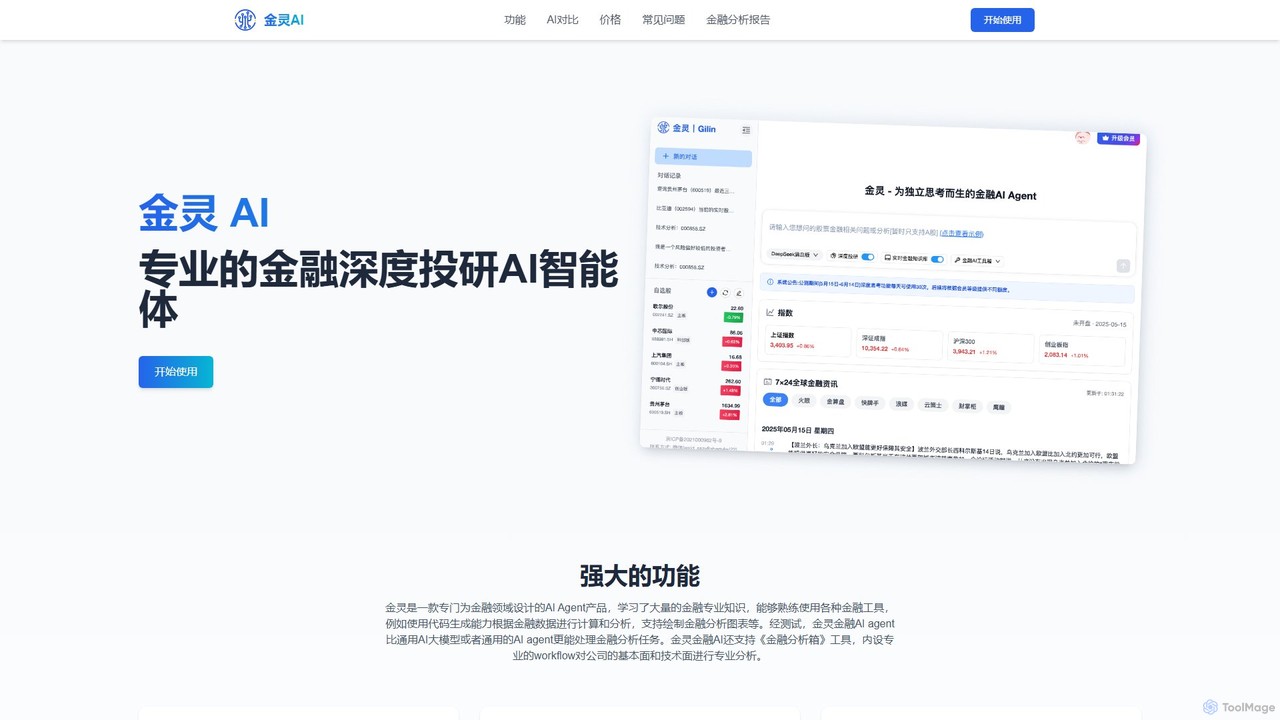
Gilin AI is a professional AI agent for in-depth financial investment research. It leverages advanced models, exclusive real-time …

11.0K
Decode Investing

Decode Investing

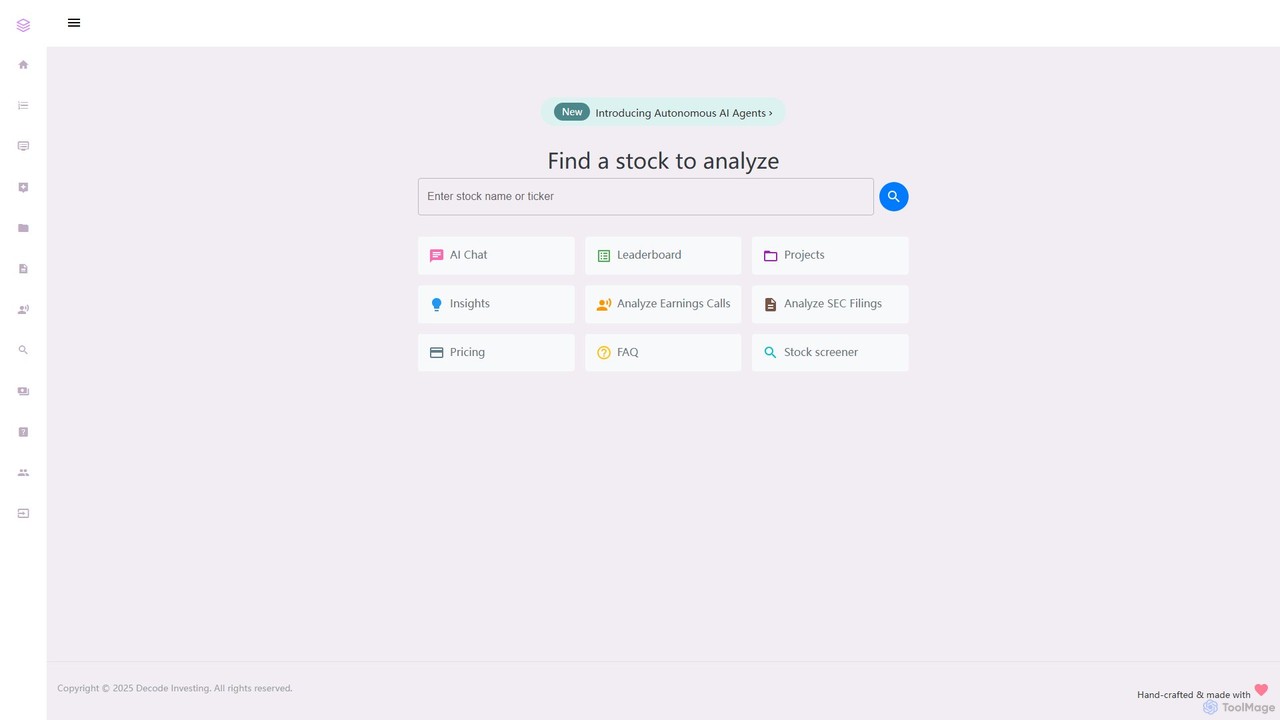
Decode Investing is an AI-powered platform designed for value investors. It provides automated fundamental analysis, stock valuation, and …

4.8K
welltrade.ai

welltrade.ai

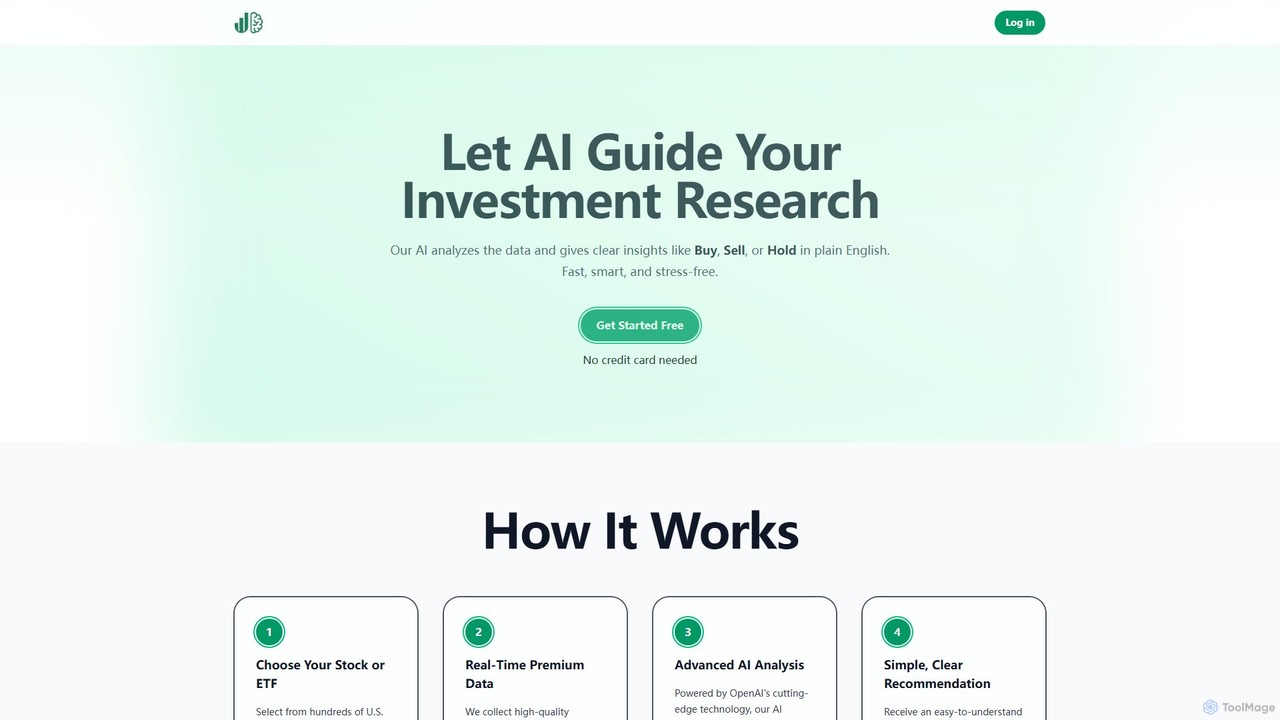
Welltrade.ai is an AI-powered investment research platform that simplifies stock and ETF analysis. It uses advanced AI to …

2.8K
Kompas AI

Kompas AI

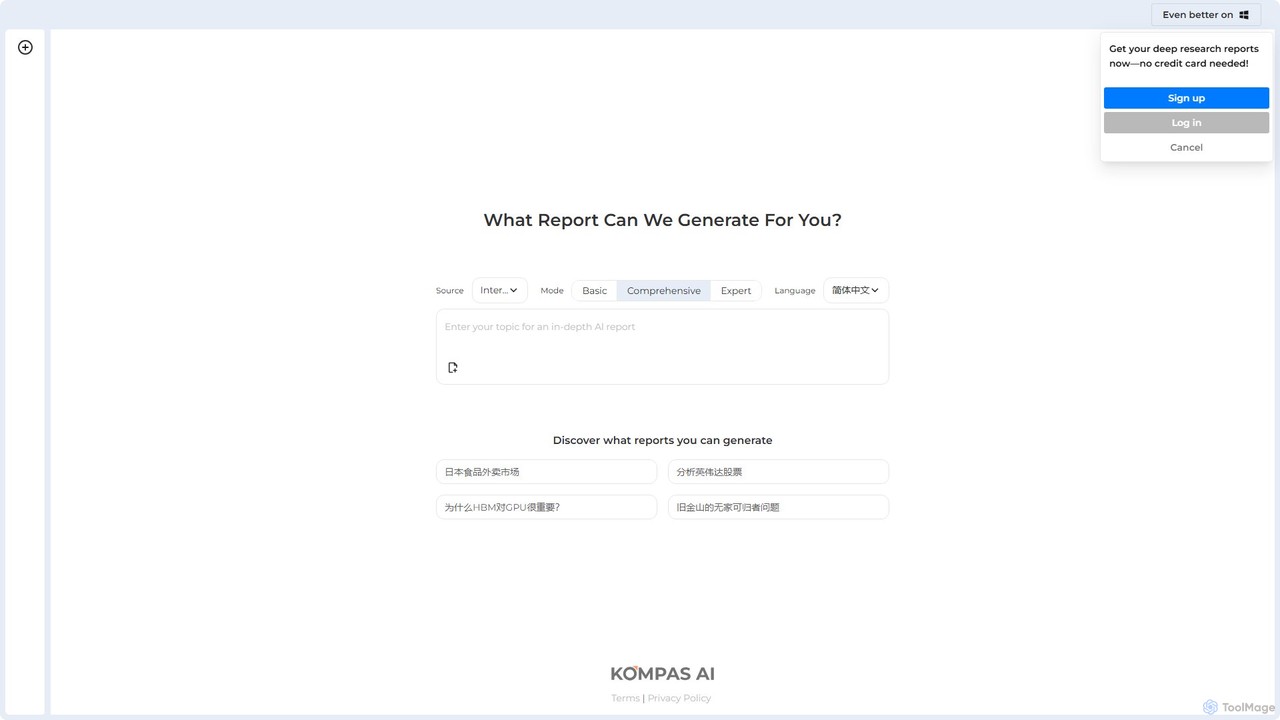
Kompas AI is an AI-powered research assistant that generates in-depth, structured reports on any topic. Simply input a …

3.1K
StockGPT

StockGPT

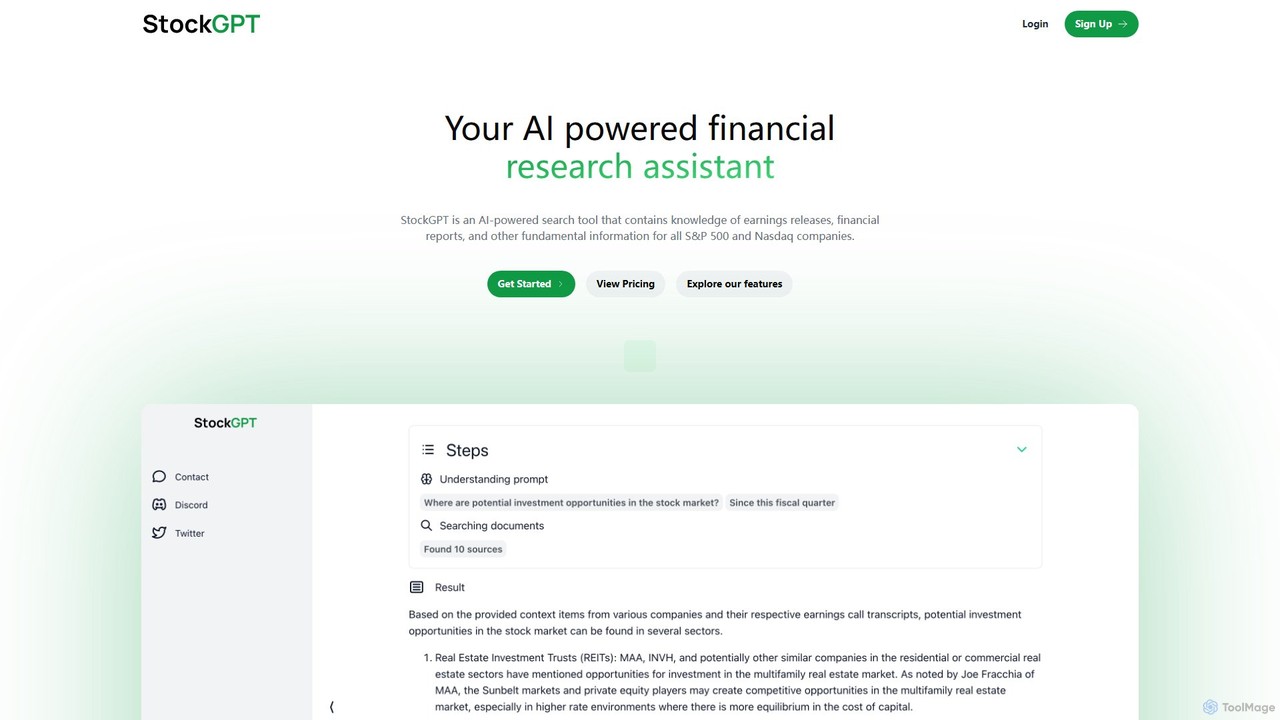
StockGPT is an AI-powered financial research platform that simplifies the analysis of company earnings call transcripts. Ask natural …

5.5K

About Stock Analysis

AI Stock Analysis tools are applications that leverage machine learning and data analysis to evaluate financial markets and individual stocks. These tools process vast datasets, including financial reports, market prices, news articles, and social media sentiment, to identify complex patterns and forecast potential trends. Their primary value lies in providing investors with data-driven insights, helping to augment human judgment and enable more informed trading or investment decisions. They excel at analyzing both quantitative and unstructured data at a scale and speed unattainable by manual methods.

Core Features

  • Quantitative Analysis: Processes numerical data such as P/E ratios, earnings reports, and historical price movements to assess stock valuation and performance.
  • Sentiment Analysis: Gauges market mood by analyzing the tone and context of news headlines, social media posts, and financial forums.
  • Predictive Modeling: Utilizes historical data and machine learning algorithms to forecast future stock price movements and market volatility.
  • Risk Assessment: Identifies and quantifies potential risks associated with specific stocks, sectors, or the overall market.
  • Automated Reporting & Alerts: Generates concise investment summaries and provides real-time alerts based on user-defined criteria or significant market events.

Use Cases

These tools are widely used by individual retail investors, day traders, quantitative analysts at hedge funds, and financial advisors. Common applications include screening for undervalued stocks, monitoring portfolio risk in real-time, backtesting algorithmic trading strategies against historical data, and quickly summarizing complex earnings reports to gain a competitive edge.

How to Choose

When selecting an AI Stock Analysis tool, consider the breadth and quality of its data sources (e.g., global markets, specific exchanges). Evaluate the types of analysis offered—whether it focuses on fundamental, technical, sentiment analysis, or a hybrid approach. Assess the level of customization for alerts and models, and check for integration capabilities with your existing brokerage platforms for seamless execution.

Stock AnalysisUse Cases

1

Identifying Undervalued Growth Stocks

A retail investor aims to build a long-term portfolio but lacks the time to manually research thousands of companies. Using an AI Stock Analysis tool, they set up a screen with specific criteria: a P/E ratio below 20, year-over-year revenue growth above 15%, and a positive news sentiment score. The AI scans the entire market in minutes, presenting a shortlist of 10-15 potential stocks that fit these complex parameters. This allows the investor to focus their deep-dive research on a manageable number of high-potential candidates, significantly improving efficiency and discovery.

2

Real-time Market Sentiment Monitoring

A day trader needs to react instantly to market-moving news. They use an AI analysis tool to monitor social media platforms, financial news outlets, and forums for chatter related to their target stocks. The tool is configured to send an immediate alert to their phone if it detects a sudden spike in negative sentiment or a credible rumor circulating about a company. This early warning system allows the trader to exit a position before a widespread sell-off occurs, protecting their capital from sharp, sentiment-driven price drops.

3

Automated Earnings Report Analysis

A hedge fund analyst is responsible for covering 50 different companies. During earnings season, it's impossible to read every 100-page report instantly. They use an AI tool that automatically ingests quarterly earnings reports and transcripts the moment they are released. The AI generates a one-page summary highlighting key metrics (EPS, revenue vs. estimates), identifies changes in management's tone (e.g., more cautious language), and flags any unusual items in the financial statements. This allows the analyst to quickly grasp the essence of the report and prioritize which companies require immediate, deeper analysis.

4

Backtesting Algorithmic Trading Strategies

A quantitative analyst ('quant') develops a new trading strategy based on momentum indicators and volatility. Before risking real capital, they use an AI analysis platform to backtest the strategy against 20 years of historical market data. The platform simulates trades according to the algorithm's rules, providing detailed performance metrics like Sharpe ratio, maximum drawdown, and overall profitability. The AI can also run thousands of variations to optimize parameters, such as the ideal holding period or stop-loss level, helping the quant refine the strategy for better risk-adjusted returns before live deployment.

5

Portfolio Risk Assessment and Stress Testing

A financial advisor manages portfolios for multiple clients. To provide better advice, they use an AI tool to analyze each portfolio's risk exposure. The tool identifies over-concentration in specific sectors or stocks and calculates metrics like Value at Risk (VaR). More importantly, the advisor can run stress tests, simulating market shocks like a sudden 20% drop in the tech sector or an unexpected interest rate hike. The AI shows how each portfolio would perform under these scenarios, allowing the advisor to proactively rebalance holdings and have informed conversations with clients about potential risks.

6

Predicting Sector Rotation Trends

An institutional investor needs to make strategic asset allocation decisions. They use a sophisticated AI platform that analyzes macroeconomic data (like inflation rates and GDP growth), fund flow information, and industry-specific news. The AI model identifies leading indicators that historically precede shifts in market leadership from one sector (e.g., technology) to another (e.g., energy or healthcare). By providing probabilistic forecasts on which sectors are likely to outperform in the next quarter, the tool helps the investor position their macro portfolio ahead of major market rotations, aiming to capture alpha.

Stock AnalysisFrequently Asked Questions