Data Analysis Best in category 3 results Financial Modeling AI Tool

Popular AI tools in the Financial Modeling field of Data Analysis include Synctron、Publicview、Toggle AI, etc., helping you quickly improve efficiency.

Synctron

Synctron

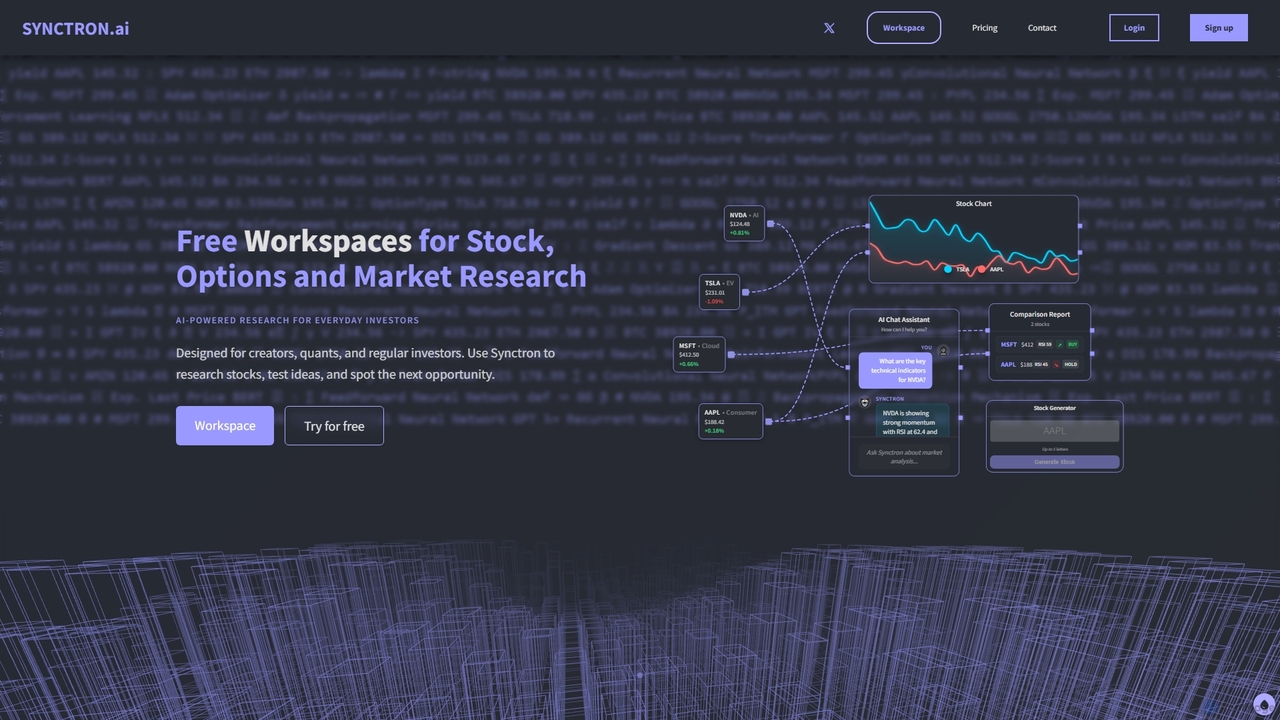
Synctron appears to be an advanced AI platform leveraging sophisticated machine learning models like Recurrent Neural Networks, Transformers, …

2.4K
Toggle AI

Toggle AI

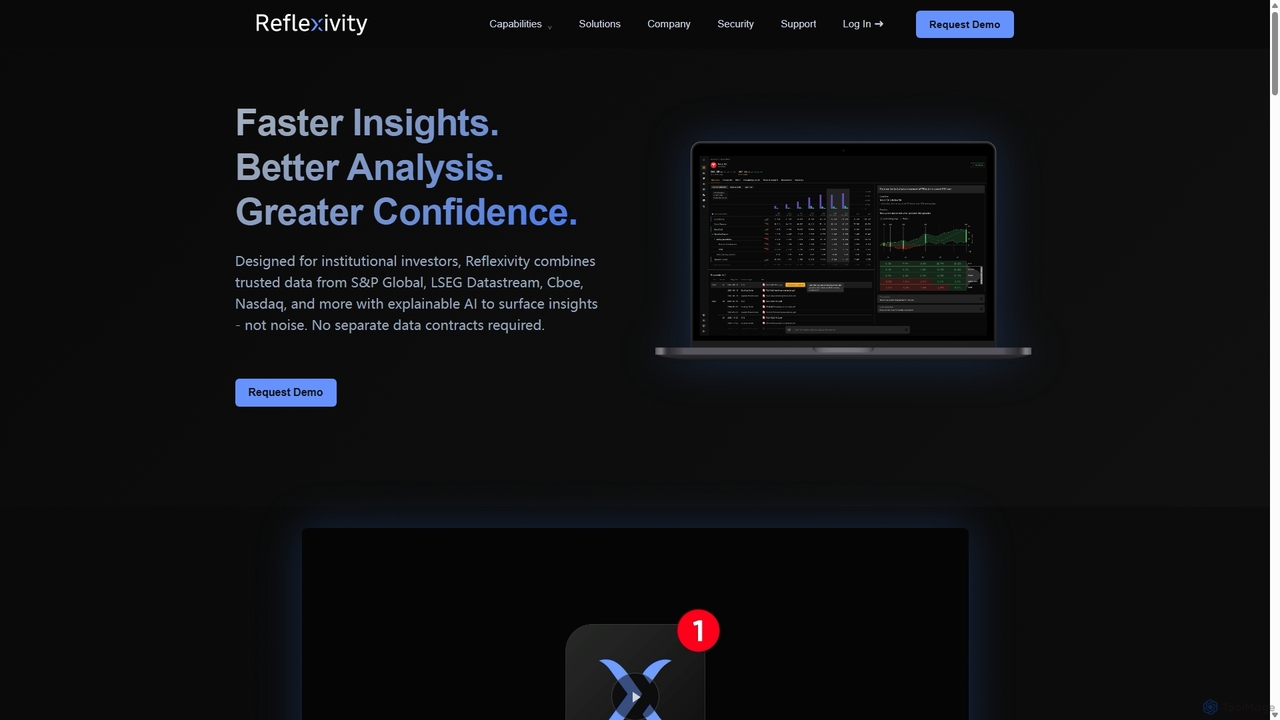
Toggle AI (now Reflexivity) is an institutional-grade investment analysis platform. It leverages explainable AI and trusted data from …

2.3K
Publicview

Publicview

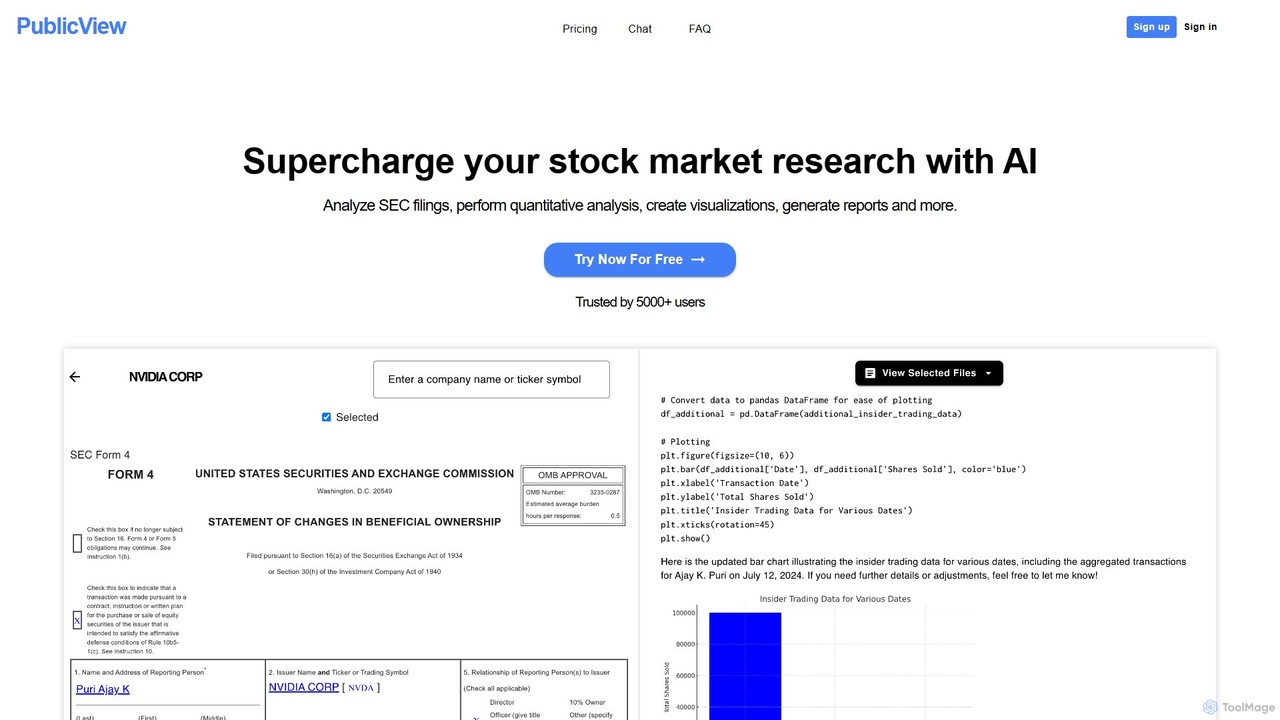
Publicview is an AI-powered stock market research platform that supercharges your analysis. It allows users to analyze SEC …

2.4K

About Financial Modeling

Financial Modeling tools are AI-powered solutions designed to construct, analyze, and interpret complex financial models with enhanced speed and accuracy. Leveraging advanced algorithms and machine learning, these tools automate data ingestion, perform predictive analytics, and facilitate sophisticated scenario planning. They empower finance professionals, investors, and business strategists to make data-driven decisions, assess investment opportunities, and manage financial risks more effectively within the broader field of data analysis.

Core Features

  • Automated Data Integration: Seamlessly ingests financial data from various sources, reducing manual input and errors.
  • Predictive Forecasting: Utilizes machine learning to generate accurate financial forecasts for revenues, expenses, and cash flows.
  • Scenario & Sensitivity Analysis: Models multiple future outcomes and assesses the impact of changing variables on financial performance.
  • Valuation & Investment Analysis: Supports discounted cash flow (DCF), comparable company analysis, and other valuation methodologies.
  • Risk Assessment & Optimization: Identifies potential financial risks and suggests strategies for capital allocation and portfolio optimization.

Applicable Scenarios

These tools are crucial for corporate finance departments conducting strategic planning, investment banks performing due diligence for M&A, and private equity firms evaluating potential acquisitions. Startups also leverage them for fundraising projections, while individual investors use them for personal portfolio optimization and wealth management.

How to Choose

When selecting an AI financial modeling tool, consider its integration capabilities with existing financial systems, the breadth and depth of its modeling functionalities (e.g., specific valuation methods, Monte Carlo simulations), the level of customization offered for model building, and its compliance with industry regulations. Ease of use, data security, and the clarity of its reporting features are also vital for effective decision-making.

Financial ModelingUse Cases

1

Automated Quarterly Financial Forecasting

For corporate finance teams, AI financial modeling tools automate the process of generating quarterly revenue, expense, and cash flow forecasts. By analyzing historical data and market trends, the AI predicts future performance with higher accuracy, reducing the manual effort and time typically spent on spreadsheet-based forecasting, allowing analysts to focus on strategic insights rather than data crunching.

2

Strategic Scenario Planning for Market Volatility

Corporate strategists use these tools to simulate various economic scenarios, such as interest rate hikes or supply chain disruptions. The AI models the financial impact of each scenario on profitability, liquidity, and solvency, providing clear insights into potential risks and opportunities, enabling proactive decision-making and robust contingency planning.

3

Investment Valuation for M&A Due Diligence

Investment bankers and private equity analysts leverage AI financial modeling to rapidly build and analyze valuation models for target companies during mergers and acquisitions. The tools can quickly process vast amounts of financial statements, identify key drivers, and perform sensitivity analysis on deal terms, accelerating the due diligence process and informing negotiation strategies.

4

Optimizing Capital Allocation for New Projects

Business leaders utilize AI financial modeling to evaluate the financial viability and return on investment (ROI) of new projects or initiatives. The tools help model different funding structures, project timelines, and expected cash flows, allowing for optimal capital allocation decisions that align with strategic objectives and maximize shareholder value.

5

Personalized Portfolio Risk Assessment

Individual investors and wealth managers employ AI financial modeling to assess the risk profile of investment portfolios. The AI can simulate market crashes, inflation spikes, or other adverse events, showing potential portfolio performance under stress. This helps in rebalancing portfolios, setting realistic expectations, and making informed decisions to protect and grow wealth.

6

Real-time Budgeting and Variance Analysis

Finance controllers and department heads use AI financial modeling for dynamic budgeting and continuous variance analysis. The tools integrate with accounting systems to track actual spending against budgeted figures in real-time, automatically highlighting significant deviations and their potential causes, facilitating immediate corrective actions and more agile financial management.

Financial ModelingFrequently Asked Questions