Data Analysis Best in category 4 results Analytics AI Tool

Popular AI tools in the Analytics field of Data Analysis include Meeko、Nori、statpickai、Gamaa, etc., helping you quickly improve efficiency.

Gamaa

Gamaa

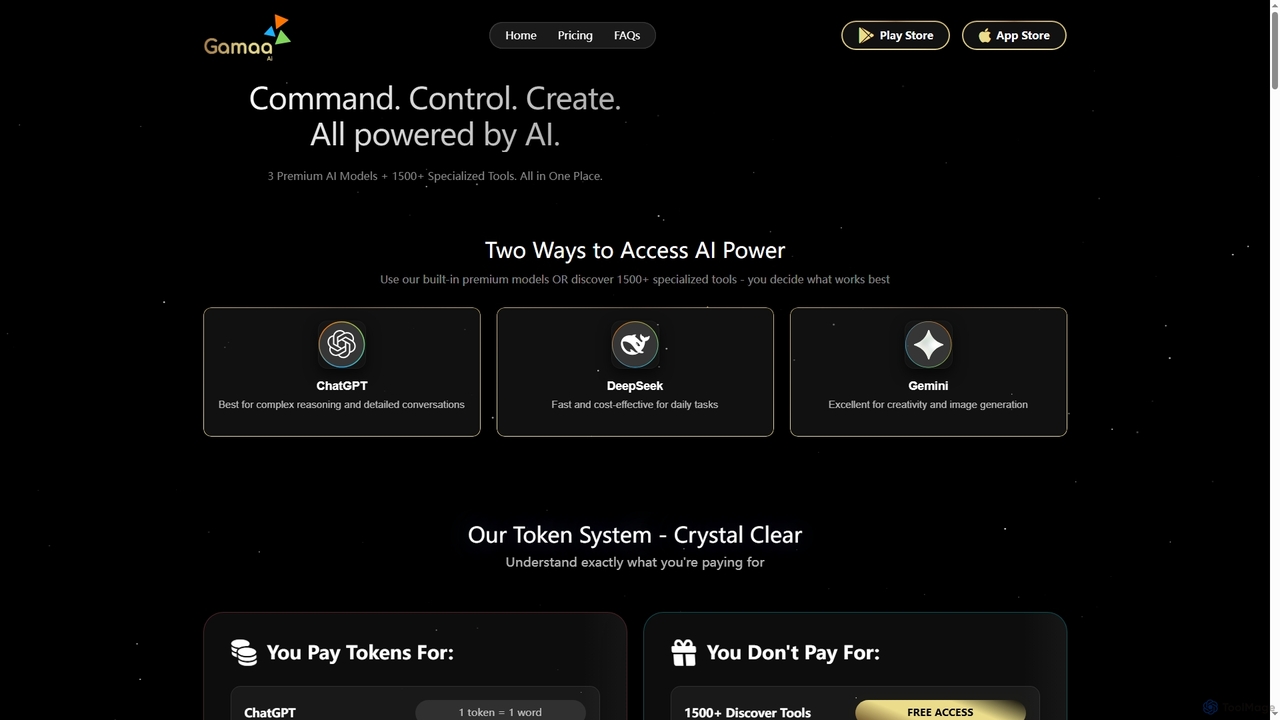
Gamaa is an advanced AI platform offering a unified chat interface that integrates the reasoning power of DeepSeek, …

2.1K
Free
Nori

Nori

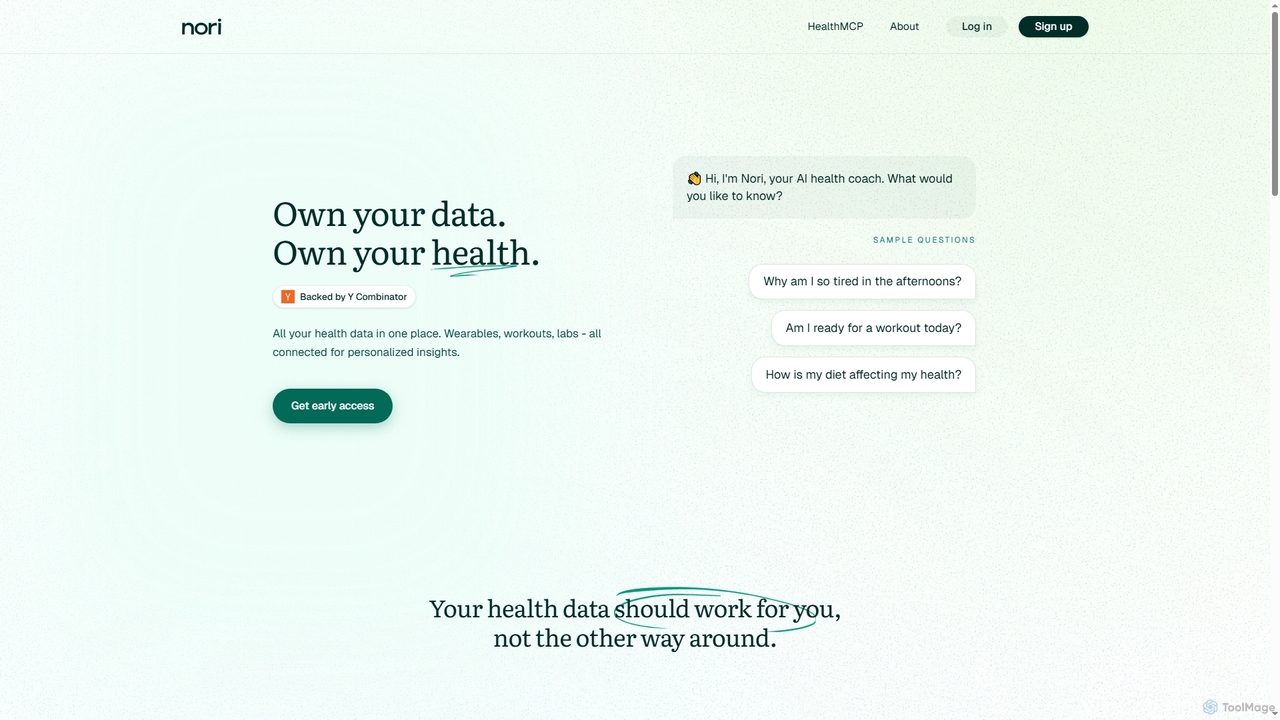
Nori is an AI health coach that centralizes all your health data from wearables, lab results, and fitness …

14.9K
statpickai

statpickai

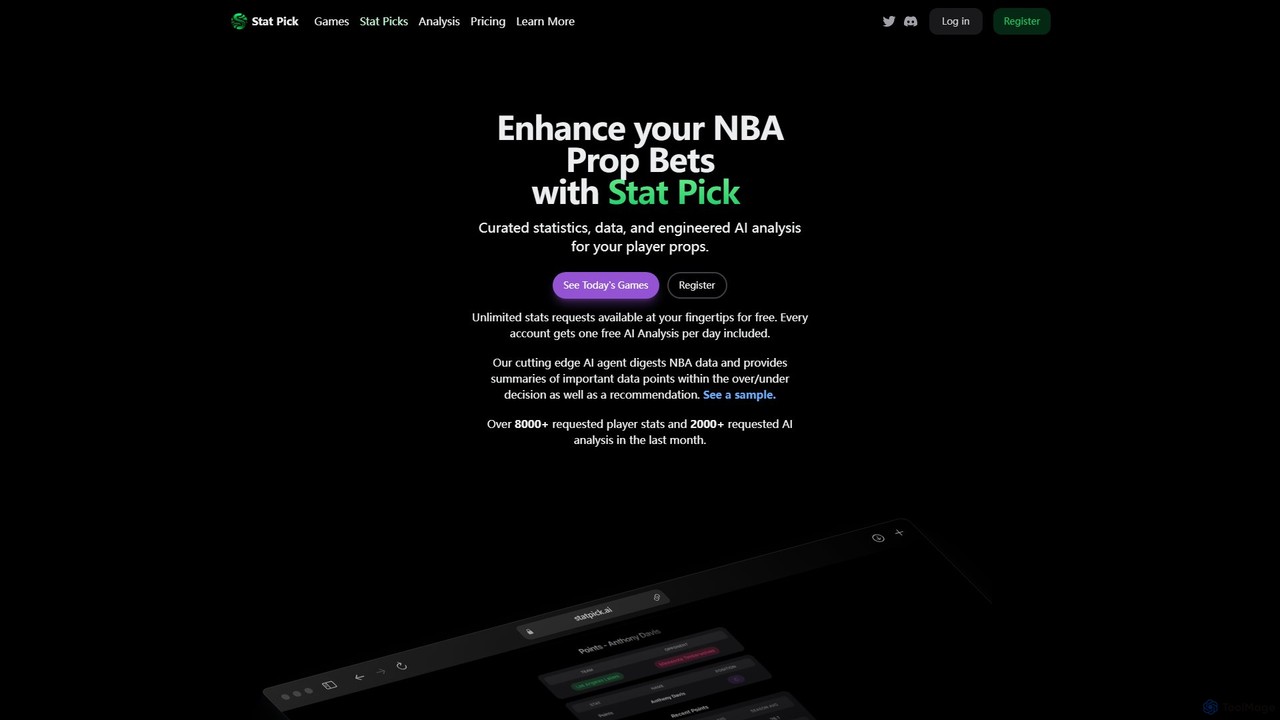
statpickai is an AI-powered platform designed for NBA enthusiasts and bettors. It provides curated statistics, in-depth data analysis, …

12.8K
Meeko

Meeko

Meeko is an AI-powered coach for League of Legends, designed to help players improve their gameplay 24/7. It …

21.9K

About Analytics

AI Analytics tools are a specialized category within Data Analysis designed to automate the interpretation of complex datasets to uncover insights, trends, and patterns. These tools leverage machine learning and natural language processing to transform raw data into actionable business intelligence. They enable users to ask questions in plain language and receive instant, visualized answers, making sophisticated data exploration accessible without deep statistical expertise. This approach accelerates decision-making by proactively identifying opportunities and risks hidden within the data.

Core Features

  • Automated Insight Generation: The AI automatically surfaces significant trends, anomalies, and correlations that might be missed in manual analysis.
  • Natural Language Query (NLQ): Allows users to ask questions about their data in plain language (e.g., "what were our top sales regions last quarter?").
  • Predictive Forecasting: Utilizes machine learning models to predict future outcomes and trends based on historical data.
  • Interactive Dashboards: Creates dynamic and easy-to-understand visual reports that users can explore to drill down into specific data points.
  • Anomaly Detection: Automatically identifies unusual patterns or outliers that could indicate critical issues or emerging opportunities.

Use Cases

AI Analytics tools are widely used by marketing teams to optimize campaign performance, product managers to analyze user behavior, and sales leaders to forecast revenue. Executives also use them to monitor overall business health through high-level dashboards, while operations teams can identify inefficiencies in their processes.

How to Choose

When selecting an AI Analytics tool, first consider its data source integration capabilities to ensure it connects with your existing systems (e.g., CRM, databases, web analytics). Evaluate the ease of use, particularly the effectiveness of its Natural Language Query feature and the intuitiveness of the dashboard builder. Also, assess its scalability to handle your data volume and the specialization of the tool, as some are better suited for marketing, product, or financial analytics.

AnalyticsUse Cases

1

Marketing Campaign Optimization

A marketing manager uses an AI analytics platform to consolidate data from Google Ads, Facebook, and their CRM. Instead of manually building reports, they ask, "Which ad creative generated the highest conversion rate for users under 30 last month?" The tool instantly visualizes the results, revealing that video ads on Instagram were significantly outperforming static images. This insight allows them to reallocate their budget towards more effective creatives, increasing return on ad spend by 15%.

2

Product Feature Adoption Analysis

A product manager wants to understand the usage of a newly launched feature. The AI analytics tool's anomaly detection automatically flags a significant drop-off in user engagement after the first week. By drilling down into the user behavior data presented by the tool, the manager discovers that users are abandoning the process at a specific step. This leads the team to identify a usability issue, deploy a quick fix, and subsequently see a 40% increase in feature completion rates.

3

Sales Performance Forecasting

A sales director connects their CRM to an AI analytics tool to get a more accurate revenue forecast. The tool's predictive model analyzes historical sales cycles, deal sizes, and individual rep performance. It generates a quarterly forecast with a 90% accuracy rate, highlighting which deals are at risk and which leads have the highest probability of closing. This allows the director to focus coaching efforts on at-risk deals and provide the team with a prioritized list of leads, leading to a 10% increase in quarterly revenue.

4

E-commerce Customer Journey Analysis

An e-commerce manager uses an AI analytics tool to understand why their cart abandonment rate is high. The tool automatically maps out the most common customer journeys on the website. It identifies a major drop-off point during the shipping information entry step. The AI's insight generation feature suggests that the high shipping cost revealed at this stage is the likely cause. Based on this, the manager implements a free shipping threshold, which reduces cart abandonment by 25%.

5

Financial Anomaly Detection for Auditing

An internal auditor connects company-wide financial transaction data to an AI analytics platform. The tool's anomaly detection model, trained on historical data, automatically flags unusual transactions that deviate from normal patterns. It identifies several duplicate payments to a vendor and a series of out-of-hours expense claims from one department. This allows the auditor to focus their investigation on these high-risk items immediately, reducing manual review time by over 60% and improving fraud detection accuracy.

6

Website Traffic and Funnel Analysis

A digital marketer uses an AI analytics tool to understand a recent spike in their website's bounce rate. Using the natural language query feature, they ask, "Why did our bounce rate increase last week?" The tool analyzes traffic sources and user behavior, automatically identifying that a new referral link from a partner blog is sending low-intent traffic. The AI suggests this traffic is unlikely to convert. Armed with this data, the marketer works with the partner to refine the link's context, leading to higher quality traffic and a normalized bounce rate.

AnalyticsFrequently Asked Questions