ToolMage
Sign in

Best 1 Animals AI tools for Fun

Popular Animals AI tools in Fun include KittensAI, helping you work more efficiently.

Freemium

KittensAI

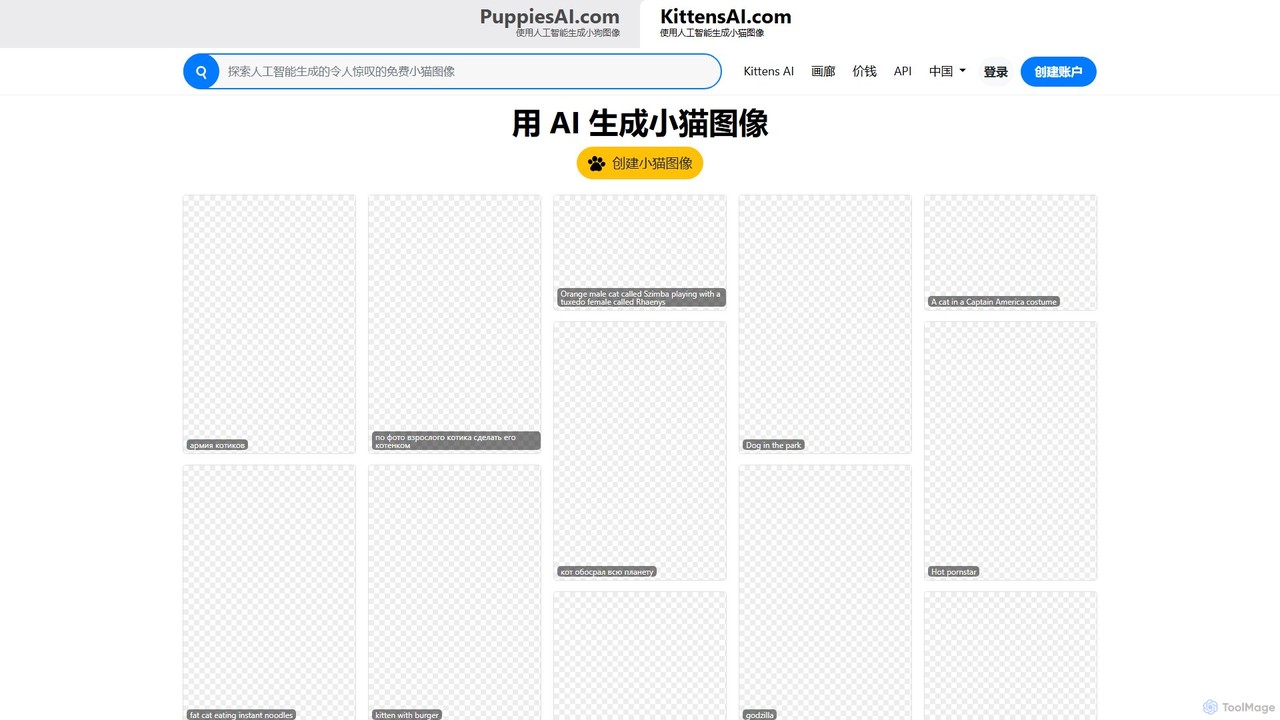
KittensAI is a specialized AI image generator that creates unique, high-quality images of kittens from simple text prompts. It supports multiple languages and offers a simple interface for anyone to bring their most creative cat-themed ideas to life, from realistic portraits to fantasy scenes.

Generative Art
Visits 4.5KFavorites 106Likes 107

About Animals

AI Animals tools are applications that use artificial intelligence to create fun, interactive, and creative experiences centered around animals. These tools often employ generative AI and machine learning to simulate animal behaviors, interpret sounds, or generate unique animal-themed content. They provide a novel way for users to engage with the animal kingdom for entertainment, companionship, or creative projects. Unlike scientific analysis tools, the primary focus of this category is on amusement and imaginative interaction.

Core Features

  • Virtual Pet Simulation: Interact with an AI-driven digital companion that learns, grows, and develops a unique personality.
  • Animal Sound Interpretation: Playfully 'translates' barks, meows, and other animal sounds into human language for entertainment.
  • Generative Animal Art: Create custom images, avatars, or portraits of real or imagined animals from text descriptions.
  • AI-Powered Identification: Use your camera to identify different animal species, providing fun facts and information.
  • Interactive Storytelling: Generate personalized stories or adventures starring an animal character of your choice.

Use Cases

These tools are ideal for pet owners seeking new ways to bond with their companions, families looking for engaging and educational entertainment, and content creators needing unique animal-themed visuals. They are also popular among individuals who desire the companionship of a pet without the real-world responsibilities.

How to Choose

When selecting an AI Animals tool, consider the type of interaction you want—a virtual pet, a creative generator, or an educational app. Evaluate the realism versus the artistic style of the AI's output. For apps that use a microphone or camera, review their data privacy policy. Finally, consider the monetization model, whether it's a one-time purchase, subscription, or ad-supported.

Featured tool rankings

Animals use cases

1

Create a Fantasy Portrait of a Pet

A pet owner wants to create a unique piece of art featuring their dog. Using an AI animal art generator, they upload a photo of their dog and enter a text prompt like 'a noble corgi knight in shining armor, fantasy oil painting style'. The AI generates several artistic interpretations, allowing the owner to choose the best one to print on a canvas or share on social media as a fun, personalized tribute to their pet.

2

Entertain Children with AI-Generated Bedtime Stories

A parent uses an interactive storytelling tool to create a unique bedtime story each night. They can set parameters like the main character ('a brave little fox'), the setting ('a magical forest'), and a moral ('the importance of sharing'). The AI then generates a complete story with illustrations, providing a fresh and engaging experience for the child and saving the parent the creative effort of inventing new tales.

3

Have a Fun 'Conversation' with Your Cat

A cat owner, curious about what their pet is trying to communicate, uses an AI animal 'translator' app. They record their cat's meows, purrs, and chirps. The app analyzes the sound patterns and generates humorous, human-language interpretations like 'My food bowl is only half full!' or 'The red dot is my sworn enemy.' This provides a fun, lighthearted way to interact with their pet and create amusing content to share with friends.

4

Raise a Low-Maintenance AI Virtual Pet

A student living in a dorm where pets are not allowed uses an AI virtual pet app for companionship. They can feed, play with, and teach their digital pet tricks. The AI allows the pet to develop a unique personality and preferences based on the student's interactions. It sends gentle notifications for feeding times but doesn't require constant attention, offering a flexible and stress-free pet ownership experience.

5

Design a Unique Animal Mascot for a Team

A local sports team or an online gaming clan needs a new mascot. Instead of hiring a designer, they use an AI animal generator. Team members can brainstorm and input various prompts like 'a fierce badger wearing a futuristic helmet' or 'a wise owl with glowing circuit patterns on its wings'. The tool rapidly produces dozens of visual concepts, allowing the team to vote on a final design that perfectly captures their spirit, all within a short timeframe and minimal budget.

6

Identify Backyard Wildlife as a Family Activity

A family wants to learn more about the animals visiting their garden. Using an AI animal identification app on a smartphone, they take pictures of birds, insects, and even the neighbor's cat. The AI instantly identifies the species, provides fun facts, shows its habitat range on a map, and sometimes even plays its typical sound. This turns a simple afternoon in the yard into an interactive and educational adventure for both parents and children.

Animals FAQ

What are AI Animals tools?

AI Animals tools are a category of software applications designed for entertainment, creativity, and lighthearted interaction involving animals. They use artificial intelligence to power features like virtual pets, playful 'translators' for animal sounds, and generators for creating unique animal-themed art and stories. Their primary purpose is fun, distinguishing them from scientific wildlife analysis tools.

How accurate are AI animal 'translators'?

AI animal 'translators' are designed purely for entertainment and are not scientifically accurate. They do not actually understand or translate animal language. Instead, they use AI algorithms to analyze the pitch, tone, and duration of a sound (like a bark or meow) and match it to a pre-written database of humorous or plausible human phrases. Think of them as a fun novelty for imagining what your pet might be 'saying', rather than a real communication tool.

How do I choose a good AI virtual pet app?

When choosing an AI virtual pet, consider these factors:

  • Interaction Depth: Does the pet's personality evolve based on your actions, or is it just a set of simple animations? Look for apps that mention learning or adaptive behavior.
  • Customization: Can you customize the pet's appearance, name, and environment? More options can lead to a more personal connection.
  • Monetization Model: Is it a one-time purchase, subscription-based, or free with ads and in-app purchases? Choose one that fits your budget and tolerance for interruptions.
  • Graphics and Style: Do you prefer a realistic-looking pet or a more cartoonish, fantasy style? Watch preview videos to see if you like the aesthetic.
Can AI animal tools be educational for children?

Yes, many AI animal tools can be educational in an engaging way. AI identification apps, for example, can teach children to recognize different species of birds, insects, or plants in their own backyard and provide interesting facts about them. Interactive story generators can improve reading comprehension and creativity. While their primary purpose is fun, the interactive nature of these tools makes them a great supplementary resource for learning about the natural world.

What is the difference between AI Animals tools and professional wildlife software?

The key difference is their purpose and target audience. AI Animals tools, part of the 'Fun' category, are designed for entertainment, personal creativity, and casual education. They prioritize user engagement and amusement over scientific accuracy. Professional wildlife software, in contrast, is built for scientists, researchers, and conservationists. It focuses on precise data collection, population tracking, behavioral analysis, and species identification with a high degree of accuracy for research purposes.