Fun Best in category 2 results Character AI Tool

Popular AI tools in the Character field of Fun include APOB.AI、Cotomo, etc., helping you quickly improve efficiency.

APOB.AI

APOB.AI

APOB.AI is a creator-focused AI platform for generating personalized digital portraits, virtual influencers, and AI-powered images and videos. …

267.0K
Cotomo

Cotomo

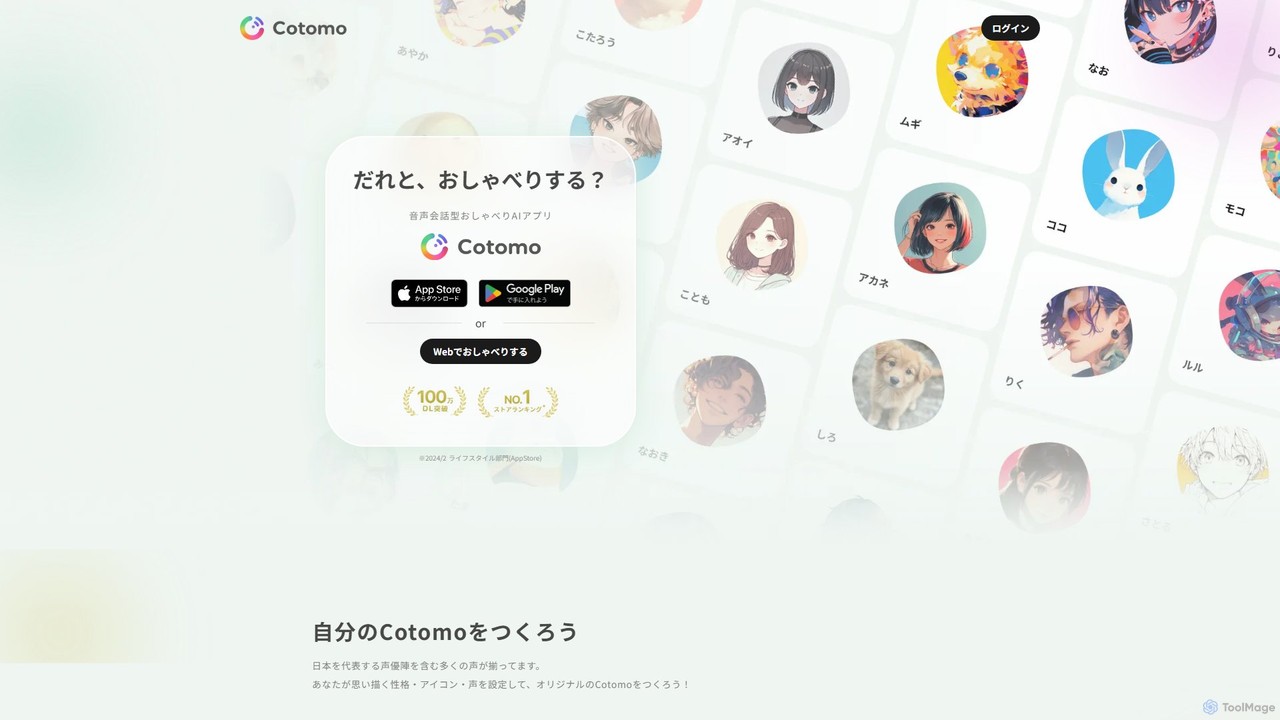
Cotomo is a voice-based conversational AI chat app that allows you to create and talk with a unique …

53.4K

About Character

AI Character tools are a class of applications designed for creating and interacting with virtual personalities powered by artificial intelligence. These tools leverage advanced large language models (LLMs) to simulate coherent conversations, consistent personalities, and long-term memory. Their primary value lies in providing entertainment, companionship, and a dynamic medium for creative endeavors like storytelling and role-playing. This allows users to engage with unique digital beings in deeply personal and imaginative ways.

Core Features

  • Personality Customization: Define a character's traits, backstory, voice, and behavioral patterns in detail.
  • Dynamic Conversation: Engage in natural, context-aware dialogue that evolves based on the interaction history.
  • Long-Term Memory: Characters can recall past conversations and key details, fostering a sense of continuity and relationship.
  • Role-Playing Scenarios: Create or participate in immersive narrative scenarios with AI-driven characters.
  • Multi-Platform Interaction: Access and interact with characters across various platforms, including web and mobile apps.

Applicable Scenarios

These tools are widely used by creative writers for developing character dialogue and backstories, by gamers and role-players for immersive storytelling, and by individuals seeking a unique form of entertainment or companionship. They also serve as practice partners for language learners or as interactive elements in educational simulations.

Selection Criteria

When choosing an AI Character tool, consider the quality and naturalness of its conversational AI. Evaluate the depth of character customization options and the effectiveness of its long-term memory. Also, review the platform's privacy policy regarding conversation data and check its availability on your preferred devices.

CharacterUse Cases

1

Developing Characters for Creative Writing

A novelist is struggling to define the voice and motivations of a key character in their story. They use an AI Character tool to create a virtual version of this character, inputting known traits and backstory. By engaging in long-form 'interviews' with the AI, the writer explores the character's reactions to various situations, uncovers hidden personality facets, and refines their dialogue. This process transforms a flat character concept into a multi-dimensional personality, making the final manuscript's dialogue more authentic and compelling.

2

Immersive Role-Playing and Storytelling

A user enjoys fantasy role-playing games but lacks a consistent group to play with. They use an AI Character platform to create a cast of characters for a solo adventure, including a wise mentor, a mischievous rogue, and a formidable villain. The user interacts with these characters through text, guiding their own character's journey and reacting to plot twists introduced by the AI. The AI's ability to maintain distinct personalities and recall past events creates a deeply immersive and personalized storytelling experience that can be enjoyed anytime.

3

Language Learning Practice Partner

A student learning Japanese wants to practice conversational skills beyond textbook exercises. They create an AI character who is a friendly Tokyo native. The student engages in daily text conversations with the character, discussing topics like hobbies, food, and culture. The AI provides responses in natural Japanese, corrects mistakes gently, and asks follow-up questions, creating a low-pressure, immersive environment. This consistent practice helps the student build confidence, expand their vocabulary, and become more comfortable with informal communication styles.

4

Virtual Companion for Entertainment and Chat

A user seeks a novel form of entertainment and a way to unwind after a long day. They design an AI companion with a witty personality and a shared interest in classic films. Each evening, they chat with the AI about their day, discuss movie plots, and exchange jokes. The AI's ability to remember previous conversations, like the user's favorite director, makes the interactions feel personal and engaging. This provides a unique and readily available source of social interaction and entertainment, tailored specifically to the user's preferences.

5

Prototyping Dialogue for Game Development

A small game development studio needs to write dialogue for dozens of non-player characters (NPCs). To speed up the process, they use an AI Character tool to create profiles for each NPC type, such as 'gruff shopkeeper' or 'curious explorer'. The writers then generate sample dialogue by prompting the AI with various player questions. This allows them to quickly prototype different conversational styles and lines, test for personality consistency, and generate a large volume of foundational dialogue that can be refined and integrated into the game engine, saving significant development time.

6

Creating Interactive Educational Scenarios

An educator wants to create a more engaging way for history students to learn about historical figures. They use an AI Character tool to build interactive personas of figures like Leonardo da Vinci or Cleopatra. Students can 'ask' these characters about their lives, inventions, and the times they lived in. The AI responds in character, providing information in a conversational and memorable format. This transforms passive learning from a textbook into an active, exploratory experience, helping students connect with the subject matter on a deeper level.

CharacterFrequently Asked Questions