ToolMage
Sign in

Best 2 Avatar Generation AI tools for Fun

Popular Avatar Generation AI tools in Fun include DaVinci and Fulgent AI, helping you work more efficiently.

Fulgent AI
Paid

Fulgent AI

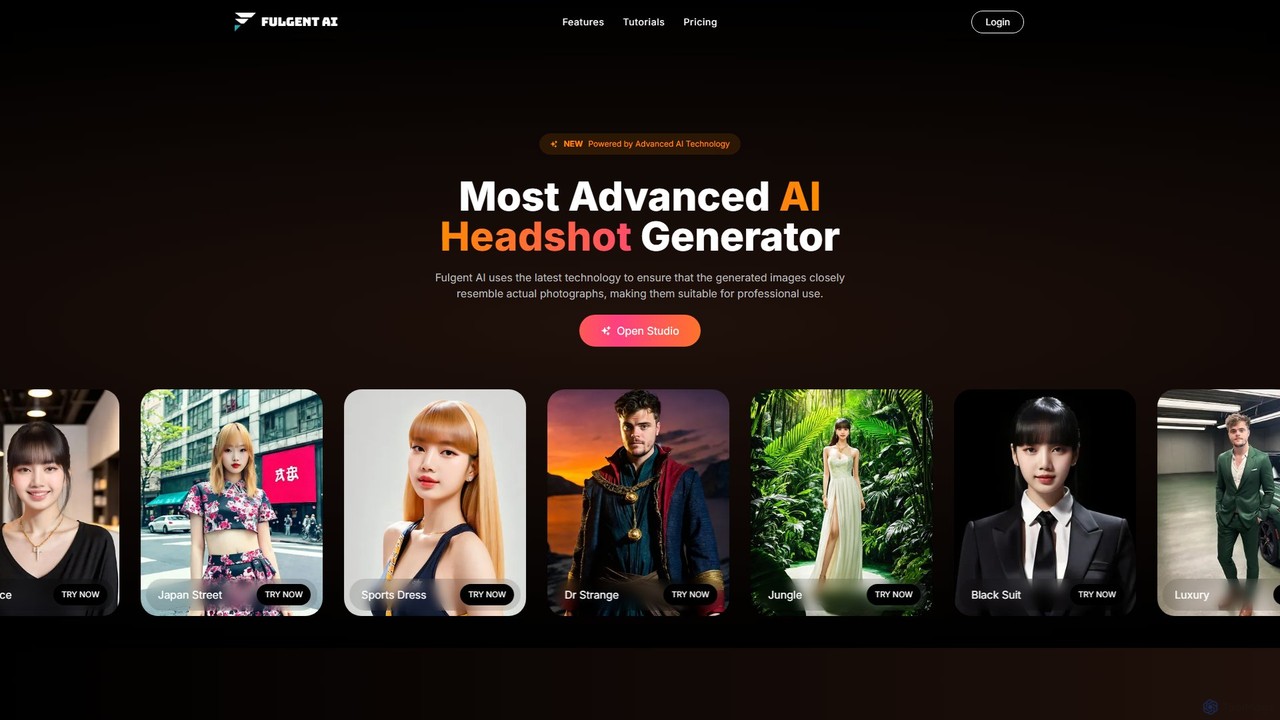
Fulgent AI is an advanced AI-powered platform specializing in generating high-quality, photorealistic headshots for professional use. It also offers a suite of creative tools, including an AI art generator, avatar creator, and sticker maker. With a variety of styles and a user-friendly interface, Fulgent AI allows users to create stunning visuals for professional profiles, marketing, and personal expression.

Image Generation
Visits 4.1KFavorites 114Likes 143
DaVinci
Freemium

DaVinci

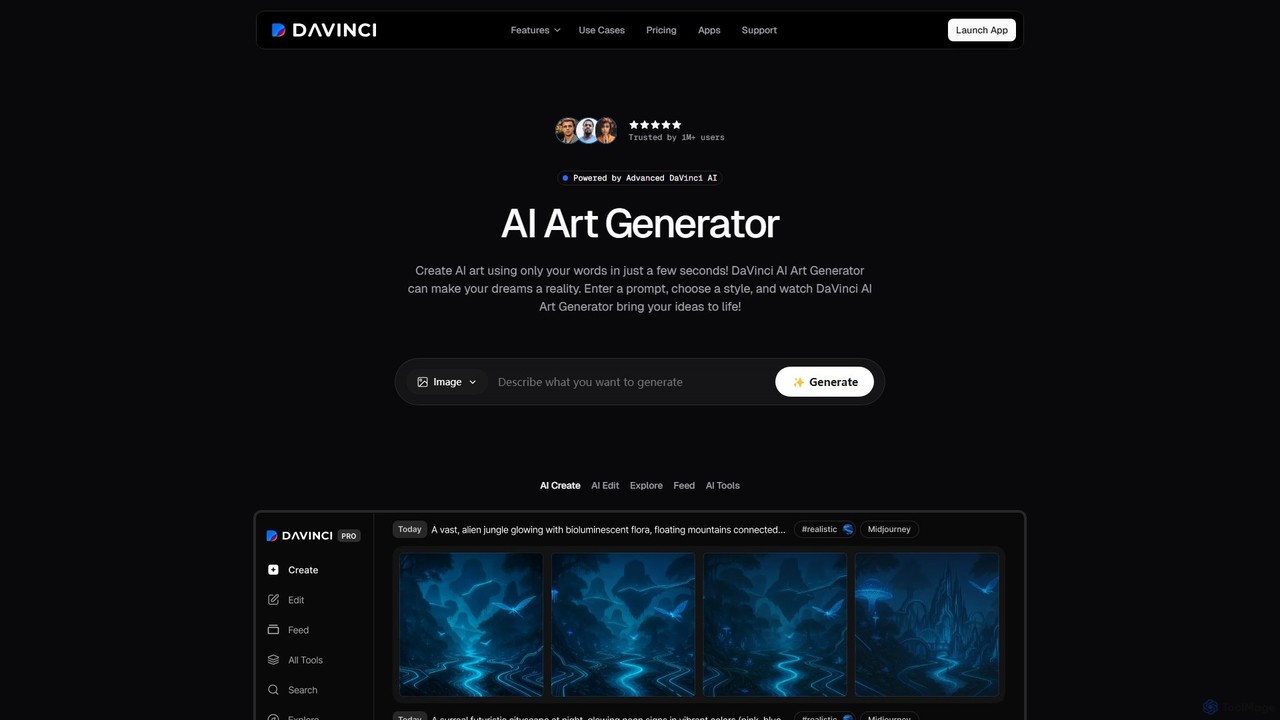
DaVinci is an all-in-one AI creative platform that transforms text and images into stunning art, tattoos, avatars, and logos. Powered by advanced models like DALL-E 3 and Stable Diffusion, it allows users to generate unique visuals instantly. With a user-friendly interface, a wide array of styles, and powerful editing tools, DaVinci is perfect for artists, marketers, and anyone looking to bring their creative ideas to life on both web and mobile.

Tattoo Design
Visits 602.4KFavorites 119Likes 131

About Avatar Generation

Avatar Generation tools are AI-powered applications that create unique digital representations of a person or character. These tools leverage generative models, such as GANs or diffusion models, to produce stylized or photorealistic avatars from inputs like photos or text descriptions. Their primary value lies in enabling anyone to craft a personalized digital identity for social media, gaming, or the metaverse without needing graphic design skills. This technology offers a fast and creative way to explore different visual personas and styles.

Core Features

  • Photo-to-Avatar Conversion: Transforms uploaded photographs into various artistic styles, such as anime, cartoon, fantasy, or professional headshots.
  • Text-to-Avatar Creation: Generates a completely new avatar based on a descriptive text prompt detailing appearance, clothing, and setting.
  • Style Customization: Provides a diverse library of pre-set artistic styles and allows for fine-tuning of visual elements.
  • Attribute Editing: Offers controls to modify specific features like hair color, eye shape, accessories, and background details.
  • Batch Generation: Creates multiple unique variations of an avatar from a single input, providing a wide range of options to choose from.

Use Cases

These tools are widely used by social media users and influencers to create distinctive profile pictures that stand out. Gamers and metaverse participants use them to design custom characters for their virtual identities. Additionally, marketers and small businesses can quickly generate brand mascots or character illustrations for content without hiring a designer.

How to Choose

When selecting an Avatar Generation tool, consider the variety of artistic styles offered to ensure they match your aesthetic. Evaluate the supported input methods—whether you prefer using photos or text prompts. Assess the level of customization and control over the final output. Finally, check the image resolution and usage rights to confirm they meet the needs of your intended application, be it a small profile icon or a high-quality print.

Featured tool rankings

Avatar Generation use cases

1

Creating Unique Social Media Profile Pictures

A social media influencer or personal brand builder wants a distinctive profile picture that reflects their online persona without using a standard photograph. They upload several high-quality selfies to an AI avatar generator and select a style pack, such as 'Cyberpunk' or 'Watercolor'. The tool processes these images and generates over 100 unique, artistic avatar variations. This allows them to refresh their profile on platforms like Instagram, Twitter, and Discord with high-quality, eye-catching visuals that enhance their digital identity and attract more engagement.

2

Designing Characters for Gaming and Metaverse

A gamer or VR enthusiast needs a custom avatar for their in-game persona or virtual identity in platforms like VRChat. Instead of using limited in-game creators, they use a text-to-avatar tool. They input a detailed prompt, such as 'A stoic elf warrior with silver hair, glowing blue eyes, and ornate armor, fantasy art style.' The AI generates multiple visual interpretations of the character. This process allows for rapid visualization of a unique character concept, which can be used as a profile icon or as a reference for more complex 3D modeling, ensuring a truly personalized virtual presence.

3

Generating Brand Mascots for Marketing

A small business owner needs a friendly mascot for their brand's website and social media but lacks the budget for a graphic designer. They use an AI avatar generator to create one. They input brand keywords and style descriptions like 'A friendly robot mascot, minimalist style, blue and white color scheme, holding a lightbulb.' The tool produces a variety of mascot options in minutes. This allows the business to establish a recognizable and consistent brand character across all marketing channels at a fraction of the traditional cost and time.

4

Creating Illustrations for Digital Content

A blogger or YouTuber needs custom character illustrations for their content, such as for a video thumbnail or a blog post header, to avoid using generic stock photos. They use an AI avatar generator to create visuals that match their topic. For instance, when creating content about 'the future of remote work,' they can generate an avatar of a 'futuristic professional working from a home office with holographic displays.' This provides them with unique, relevant, and visually engaging imagery that enhances the quality of their content and strengthens their brand's visual identity.

5

Visualizing Fictional Characters for Writers

An author or screenwriter has a detailed description of a character in their mind but struggles to visualize them concretely. They use a text-to-avatar generator as a creative aid. By inputting the character's physical traits, clothing, and mood from their manuscript (e.g., 'a weary detective in a trench coat under neon city lights'), the AI produces several visual interpretations. This not only provides a tangible reference that helps maintain consistency while writing but also serves as a source of inspiration or potential promotional art for their story.

6

Producing Personalized Avatars for Online Communities

A community manager for a gaming guild or a corporate team leader wants to foster a sense of shared identity. They decide to create a unified but personalized set of avatars for all members. Using an AI avatar tool, each member uploads their photo, and the manager applies a consistent style filter across all of them, such as 'Team Comic Book Style' or 'Corporate Sketch'. The result is that each member receives a unique avatar that clearly represents them, yet fits a cohesive team aesthetic. This strengthens group identity on platforms like Slack, Discord, or internal forums.

Avatar Generation FAQ

What is an AI Avatar Generator?

An AI Avatar Generator is a software tool that uses artificial intelligence, specifically generative models like GANs or diffusion models, to create new, unique digital portraits or characters. Unlike simple photo filters, these tools don't just edit an existing image; they generate an entirely new one based on your input, which can be a set of photos or a text description. They are commonly used to produce artistic, stylized, or photorealistic avatars for social media profiles, gaming identities, and virtual worlds.

How to choose the right AI Avatar Generator?

To choose the right tool, consider these factors:

  • Style Variety: Look for a generator that offers a wide range of artistic styles (e.g., anime, fantasy, professional, cartoon) to ensure it matches your desired aesthetic.
  • Input Method: Decide if you prefer a tool that works from photo uploads or one that generates from text descriptions. Some tools offer both.
  • Customization and Control: Check how much control you have over the final image. Can you edit specific features, change backgrounds, or fine-tune the style?
  • Output Quality and Rights: Ensure the tool provides high-resolution images suitable for your needs and review the terms of service regarding commercial use if you plan to use the avatars for business purposes.
What's the difference between an Avatar Generator and an in-game Character Creator?

The main difference lies in flexibility and output. An in-game Character Creator is limited to a predefined set of assets (hairstyles, faces, clothing) provided by the game developers, and its output is a 3D model that functions within that specific game. In contrast, an AI Avatar Generator uses generative AI to create entirely new 2D images from scratch, offering nearly limitless stylistic possibilities beyond any single game's engine. The output is a versatile image file (like a JPG or PNG) that can be used across any digital platform, not just one game.

Can I use the generated avatars for commercial purposes?

This depends entirely on the terms of service of the specific AI Avatar Generator you use. Some tools grant full commercial rights to the images you create, allowing you to use them for marketing, branding, or merchandise. Others may restrict usage to personal, non-commercial purposes only, or require a specific subscription plan for commercial rights. It is crucial to read and understand the licensing agreement of any tool before using its output for business-related activities to avoid copyright issues.

Who can benefit from using AI Avatar Generators?

A wide range of users find value in these tools. Social media users and influencers use them to create unique profile pictures that stand out. Gamers and metaverse participants build their virtual identities. Content creators, marketers, and small businesses design custom characters and mascots for branding without needing a designer. Additionally, writers and artists can quickly visualize their fictional characters. Essentially, anyone needing a personalized and creative digital representation can benefit from these accessible tools.