Fun Tools Best in category 7 results Discovery AI Tool

Popular AI tools in the Discovery field of Fun Tools include Taranify、WatchNowAI、Namely、GPTflix、Dejams、MovieUncover, etc., helping you quickly improve efficiency.

Free
Taranify

Taranify

Taranify is a free, AI-powered recommendation engine that suggests entertainment and food based on your current mood. Through …

2.7K
WatchNowAI

WatchNowAI

WatchNowAI is an AI-powered movie recommendation engine designed to eliminate decision fatigue. Stop endlessly scrolling through streaming services …

5.5K
Free
GPTflix

GPTflix

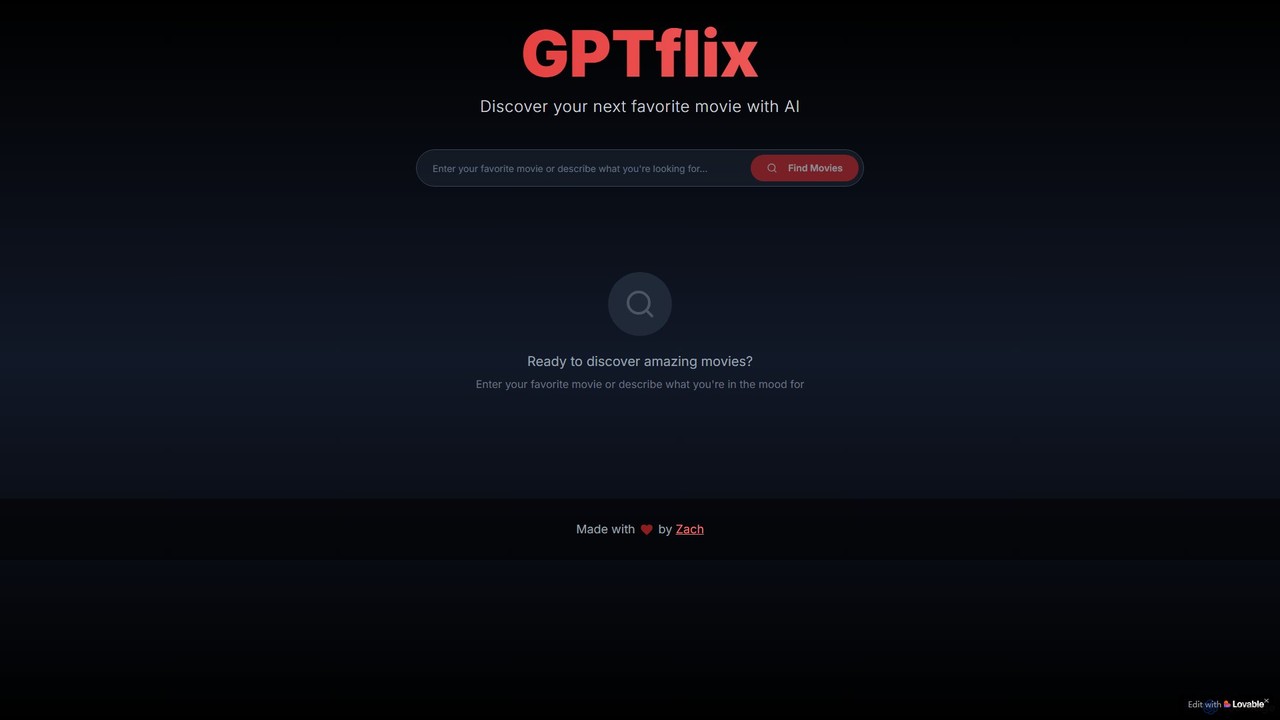
GPTflix is an AI-powered movie recommendation engine that helps you discover your next favorite film. Simply describe your …

3.5K
Free
Dejams

Dejams

Dejams is an AI-powered semantic search engine for movies. Instead of keywords, you can search using natural language …

2.8K
Namely

Namely

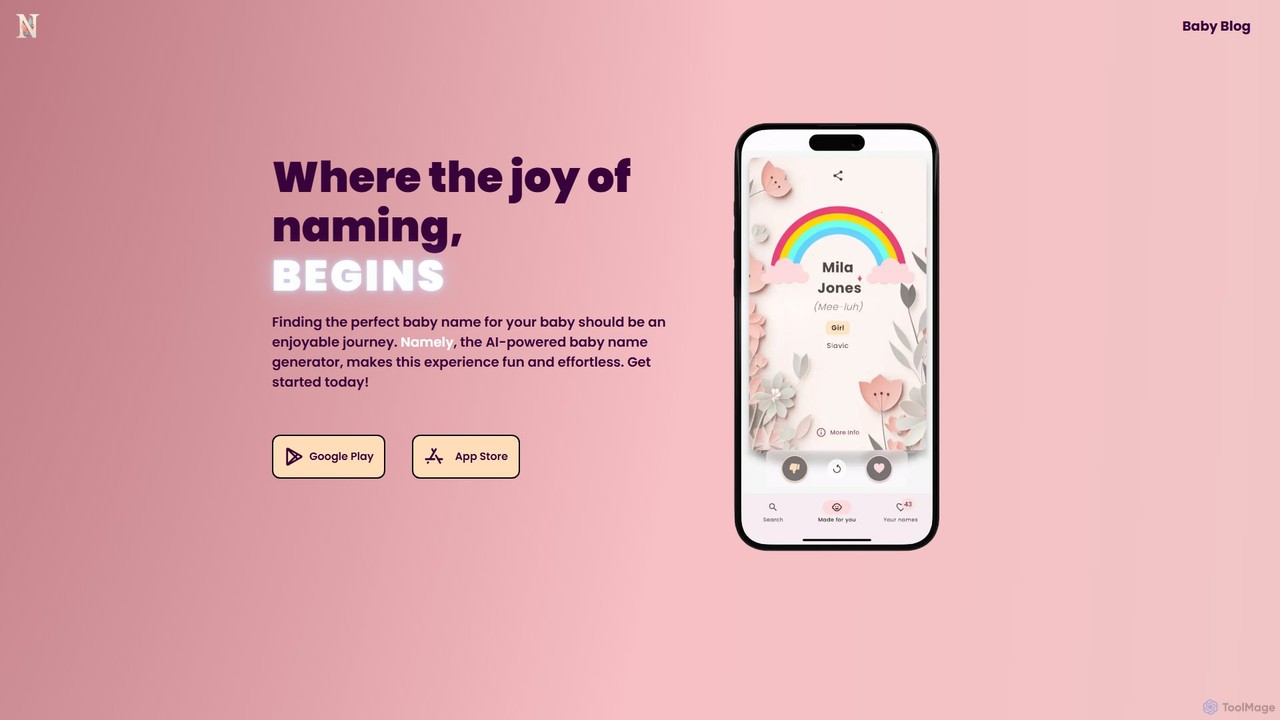
Namely is an AI-powered baby name generator app designed for expecting parents. It transforms the naming process into …

4.1K
Free
MovieUncover

MovieUncover

MovieUncover is an AI-powered search engine that helps you find movies and TV series by describing them in …

2.7K
Free
Taranify

Taranify

Taranify is an AI-powered recommendation platform that suggests entertainment and food based on your current mood. Through a …

7.8K

About Discovery

AI Discovery tools are a unique category of fun tools designed to help you uncover new ideas, content, and connections you might not find through traditional search. They leverage algorithms to analyze patterns, user preferences, or vast datasets to present novel, unexpected, and often inspiring suggestions. The primary value of these tools lies in sparking creativity, breaking through filter bubbles, and providing entertainment through the joy of serendipitous exploration. They act as your creative partner for finding the unknown.

Core Features

  • Serendipitous Suggestions: Generates relevant yet unexpected recommendations to foster novel discoveries.
  • Cross-Domain Idea Connection: Links concepts from different fields to spark innovative ideas and perspectives.
  • Personalized Exploration Paths: Adapts suggestions based on user interactions, creating a unique discovery journey for each person.
  • Interactive Visualization: Presents information and connections through engaging formats like mind maps, graphs, or visual collages.
  • Niche Content Unearthing: Scans deep into data sources to find niche topics, obscure artists, or emerging trends.

Use Cases

These tools are particularly useful for content creators, writers, and artists seeking fresh inspiration. They also appeal to researchers, students, and lifelong learners looking to explore topics from new angles. Additionally, anyone feeling stuck in a routine or experiencing creative block can use these tools to find new hobbies, music, books, or travel destinations in an engaging way.

How to Choose

When selecting an AI Discovery tool, consider the type of content you wish to explore (e.g., text, images, music). Evaluate the balance between personalized recommendations and random suggestions to match your creative needs. Assess the user interface for its intuitiveness and engagement level. Finally, check if the tool focuses on a specific domain (like music discovery) or offers broad, multi-disciplinary exploration.


DiscoveryUse Cases

1

Finding New Music for a Playlist

A music enthusiast is tired of the mainstream recommendations from popular streaming services. They use an AI Discovery tool to find new tracks. By inputting a few obscure artists they like, the AI analyzes sonic qualities, lyrical themes, and fan overlaps to generate a list of lesser-known bands and solo artists. The user discovers several new favorites that perfectly match their unique taste, creating a truly personalized playlist that surprises their friends and breaks them out of their musical rut.

2

Generating Creative Writing Prompts

A fiction writer is facing writer's block and needs a unique story idea. Instead of using a standard prompt generator, they turn to an AI Discovery tool. The tool allows them to connect two seemingly unrelated concepts, such as 'ancient library' and 'deep space exploration'. The AI then generates a series of thought-provoking scenarios, character archetypes, and plot twists based on this combination. This sparks a new idea for a novel about an archivist on a generation ship tasked with preserving Earth's last books, leading to a breakthrough in their creative process.

3

Discovering Unique Travel Destinations

A traveler wants to plan a vacation that avoids typical tourist traps. They use an AI Discovery tool focused on travel. Instead of searching for 'beach vacation in Spain', they input abstract concepts like 'quiet coastal towns', 'historical architecture', and 'local seafood markets'. The AI processes this information and suggests lesser-known destinations like Cudillero in Spain or Alacati in Turkey, providing visual inspiration, local blogs, and potential itineraries that align with the traveler's desired vibe, not just keywords. This leads to a more authentic and memorable travel experience.

4

Curating a Visual Mood Board

A graphic designer is starting a new branding project and needs to create a mood board. Standard image search results feel repetitive. They use an AI Discovery tool that specializes in visual exploration. The tool allows them to start with a single color or image and then explore a web of visually related but conceptually diverse images. It might connect a texture from a Renaissance painting to a modern architectural detail, helping the designer build a unique and sophisticated visual identity for their client that goes beyond predictable trends.

5

Breaking the News 'Filter Bubble'

A student researching a complex political topic finds their news feeds are only showing them articles that confirm their existing biases. To gain a more balanced perspective, they use an AI Discovery tool designed for content curation. The tool analyzes the topic and intentionally surfaces high-quality articles from reputable sources with opposing viewpoints, as well as related academic papers and historical documents. This allows the student to understand the full spectrum of the debate, strengthen their arguments, and write a more nuanced and well-informed research paper.

6

Exploring Niche Hobbies and Skills

Someone looking for a new hobby feels overwhelmed by the endless options online. They use an AI Discovery tool that maps out skills and interests. They input some of their current interests, like 'video games' and 'history'. The AI suggests not just 'historical video games', but related niche hobbies like 'miniature model painting of historical figures', 'learning ancient blacksmithing techniques via online courses', or 'joining a historical reenactment group'. By showing unexpected connections, the tool helps the user discover a fulfilling new hobby they would have never considered on their own.

DiscoveryFrequently Asked Questions