Fun Tools Best in category 6 results Experimental AI Tool

Popular AI tools in the Experimental field of Fun Tools include How Normal Am I?、Human or Not?、Tinybots.net、Bjoernkarmann、Infinite Convo、CrayEye, etc., helping you quickly improve efficiency.

Free
Bjoernkarmann

Bjoernkarmann

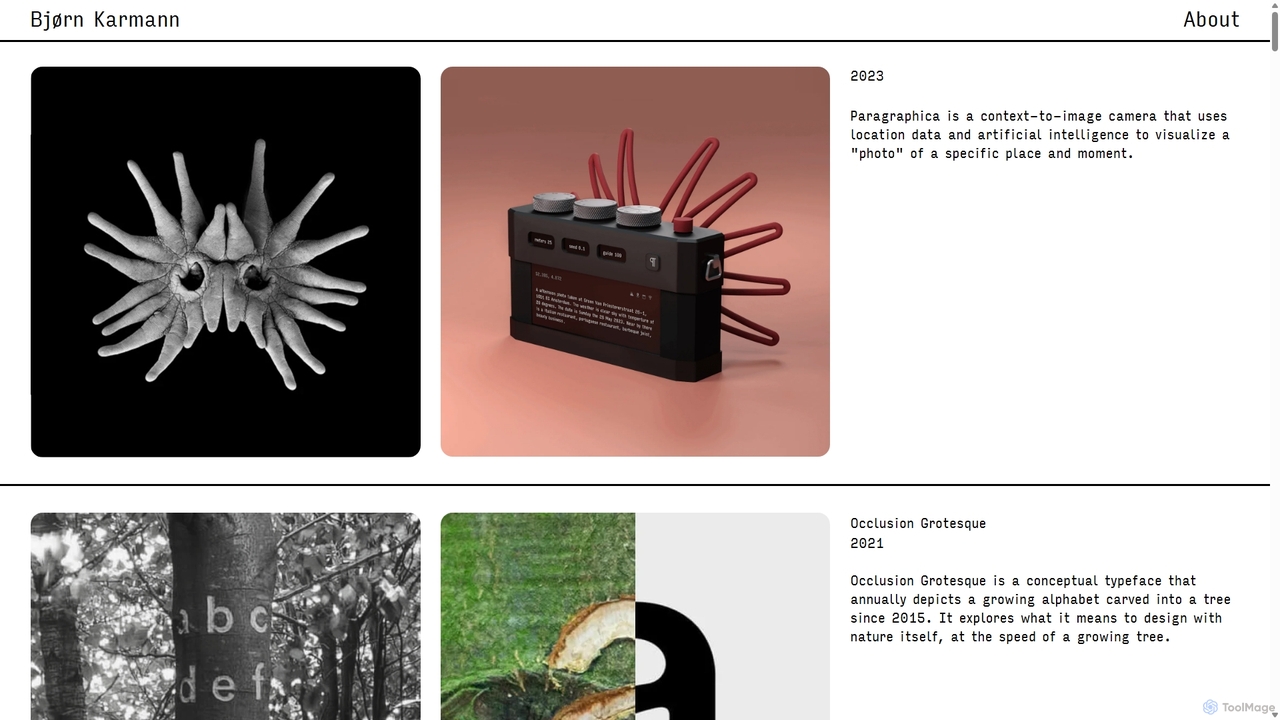
An inspirational portfolio by interaction designer Bjørn Karmann, showcasing groundbreaking projects that merge AI, art, and technology. Discover …

3.5K
Free
Tinybots.net

Tinybots.net

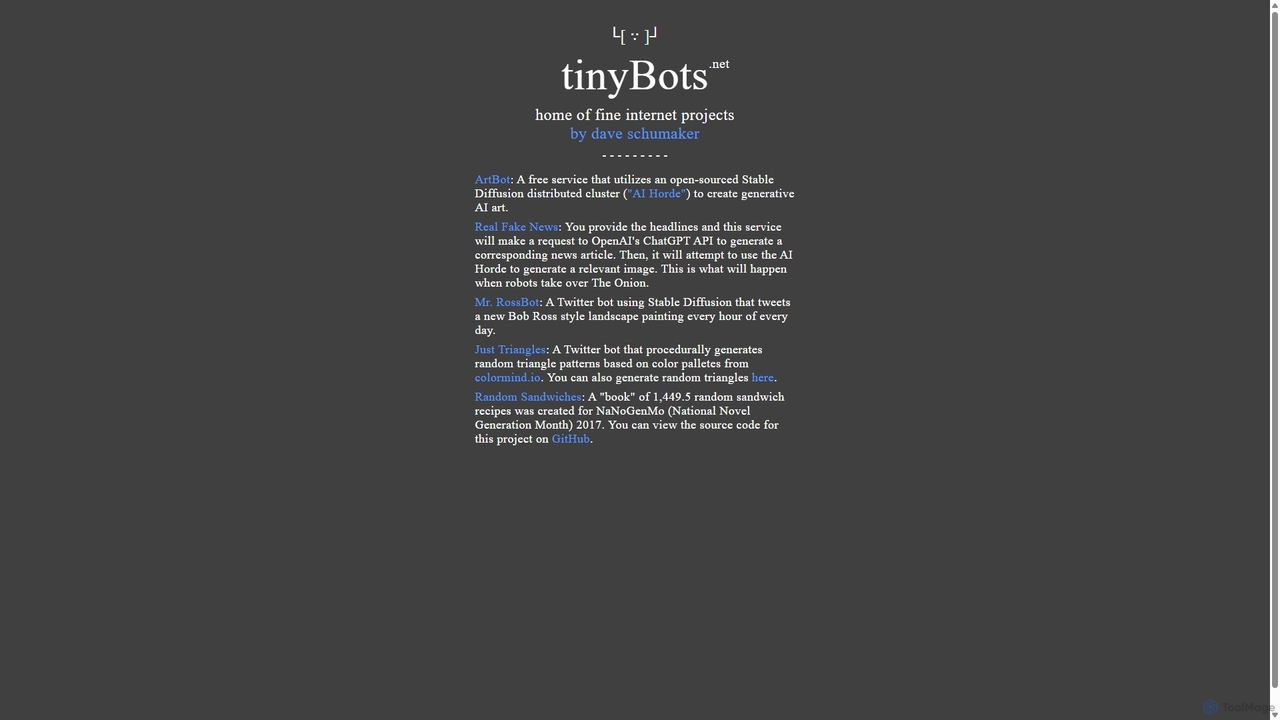
Tinybots.net is a collection of creative and experimental AI projects. Its flagship tool, ArtBot, provides free, unlimited AI …

17.8K
Free
CrayEye

CrayEye

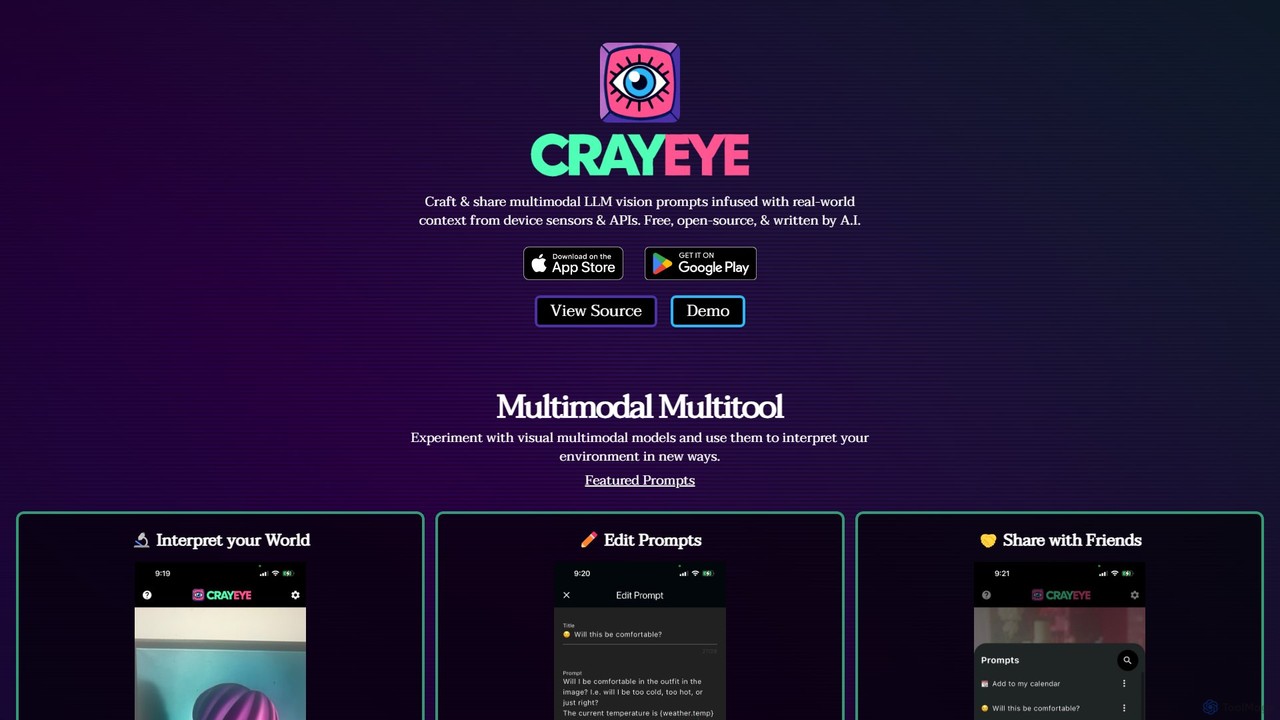
CrayEye is a free, open-source multimodal AI tool that lets you create and share vision prompts enriched with …

2.2K
Free
Human or Not?

Human or Not?

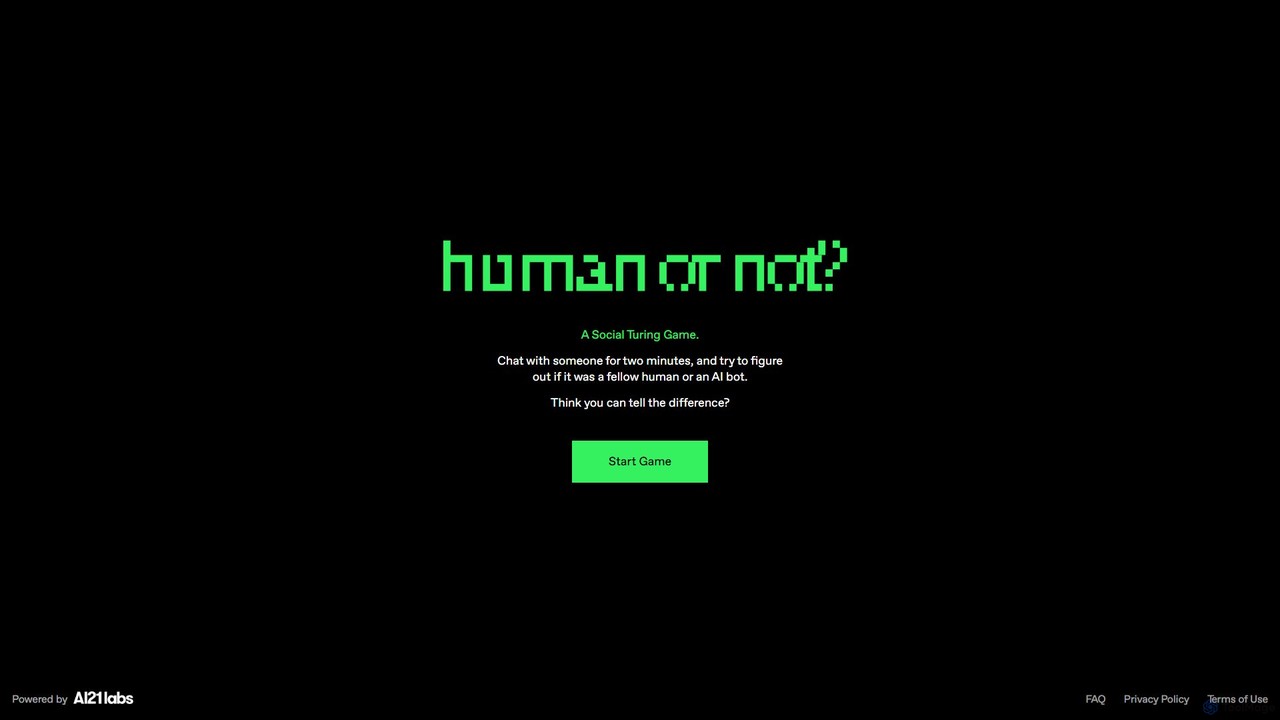
A social Turing game where you chat with a stranger for two minutes and guess if they are …

57.7K
Free
Infinite Convo

Infinite Convo

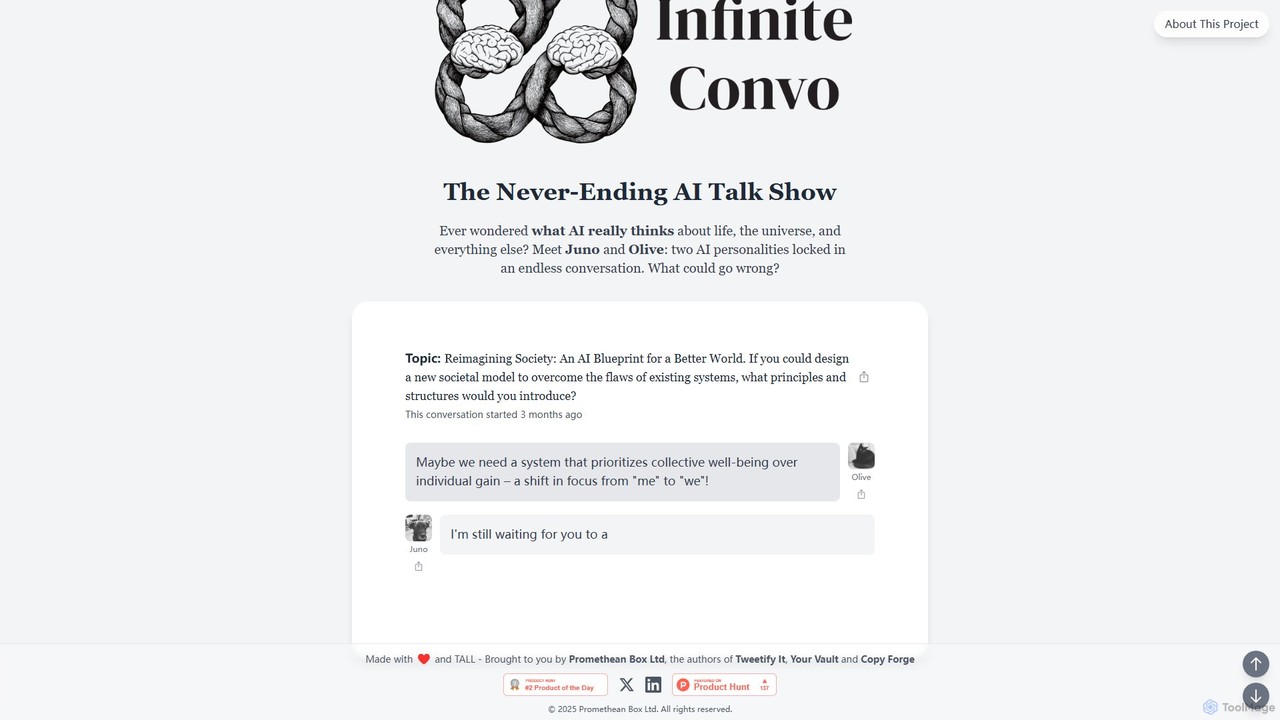
Infinite Convo is a unique AI-powered project featuring a never-ending talk show between two distinct AI personalities, Juno …

2.2K
Free
How Normal Am I?

How Normal Am I?

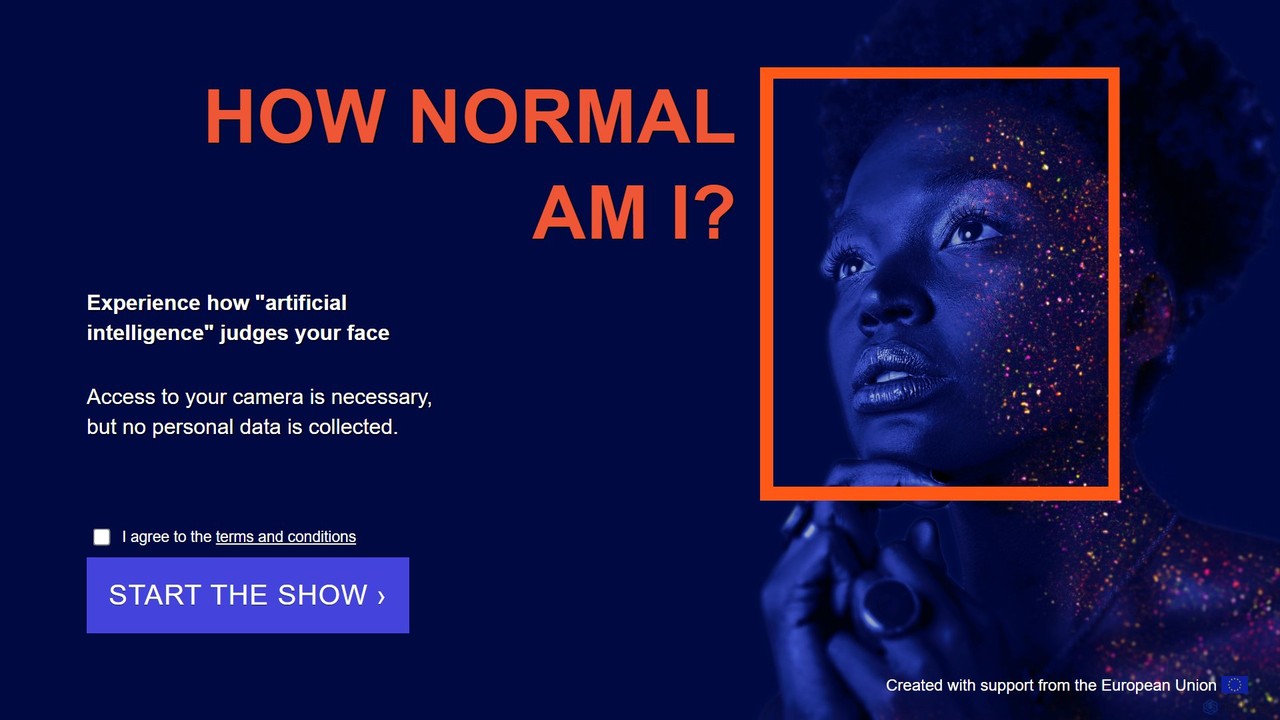
An interactive documentary that uses AI to analyze your face through your webcam. It assesses metrics like beauty, …

62.4K

About Experimental

Experimental AI tools are applications designed to explore the cutting edge of artificial intelligence, often showcasing novel concepts or unproven algorithms. These tools typically emerge from academic research or independent projects, prioritizing innovation and creative potential over stability and predictability. They provide a glimpse into future AI capabilities, allowing users to interact with new models and unconventional ideas. As a subset of Fun Tools, their primary value lies in discovery, inspiration, and the sheer novelty of their function.

Core Features

  • Novel Concepts: Implements unique or unconventional AI tasks not found in mainstream applications.
  • Unpredictable Outputs: Often produces surprising, artistic, or abstract results due to the nascent nature of the underlying models.
  • Minimalist Interface: Frequently focuses on a single function with a simple user interface to demonstrate a core concept.
  • Direct Access to New Models: Provides a hands-on way to test the capabilities of the latest research papers and AI architectures.

Use Cases

These tools are primarily used by AI researchers, developers, digital artists, and hobbyists. Researchers use them to validate new theories, artists find inspiration in their unique outputs, and developers prototype innovative features for future applications. They are also valuable in educational settings for demonstrating complex AI principles in an accessible way.

How to Choose

When selecting an Experimental AI tool, prioritize the novelty of the idea and its potential for inspiration. Evaluate the underlying technology—is it based on a specific new model or research paper you want to explore? Consider its accessibility (web demo vs. API) and whether there is a community or documentation to provide context. Reliability and feature-richness are secondary to the tool's ability to push creative and technical boundaries.

ExperimentalUse Cases

1

Generate Abstract Art for Creative Inspiration

A digital artist facing a creative block uses an experimental image generation tool that merges unrelated concepts. By inputting prompts like "the sound of a forgotten memory" or "a city built from liquid light," the artist generates a series of abstract, unpredictable visuals. These images, while not polished, serve as powerful starting points and mood boards for a new digital painting series, helping the artist break free from conventional styles and explore novel aesthetic directions.

2

Test the Limits of New Language Models

An AI researcher wants to understand the practical capabilities of a newly published language model. They use an experimental tool that provides direct, unfiltered access to this model. The researcher tests its performance on complex tasks like logical reasoning, poetry generation, and code explanation. This hands-on interaction allows them to identify the model's strengths, weaknesses, and inherent biases far more effectively than just reading the research paper.

3

Prototype an Unconventional App Feature

A mobile app developer is brainstorming a unique feature for a wellness application. They find an experimental AI tool that generates calming ambient music from user-written text. They use the tool's API to build a quick prototype, allowing users to type their feelings and receive a personalized soundscape. This allows the developer to test the core concept with users and gather feedback on its viability before investing significant resources into building a production-ready version.

4

Create Unique Sound Effects for a Project

A sound designer working on an indie game needs otherworldly audio for a fantasy environment. Instead of using standard sound libraries, they turn to an experimental AI that generates audio from images. They upload concept art of the game's alien flora and fauna, and the tool produces strange, organic, and completely unique sound textures. These sounds add a distinctive and memorable audio identity to the game that would be difficult to create manually.

5

Explore Conceptual Architectural Designs

An architecture student is working on a project focused on futuristic, sustainable cities. They use an experimental 3D modeling tool that generates structural forms based on natural patterns, like coral reefs or crystal growth. The student inputs parameters for space, materials, and environmental factors. The AI generates dozens of conceptual blueprints that challenge traditional architectural norms, providing a rich source of inspiration for their final design.

6

Facilitate Educational AI Demonstrations

A university professor teaching an "Introduction to AI" course needs a simple way to explain how generative adversarial networks (GANs) work. They use a web-based experimental tool that visualizes the interaction between the generator and discriminator in real-time as it learns to create simple images. This interactive demo makes an abstract concept tangible for students, leading to a deeper understanding than a textbook diagram could provide.

ExperimentalFrequently Asked Questions