Fun Tools Best in category 3 results Face Analysis AI Tool

Popular AI tools in the Face Analysis field of Fun Tools include aifaceanalyzer、Beauty Calculator、Celeblookalike, etc., helping you quickly improve efficiency.

Celeblookalike

Celeblookalike

An AI-powered entertainment platform that finds your celebrity twin with high accuracy. It offers multiple features, including single …

3.0K
Free
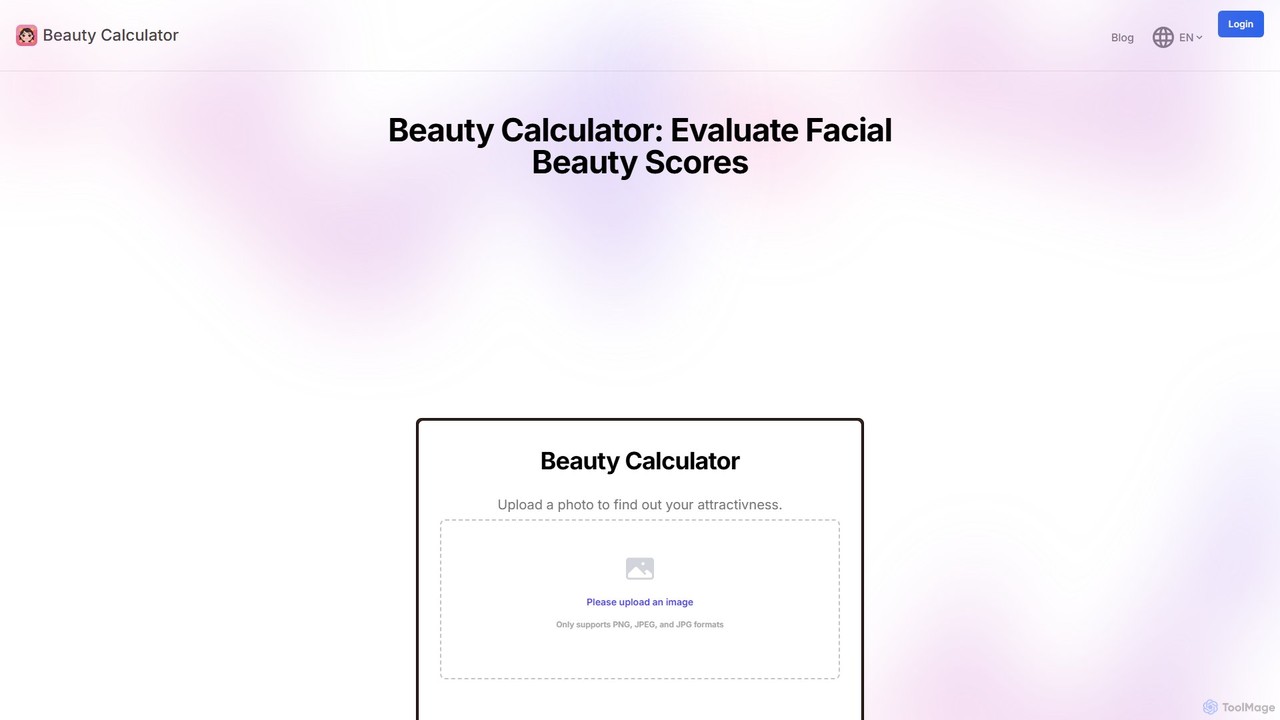
Beauty Calculator

Beauty Calculator

An AI-powered tool that analyzes your facial photo to provide an objective beauty score. It evaluates facial symmetry, …

4.2K
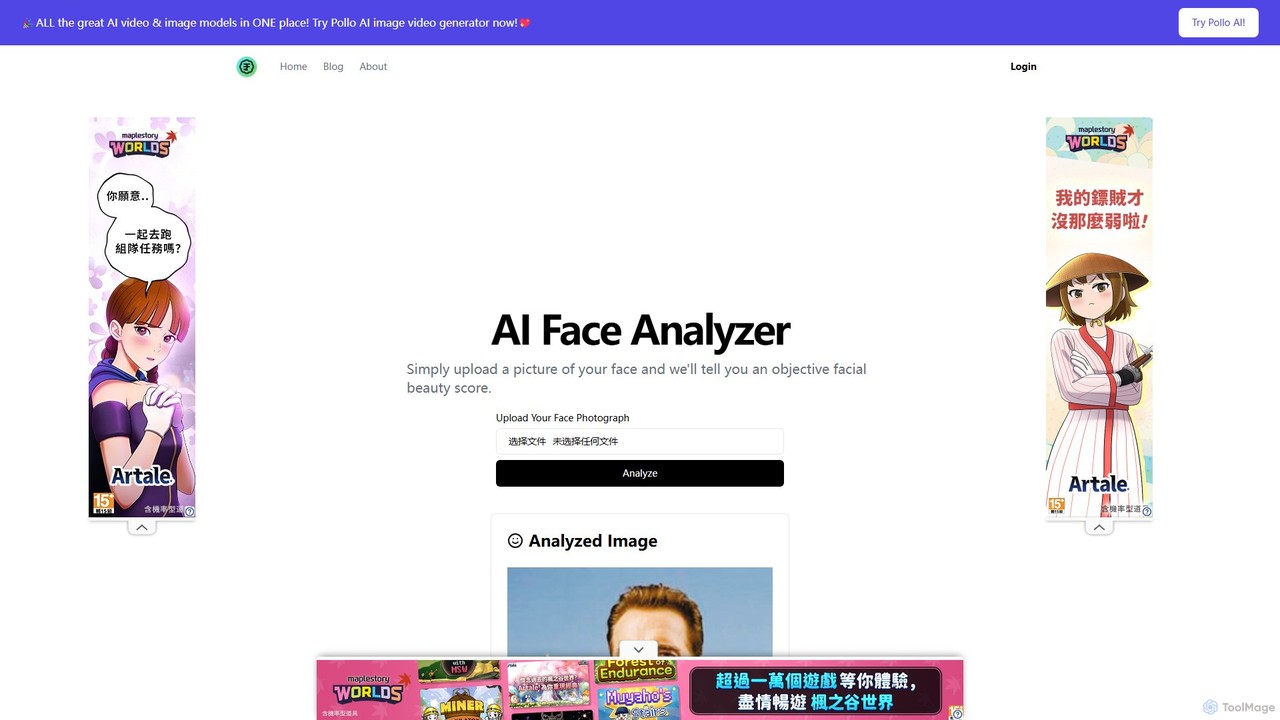
aifaceanalyzer

aifaceanalyzer

aifaceanalyzer is an AI-powered tool that analyzes your facial features from an uploaded photo to provide an objective …

4.9K

About Face Analysis

Face Analysis tools are a class of AI applications that automatically detect and interpret human facial features from images or videos. Leveraging advanced computer vision and machine learning models, these tools can identify a wide range of attributes, including emotions, age, gender, and specific facial landmarks. The primary value of Face Analysis lies in its ability to provide quantitative data about facial expressions and characteristics, turning visual information into structured insights. As a subset of Fun Tools, they are often used for engaging and interactive experiences, from social media filters to personalized content recommendations.

Core Features

  • Emotion Detection: Identifies and classifies emotions such as happiness, sadness, anger, surprise, and fear from facial expressions.
  • Facial Attribute Recognition: Estimates demographic information like age and gender, and detects features like glasses, beards, or makeup.
  • Facial Landmark Detection: Pinpoints key features on a face, such as the corners of the eyes, the tip of the nose, and the outline of the lips, for precise analysis.
  • Head Pose Estimation: Determines the orientation of the head in three-dimensional space (pitch, yaw, and roll).
  • Similarity Scoring: Compares facial features between two or more faces to calculate a similarity score, often used in 'look-alike' applications.

Applicable Scenarios

These tools are widely used in marketing, user experience (UX) research, and interactive entertainment. For instance, marketers can analyze audience reactions to video ads to gauge emotional engagement. App developers use this technology to create dynamic AR filters for social media or personalized user interfaces that adapt to a user's mood. In gaming, it can enable characters to mirror a player's real-life expressions.

Selection Criteria

When choosing a Face Analysis tool, consider the accuracy and range of detectable attributes. Evaluate its performance under various conditions like low light or different head angles. For developers, the availability of a well-documented API and SDK is crucial. Also, review the tool's privacy policy carefully to understand how facial data is handled, and consider the processing speed (real-time vs. batch processing) based on your needs.

Face AnalysisUse Cases

1

Creating Interactive Social Media Filters

A social media content creator or AR developer wants to build an engaging filter for their audience. They use a Face Analysis API to detect facial expressions in real-time. For example, the filter could place a crown on the user's head when they smile, or trigger a rain cloud effect when they show a sad expression. By integrating facial landmark detection, the filter can also accurately place virtual glasses or makeup. This creates a highly interactive and shareable experience, increasing user engagement and brand visibility.

2

Analyzing Audience Reactions to Video Content

A marketing research firm needs to gauge the emotional impact of a new advertisement. They ask a focus group to watch the video while their reactions are recorded. A Face Analysis tool processes the recording to track the emotional responses of each participant frame by frame. The tool generates aggregated data showing moments of peak happiness, surprise, or confusion. This quantitative feedback is invaluable for the creative team to identify the most effective parts of the ad and areas that need improvement, leading to a more impactful final cut.

3

Finding Your Celebrity Look-Alike

A user curious about their celebrity doppelgänger visits a 'look-alike finder' web application. They upload a clear, front-facing photo of themselves. The application's backend uses a Face Analysis tool to extract a set of unique facial feature vectors from the user's photo. It then compares these vectors against a pre-analyzed database of celebrity photos. The tool calculates a similarity score for each comparison and returns the top 3-5 celebrities with the highest scores. This provides a fun, personalized, and highly shareable result for the user.

4

Personalizing In-Game Experiences

A game developer is creating an immersive role-playing game (RPG). They integrate a Face Analysis SDK that uses the player's webcam. The technology detects the player's real-time emotions. If the player looks surprised during a plot twist, their in-game character might gasp. If they smile at a friendly non-player character (NPC), the NPC might respond more warmly. This creates a deeper level of immersion and emotional connection to the game world, making the player's experience more unique and responsive.

5

Virtual Try-On for Eyewear E-commerce

An online eyewear retailer wants to improve their conversion rate by offering a virtual try-on feature. A customer visiting the website can activate their camera. A Face Analysis tool instantly detects the precise location of their eyes, nose bridge, and face shape using facial landmark detection. This data is used to render a 3D model of the selected glasses onto the user's live video feed, perfectly scaled and positioned. The user can turn their head to see the glasses from different angles, simulating a real-world fitting room experience and increasing their confidence to purchase.

6

Generating a 'Face-Based' Music Playlist

A music streaming service develops a novel feature to generate playlists based on a user's current mood. A user opts-in and allows camera access. The app's integrated Face Analysis tool analyzes their expression and detects their dominant emotion, such as 'happy', 'calm', or 'melancholy'. Based on this real-time emotional data, the service's algorithm curates a personalized playlist. If the user is happy, it suggests upbeat tracks; if they look tired, it might recommend relaxing ambient music. This creates a uniquely responsive and personalized listening experience.

Face AnalysisFrequently Asked Questions