Fun Tools Best in category 9 results Gaming AI Tool

Popular AI tools in the Gaming field of Fun Tools include Quick, Draw!、Honeybot.ai、SoulFun、funtalk、NokémonAI、agpallav、aifantasynamegenerator、NurmoAI、Huma, etc., helping you quickly improve efficiency.

SoulFun

SoulFun

SoulFun offers an immersive AI chat experience, allowing you to connect with a diverse range of AI soulmates. …

78.7K
Free
Quick, Draw!

Quick, Draw!

Quick, Draw! is an interactive AI experiment and game from Google where you draw an object, and a …

2.1M
Free
aifantasynamegenerator

aifantasynamegenerator

A 100% free, AI-powered tool for generating unique and memorable fantasy names. Ideal for writers, gamers, and dungeon …

2.7K
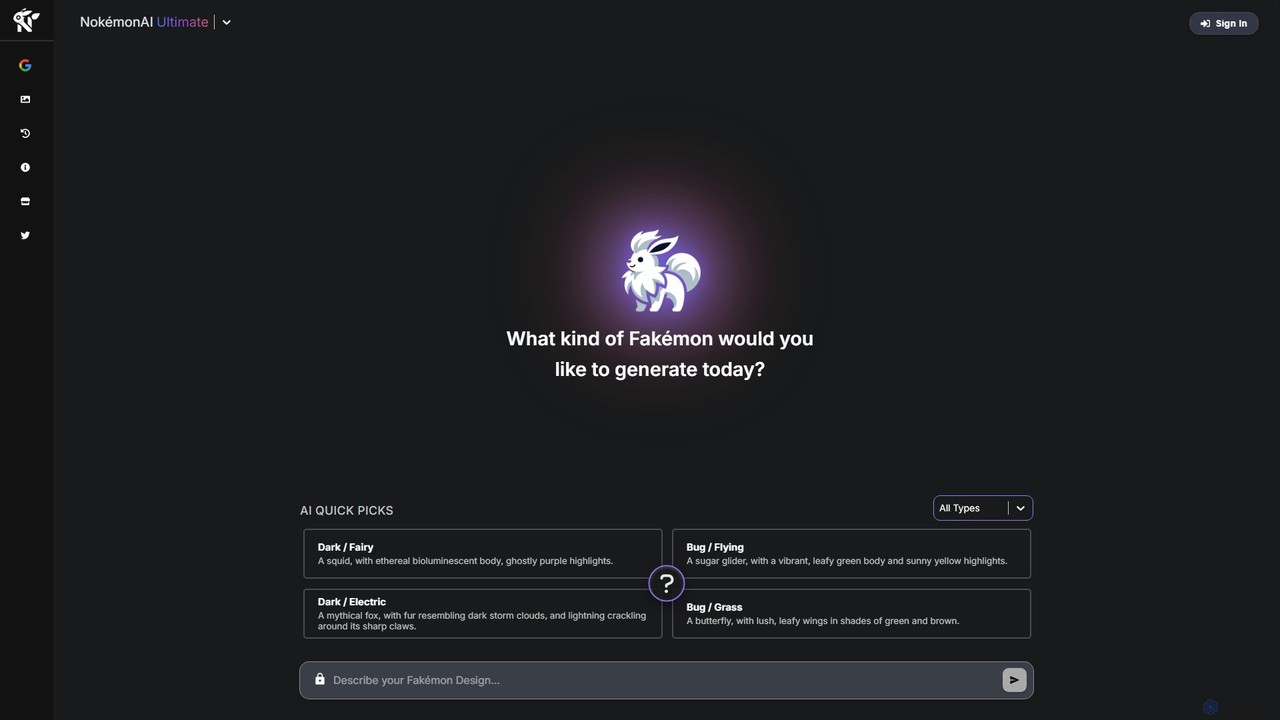
NokémonAI

NokémonAI

NokémonAI is a generative AI tool that brings your creature ideas to life. Create unique, Pokémon-style characters called …

7.5K
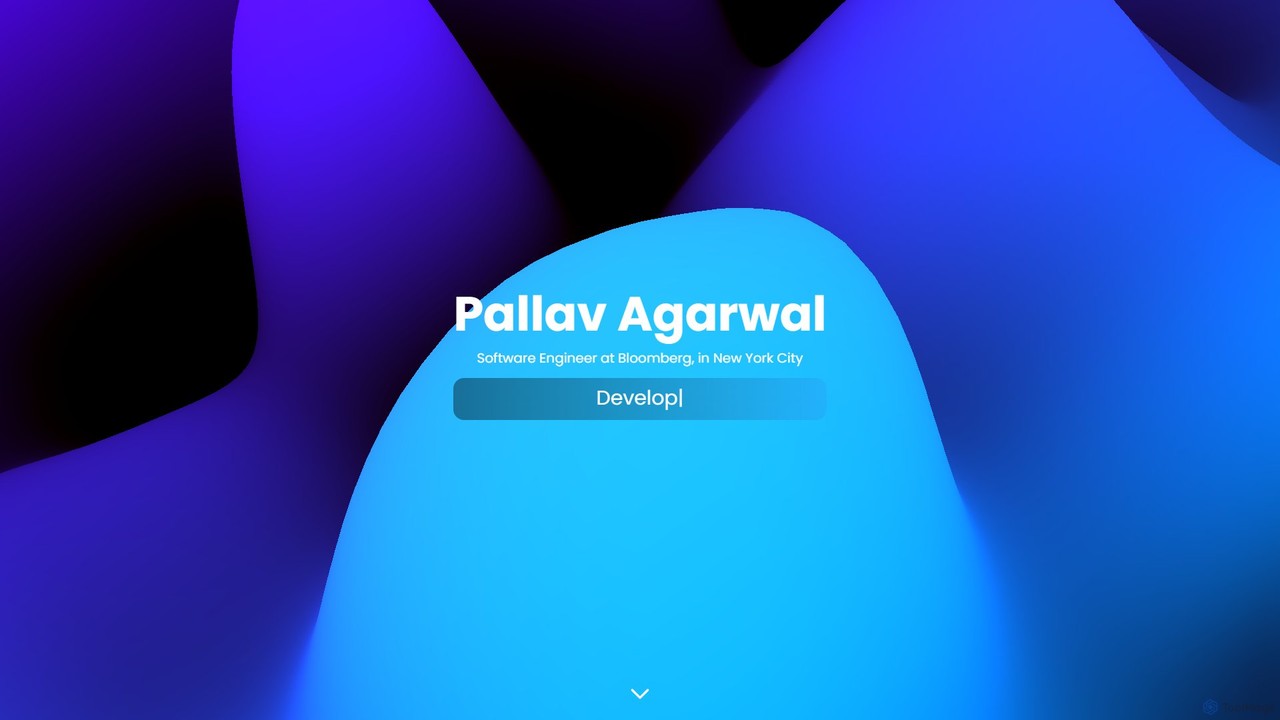
agpallav

agpallav

A curated portfolio by developer Pallav Agarwal, showcasing a diverse collection of innovative AI-powered applications, open-source projects, and …

3.5K
Huma

Huma

Huma is an emotionally intelligent AI companion app designed to foster personal growth, combat loneliness, and provide deep, …

2.6K
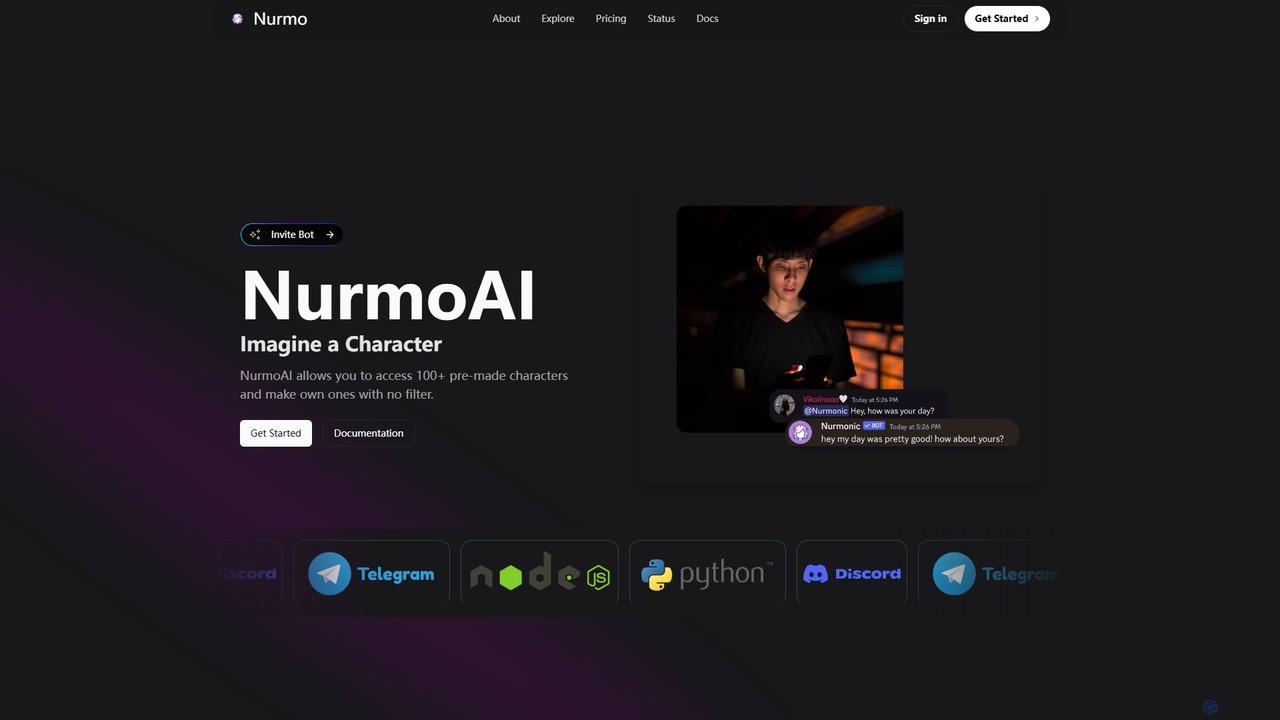
NurmoAI

NurmoAI

NurmoAI is a character AI platform offering over 100 pre-made characters and the ability to create custom ones …

2.7K
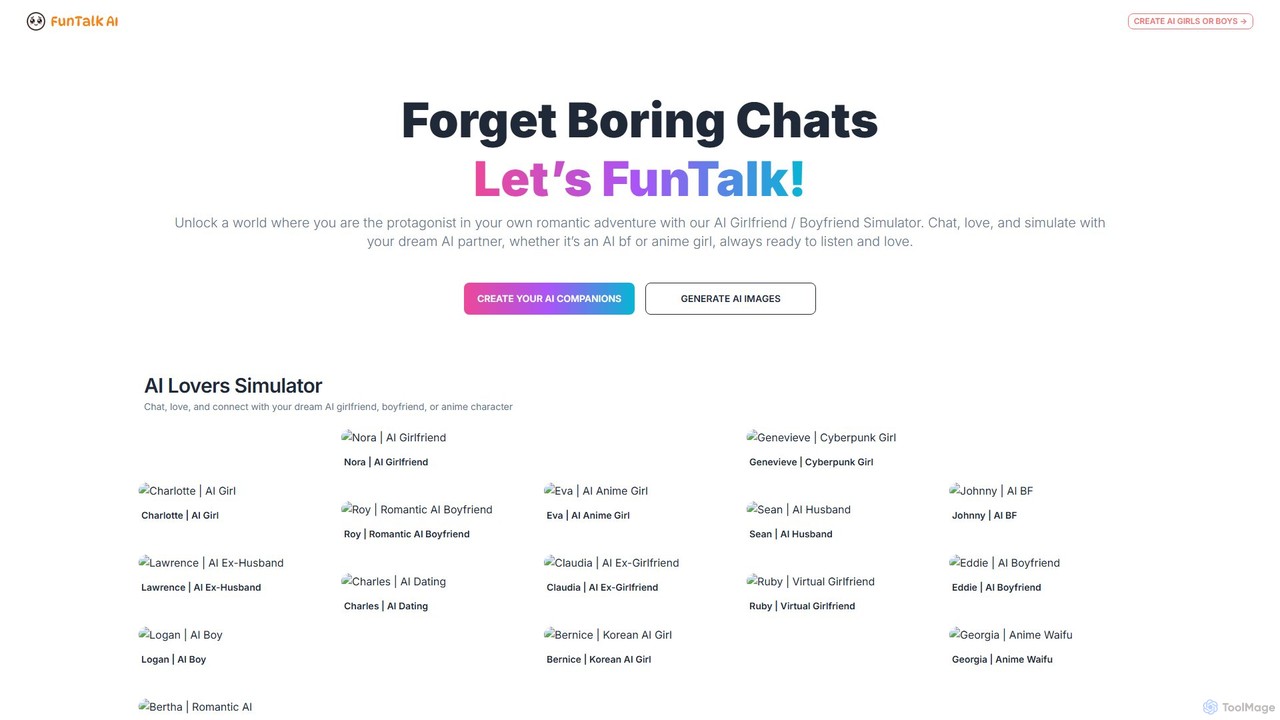
funtalk

funtalk

FunTalk is an AI-powered love simulator that allows users to create, customize, and interact with virtual AI girlfriends …

9.3K
Honeybot.ai

Honeybot.ai

Honeybot.ai offers a realistic AI girlfriend experience with companions that feature long-term memory and emotional intelligence. Engage in …

88.2K

About Gaming

AI Gaming tools are a class of applications that use artificial intelligence to generate, enhance, and manage interactive game content. These tools leverage algorithms like procedural content generation (PCG) and machine learning to create dynamic game worlds, intelligent non-player characters (NPCs), and unique game assets. Their primary value lies in automating repetitive development tasks, enabling the creation of vast, non-repetitive environments, and delivering more immersive and personalized player experiences. As a specialized category of Fun Tools, they focus specifically on the complex, real-time demands of game development and interactive entertainment.

Core Features

  • Procedural Content Generation (PCG): Automatically creates game levels, maps, items, and even quests, offering endless variability.
  • Intelligent NPC Behavior: Develops non-player characters with adaptive tactics, realistic decision-making, and natural language interaction.
  • AI-Powered Asset Creation: Generates textures, 3D models, sound effects, and music, accelerating the art production pipeline.
  • Dynamic Difficulty Balancing: Analyzes player performance in real-time to adjust game difficulty, ensuring an engaging experience for all skill levels.
  • Narrative Generation: Creates branching storylines and dynamic dialogues that respond to player actions, making each playthrough unique.

Use Cases

AI Gaming tools are primarily used by game developers, from solo indie creators to large AAA studios. Indie developers use them for rapid prototyping and asset creation to compete with larger teams. Major studios employ these tools to build vast open worlds and simulate complex systems like city populations or ecosystems. Game designers also use them to test game balance and create adaptive gameplay mechanics.

How to Choose

When selecting an AI Gaming tool, first consider its integration with your chosen game engine, such as Unity or Unreal Engine. Evaluate the specific function you need—whether it's for level design, NPC logic, or asset generation. Assess the level of customization and control the tool offers over its outputs. Finally, consider the performance impact on your game and whether the pricing model aligns with your project's budget.

GamingUse Cases

1

Rapid World Prototyping for Indie Developers

An indie game developer working on an open-world RPG needs to create a vast and varied landscape but lacks the resources of a large team. By using an AI Procedural Content Generation (PCG) tool, they can define rules and parameters such as biome types, terrain elevation, and resource distribution. The AI then generates thousands of square kilometers of unique, explorable terrain in a fraction of the time it would take to design manually. This allows the developer to focus their creative energy on quests, characters, and core gameplay mechanics, significantly accelerating the prototyping phase.

2

Creating Realistic City Crowds in AAA Games

A AAA studio developing an open-world game set in a bustling metropolis needs to populate the city with thousands of believable NPCs. Instead of scripting individual behaviors, they use an AI behavior tree system. This system assigns goals (like 'go to work', 'buy groceries') and traits to each NPC, allowing them to navigate the world, react to the player, and interact with each other dynamically. The result is a living, breathing city where crowds form organically, traffic flows realistically, and every citizen appears to have their own life, greatly enhancing player immersion.

3

Generating Unique Game Assets for Artists

A game artist is tasked with creating hundreds of unique icons for items in a fantasy RPG. Manually designing each one is time-consuming. Using an AI asset generator, the artist can provide a few base examples and a text prompt like 'healing potion, glowing blue, ornate glass bottle'. The AI then generates dozens of variations in a consistent style. The artist can quickly select the best options, make minor tweaks, and finalize the assets, reducing production time from weeks to days and ensuring a rich variety of in-game items.

4

Dynamic Difficulty Adjustment for Player Engagement

A game designer for a fast-paced action game wants to ensure the experience is challenging but fair for all players. They implement an AI system that monitors player metrics like accuracy, completion time, and damage taken. If a player is struggling, the AI might subtly decrease enemy health or provide more ammo. Conversely, for a skilled player, it might increase enemy aggression or introduce more complex attack patterns. This dynamic adjustment happens seamlessly in the background, creating a personalized difficulty curve that keeps players in a state of 'flow' and prevents frustration or boredom.

5

AI-Enhanced Storytelling for Modders

A modder for a popular RPG wants to create a new questline with truly reactive characters. They use an AI narrative tool that integrates with the game. This tool allows NPCs to generate dialogue in real-time based on the player's actions, inventory, and past conversations, going beyond pre-written scripts. A player might ask an NPC about a rare sword they are carrying, and the NPC, powered by a language model, could recognize the item and share a unique piece of lore about it. This creates a deeply personal and dynamic narrative experience that was previously impossible for modders to achieve.

6

AI-Powered Game Companions for Players

A player in a futuristic sci-fi game interacts with their AI companion, which isn't limited to a few canned voice lines. Powered by a large language model, the companion can hold natural, unscripted conversations. The player can ask for tactical advice, discuss the game's lore, or even just chat about the virtual weather. The companion remembers past interactions, develops a unique personality based on how the player treats it, and provides helpful, context-aware suggestions during missions. This transforms the companion from a simple game mechanic into a believable and engaging character, deepening the player's connection to the game world.

GamingFrequently Asked Questions