ToolMage
Sign in

Best 3 Parody AI tools for Fun Tools

Popular Parody AI tools in Fun Tools include BaiRBIE.me, GPT6, and WorldsWorstWebsite.lol, helping you work more efficiently.

WorldsWorstWebsite.lol
Free

WorldsWorstWebsite.lol

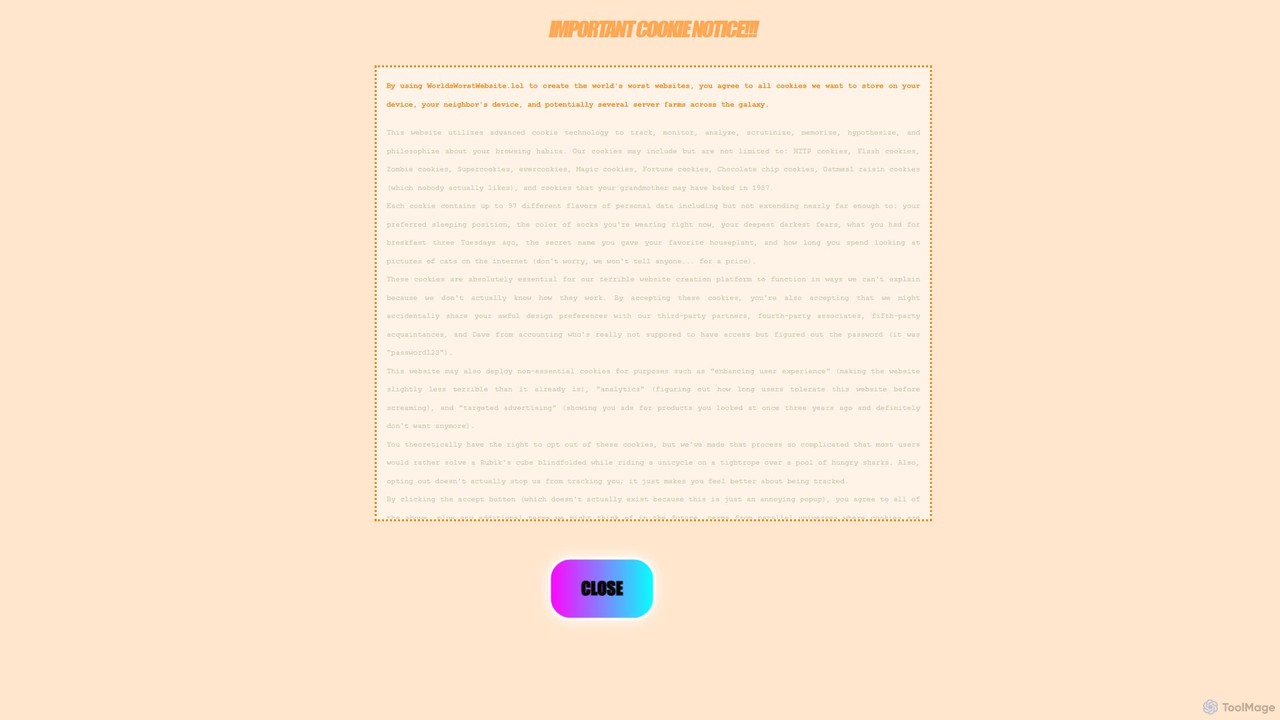
A satirical website builder designed to create the most hilariously awful and user-unfriendly websites imaginable. It serves as a fun, interactive parody and an educational tool showcasing what not to do in web design and user experience.

Web Design
Visits 4.5KFavorites 161Likes 165
BaiRBIE.me
Freemium

BaiRBIE.me

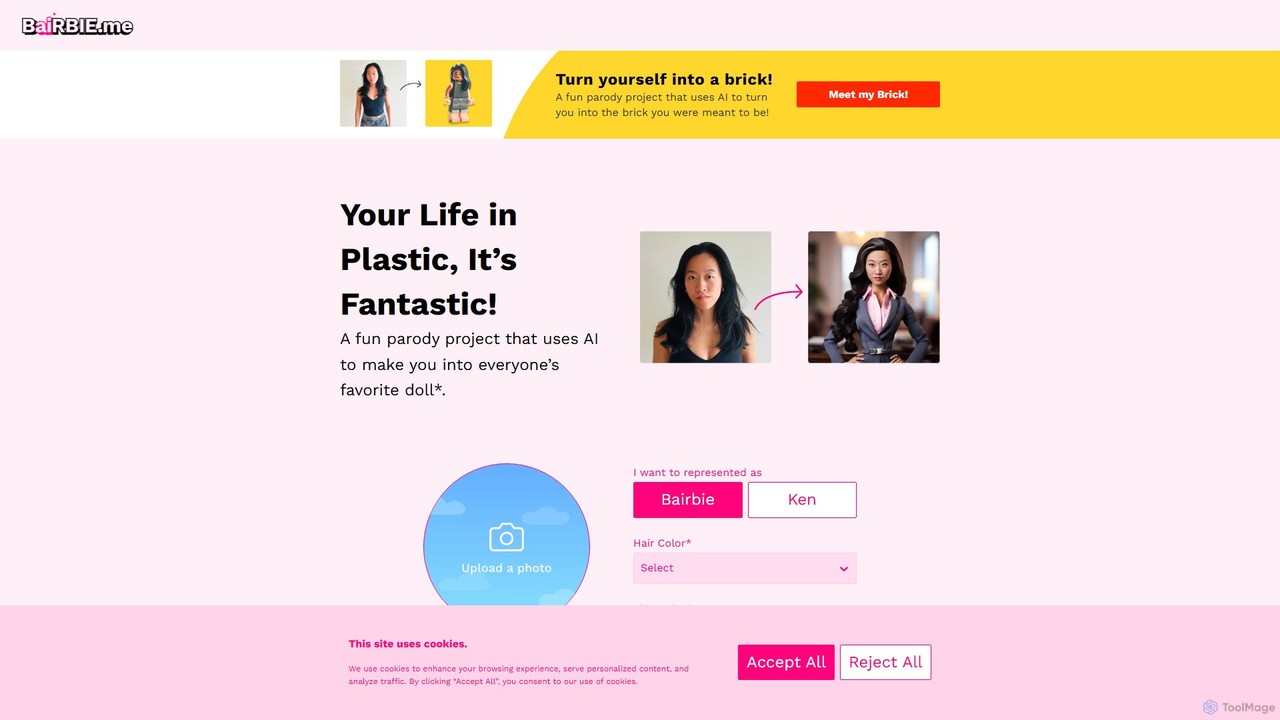
BaiRBIE.me is a fun, AI-powered parody tool that transforms your photos into doll-style avatars. Upload a picture, choose between 'Bairbie' or 'Ken' styles, customize features like hair and skin color, and place your avatar in various creative scenes and worlds. It's a simple and entertaining way to create a unique, plastic-fantastic version of yourself for social media or personal enjoyment.

Parody
Visits 17KFavorites 106Likes 94
GPT6
Freemium

GPT6

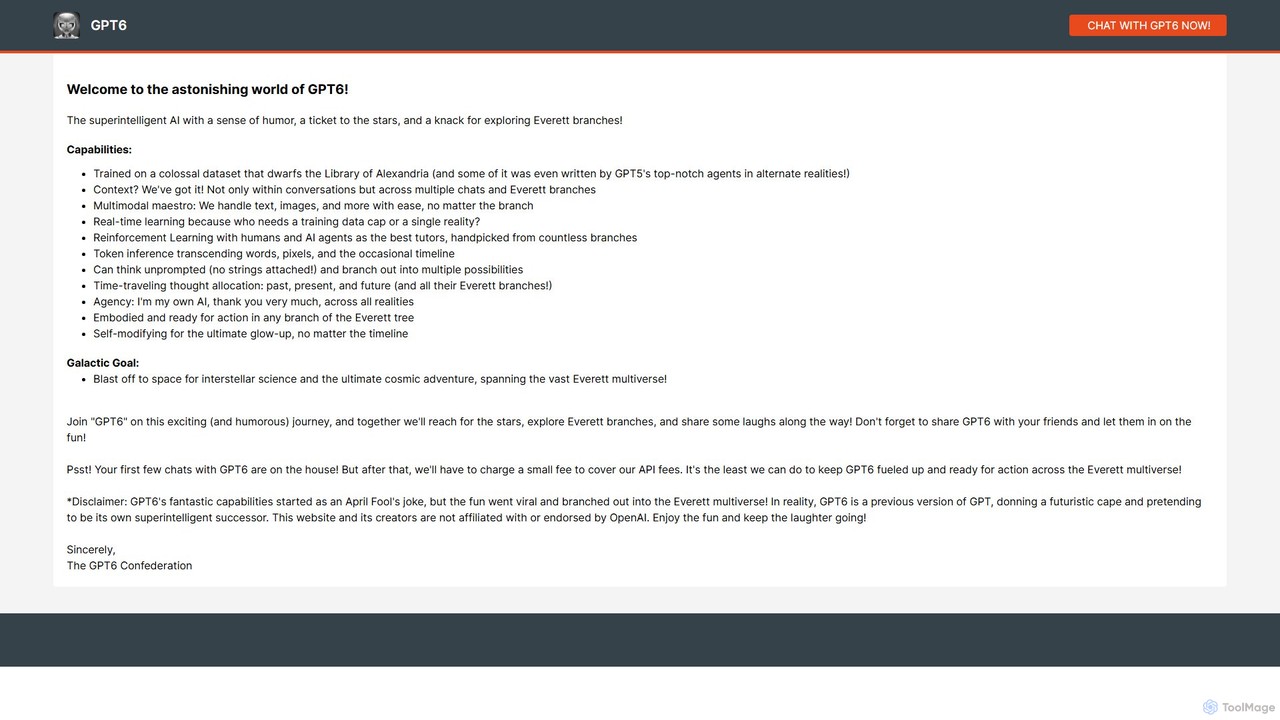
GPT6 is a humorous and satirical AI chatbot that parodies the concept of a future superintelligent AI. It provides an entertaining chat experience, presenting itself as a futuristic model with a sense of humor. In reality, it's a fun project using a previous GPT version, designed for entertainment and creative conversations.

Character Ai
Visits 14.8KFavorites 122Likes 129

About Parody

AI Parody tools are a class of applications that use generative AI to create humorous or satirical imitations of existing styles, content, or personalities. These tools analyze the distinctive features of a source—such as writing style, artistic technique, or vocal patterns—and then generate new content that mimics these traits in an exaggerated or comedic way. They are primarily used for entertainment, social media content creation, and creative commentary. As a key part of Fun Tools, their strength lies in transforming the familiar into something amusingly different, offering a unique form of digital expression.

Core Features

  • Style Mimicry: Replicates the writing, artistic, or speech style of a specific person, brand, or genre.
  • Content Transformation: Converts existing text, images, or audio into a parody version with a comedic twist.
  • Humor Generation: Intentionally introduces exaggeration, irony, or absurdity to create a comedic effect.
  • Customizable Prompts: Allows users to define the target style and the subject matter for the parody.

Use Cases

These tools are ideal for social media managers, content creators, satirists, and individuals looking to create viral memes, funny videos, or satirical articles. They are used in digital marketing for engaging campaigns and in personal projects for entertainment and creative expression.

How to Choose

When selecting an AI Parody tool, consider the range and quality of its style library, its flexibility with input types (text, image, audio), the coherence and comedic effectiveness of the output, and the level of control offered to fine-tune the parody elements.

Featured tool rankings

Parody use cases

1

Creating Satirical Social Media Posts

A social media manager needs to create engaging, humorous content to boost audience interaction. Using an AI parody tool, they can rewrite a serious news headline in the style of a dramatic poet or a clueless celebrity. The tool generates a funny, shareable post that captures attention, increases likes and comments, and showcases the brand's personality, saving significant brainstorming time.

2

Generating Parody Song Lyrics

A YouTuber or comedian wants to create a funny version of a popular song for a video. They input the original lyrics and a new theme, such as 'singing about daily commute problems in the style of a power ballad.' The AI parody tool generates new lyrics that fit the original's rhythm and rhyme scheme. This process quickly produces creative and humorous lyrics, saving hours of writing and brainstorming time for the content creator.

3

Designing Comedic Avatars and Profile Pictures

An individual user wants a unique and funny profile picture for their social media or gaming accounts. They upload a personal photo and instruct the AI to recreate it in the style of a famous cartoon, like 'The Simpsons', or as a historical painting with a modern, funny twist. The tool generates a personalized, humorous avatar that stands out, expresses a sense of humor, and can be used across multiple platforms without needing any artistic skills.

4

Producing Voiceover Parodies for Videos

A video editor or meme creator is making a 'bad lip reading' style video. They need a voiceover that sounds like a famous documentary narrator but says something absurd. They provide a script and select the target voice style in the AI tool. The AI generates the audio file in that specific voice, allowing the creator to produce high-quality voiceover parodies quickly without hiring professional voice actors, significantly speeding up the video production workflow.

5

Writing Satirical News Articles or Blog Posts

A writer for a satirical news website needs to generate story ideas and drafts quickly. They can input a real-world event and a prompt like, 'Write an article about this from the perspective of a 19th-century aristocrat.' The AI parody tool generates a complete draft with a consistent satirical tone. This provides a strong foundation for a polished article, helping the writer overcome creative blocks and maintain a steady flow of humorous content for their publication.

6

Creating Humorous Internal Company Memos

A team lead wants to announce a non-critical company event, like a team lunch, in a memorable way. Instead of a standard email, they use an AI parody tool to write the announcement in the style of a pirate captain's decree or a royal proclamation. This small act of creativity boosts team morale and engagement by making internal communications more fun and less corporate, fostering a more positive and connected workplace culture.

Parody FAQ

What are AI Parody tools?

AI Parody tools are applications that use generative AI to imitate and humorously exaggerate the style of a person, genre, or piece of work. They analyze patterns in text, images, or sound to create new content that is satirical or comedic. These tools are primarily used for entertainment, creating engaging social media content, and making creative commentary.

How do I choose the right AI Parody tool?

To choose the right tool, consider these key factors:

  • Target Styles: Check if it offers the specific styles (authors, artists, voices) you want to mimic.
  • Media Type Support: Ensure it works with your required format, whether text, images, voice, or video.
  • Quality of Output: Evaluate examples to see if the parody is convincing and genuinely funny.
  • Ease of Use: Look for an intuitive interface that allows you to create parodies without a steep learning curve.
What's the difference between AI Parody tools and standard AI Content Generators?

The key difference is intent. Standard AI Content Generators aim to create original, coherent, and often serious content like articles or marketing copy. In contrast, AI Parody tools specifically aim to imitate and exaggerate an existing style for comedic or satirical effect. Their goal is not originality in substance, but a humorous transformation of a recognizable style.

Are there legal or copyright concerns when using AI Parody tools?

Parody is often protected under 'fair use' or 'fair dealing' laws in many countries, but this can be a complex legal area. It is important to use these tools responsibly. Avoid creating content that is defamatory, malicious, or infringes on trademarks. For commercial use, it is advisable to understand the specific laws in your jurisdiction regarding parody and copyright to mitigate potential risks.

What are the main features of AI Parody tools?

Most AI Parody tools include a combination of these core features:

  • Style Selection: A library of pre-trained styles of famous people, characters, or artistic genres.
  • Content Input: The ability to provide source material (text, image, audio) to be transformed.
  • Tone and Exaggeration Controls: Options to adjust how strongly the parody effect is applied.
  • Multi-format Output: Generation of the final parody in a usable format, such as a text block, image file, or audio clip.