ToolMage
Sign in

Best 2 Personalized Content AI tools for Fun Tools

Popular Personalized Content AI tools in Fun Tools include Magic AI Avatars and StarLens, helping you work more efficiently.

StarLens
Free

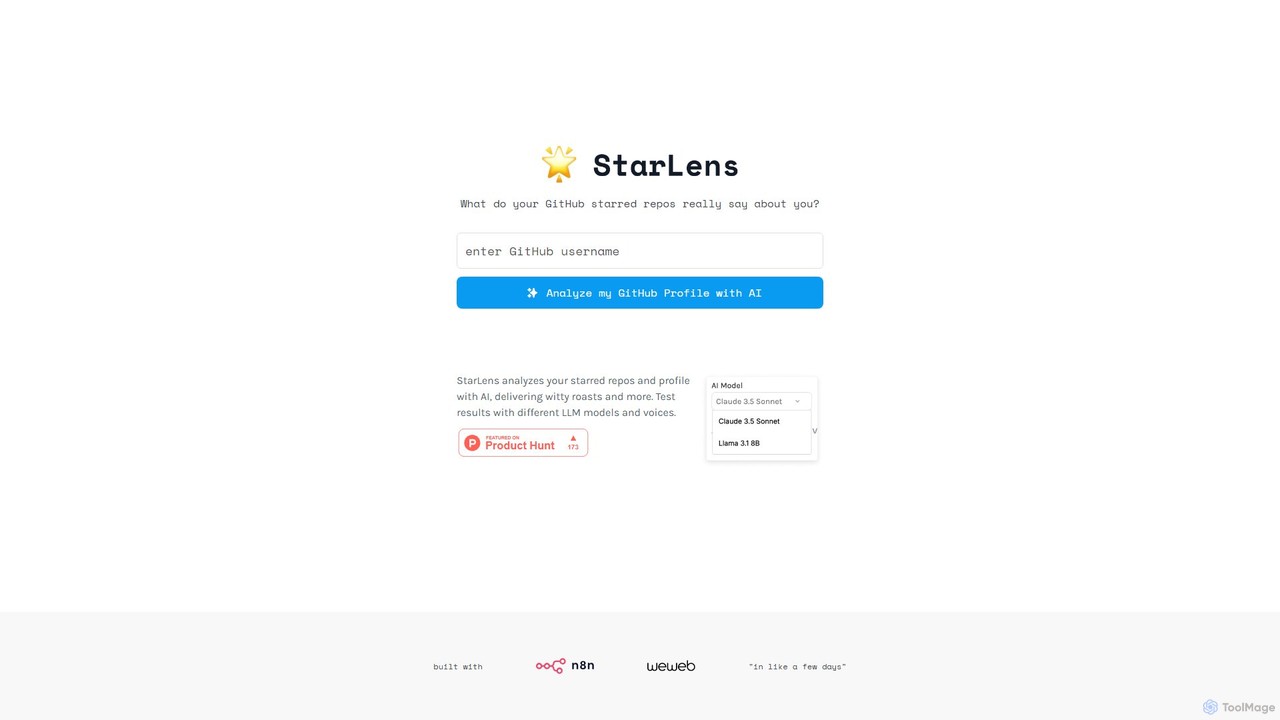
StarLens

An AI-powered tool that analyzes your GitHub profile and starred repositories to generate insightful summaries and witty roasts. Discover what your coding interests truly reveal about you in a fun, shareable format.

Code Analysis
Visits 4.1KFavorites 81Likes 97
Magic AI Avatars
Freemium

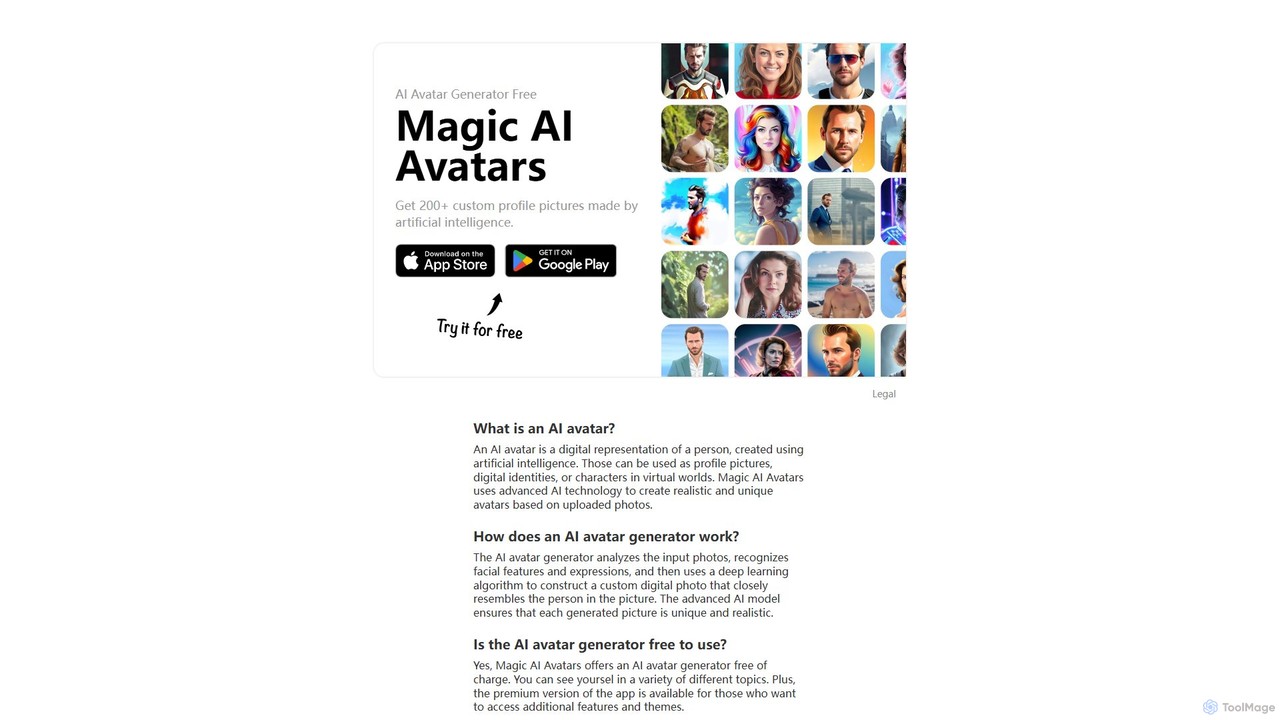
Magic AI Avatars

Magic AI Avatars is a free AI-powered generator that creates over 200 unique, realistic digital avatars from your photos. Simply upload your pictures to get custom profile pictures in various styles and themes. It offers a user-friendly experience with a focus on privacy, providing both free and premium options for enhanced features.

Personalized Content
Visits 4.3KFavorites 111Likes 125

About Personalized Content

Personalized Content tools are AI-powered solutions designed to generate or adapt digital content specifically for individual users. These tools leverage machine learning algorithms and user data to understand preferences, behaviors, and context, enabling the creation of unique and highly relevant experiences. They transform generic interactions into engaging, one-to-one communications, enhancing user satisfaction and engagement across various platforms.

Core Features

  • User Profile Analysis: Analyzes demographic data, past interactions, and behavioral patterns to build detailed user profiles.
  • Dynamic Content Generation: Automatically creates or modifies text, images, videos, or recommendations in real-time based on individual user profiles.
  • Contextual Adaptation: Adjusts content delivery and messaging according to the user's current situation, device, location, or time.
  • A/B Testing & Optimization: Facilitates testing different personalized content variations to identify the most effective approaches and continuously improve engagement.

Applicable Scenarios

These tools are invaluable for marketers aiming to deliver targeted campaigns, educators creating adaptive learning paths, and e-commerce platforms seeking to offer tailored product recommendations. They are also widely used by media companies to curate personalized news feeds and by entertainment providers for customized content suggestions, making every interaction feel unique to the individual.

How to Choose

When selecting a Personalized Content tool, consider its data integration capabilities with your existing CRM or CDP, the types of content it can personalize (text, visual, audio), and its scalability to handle your user base. Evaluate the level of AI sophistication for true dynamic adaptation versus rule-based personalization, and assess the analytics features for measuring impact and optimizing strategies.

Featured tool rankings

Personalized Content use cases

1

Crafting Personalized Marketing Email Campaigns

Marketing professionals can utilize personalized content tools to segment their audience and automatically generate unique email subject lines, body text, and product recommendations for each recipient. By analyzing past purchase history and browsing behavior, the AI ensures that every email feels directly relevant, significantly increasing open rates and conversion opportunities compared to generic blasts.

2

Dynamic Website Content for E-commerce

E-commerce businesses employ these tools to dynamically alter website layouts, product displays, and promotional offers for individual visitors. Based on real-time browsing patterns, search queries, and previous interactions, the AI presents highly relevant items and deals, guiding users more effectively towards a purchase and enhancing their shopping experience.

3

Tailored Learning Paths in Educational Platforms

Educators and e-learning platforms leverage personalized content to adapt course materials, quizzes, and learning sequences to each student's pace, knowledge gaps, and learning style. The AI assesses performance and engagement, then customizes the content delivery, ensuring a more effective and engaging educational journey for every learner.

4

Curating Personalized News and Media Feeds

Media companies and news aggregators use personalized content tools to deliver highly relevant articles, videos, and podcasts to individual users. By analyzing reading habits, preferred topics, and engagement metrics, the AI creates a unique news feed that keeps users informed and engaged with content that truly matters to them, fostering loyalty.

5

Generating Personalized Product Recommendations

Retailers and service providers utilize these tools to offer highly specific product or service recommendations to customers. Based on their browsing history, purchase patterns, and even demographic data, the AI suggests items that are most likely to appeal to them, improving cross-selling and up-selling opportunities and customer satisfaction.

6

Creating Interactive Personalized Storytelling Experiences

Content creators and game developers can use personalized content tools to build interactive narratives where the storyline, character interactions, or even visual elements adapt based on user choices or profile data. This creates a deeply immersive and unique experience for each participant, making the content feel truly their own.

Personalized Content FAQ

What are Personalized Content AI tools?

Personalized Content AI tools are software solutions that use artificial intelligence to create or modify digital content to be uniquely relevant to an individual user. They analyze user data, preferences, and behavior to deliver tailored experiences, moving beyond one-size-fits-all content. These tools are crucial for enhancing engagement, relevance, and user satisfaction across various digital touchpoints.

How do Personalized Content tools differ from general "Fun Tools"?

While both can be engaging, general "Fun Tools" (the parent category) might offer broad entertainment or creative functions for a wide audience. Personalized Content tools specifically focus on tailoring that fun or utility to an individual. For example, a "Fun Tool" might be a generic AI art generator, while a Personalized Content tool would generate art based on your specific style preferences or memories, making the "fun" uniquely yours and highly relevant.

What types of content can be personalized using AI?

AI-powered personalization can be applied to a wide array of content types. This includes text (e.g., email copy, website headlines, product descriptions), images (e.g., personalized ad creatives, dynamic banners), videos (e.g., tailored intros/outros, recommended clips), audio (e.g., personalized music playlists, podcast recommendations), and even interactive elements like quizzes or game narratives. The goal is to adapt any digital medium to individual user preferences.

What data do Personalized Content tools use?

These tools typically utilize a variety of data sources to achieve personalization. This often includes explicit data (e.g., user-provided preferences, demographic information), implicit data (e.g., browsing history, click-through rates, time spent on content, purchase history), and contextual data (e.g., device type, location, time of day). Advanced tools may also incorporate sentiment analysis or real-time behavioral signals to refine their recommendations and content generation.

How can businesses measure the effectiveness of personalized content?

Businesses can measure effectiveness through various metrics. Key performance indicators (KPIs) include increased engagement rates (e.g., higher click-through rates, longer time on page), improved conversion rates (e.g., sales, sign-ups), reduced bounce rates, and enhanced customer satisfaction scores. A/B testing different personalized variations against generic content is also crucial to quantify the uplift in performance and optimize strategies over time.