Fun Tools Best in category 2 results Photo Animation AI Tool

Popular AI tools in the Photo Animation field of Fun Tools include Pai、PhotolapseAI, etc., helping you quickly improve efficiency.

PhotolapseAI

PhotolapseAI

PhotolapseAI is an AI-powered tool that automatically creates captivating face timelapse videos. Simply upload a collection of photos, …

6.0K
Pai

Pai

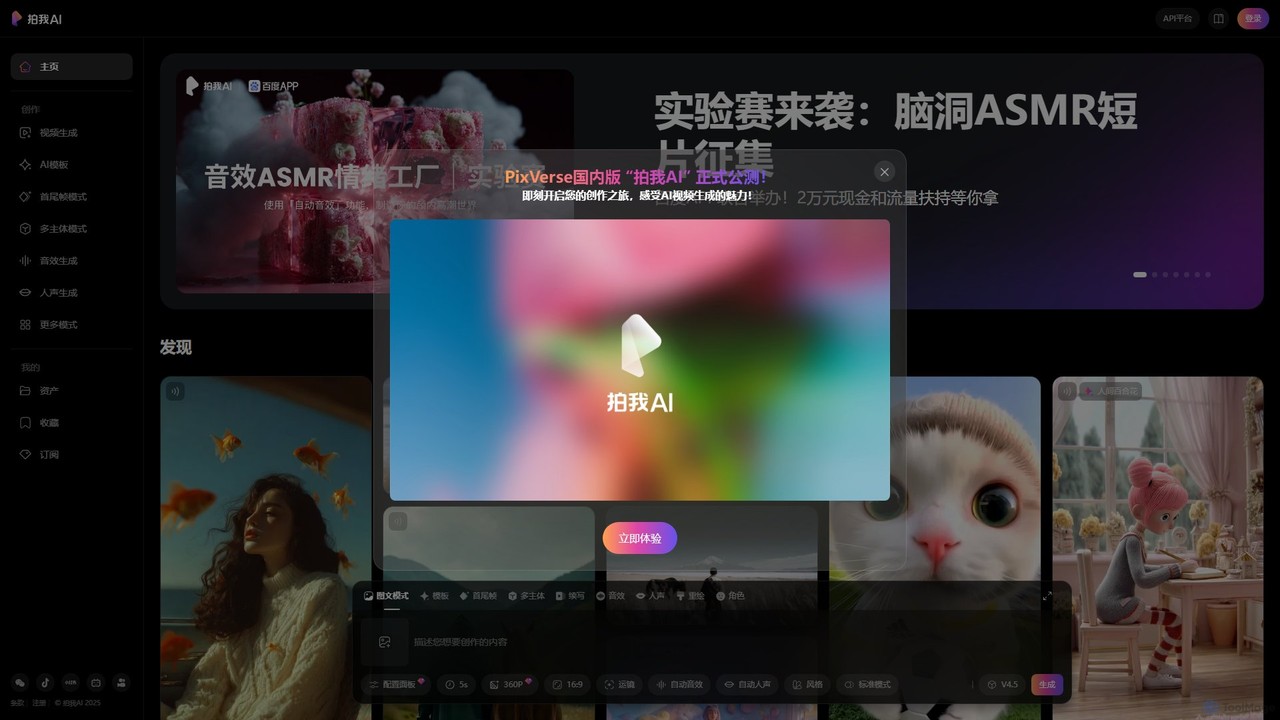
Pai is a powerful AI video generator, the official Chinese version of the globally popular PixVerse. It transforms …

124.8K

About Photo Animation

Photo Animation tools are AI-powered applications that transform static images into dynamic, short videos. By analyzing the content of a photograph, these tools use techniques like motion mapping, facial re-enactment, and 3D depth effects to add realistic or stylized movement. This allows users to make faces in portraits smile or talk, create subtle motion in landscapes like flowing water or moving clouds, and generate engaging visual content from a single picture. As a creative subset of Fun Tools, they offer a unique way to repurpose and revitalize existing photos for entertainment or marketing.

Core Features

  • Facial Animation: Animates expressions on faces in photos, including smiling, blinking, and head movements.
  • Lip-Syncing: Synchronizes mouth movements on a photo with an audio track to make it appear as if the person is speaking or singing.
  • 3D Parallax Effect: Adds a sense of depth and subtle camera motion to a 2D photo, creating a 'living photo' effect.
  • Environmental Motion: Animates natural elements within a photo, such as clouds, water, fire, or smoke, to bring scenes to life.
  • Object Animation: Allows users to define motion paths for specific objects within an image, creating custom animations.

Use Cases

These tools are widely used by social media content creators to produce eye-catching posts and stories that increase engagement. Digital marketers leverage them to create lightweight, dynamic ad creatives from static product images. Artists and photographers use them to add a new dimension to their work, while individuals use them for entertainment, such as animating old family photos or creating humorous memes.

How to Choose

When selecting a Photo Animation tool, consider the variety and realism of the available animation styles. Evaluate the supported output formats (e.g., MP4, GIF) and resolution. Check the platform's watermarking policy and pricing model. Finally, assess the user interface—some tools offer simple one-click templates, while others provide advanced manual controls for more customized results.

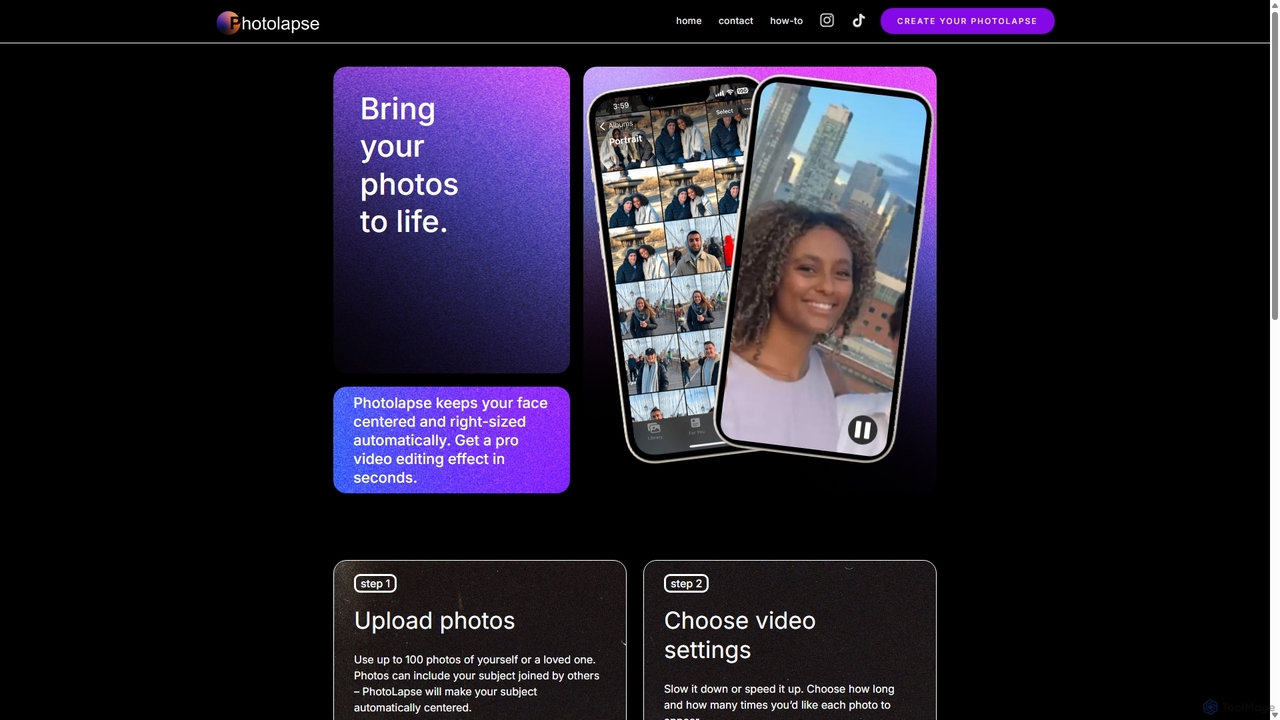
Photo AnimationUse Cases

1

Animate Old Family Photos

Individuals and genealogy enthusiasts use photo animation tools to bring historical portraits to life. By uploading a scanned black-and-white or sepia-toned photo of an ancestor, the AI can add subtle movements like blinking, smiling, and slight head turns. This process transforms a static, distant figure into a relatable presence, creating a powerful emotional connection for family members. The resulting short videos are often shared on social media or during family gatherings to celebrate heritage in a new, dynamic way.

2

Create Engaging Social Media Content

Social media managers and influencers use photo animation to make their posts stand out in crowded feeds. Instead of a static image of a product, they can animate it to show steam rising from a coffee cup or a subtle sparkle on a piece of jewelry. For memes or reaction images, animating a person's face to sing a popular song or react with an exaggerated expression can significantly boost engagement, shares, and virality. This technique turns standard visual assets into dynamic, scroll-stopping content.

3

Produce Dynamic Digital Art and NFTs

Digital artists and photographers are using photo animation to add a new layer of life to their creations. A still landscape photograph can be transformed into a cinemagraph where only the clouds move or water ripples. A digital portrait can be animated with subtle breathing motions and blinking eyes. This technique allows artists to create 'living images' that are more immersive. Many use this to mint more valuable and unique NFTs, as the added motion provides a distinct quality that sets them apart from static digital art.

4

Generate Eye-Catching Ad Creatives

Digital marketers use photo animation to quickly create lightweight video ads without the cost of a full video shoot. A static image of a burger can be animated to show steam rising, or a model wearing a watch can be made to subtly turn their wrist. These micro-animations are enough to catch a user's eye on platforms like Instagram or Facebook, leading to higher click-through rates compared to static image ads. It's a cost-effective way to test different ad concepts and refresh campaigns with dynamic visuals.

5

Create Personalized Animated Greetings

For personal use, these tools offer a fun way to create unique e-cards and greetings. A user can take a photo of a friend, upload it, and use a lip-sync feature with a recording of them singing 'Happy Birthday'. This creates a highly personalized and often humorous greeting that is more memorable than a standard text message or generic GIF. It's also popular for holidays, allowing users to make photos of their family or pets 'sing' festive songs to share with loved ones.

6

Enhance Profile Pictures and Avatars

Users looking to make their online presence more dynamic can animate their own profile pictures. By applying a 3D parallax effect, the static headshot gains a subtle sense of depth and movement, making it more engaging on platforms like LinkedIn or personal websites. Others might add a simple animation like a wink or a smile to their avatar for gaming or social media profiles. This helps create a more memorable and modern digital identity that stands out from the sea of static profile images.

Photo AnimationFrequently Asked Questions