Hardware Best in category 4 results Iot AI Tool

Popular AI tools in the Iot field of Hardware include phospho、Pleasedontcode、Hapticlabs、BookLed, etc., helping you quickly improve efficiency.

Pleasedontcode

Pleasedontcode

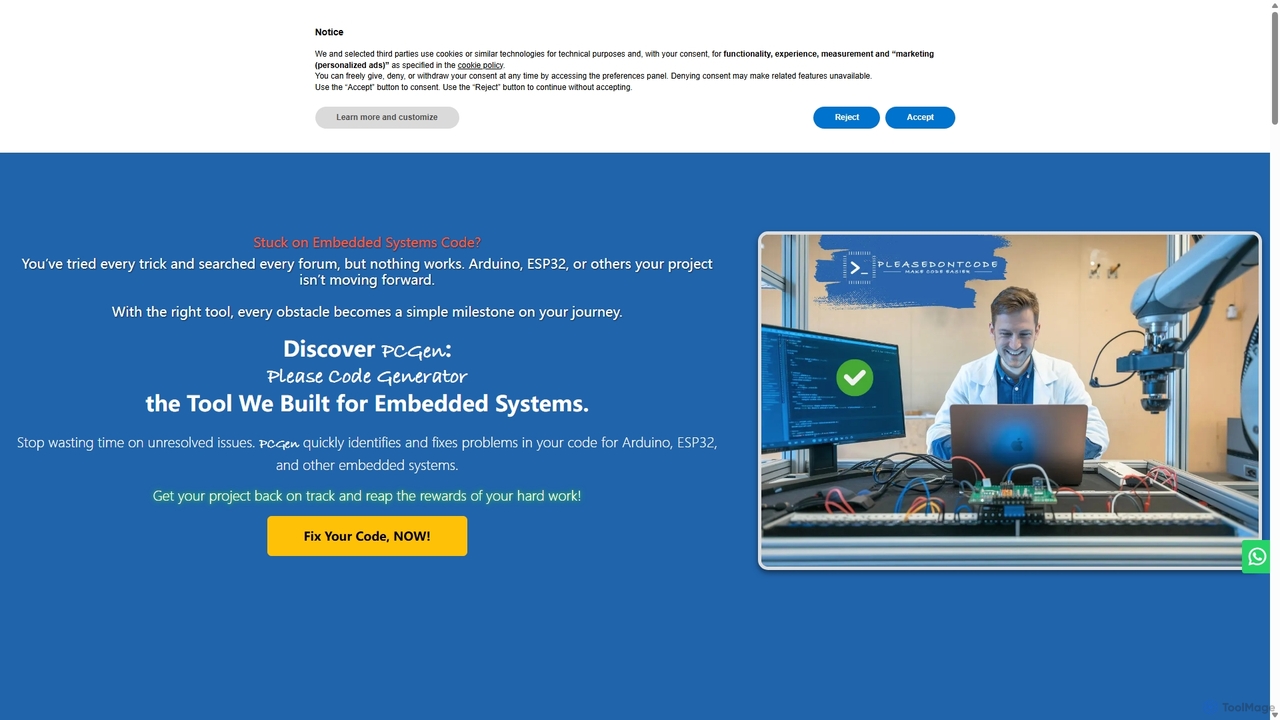
Pleasedontcode is a specialized AI code generator for embedded systems, designed to accelerate development for Arduino and ESP32 …

16.6K
BookLed

BookLed

BookLed is a revolutionary paper book that merges traditional reading with Generative AI. It features embedded electronics that …

3.8K
Hapticlabs

Hapticlabs

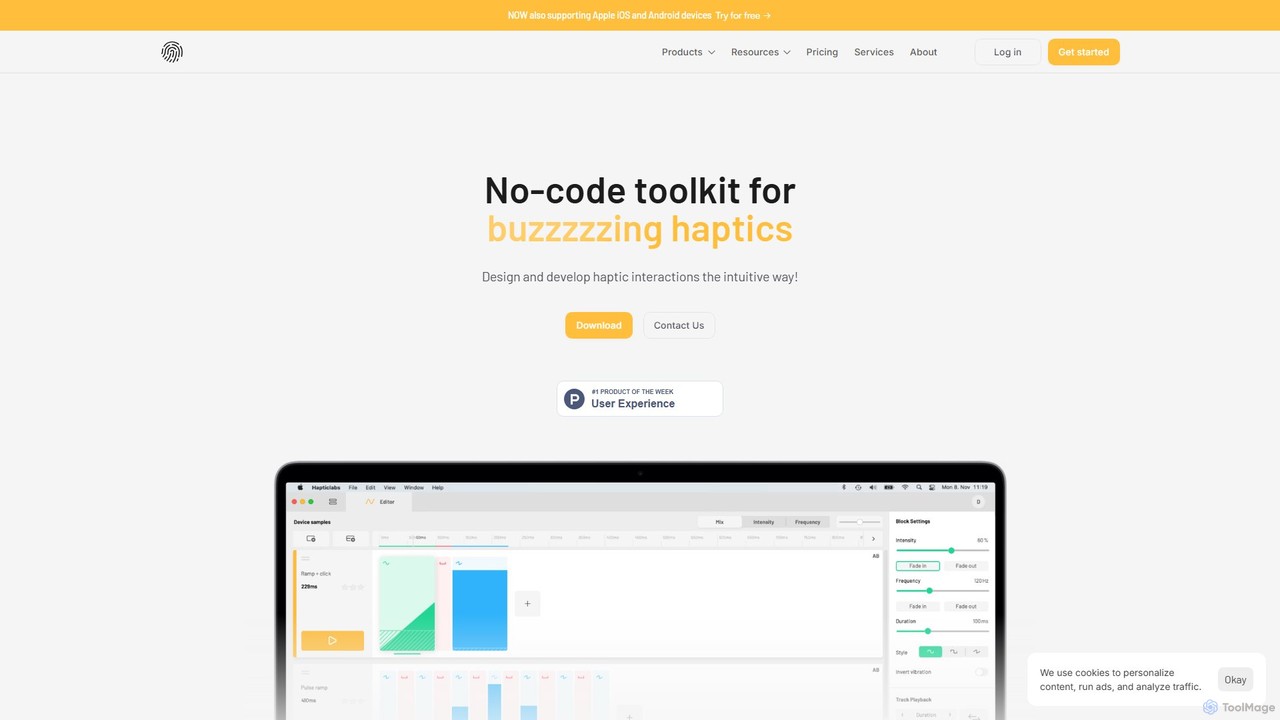
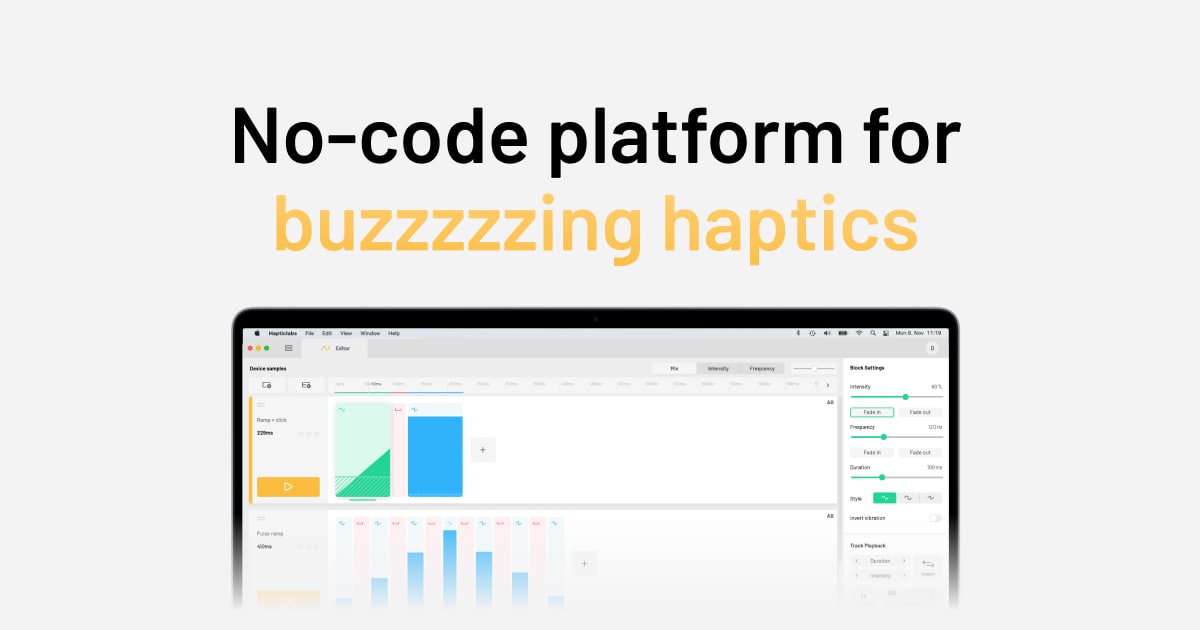
Hapticlabs is a no-code toolkit for designing, prototyping, and deploying tangible haptic interactions. It provides an intuitive ecosystem …

7.9K
phospho

phospho

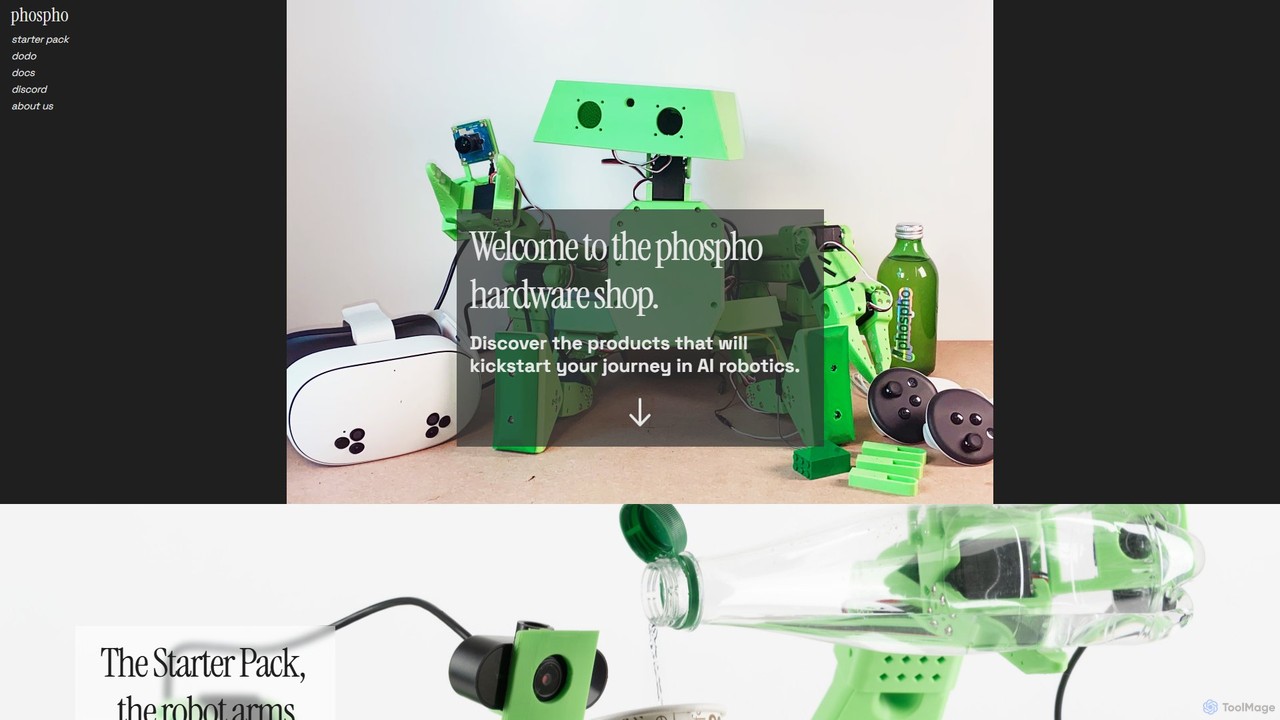
phospho is an AI robotics company providing an integrated ecosystem of open-source hardware and software. It offers starter …

22.2K

About Iot

IoT (Internet of Things) refers to a vast network of physical objects embedded with sensors, software, and other technologies for connecting and exchanging data with other devices and systems over the internet. These tools, a specialized segment within hardware, enable the creation of smart environments, facilitate extensive data collection, and allow for remote monitoring and automated control across diverse sectors. Integrating AI further enhances IoT capabilities by enabling predictive analytics, intelligent decision-making, and adaptive system responses, transforming raw data into actionable insights and driving operational efficiencies. This interconnected ecosystem fundamentally changes how we interact with the physical world.

Core Features

  • Data Collection & Sensing: Gathers real-time environmental, operational, and behavioral data from connected devices, providing a comprehensive view of physical assets and processes.
  • Connectivity & Communication: Enables seamless data exchange between devices, gateways, and cloud platforms using various protocols like Wi-Fi, Bluetooth, LoRaWAN, and cellular networks.
  • Remote Monitoring & Control: Allows users to oversee and manage devices or systems from any location via internet-connected interfaces, facilitating proactive problem-solving and operational adjustments.
  • Automation & Orchestration: Automates tasks and processes based on predefined rules or AI-driven insights, from adjusting smart home thermostats to optimizing industrial production lines, significantly improving efficiency.
  • Data Analytics & Insights: Processes vast amounts of IoT data, often in real-time, to identify patterns, predict outcomes, detect anomalies, and support informed decision-making across various applications.

Applicable Scenarios

IoT tools are indispensable for industries and roles requiring real-time data and automated control to optimize operations and enhance user experiences. They are widely used in smart cities for traffic management, public safety, and environmental monitoring, providing critical data for urban planning. In manufacturing, IoT enables predictive maintenance, asset tracking, and operational optimization, leading to reduced downtime and increased productivity. Healthcare leverages IoT for remote patient monitoring, wearable health trackers, and smart hospital management, improving patient care and resource allocation. Furthermore, smart agriculture utilizes IoT sensors for precision farming, optimizing irrigation and crop health.

How to Choose

When selecting an IoT solution, prioritize connectivity options (e.g., Wi-Fi, LoRa, 5G, NB-IoT) to ensure reliable data transmission tailored to specific deployment environments. Evaluate scalability and integration capabilities with existing IT infrastructure and third-party applications to support future growth and seamless data flow. Assess the robustness of security features, including data encryption and access control, to protect sensitive data and devices from cyber threats. Consider data processing and analytics capabilities, including edge computing for real-time insights and cloud-based platforms for extensive analysis. Finally, evaluate the ease of deployment, management, and maintenance to minimize operational complexities and costs.

IotUse Cases

1

Smart Home Energy Management

Homeowners can utilize IoT devices like smart thermostats, lighting systems, and smart plugs to monitor and control energy consumption in real-time. By integrating with AI, these systems learn usage patterns and environmental conditions, automatically adjusting settings to optimize energy efficiency, reduce utility bills, and enhance comfort without manual intervention.

2

Industrial Predictive Maintenance

Manufacturing plant managers deploy IoT sensors on critical machinery to continuously collect data on vibration, temperature, and performance. AI-powered analytics process this data to detect anomalies and predict potential equipment failures before they occur. This enables proactive maintenance scheduling, significantly reducing unexpected downtime and costly repairs, and extending asset lifespan.

3

Smart City Traffic Optimization

Urban planners and city authorities use IoT sensors embedded in roads and traffic lights to gather real-time data on vehicle flow, congestion, and pedestrian movement. AI algorithms analyze this data to dynamically adjust traffic signal timings, reroute vehicles, and provide real-time navigation suggestions, thereby reducing commute times, fuel consumption, and urban pollution.

4

Remote Healthcare Monitoring

Healthcare providers equip patients with wearable IoT devices that continuously track vital signs such as heart rate, blood pressure, and glucose levels. This data is securely transmitted to medical platforms, allowing doctors to remotely monitor patient health, detect emergencies, and provide timely interventions, especially beneficial for chronic disease management and elderly care.

5

Precision Agriculture Resource Management

Farmers deploy IoT sensors across fields to monitor soil moisture, nutrient levels, and environmental conditions like temperature and humidity. AI-driven platforms analyze this data to provide precise recommendations for irrigation, fertilization, and pest control. This optimizes resource usage (water, fertilizer), improves crop yields, and minimizes environmental impact.

6

Supply Chain Asset Tracking & Condition Monitoring

Logistics companies use IoT trackers on shipping containers and high-value goods to monitor their real-time location, temperature, humidity, and shock levels during transit. This ensures product integrity, prevents theft, and provides transparency throughout the supply chain. AI can predict potential delays or damage, allowing for proactive adjustments and improved delivery efficiency.

IotFrequently Asked Questions