Ai Best in category 4 results Machine Learning AI Tool

Popular AI tools in the Machine Learning field of Ai include Visual Studio Marketplace、Emergent Mind、Marqo、phospho, etc., helping you quickly improve efficiency.

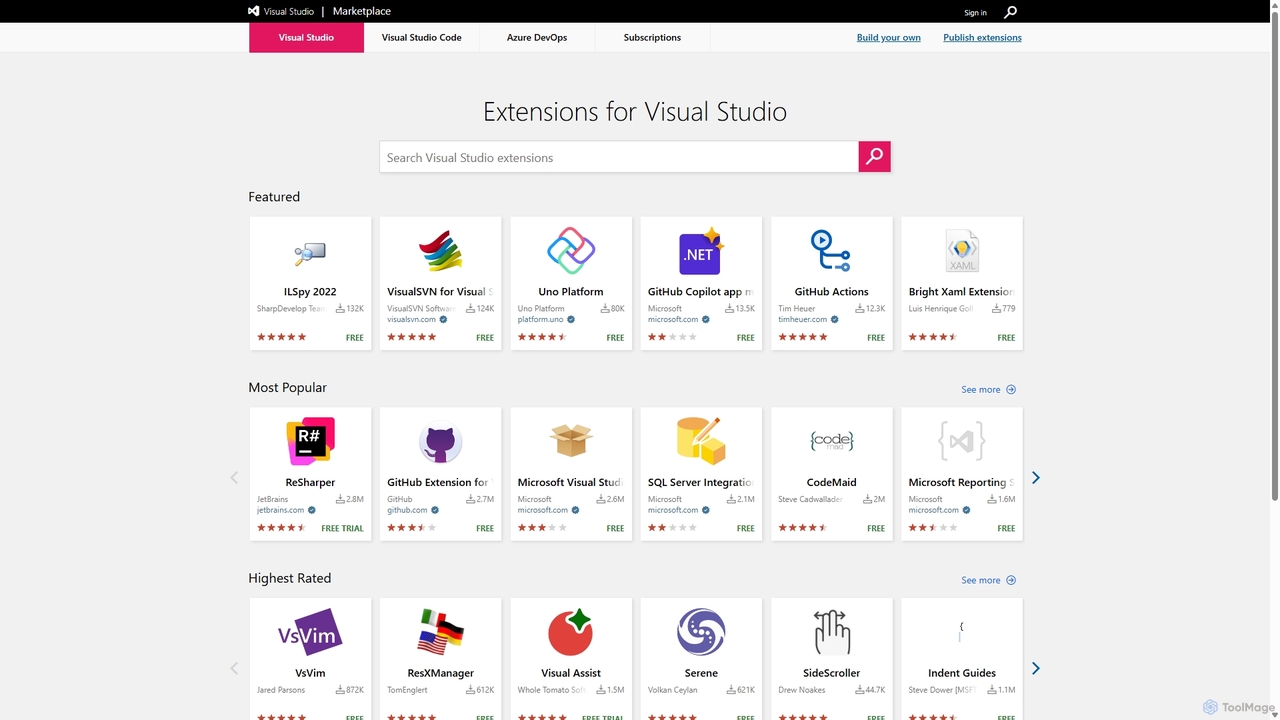
Visual Studio Marketplace

Visual Studio Marketplace

The official marketplace for discovering and installing thousands of extensions for the Visual Studio family of products, including …

5.6M
Marqo

Marqo

Marqo is an AI-powered vector search engine designed for e-commerce. It replaces outdated keyword search with semantic, multimodal …

41.8K
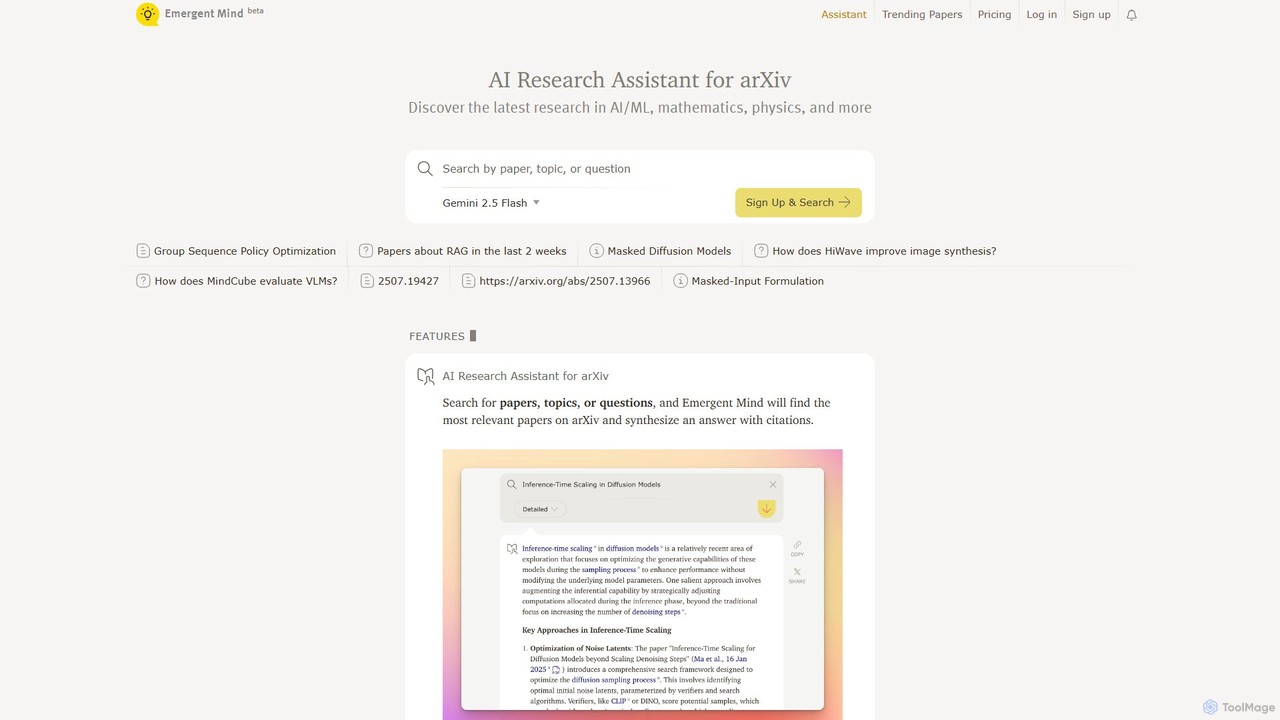
Emergent Mind

Emergent Mind

Emergent Mind is an AI research assistant for arXiv that helps users discover, understand, and discuss the latest …

464.7K
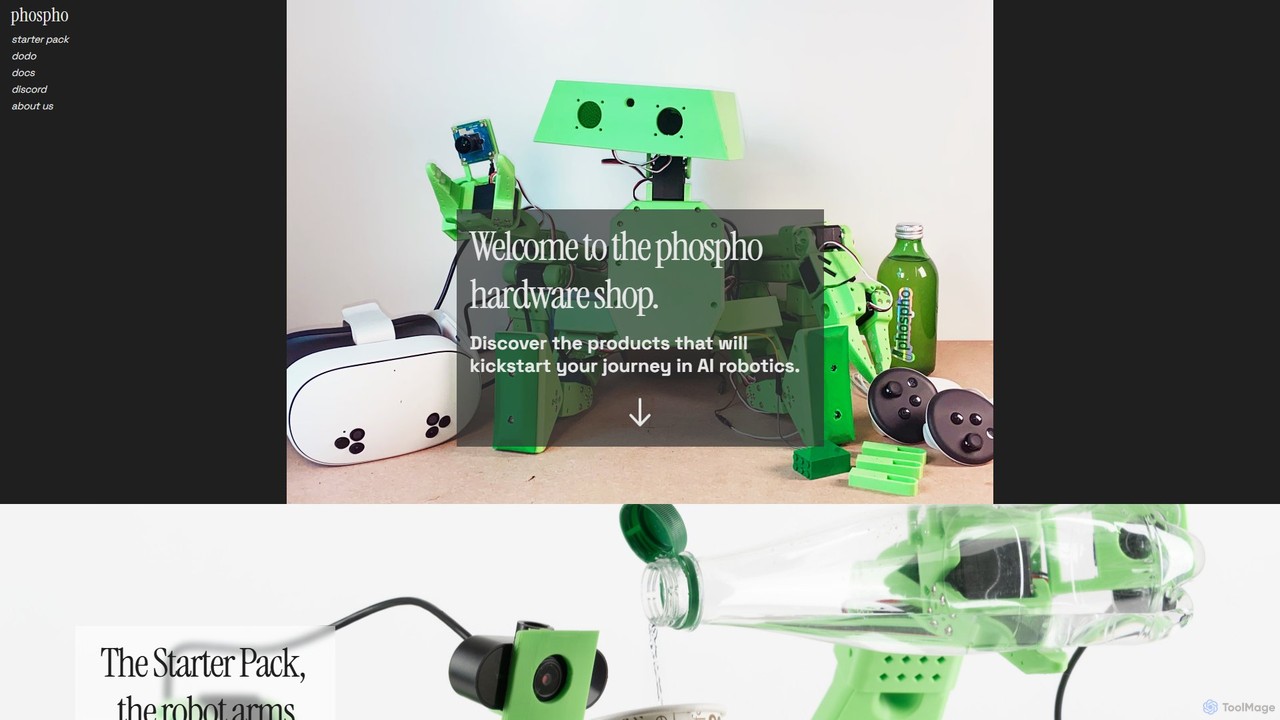
phospho

phospho

phospho is an AI robotics company providing an integrated ecosystem of open-source hardware and software. It offers starter …

22.1K

About Machine Learning

Machine Learning (ML) tools are a specialized category within AI that empower systems to learn from data, identify patterns, and make predictions or decisions without explicit programming. These tools leverage sophisticated algorithms to automatically improve their performance over time as they are exposed to more information. They are essential for automating complex analytical tasks and driving data-driven insights across various industries.

Core Features

  • Model Training & Evaluation: Building, testing, and refining machine learning models using diverse datasets.
  • Algorithm Selection: Providing access to a wide array of ML algorithms for classification, regression, clustering, and more.
  • Data Preprocessing: Tools for cleaning, transforming, and preparing raw data to ensure optimal model input.
  • Feature Engineering: Assisting in the creation of relevant features from raw data to enhance model accuracy and performance.
  • Predictive Analytics: Generating forecasts, classifications, or recommendations based on insights from trained models.

Applicable Scenarios

Machine Learning tools are widely adopted by data scientists, developers, and businesses to solve complex problems. They are crucial for tasks like forecasting market trends, personalizing user experiences, and automating decision-making processes in real-time. From healthcare diagnostics to financial fraud detection, ML drives innovation.

How to Choose

When selecting Machine Learning tools, consider the specific algorithms supported, the scalability for your data volume, and the ease of integration with existing data infrastructure. Evaluate the level of automation offered for data preprocessing and model deployment, as well as community support or vendor documentation for complex issues.

Machine LearningUse Cases

1

Automated Fraud Detection

Financial institutions leverage ML tools to analyze vast amounts of transaction data in real-time. By identifying unusual patterns and anomalies that deviate from normal behavior, these systems can automatically flag suspicious activities, significantly reducing financial losses and the need for manual review by human analysts. This enhances security and operational efficiency.

2

Personalized Recommendation Systems

E-commerce platforms and streaming services deploy ML models to analyze user browsing and purchase history, viewing habits, and preferences. These models then recommend products, movies, or content highly relevant to individual users, leading to increased sales, higher user engagement, and improved customer satisfaction by offering tailored experiences.

3

Predictive Healthcare Diagnostics

Medical researchers and practitioners utilize ML to analyze vast datasets of patient information, including medical images, lab results, and genetic data. These models can predict disease risk, assist in early diagnosis of conditions like cancer or diabetes, and personalize treatment plans based on individual patient profiles, leading to more effective and proactive healthcare.

4

Optimizing Supply Chain Logistics

Logistics and manufacturing companies leverage ML to forecast demand fluctuations, optimize delivery routes, and manage inventory levels more efficiently. By analyzing historical data, weather patterns, and market trends, ML models can predict potential disruptions and suggest optimal strategies, leading to reduced operational costs, improved delivery times, and enhanced customer satisfaction.

5

Natural Language Processing for Sentiment Analysis

Marketing and customer service teams use ML-powered Natural Language Processing (NLP) tools to analyze vast amounts of unstructured text data, such as customer reviews, social media comments, and support tickets. These tools can automatically identify and categorize sentiment (positive, negative, neutral), extract key topics, and provide actionable insights to inform product development and marketing strategies.

6

Computer Vision for Quality Control

Manufacturing plants implement ML-based computer vision systems to automatically inspect products for defects on assembly lines. Cameras capture images of items, and ML models are trained to identify anomalies, scratches, or incorrect assembly with high accuracy. This ensures consistent product quality, reduces human error, and speeds up the inspection process, leading to significant cost savings.

Machine LearningFrequently Asked Questions