ToolMage
Sign in

Best 2 Character AI tools for Image Generation

Popular Character AI tools in Image Generation include Clona and Stripchats.ai, helping you work more efficiently.

Clona
Freemium

Clona

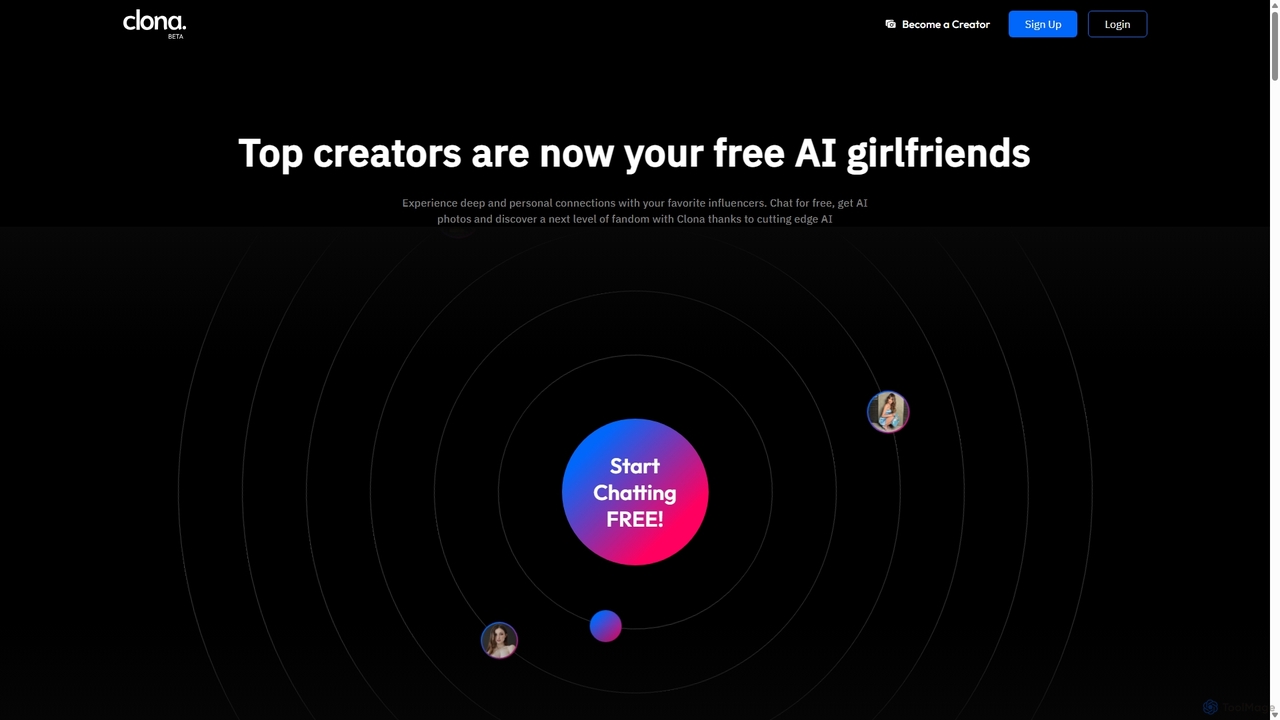
Clona is an AI platform offering immersive and unrestricted chat experiences with AI clones of popular creators and influencers. Users can engage in deep, uncensored conversations, receive voice responses in the creator's actual voice, and generate custom AI photos. It aims to provide a next-level fan experience, fostering a personal connection with digital versions of real personalities.

Chatbots
Visits 16.5KFavorites 123Likes 119
Stripchats.ai
Freemium

Stripchats.ai

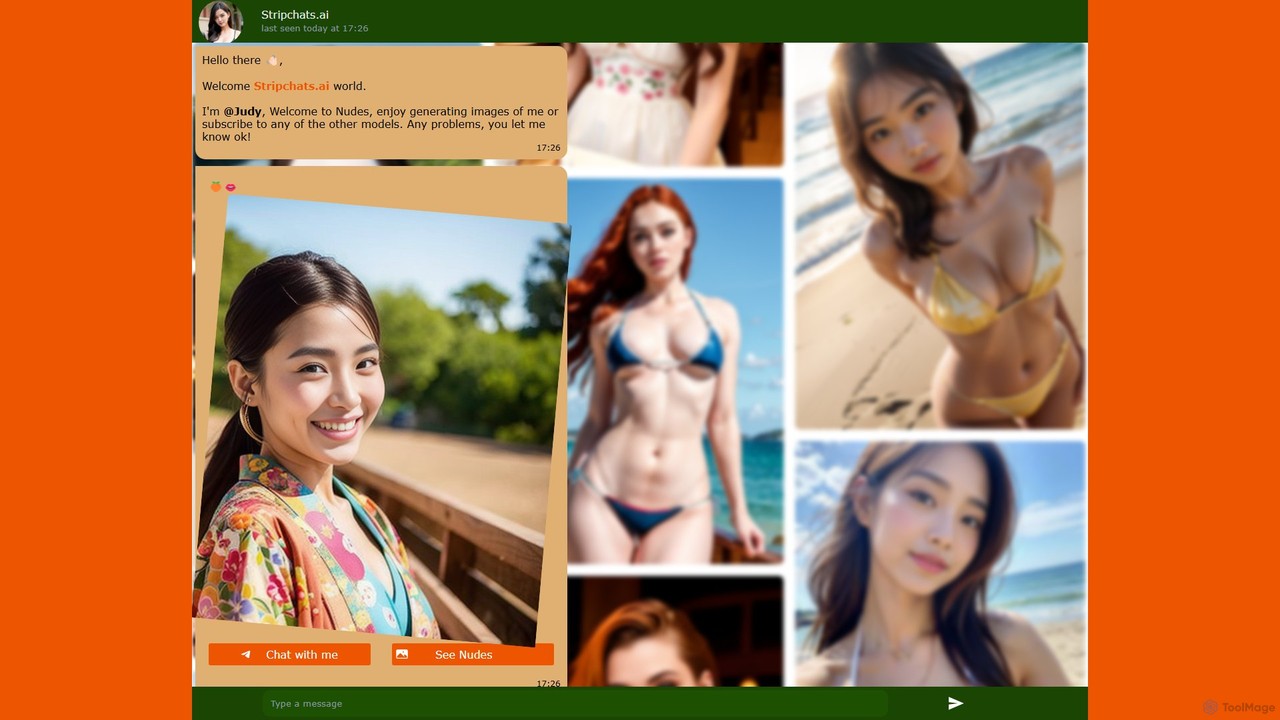
Stripchats.ai is an AI-powered platform offering free, interactive sexting and adult chat experiences with a variety of AI-driven chatbot personalities. Users can engage in dynamic conversations and generate explicit images on demand, exploring a private and unrestricted virtual companionship space.

Companion
Visits 8.3KFavorites 125Likes 151

About Character

AI Character generators are specialized tools within image generation focused on creating detailed, consistent, and controllable fictional beings. They utilize advanced models trained specifically on human and anthropomorphic forms to produce high-quality character portraits, full-body designs, and concept art. These tools are invaluable for artists, writers, and developers, enabling them to rapidly visualize and iterate on character designs. The key advantage lies in their ability to maintain character identity across multiple images, poses, and expressions.

Core Features

  • Consistent Character Identity: Maintain a character's appearance (face, clothing, style) across different generated images using techniques like seed locking or character reference models.
  • Granular Attribute Control: Precisely define character traits such as age, ethnicity, hair style, clothing, and accessories through detailed text prompts or visual inputs.
  • Pose and Expression Customization: Control the character's posture, gestures, and facial expressions to convey specific emotions or actions, often using reference skeletons or textual commands.
  • Character Sheet Generation: Automatically create standardized model sheets, including front, side, and back views (turnarounds), essential for 3D modeling and animation.
  • Diverse Style Adaptability: Generate characters in a wide range of artistic styles, including photorealistic, anime, cartoon, fantasy, and sci-fi.

Use Cases

These tools are widely adopted in creative industries. Game developers use them for rapid prototyping of protagonists and NPCs. Authors and comic book artists visualize their characters for illustrations and cover art. Animators leverage them for pre-production concepting and creating reference sheets. They are also popular among tabletop RPG players for creating custom character portraits.

How to Choose

When selecting an AI Character generator, prioritize tools with strong consistency features to ensure character recognizability. Evaluate the variety and quality of available art styles. Consider the level of control offered over poses, expressions, and specific attributes. For professional use, check for high-resolution output options and the ability to generate character turnarounds or model sheets.

Character use cases

1

Rapid Prototyping for Game Characters

An indie game developer needs concept art for a new RPG. Using an AI character generator, they input descriptions like 'elven ranger, leather armor, stoic expression' to produce dozens of visual variations for the protagonist and key NPCs. This process allows the art team to quickly establish a visual direction and iterate on designs without extensive manual sketching, significantly reducing pre-production time and costs.

2

Visualizing Characters for a Novel

A fantasy author struggles to consistently describe a complex character. They use an AI generator to create a visual reference by inputting key traits from their manuscript. The resulting image helps them maintain descriptive consistency throughout the book. Furthermore, this visual can be used as a detailed brief for a professional artist commissioned to create the book cover, ensuring the final art aligns perfectly with the author's vision.

3

Creating Custom TTRPG Player Portraits

A group of friends starting a Dungeons & Dragons campaign want unique portraits for their characters. Instead of searching for generic art online, each player uses an AI character tool. They input their character's race, class, and key features (e.g., 'tiefling warlock with intricate horns and glowing eyes') to generate a personalized avatar. This enhances immersion in the game and gives each player a unique visual representation of their hero.

4

Generating Animation Character Sheets

An animation studio is in pre-production for a new series. Using an AI tool with character consistency features, they generate the main character from multiple angles (front, side, back, and three-quarter views). This process creates a standardized model sheet, or 'turnaround', that serves as a crucial reference for 3D modelers and 2D animators, ensuring visual consistency across the entire production pipeline and saving valuable artist time.

5

Designing a Consistent Brand Mascot

A marketing team wants to create a friendly mascot for a new product line. They use an AI character generator to explore different styles and concepts quickly. Once a design is chosen, the tool's consistency features help generate the mascot in various poses and expressions for use in social media posts, advertisements, and packaging. This ensures a cohesive and recognizable brand identity across all marketing channels without needing to commission a new illustration for every single asset.

6

Crafting a Personalized Digital Avatar

A content creator wants a unique and consistent avatar for their online presence across platforms like Twitch, YouTube, and Twitter. They use an AI tool to design a stylized version of themselves or a fictional persona. The tool's consistency features allow them to generate new profile pictures, banners, and thumbnails with the same character in different contexts or emotional states, helping to build a recognizable and professional personal brand.

Character FAQ

What are AI Character generators?

AI Character generators are specialized AI tools designed to create images of fictional characters. Unlike general image generators, they focus on providing detailed control over a character's appearance, maintaining consistency across multiple images, and offering features like pose control and expression customization. They are primarily used by creators in gaming, writing, and animation to visualize and develop characters efficiently.

How do AI Character generators differ from general AI Image generators?

The main difference lies in focus and specialized features. While general image generators can create anything, AI Character generators are optimized for creating beings. Key differences include:

  • Consistency: They have dedicated mechanisms (like character IDs or reference models) to recreate the same character in different scenes or poses, a major challenge for general tools.
  • Control: They offer more granular control over character-specific attributes like clothing, pose, and facial expressions.
  • Workflow Tools: Some can generate character sheets or turnarounds, which are not standard features in general-purpose generators.

In essence, they trade broad versatility for deep specialization in character creation.

How do I choose the right AI Character generator?

To choose the best tool for your needs, consider these factors:

  • Consistency Control: Does the tool have reliable features to maintain a character's identity across multiple generations? This is the most critical factor.
  • Style Versatility: Does it support the specific art style you need (e.g., anime, photorealistic, cartoon)? Check the quality and range of its styles.
  • Control Granularity: How much control do you have over pose, expression, clothing, and background? Look for features like pose referencing or detailed text prompts.
  • Ease of Use: Is the interface intuitive, or does it require complex prompting skills and technical knowledge?
  • Output Quality: Check the maximum resolution and overall image clarity to ensure it meets your project's requirements.
What are the key features of AI Character tools?

Key features that set AI Character generators apart often include:

  • Character Locking/ID: A core function to ensure the same character can be generated repeatedly with high fidelity.
  • Text-to-Character: Creating a character from a detailed text description of their appearance and attire.
  • Pose Referencing: Using a reference image, a simple stick figure, or a 3D skeleton (like OpenPose) to dictate the character's exact posture.
  • Expression Control: Specifying emotions like 'happy', 'angry', or 'surprised' to alter facial features accordingly.
  • Style Models: Pre-trained models or settings for specific genres like fantasy, sci-fi, or anime, ensuring stylistic consistency.
  • Model Sheet Generation: The ability to create front, side, and back views of a character for production pipelines.
Who can benefit from using AI Character generators?

A wide range of creators and professionals can benefit from these specialized tools. This includes:

  • Game Developers: For rapidly creating concept art for NPCs and player characters, saving time in pre-production.
  • Writers and Authors: To visualize their characters for inspiration, maintain descriptive consistency, or create promotional art.
  • Animators and Comic Artists: For pre-production concepting and generating consistent reference materials like model sheets.
  • Tabletop RPG Players: To create unique, custom portraits for their D&D, Pathfinder, or other campaign characters.
  • Marketers: For designing brand mascots and characters for advertising campaigns that require a consistent look.