Best of the Year 3 results Industry AI Tools

Popular AI tools in the Industry field include Greyparrot、Jungle AI、bosch_ai, etc., helping you quickly improve efficiency.

Greyparrot

Greyparrot

Greyparrot is an AI-powered waste intelligence platform that uses computer vision to automate waste composition analysis and sorting …

15.4K
bosch_ai

bosch_ai

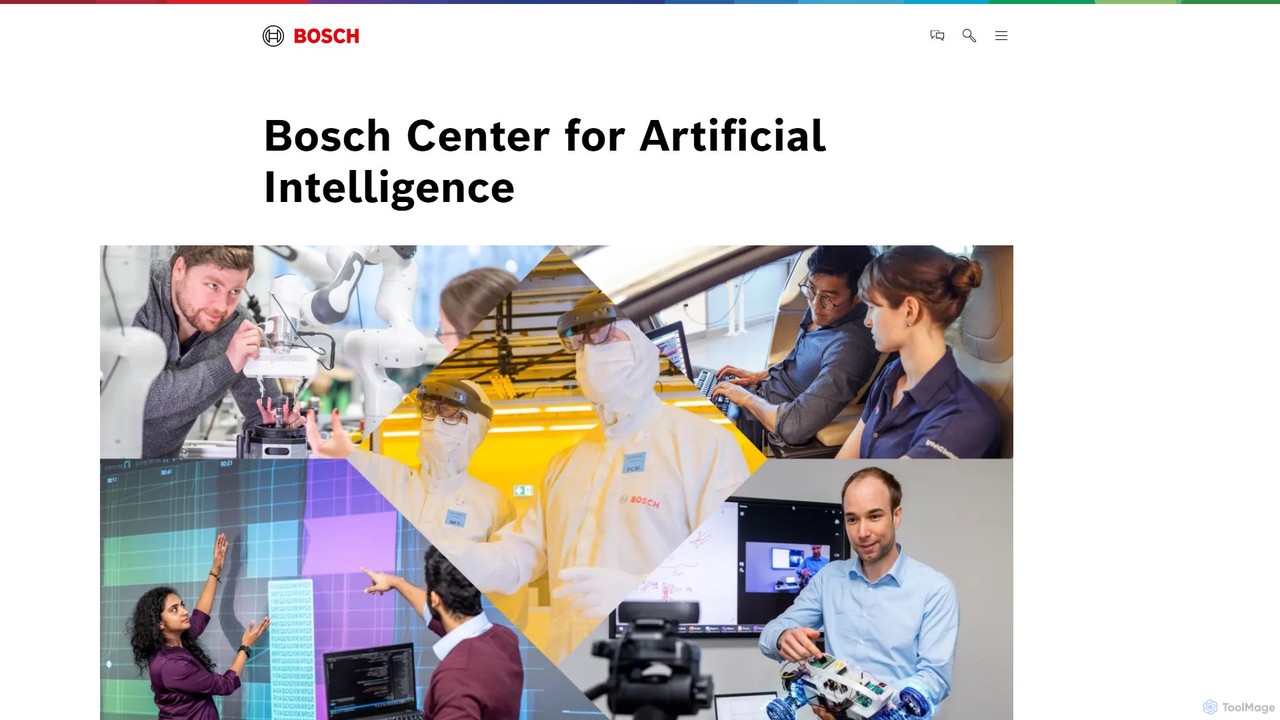
Bosch Center for Artificial Intelligence (BCAI) is Bosch's center of excellence for AI, driving the development and deployment …

2.5K
Jungle AI

Jungle AI

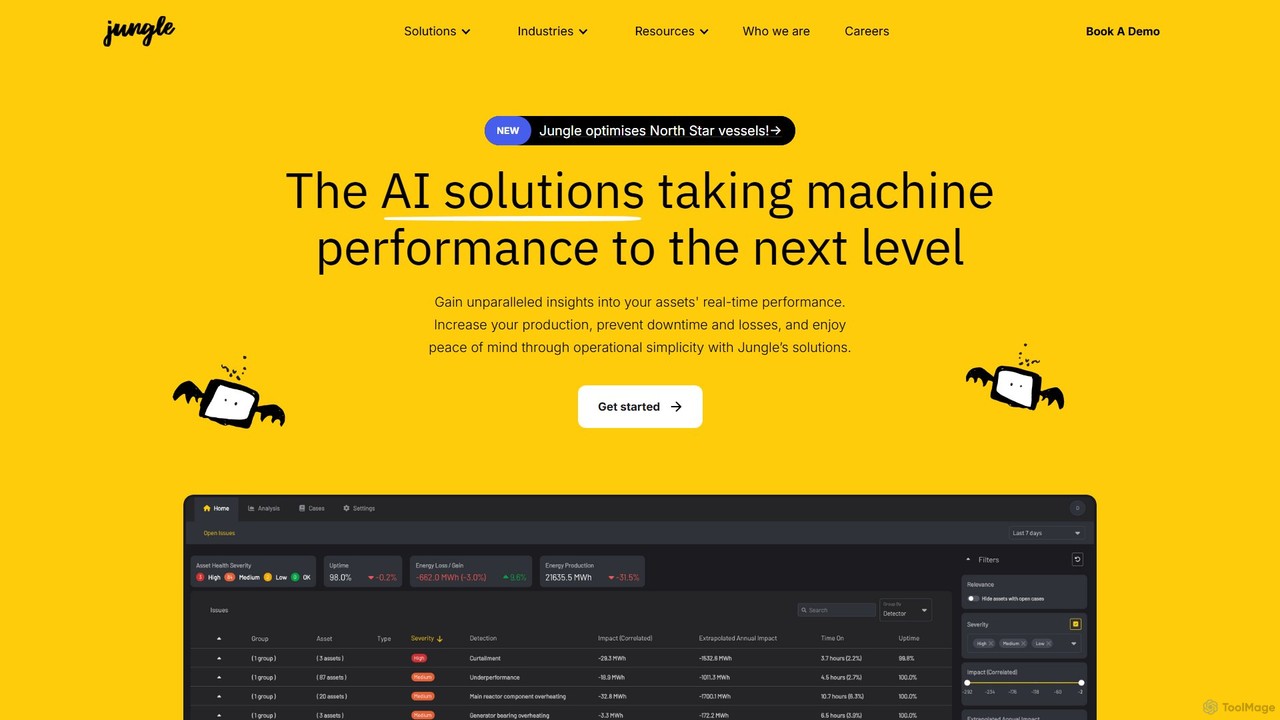
Jungle AI provides advanced AI solutions to optimize the performance and reliability of industrial assets, particularly in the …

12.2K

About Industry

Industry AI tools are specialized artificial intelligence solutions meticulously designed to address the unique challenges and opportunities within specific sectors. These advanced tools leverage machine learning, natural language processing, computer vision, and predictive analytics to optimize operations, enhance decision-making, and drive innovation across diverse industries. By tailoring AI capabilities to sector-specific data, workflows, and regulatory environments, Industry AI empowers businesses to achieve unprecedented levels of efficiency, accuracy, and competitive advantage.

Core Features

  • Sector-Specific Data Analysis: Processes and interprets large datasets relevant to a particular industry for actionable insights.
  • Automated Compliance & Regulation: Helps ensure adherence to industry-specific standards and legal frameworks through automated checks.
  • Predictive Modeling: Forecasts trends, risks, and outcomes based on historical and real-time industry data.
  • Optimized Resource Allocation: Intelligently manages and distributes resources to maximize productivity and minimize waste.

Use Cases

These tools are indispensable for organizations seeking to transform their operations. For instance, in healthcare, AI assists in diagnostic imaging analysis, while in finance, it powers sophisticated fraud detection systems. Manufacturing benefits from AI-driven quality control and predictive maintenance, significantly reducing downtime and improving product consistency.

How to Choose

Selecting the right Industry AI tool requires evaluating its alignment with specific business needs, industry compliance requirements, and integration capabilities with existing infrastructure. Consider the vendor's expertise in your sector, the scalability of the solution, and the robustness of its data security measures to ensure a trustworthy and effective implementation.

IndustryUse Cases

1

AI-Powered Predictive Maintenance in Manufacturing

Manufacturing plant managers utilize Industry AI tools to monitor machinery performance in real-time, predicting potential failures before they occur. By analyzing sensor data, operational history, and environmental factors, AI identifies anomalies and schedules maintenance proactively. This approach minimizes unexpected downtime, extends equipment lifespan, and reduces maintenance costs by up to 30%, ensuring continuous production flow.

2

Enhanced Fraud Detection in Financial Services

Financial institutions deploy specialized Industry AI to detect and prevent fraudulent transactions with high accuracy. The AI models analyze vast amounts of transaction data, user behavior patterns, and network anomalies to identify suspicious activities that human analysts might miss. This significantly reduces financial losses, protects customer assets, and strengthens compliance with anti-money laundering (AML) regulations, processing millions of transactions daily.

3

Personalized Patient Care and Diagnostics in Healthcare

Healthcare providers leverage Industry AI for personalized treatment plans and improved diagnostic accuracy. AI analyzes patient medical records, genetic data, and imaging results to suggest tailored therapies and identify early signs of diseases like cancer or diabetes. This leads to more effective interventions, better patient outcomes, and supports clinicians in making informed decisions, potentially reducing diagnostic errors by 15-20%.

4

Optimized Supply Chain and Logistics Management

Logistics and supply chain managers use Industry AI to optimize routes, manage inventory, and forecast demand. AI algorithms process real-time traffic, weather, and market data to suggest the most efficient delivery paths and inventory levels. This reduces transportation costs, minimizes stockouts, and improves delivery times, leading to a more resilient and responsive supply chain capable of adapting to market fluctuations.

5

Precision Agriculture for Crop Yield Optimization

Farmers and agricultural enterprises employ Industry AI tools for precision farming, optimizing crop yields and resource usage. AI analyzes satellite imagery, soil data, weather patterns, and historical crop performance to provide insights on irrigation, fertilization, and pest control. This enables targeted interventions, reduces water and pesticide consumption by up to 25%, and significantly increases harvest quality and quantity.

6

Automated Customer Service and Experience in Retail

Retail businesses integrate Industry AI chatbots and virtual assistants to provide 24/7 customer support and personalized shopping experiences. These AI tools handle routine inquiries, guide customers through product selections, and offer tailored recommendations based on purchase history and browsing behavior. This improves customer satisfaction, reduces call center load by 40%, and drives sales through enhanced engagement.

IndustryFrequently Asked Questions