ToolMage
Sign in

Best 1 Drones AI tools for Iot

Popular Drones AI tools in Iot include Paladin Drones, helping you work more efficiently.

Paladin Drones
Paid

Paladin Drones

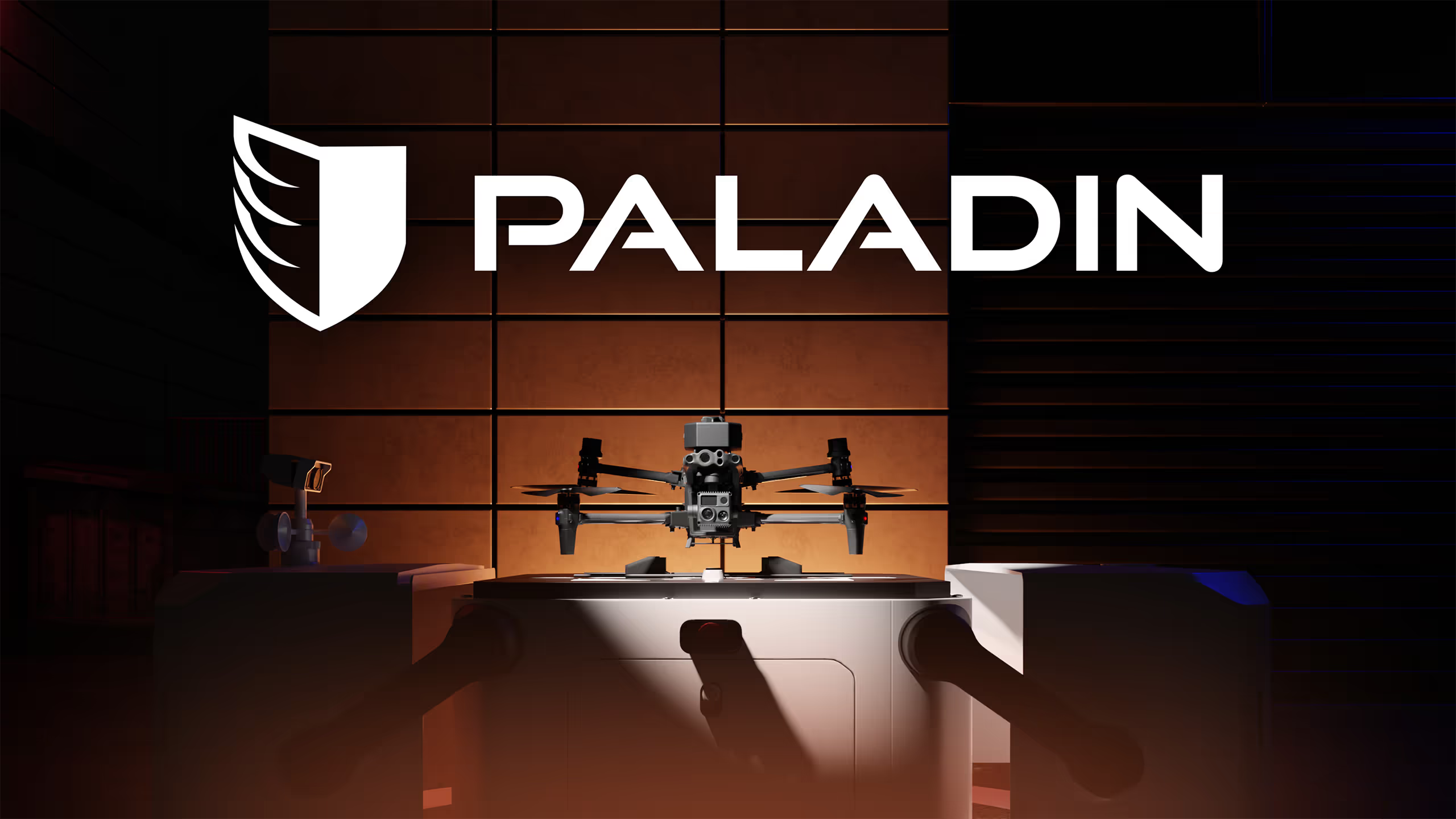
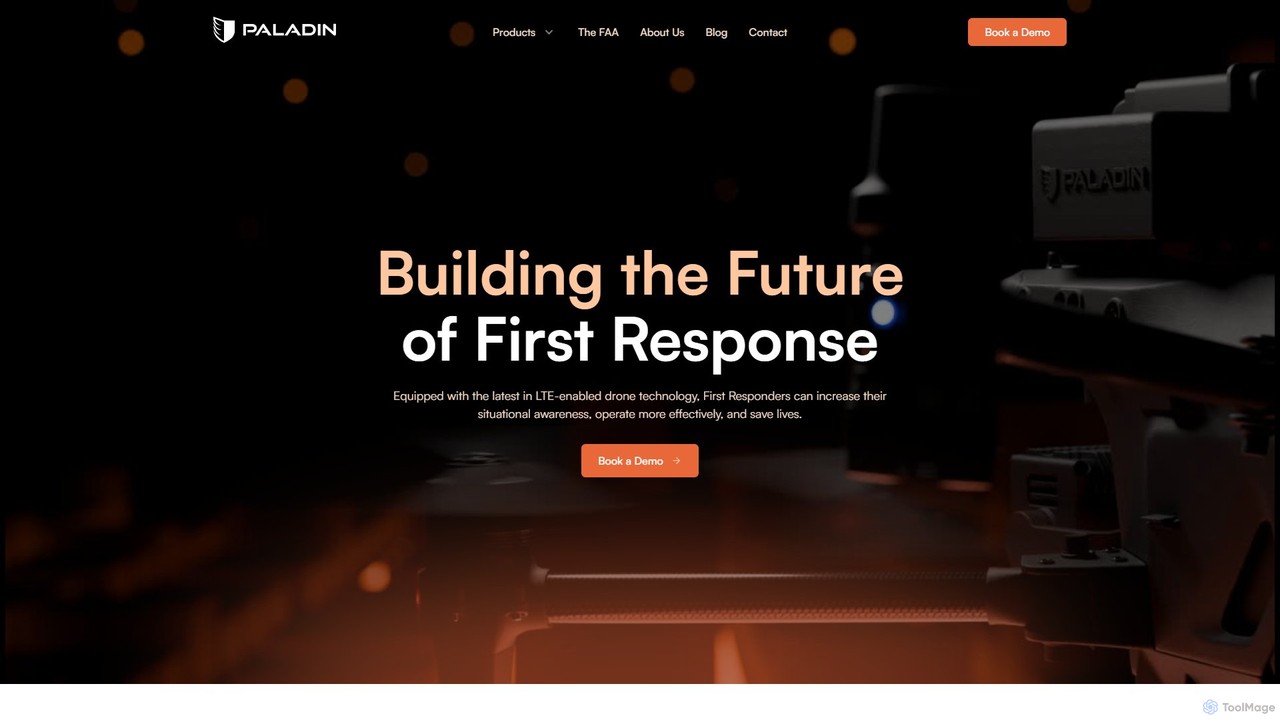
Paladin Drones offers an all-in-one Drone as First Responder (DFR) solution for public safety. It autonomously dispatches LTE-enabled drones to 911 calls, providing live video feeds to first responders within seconds. This enhances situational awareness, reduces response times, and improves the safety of officers and the community. The system includes hardware, software, and full FAA compliance support.

Law Enforcement
Visits 29.7KFavorites 132Likes 136

About Drones

Drones are unmanned aerial vehicles (UAVs) that integrate advanced AI for autonomous operation and intelligent data collection. These sophisticated devices leverage AI algorithms for navigation, object detection, and real-time data processing, enabling them to perform complex tasks with minimal human intervention. As a vital component of the Internet of Things (IoT), AI-powered drones extend our ability to monitor, inspect, and interact with environments from an aerial perspective, transforming industries from agriculture to logistics.

Core Features

  • Autonomous Navigation: AI-driven flight control allows drones to follow complex routes, avoid obstacles, and land precisely without constant human input.
  • Object Recognition & Tracking: Utilizes computer vision to identify, classify, and track specific objects or individuals in real-time.
  • Real-time Data Processing: Onboard AI processes sensor data (visual, thermal, LiDAR) instantly, providing immediate insights or triggering automated responses.
  • Predictive Maintenance: AI analyzes flight data and sensor readings to predict potential equipment failures, optimizing maintenance schedules.
  • Swarm Intelligence: Multiple drones coordinate and communicate to perform complex tasks collaboratively, enhancing coverage and efficiency.

Use Cases

Industries like agriculture, construction, and public safety heavily rely on AI drones. They are used for precision farming, monitoring crop health, inspecting infrastructure like bridges and power lines, and assisting in search and rescue operations. Their ability to access difficult or dangerous areas makes them invaluable for data collection and surveillance.

How to Choose

When selecting an AI drone, consider its payload capacity for specific sensors or cameras, flight time and range for operational coverage, the sophistication of its AI for autonomous features, and its integration capabilities with existing IoT platforms or data analysis software. Also, evaluate regulatory compliance and ease of maintenance.

Featured tool rankings

Drones use cases

1

Precision Agriculture Monitoring

Farmers use AI drones equipped with multispectral cameras to autonomously survey vast fields, identifying crop health issues, water stress, and pest infestations with high accuracy, leading to optimized irrigation and pesticide application.

2

Infrastructure Inspection

Energy companies deploy AI drones for automated inspection of power lines, wind turbines, and pipelines. The drones use computer vision to detect subtle defects, corrosion, or damage, reducing human risk and significantly speeding up inspection cycles.

3

Construction Site Progress Tracking

Construction managers utilize AI drones to conduct regular aerial surveys of building sites. The drones capture high-resolution imagery and 3D models, which AI analyzes to track project progress, identify discrepancies, and ensure safety compliance.

4

Search and Rescue Operations

Emergency services employ AI drones with thermal imaging and object recognition capabilities to rapidly search large areas for missing persons. The AI helps distinguish human heat signatures from environmental clutter, accelerating rescue efforts in challenging terrains.

5

Logistics and Delivery Automation

E-commerce and logistics firms explore AI drones for last-mile delivery. These drones use AI for route optimization, obstacle avoidance, and precise package drop-off, aiming to reduce delivery times and costs in urban and remote areas.

6

Environmental Monitoring and Conservation

Researchers use AI drones to monitor wildlife populations, track deforestation, and assess environmental damage. The drones collect vast amounts of data, which AI processes to identify patterns, measure changes, and support conservation strategies.

Drones FAQ

What are AI Drones?

AI Drones are unmanned aerial vehicles (UAVs) that integrate artificial intelligence for enhanced autonomy and intelligent data processing. They feature AI-powered navigation, object recognition, and real-time analytics, allowing them to perform complex tasks like automated inspections, precision agriculture, and surveillance with minimal human input.

How do AI Drones differ from traditional drones?

AI Drones distinguish themselves from traditional drones primarily through their advanced autonomy and intelligence. While traditional drones rely heavily on manual control, AI Drones can execute complex missions autonomously, make real-time decisions, and process data onboard, thanks to integrated AI algorithms for computer vision, machine learning, and path planning.

What are the key applications of AI Drones in the IoT ecosystem?

In the IoT ecosystem, AI Drones serve as mobile data collection hubs, gathering aerial insights for various applications. They are crucial for environmental monitoring, smart city management (e.g., traffic flow analysis), industrial asset inspection, and enhancing security surveillance by providing real-time, actionable data to connected IoT platforms.

What factors should I consider when choosing an AI Drone for commercial use?

For commercial AI drone applications, consider payload capacity for specific sensors (e.g., LiDAR, thermal cameras), flight endurance and range, the sophistication of its AI for autonomous features (e.g., obstacle avoidance, precise landing), regulatory compliance, and integration capabilities with your existing data infrastructure or cloud services.

Can AI Drones operate fully autonomously?

Yes, many advanced AI Drones can operate with a high degree of autonomy. They can follow pre-programmed flight paths, dynamically avoid obstacles, identify and track targets, and even make decisions based on real-time sensor data without continuous human intervention. However, human oversight is often still required for safety and regulatory compliance.