Paladin Drones
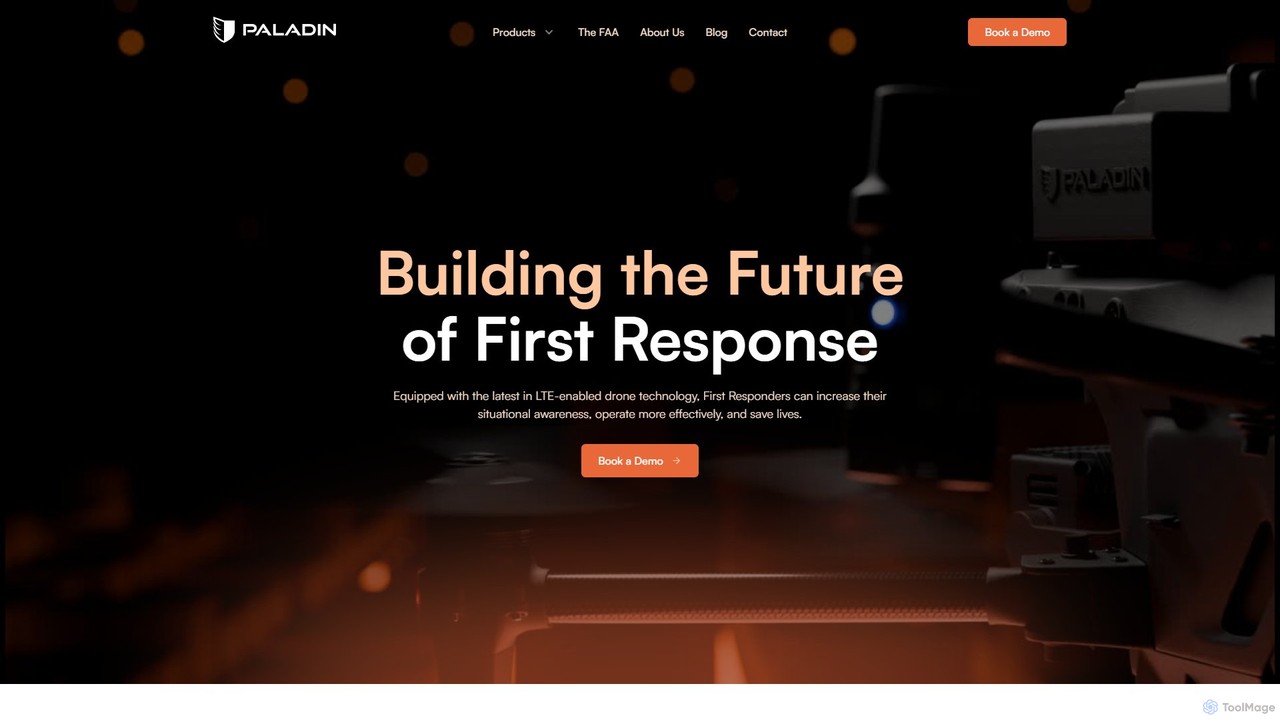
Paladin Drones offers an all-in-one Drone as First Responder (DFR) solution for public safety. It autonomously dispatches LTE-enabled …
Paladin Drones offers an all-in-one Drone as First Responder (DFR) solution for public safety. It autonomously dispatches LTE-enabled drones to 911 calls, providing live video feeds to first responders within seconds. This enhances situational awareness, reduces response times, and improves the safety of officers and the community. The system includes hardware, software, and full FAA compliance support.
About Law Enforcement
Law Enforcement AI tools are specialized artificial intelligence applications designed to support police forces, investigative agencies, and public safety organizations in their critical missions. These tools leverage advanced algorithms, machine learning, and data analytics to enhance operational efficiency, improve decision-making, and bolster public safety. They provide capabilities ranging from predictive crime analysis and suspect identification to digital evidence processing and automated reporting, enabling agencies to respond more effectively to complex challenges.
Core Features
- Predictive Analytics: Analyzes historical crime data to identify patterns, predict potential hotspots, and optimize resource deployment.
- Facial Recognition & Biometrics: Assists in identifying individuals from surveillance footage, databases, or crime scenes for investigative purposes.
- Digital Evidence Analysis: Processes vast amounts of digital data (e.g., phone records, social media, computer files) to extract relevant evidence and insights.
- Automated Report Generation: Streamlines administrative tasks by automatically drafting incident reports, summaries, and documentation from raw data.
- Intelligence Gathering & Threat Assessment: Monitors open-source information and other data streams to identify potential threats and inform strategic decisions.
Applicable Scenarios
Law enforcement agencies utilize these AI tools for proactive crime prevention, efficient investigation, and streamlined administrative processes. This includes optimizing patrol routes based on predicted crime patterns, rapidly identifying suspects from large datasets, and accelerating the analysis of complex digital evidence in forensic labs.
How to Choose
Selecting the right Law Enforcement AI tool requires evaluating data security protocols, ethical compliance with privacy regulations, accuracy of algorithms, and seamless integration with existing systems. Agencies should also consider scalability, vendor reputation, and the tool's ability to provide transparent, auditable results to maintain public trust.

Law EnforcementUse Cases
Crime Pattern Analysis & Resource Deployment
Police departments use AI to analyze historical crime data, identify emerging patterns, and predict future crime hotspots, allowing for strategic deployment of officers and resources to high-risk areas.
Suspect Identification from Surveillance Footage
Investigators leverage AI-powered facial recognition and video analytics to quickly scan hours of surveillance footage, identify individuals of interest, and cross-reference them with existing databases.
Expedited Digital Forensics & Evidence Review
Forensic units employ AI tools to rapidly sift through massive volumes of digital evidence from seized devices, extracting key information, communications, and patterns that would be time-consuming for human analysts.
Automated Incident Report Generation
Patrol officers and detectives utilize AI to transcribe interviews, summarize case details, and automatically generate comprehensive incident reports, significantly reducing the time spent on administrative paperwork.
Intelligence-Led Threat Assessment
National security and intelligence agencies use AI to monitor and analyze vast amounts of open-source intelligence, social media, and other data to identify potential threats, extremist activities, and emerging risks.
Legal Research & Case Preparation for Prosecutors
Legal teams within law enforcement or prosecution offices use AI to quickly search through legal precedents, statutes, and case documents, identifying relevant information to build stronger cases and prepare arguments.