Government Best in category 2 results Public Services AI Tool

Popular AI tools in the Public Services field of Government include Webb Fontaine、Emerge Career, etc., helping you quickly improve efficiency.

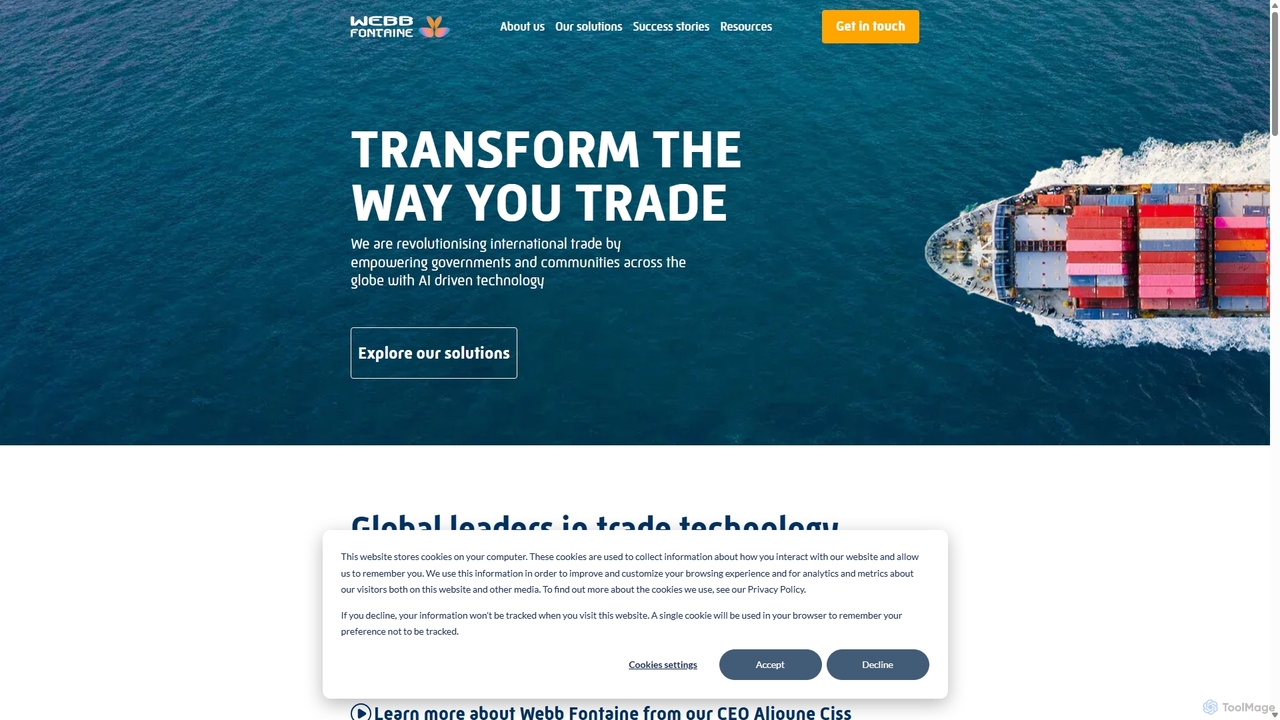
Webb Fontaine

Webb Fontaine

Webb Fontaine provides AI-powered technology solutions for governments to facilitate trade, streamline customs operations, and enhance revenue. Their …

99.1K
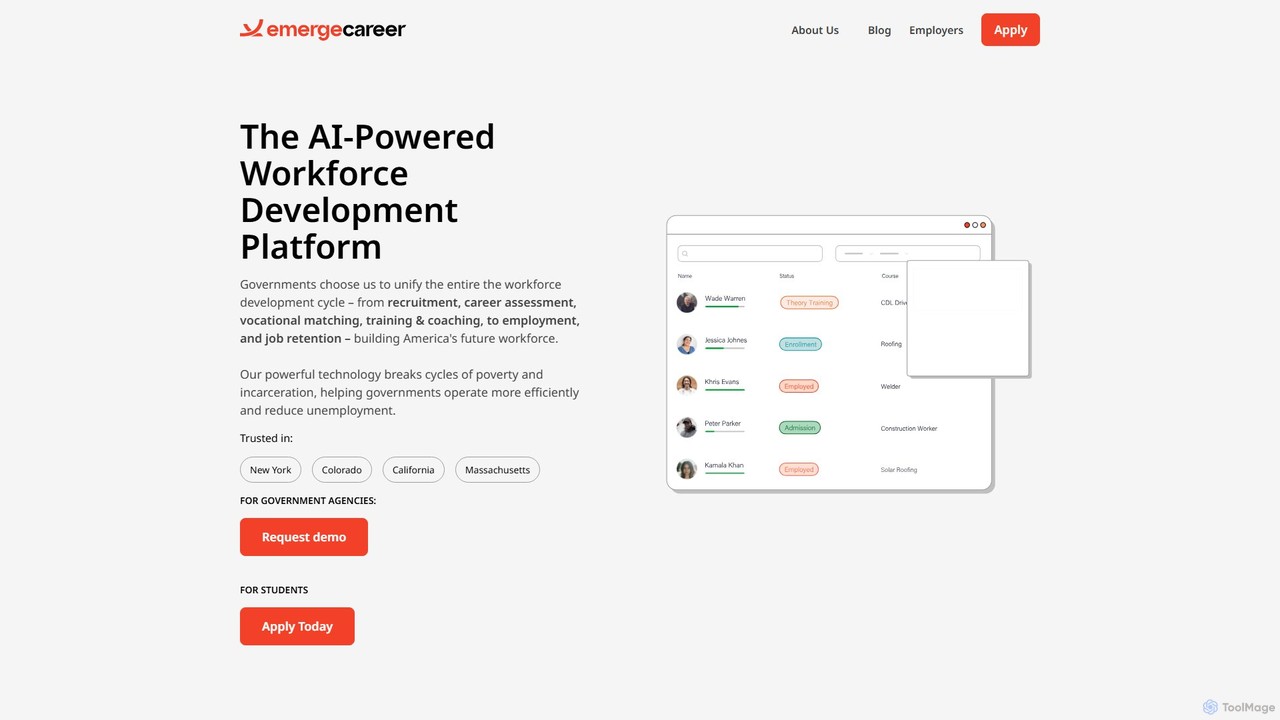
Emerge Career

Emerge Career

Emerge Career is an AI-powered workforce development platform designed for government agencies. It unifies the entire employment cycle, …

49.4K

About Public Services

Public Services AI tools are specialized artificial intelligence applications designed to enhance the efficiency, accessibility, and responsiveness of government and public sector operations. These tools leverage advanced algorithms, natural language processing, and data analytics to automate routine tasks, personalize citizen interactions, and optimize resource allocation. They aim to streamline administrative processes, improve decision-making, and deliver more effective services to the populace, fostering greater transparency and citizen engagement within the broader government framework.

Core Features

  • Automated Citizen Support: Provides AI-powered chatbots and virtual assistants for instant responses to public inquiries, reducing wait times and improving access to information.
  • Predictive Analytics for Urban Planning: Utilizes data to forecast public needs, optimize infrastructure development, and manage resources like traffic flow or waste collection efficiently.
  • Personalized Service Delivery: Offers tailored recommendations and proactive outreach for government services based on individual citizen profiles and eligibility.
  • Fraud Detection & Compliance: Employs machine learning to identify anomalies and patterns indicative of fraud in public benefits, taxes, or regulatory compliance.
  • Smart City Management: Integrates AI with IoT sensors to monitor and manage public utilities, environmental conditions, and emergency responses in real-time.

Applicable Scenarios

These tools are crucial for municipal governments managing urban infrastructure, national agencies processing citizen applications, and public safety departments enhancing emergency response. They enable faster permit approvals, more efficient public transport systems, and proactive identification of community needs, directly impacting citizen quality of life.

How to Choose

When selecting Public Services AI tools, consider the specific public need or operational challenge you aim to address, the tool's integration capabilities with existing government IT systems, data security and privacy compliance (e.g., GDPR, local regulations), and scalability to serve a large and diverse population. Evaluate vendor experience in the public sector and the clarity of their ethical AI guidelines.

Public ServicesUse Cases

1

Automating Permit and License Applications

Government agencies can deploy Public Services AI to automate the processing of various permits (e.g., building, business licenses) and applications. Citizens submit documents online, and AI reviews for completeness, flags discrepancies, and routes to the correct department, significantly reducing manual review time and accelerating approval processes for businesses and individuals.

2

Enhancing Citizen Inquiry Resolution with AI Chatbots

Local councils and national helplines utilize AI-powered chatbots to handle a high volume of citizen inquiries regarding taxes, public health, or social services. These chatbots provide instant, accurate answers to common questions 24/7, freeing up human staff for more complex cases and improving overall citizen satisfaction.

3

Optimizing Public Transportation Routes and Schedules

Urban planning departments leverage Public Services AI to analyze real-time traffic data, public transport usage, and demographic information. The AI identifies optimal bus routes, adjusts schedules dynamically to reduce congestion, and predicts peak demand, leading to more efficient and reliable public transit for commuters.

4

Predictive Maintenance for Public Infrastructure

City maintenance teams use AI to monitor the condition of public infrastructure like roads, bridges, and water pipes. Sensors collect data, and AI algorithms predict potential failures or maintenance needs before they become critical issues, allowing for proactive repairs, reducing costs, and preventing service disruptions.

5

Streamlining Public Health Information Dissemination

Public health organizations employ AI tools to rapidly disseminate critical health information during crises (e.g., pandemics, natural disasters). AI can personalize alerts, translate messages into multiple languages, and answer FAQs via various channels, ensuring timely and accurate communication to diverse communities.

6

Improving Public Safety and Emergency Response

Emergency services integrate Public Services AI to analyze incident data, predict crime hotspots, or optimize resource deployment during emergencies. AI can process vast amounts of information from various sources (e.g., CCTV, social media) to provide real-time insights, helping first responders make faster, more informed decisions.

Public ServicesFrequently Asked Questions