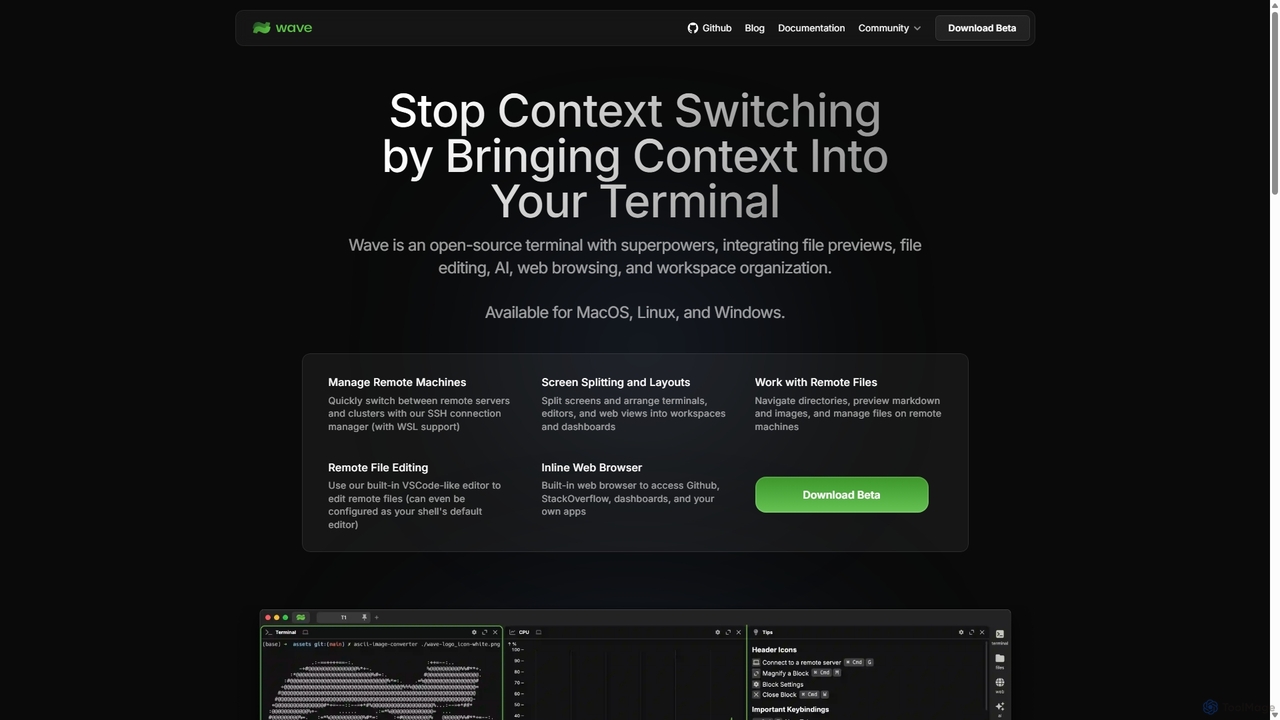
Waveterm
Waveterm is an open-source, modern terminal designed for developers and DevOps engineers. It enhances the command-line experience by …
Waveterm is an open-source, modern terminal designed for developers and DevOps engineers. It enhances the command-line experience by integrating AI-powered assistance, a VSCode-like editor, inline file previews, a web browser, and customizable dashboards. This all-in-one workspace reduces context switching and boosts productivity across macOS, Windows, and Linux.
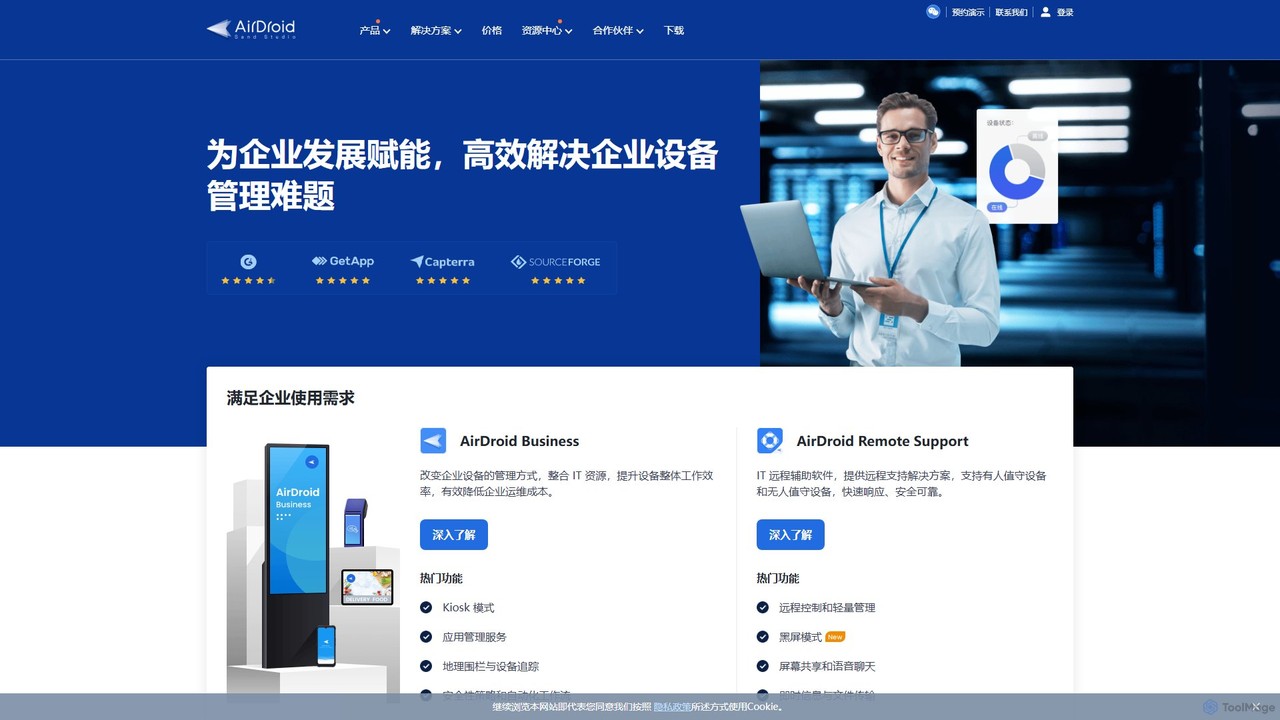
AirDroid
AirDroid is a comprehensive suite of tools for remote control, mobile device management (MDM), and remote support. It …
AirDroid is a comprehensive suite of tools for remote control, mobile device management (MDM), and remote support. It caters to both personal and enterprise users, enabling seamless file transfer, screen mirroring, notification management, and robust control over fleets of Android devices.
About It & Security
IT & Security AI tools are AI-powered solutions designed to enhance the management, protection, and optimization of information technology infrastructure and data. These tools leverage advanced machine learning, natural language processing, and predictive analytics to automate complex tasks, detect sophisticated threats, and improve operational efficiency. They provide proactive defense against cyberattacks, streamline IT operations, and ensure data integrity and compliance across various organizational environments.
Core Features
- Threat Detection & Prevention: Proactively identifies and mitigates known and zero-day threats, malware, and phishing attempts using behavioral analysis.
- Vulnerability Management: Automatically scans systems and applications for weaknesses, prioritizing and recommending remediation steps.
- Automated Incident Response: Orchestrates and executes predefined actions to contain and neutralize security incidents with minimal human intervention.
- Network Performance Monitoring: Analyzes network traffic patterns to optimize performance, predict outages, and identify anomalies indicative of security breaches.
- Data Loss Prevention (DLP): Monitors and controls data movement to prevent sensitive information from leaving secure environments, ensuring compliance.
Use Cases
Organizations across all sectors utilize IT & Security AI tools to fortify their digital defenses and streamline operations. For instance, large enterprises deploy these tools for real-time threat intelligence and automated security operations center (SOC) functions, reducing response times from hours to minutes. Small to medium-sized businesses benefit from simplified compliance management and robust endpoint protection without extensive in-house expertise.
How to Choose
When selecting IT & Security AI tools, consider the scope of your security needs, from endpoint protection to cloud security and compliance. Evaluate the tool's integration capabilities with existing IT infrastructure and security systems. Assess its scalability to grow with your organization and the level of automation it offers for incident response. Finally, compare pricing models and vendor support to ensure it aligns with your budget and operational requirements.
It & SecurityUse Cases
Automated Threat Detection and Response
Security analysts in a large corporation use AI-powered threat detection systems to continuously monitor network traffic and system logs for anomalous activities. The AI identifies sophisticated malware, insider threats, or zero-day exploits that traditional signature-based systems might miss. Upon detection, the system automatically isolates affected endpoints, blocks malicious IP addresses, and generates detailed incident reports, significantly reducing manual investigation time and potential damage.
Proactive Vulnerability Management for Software Development
Software development teams integrate AI-driven vulnerability scanners into their CI/CD pipelines. Before code deployment, the AI automatically scans new code and dependencies for known vulnerabilities and misconfigurations. It provides developers with immediate feedback, suggesting specific fixes and prioritizing critical issues based on potential impact, thereby embedding security early in the development lifecycle and preventing costly post-release patches.
Enhancing Data Loss Prevention (DLP) for Regulated Industries
Financial institutions employ AI-enhanced DLP solutions to protect sensitive customer data and comply with regulations like GDPR and CCPA. The AI analyzes content, context, and user behavior across emails, cloud storage, and endpoints to identify and prevent unauthorized sharing or exfiltration of confidential information. It can differentiate between legitimate business communication and high-risk data transfers, minimizing false positives and ensuring compliance.
Optimizing Network Performance and Predicting Outages
IT operations teams in a global organization leverage AI-driven network performance monitoring tools. These tools analyze vast amounts of network data, identifying performance bottlenecks, predicting potential outages before they occur, and suggesting optimal routing or resource allocation. This proactive approach ensures high availability of critical services, reduces downtime, and improves the overall user experience for employees and customers.
Streamlining Security Operations Center (SOC) Workflows
SOC teams utilize AI-powered Security Orchestration, Automation, and Response (SOAR) platforms to automate repetitive tasks and accelerate incident response. The AI aggregates alerts from various security tools, correlates events to identify true threats, and automates initial investigation steps like enriching threat intelligence or running playbooks. This allows human analysts to focus on complex investigations and strategic security initiatives, boosting SOC efficiency by up to 60%.
AI-Powered Identity and Access Management (IAM)
Enterprises implement AI-driven IAM solutions to manage user identities and access privileges more securely and efficiently. The AI continuously analyzes user behavior patterns to detect anomalous login attempts or unauthorized access requests, such as an employee trying to access sensitive data outside their usual working hours or from an unusual location. This adaptive approach enhances security by providing real-time risk assessment and automatically adjusting access policies, preventing account takeovers and insider threats.