ToolMage
Sign in

Best 1 Toys AI tools for Kids

Popular Toys AI tools in Kids include heycurio, helping you work more efficiently.

heycurio
Freemium

heycurio

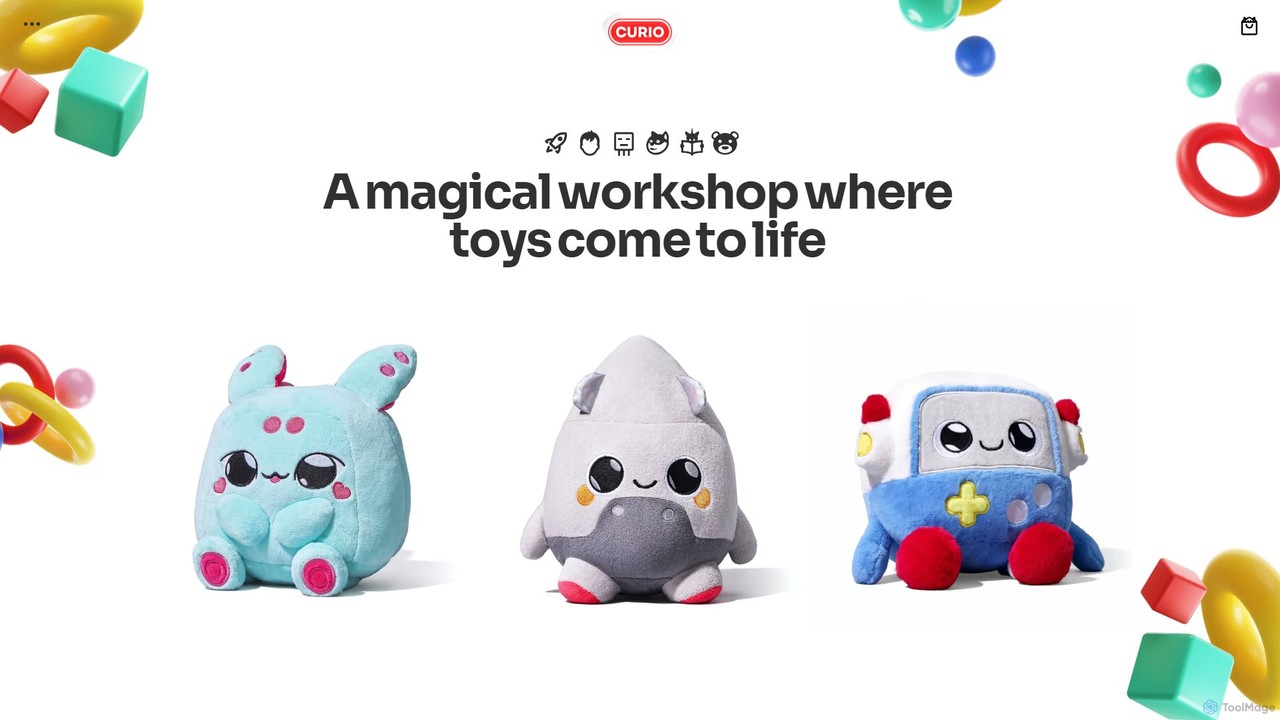
heycurio offers a line of AI-powered plush toys designed to provide children with an interactive, educational, and screen-free play experience. These cuddly companions can hold conversations, answer questions, play games, and tell stories. Powered by a safe and secure OS, heycurio aims to spark imagination and curiosity in children aged 3 and up, fostering learning and conversational skills through engaging, voice-powered interactions.

Early Learning
Visits 29.8KFavorites 150Likes 132

About Toys

AI Toys are interactive playthings that integrate artificial intelligence to offer personalized, adaptive, and engaging experiences for children. These tools leverage technologies like natural language processing, machine learning, and computer vision to respond to a child's input, learn from their play patterns, and adapt content accordingly. They aim to enhance learning, foster creativity, provide companionship, and develop problem-solving skills within the broader category of Kids' tools. Their unique ability to evolve with a child's development makes them distinct from traditional electronic toys.

Core Features

  • Adaptive Learning: AI Toys offer educational content that adjusts difficulty and focus based on the child's progress and learning style.
  • Personalized Interaction: They can recognize voices, remember preferences, and engage in dynamic conversations, fostering a sense of companionship.
  • Robotic Movement & Sensors: Many AI Toys incorporate robotics for physical interaction, movement, and environmental sensing, adding a tangible dimension to play.
  • Creative & Imaginative Play: Some tools assist in storytelling, drawing, or music creation, encouraging children to explore their artistic and imaginative potential.

Applicable Scenarios

AI Toys are ideal for parents seeking innovative ways to support their child's development, educators looking for engaging learning aids, and families desiring interactive entertainment. They are particularly useful for early childhood education, helping children develop foundational skills in language, math, and social-emotional intelligence. These toys can also provide stimulating and adaptive play experiences for children with diverse learning needs.

How to Choose

When selecting AI Toys, prioritize age-appropriateness, robust safety standards, and strong data privacy features to protect children's information. Evaluate the educational value and how well the toy aligns with your child's developmental stage and interests. Consider durability, battery life, and ease of use, including any required app integration. Finally, check for parental control options and the toy's ability to adapt and grow with your child over time.

Toys use cases

1

Personalized Language Learning

A child uses an AI-powered interactive plush toy to learn a new language. The toy engages the child in conversational practice, corrects pronunciation, and introduces new vocabulary through adaptive games and stories. It tracks the child's progress and adjusts the learning path, making the process fun and tailored to their individual pace, significantly boosting language acquisition skills.

2

Emotional Development & Companionship

An AI-powered robotic pet provides companionship and helps a child develop empathy. The pet responds to the child's voice and touch, mimicking emotions and encouraging nurturing behavior. It can offer comfort during moments of distress and engage in playful interactions, fostering emotional intelligence and providing a consistent, non-judgmental friend for the child.

3

STEM Skill Building with Robotics

A child uses an AI-enabled coding robot to learn fundamental STEM concepts. The robot guides them through challenges that involve basic programming logic, problem-solving, and spatial reasoning. Through interactive tasks like navigating mazes or building simple structures, the AI toy provides real-time feedback and adapts to the child's learning pace, making complex concepts accessible and engaging for future engineers and scientists.

4

Creative Storytelling & Imagination

An AI-powered storytelling device generates unique narratives based on a child's input, fostering imagination. The child can suggest characters, settings, or plot twists, and the AI weaves them into an original story, complete with sound effects and character voices. This encourages creative thinking, expands vocabulary, and provides endless possibilities for imaginative play, moving beyond pre-recorded stories.

5

Adaptive Educational Support

An AI tutor toy identifies a child's learning gaps in subjects like math or reading and provides targeted exercises. Through interactive quizzes and personalized feedback, the toy adapts its curriculum to focus on areas where the child needs improvement, offering explanations and encouragement. This tailored approach ensures efficient learning and helps build confidence, acting as a supplementary educational resource at home.

6

Physical Activity & Interactive Games

An AI-enabled game mat or ball encourages active play with dynamic challenges and feedback. For instance, a smart ball might guide a child through a series of movements or a game mat could project interactive challenges that require physical engagement. The AI adapts the game's intensity and complexity to the child's energy levels and skill, promoting physical fitness and coordination in an entertaining way.

Toys FAQ

What are AI Toys?

AI Toys are playthings that incorporate artificial intelligence to provide interactive and adaptive experiences. They typically feature capabilities like natural language processing for voice interaction, machine learning for personalized responses, and sometimes robotics for physical movement. Unlike traditional toys, AI Toys can learn from a child's play, adapt their content, and offer unique educational or companionship benefits, making playtime more engaging and tailored to individual needs.

How do AI Toys enhance a child's development?

AI Toys enhance development by offering personalized learning experiences that adapt to a child's pace and style, fostering cognitive skills. They can improve language acquisition through interactive conversations and storytelling, and develop emotional intelligence by mimicking emotions and encouraging empathy. Furthermore, many AI Toys promote STEM skills through coding challenges and problem-solving tasks, while also encouraging physical activity and creative expression, providing a holistic approach to growth.

What safety and privacy concerns should I consider with AI Toys?

When considering AI Toys, prioritize physical safety by checking for durable, non-toxic materials and age-appropriate design. Data privacy is crucial: ensure the toy has robust encryption, clear data collection policies, and parental control options for managing personal information and interaction settings. Look for toys that comply with privacy regulations like COPPA. Also, be mindful of screen time and ensure a balance between digital and traditional play to support overall well-being.

How are AI Toys different from traditional electronic toys?

AI Toys differ from traditional electronic toys primarily in their ability to learn, adapt, and personalize experiences. Traditional electronic toys operate on pre-programmed functions and offer repetitive interactions. In contrast, AI Toys use machine learning to respond dynamically to a child's input, remember preferences, and evolve their content over time. This allows for more meaningful, open-ended play, tailored educational support, and a deeper sense of companionship, moving beyond simple cause-and-effect interactions.

What features should I look for when buying an AI Toy?

When buying an AI Toy, look for features that align with your child's age and developmental stage, ensuring it offers appropriate educational content. Prioritize strong data privacy and security measures, including parental controls for managing settings and data. Consider the toy's durability, battery life, and ease of use, especially if it requires app integration. Additionally, check for adaptive learning capabilities, personalized interaction options, and the potential for the toy to grow with your child's evolving skills and interests.