ToolMage
Sign in

Best 7 Language Learning AI tools

Popular Language Learning AI tools include Accent Guru, FluenTea, HomeworkAI, AI Translate Manga, Lydertalk, English Job Ready, and Question AI, helping you work more efficiently.

Lydertalk

Lydertalk

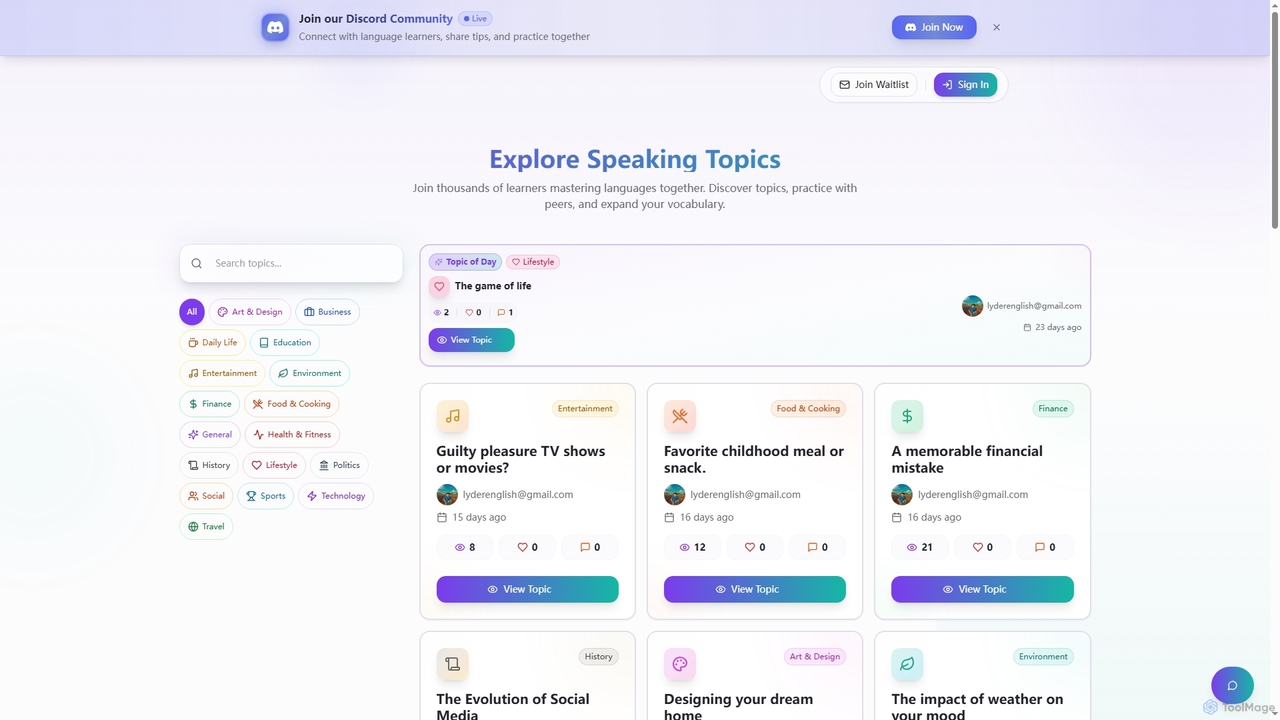
Lydertalk is an online community platform designed for language learners to enhance their speaking skills. It connects thousands of learners through live practice sessions, diverse topics, and peer interaction, fostering vocabulary expansion and fluency in a supportive environment.

Language Exchange
Visits 4.1KFavorites 100Likes 94
Accent Guru
Free

Accent Guru

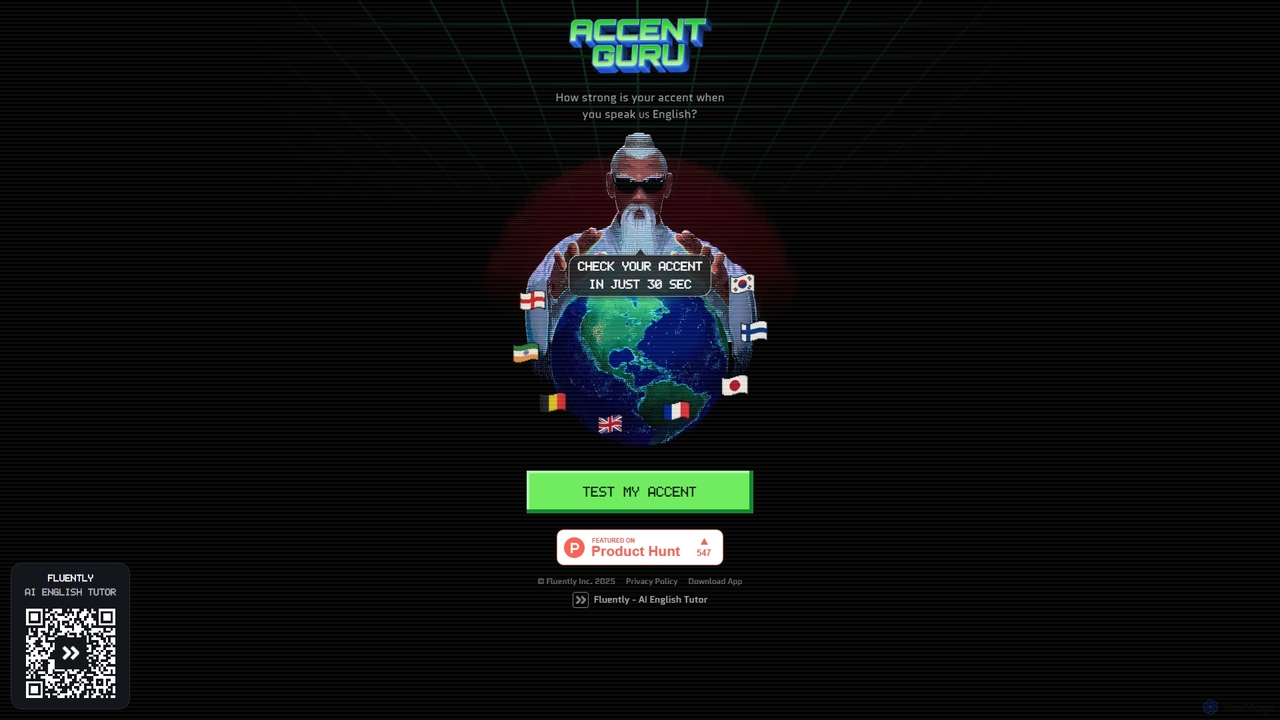
Accent Guru is a free online tool designed to quickly assess the strength of your American English accent. By reading a short provided text, users can receive an instant score, helping them understand and improve their pronunciation in just 30 seconds.

Speech Analysis
Visits 159.1KFavorites 117Likes 136
English Job Ready
Freemium

English Job Ready

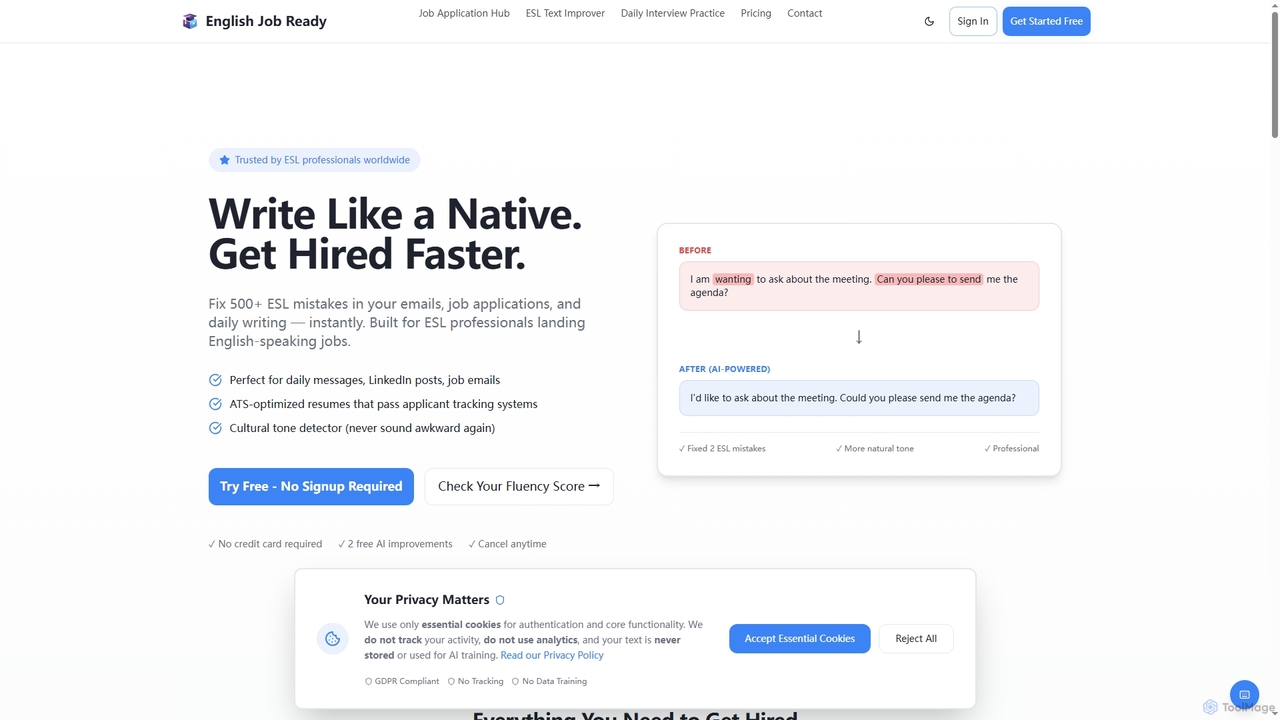
English Job Ready is an AI-powered tool designed specifically for non-native English speakers to perfect their job applications. It helps fix over 500 ESL mistakes, optimizes resumes for ATS, generates cover letters, and provides daily interview practice with AI feedback, aiming to help users get hired faster in English-speaking roles.

Interview Preparation
Visits 4KFavorites 96Likes 108
AI Translate Manga
Freemium

AI Translate Manga

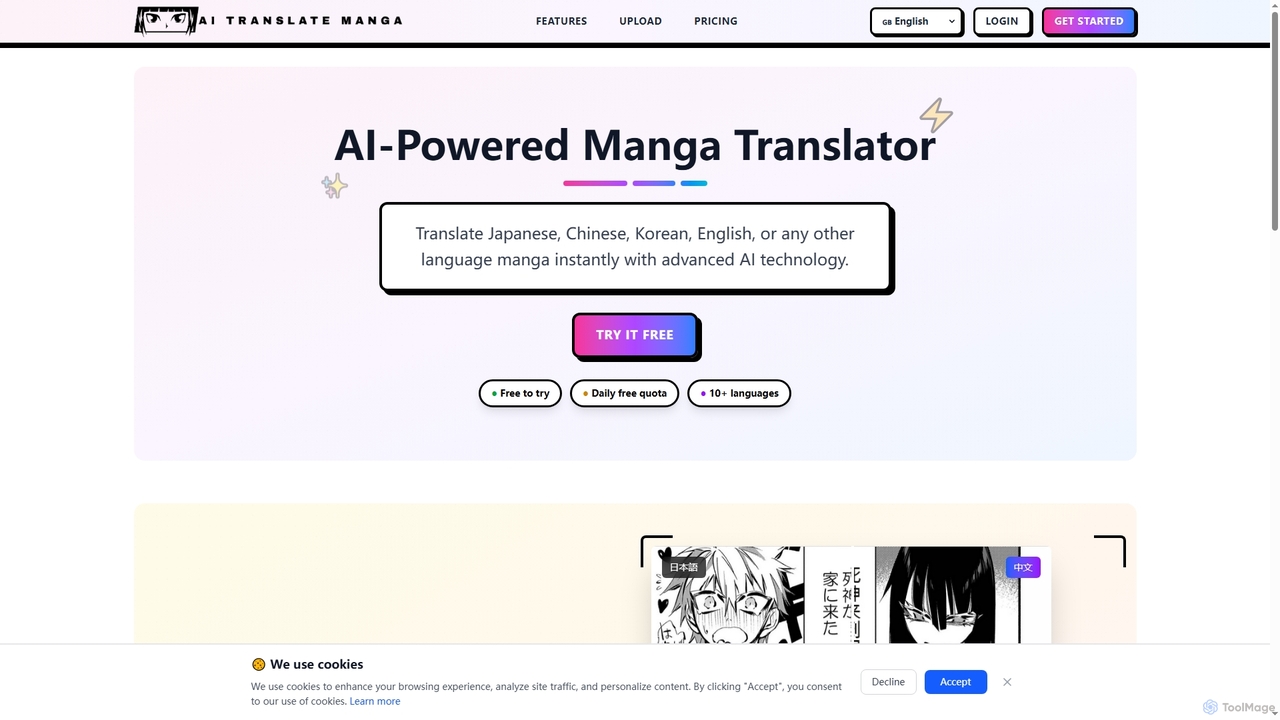
AI Translate Manga is an advanced AI-powered tool designed to instantly translate manga from Japanese, Chinese, Korean, English, and other languages. It offers precise text recognition and context-aware translation, making manga accessible to a global audience.

Extensions
Visits 4.1KFavorites 134Likes 150
FluenTea

FluenTea

FluenTea is an innovative AI tool designed to help users achieve language fluency through interactive chat conversations. It provides a dynamic and accessible platform for practicing speaking and understanding in a target language, fostering confidence and improving conversational skills in a supportive environment.

Language Tutor
Visits 4.3KFavorites 127Likes 136
Question AI
Freemium

Question AI

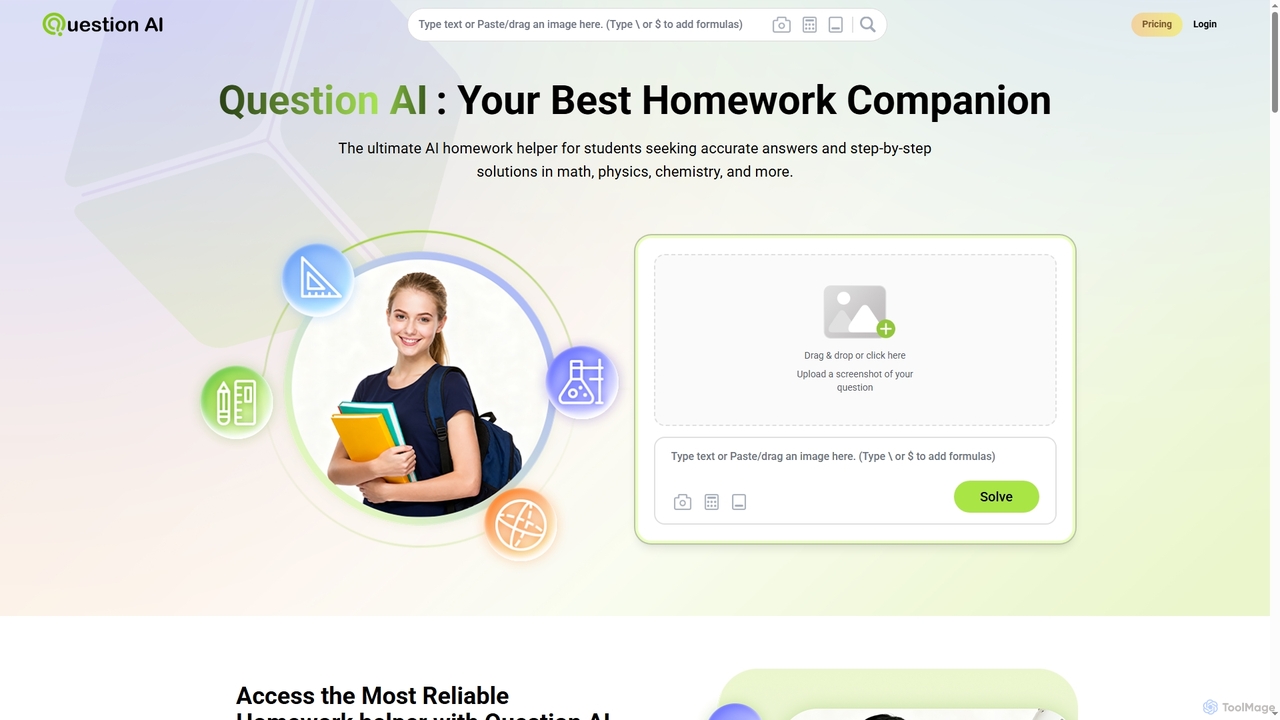
Question AI is an advanced AI homework helper designed for students to get accurate, step-by-step solutions across a wide range of subjects. It covers math, physics, chemistry, literature, history, and programming, offering flexible input options and multilingual support. With reported accuracy up to 98%, it aims to simplify academic challenges and enhance understanding for learners worldwide.

Homework Assistance
Visits 3.9KFavorites 149Likes 133
HomeworkAI
Freemium

HomeworkAI

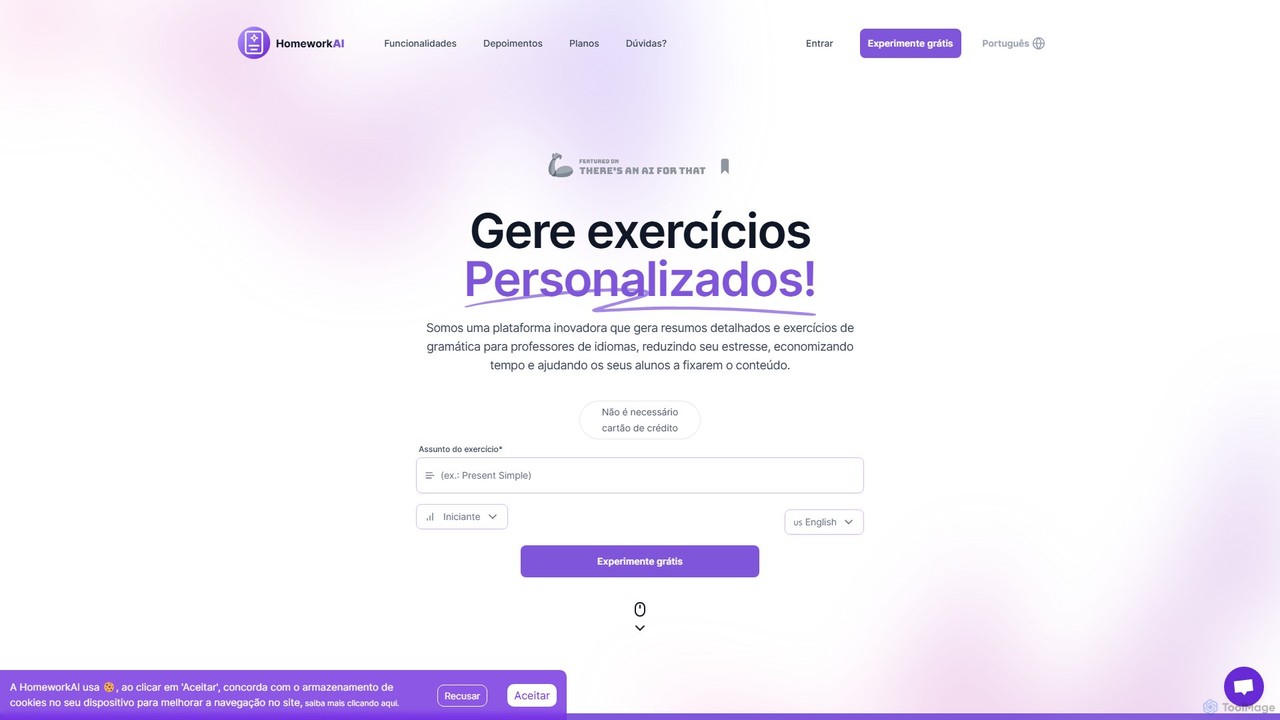
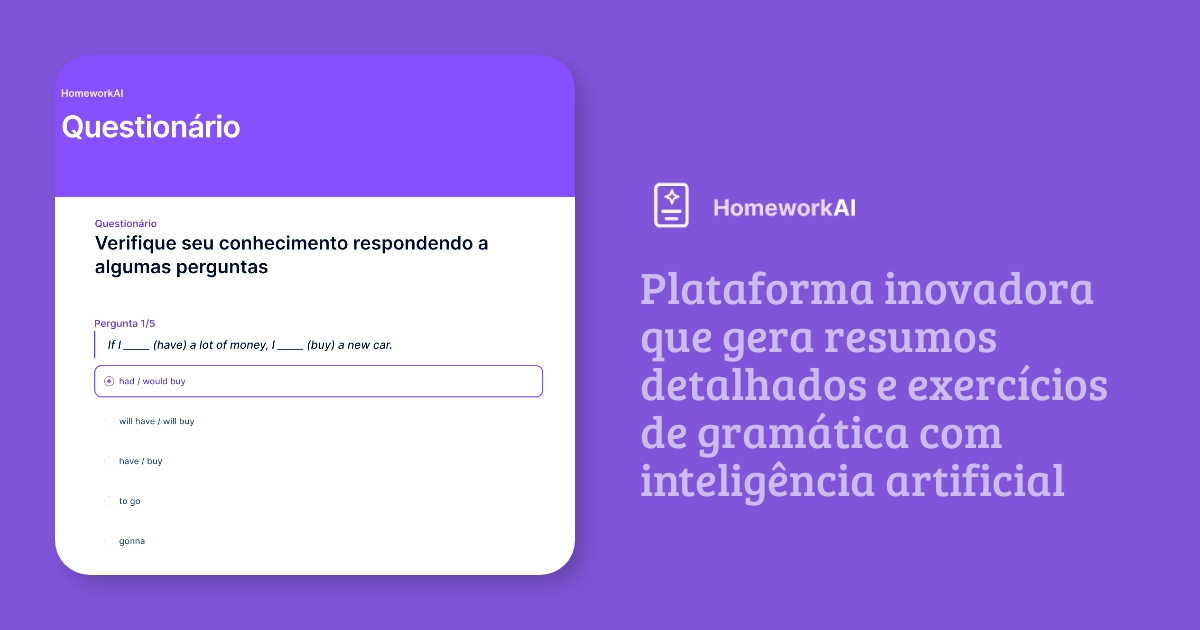
HomeworkAI is an AI-powered platform designed for educators, especially language teachers, to instantly generate comprehensive lesson materials. It creates detailed grammar explanations, interactive quizzes, and engaging vocabulary exercises, saving teachers valuable preparation time and enhancing student learning experiences.

Teaching
Visits 4.1KFavorites 109Likes 108

About Language Learning

AI Language Learning tools are applications that leverage artificial intelligence to create personalized, interactive, and effective learning experiences. These tools utilize technologies like Natural Language Processing (NLP) and speech recognition to offer features that traditional methods cannot, such as real-time pronunciation feedback and adaptive lesson plans. They are designed to accelerate fluency by simulating real conversations, identifying individual weaknesses, and tailoring content to the user's specific pace and goals. This data-driven approach makes learning a new language more engaging and efficient than ever before.

Core Features

  • Conversational AI Tutors: Practice speaking and listening with AI-powered chatbots that can hold natural conversations on various topics.
  • Personalized Learning Paths: The AI analyzes your performance and automatically adjusts the difficulty and focus of lessons to target your weak areas.
  • Real-time Pronunciation Analysis: Uses speech recognition to provide instant, detailed feedback on your accent, intonation, and phoneme accuracy.
  • Intelligent Vocabulary Building: Employs AI-enhanced Spaced Repetition Systems (SRS) to optimize when you review words for better long-term retention.
  • Contextual Grammar Correction: Identifies grammatical errors in your writing or speech and provides explanations within a meaningful context.

Use Cases

These tools are widely used by individuals, educational institutions, and corporations. Students use them to supplement classroom learning and prepare for proficiency exams. Business professionals leverage them to quickly acquire language skills for international assignments. Travelers use them for learning essential phrases, while language enthusiasts enjoy a more dynamic and interactive way to explore new cultures.

How to Choose

When selecting an AI Language Learning tool, consider the languages offered and the specific dialects you need. Evaluate the depth of its core features, such as the quality of the conversational AI and the detail of its pronunciation feedback. Assess the level of personalization and whether the learning path aligns with your goals (e.g., travel, business, academic). Finally, consider the platform's user interface and pricing model to ensure it fits your budget and learning style.

Featured tool rankings

Language Learning use cases

1

Prepare for an International Business Meeting

A marketing manager needs to travel to Japan for a crucial client meeting in two months. Using an AI language learning tool, they focus on a business-specific curriculum. The manager practices realistic negotiation scenarios with an AI tutor, receiving instant feedback on their word choice and formality. The tool's speech analysis helps them refine their pronunciation of key industry terms. This targeted preparation allows them to build rapport and communicate their proposals confidently, leading to a successful partnership agreement.

2

Ace a University Language Proficiency Exam

A university student is preparing for a mandatory Spanish proficiency exam. They use an AI tool that offers a structured curriculum aligned with the CEFR framework. The platform provides extensive grammar drills, vocabulary exercises, and listening comprehension tests. Its AI identifies recurring grammatical mistakes in the student's writing assignments and suggests targeted exercises. The student also uses the conversation feature to practice speaking under timed conditions, simulating the oral part of the exam. This comprehensive approach helps the student pass the exam with a high score.

3

Learn Survival Phrases for Traveling

A couple is planning a trip to Italy and wants to learn basic Italian for daily interactions. They use an AI language app focused on travel scenarios. The app features modules for ordering food, asking for directions, and shopping. They use the speech recognition feature to practice their pronunciation of phrases like "Quanto costa?" and "Dov'è il bagno?". The app's offline mode allows them to access their learned vocabulary and phrases even without an internet connection, making it a practical tool during their travels for navigating cities and interacting with locals.

4

Improve Daily Conversation Skills as an Expat

An expat living in Germany wants to improve their conversational German to better integrate into the local community. They use an AI tool daily to practice casual conversations about topics like hobbies, weather, and current events. The AI tutor corrects their grammatical errors and suggests more natural-sounding phrases. This regular, low-pressure practice builds their confidence. As a result, they feel more comfortable participating in social gatherings, understanding local humor, and forming deeper connections with their German neighbors and colleagues.

5

Explore a New Language as a Hobby

A language enthusiast decides to learn Korean as a hobby to better understand K-dramas and music. They choose a gamified AI learning app that makes the process fun and engaging. The app uses a points and leaderboard system to keep them motivated. Interactive story-based lessons allow them to learn vocabulary and grammar in a compelling context. The AI adapts the story's difficulty based on their progress. This enjoyable approach helps the hobbyist stay consistent with their learning, gradually unlocking a deeper appreciation for Korean culture.

6

Teach a Child a Second Language Interactively

A parent wants to introduce their 7-year-old child to French. They use an AI language tool designed for children, featuring animated characters, songs, and interactive games. The AI adjusts the game difficulty in real-time based on the child's answers, ensuring they remain challenged but not frustrated. The speech recognition feature is calibrated for children's voices, helping the child practice pronunciation in a fun way. This engaging, play-based learning environment helps the child build a foundational vocabulary and a positive association with the new language.

Language Learning FAQ

What are AI Language Learning tools?

AI Language Learning tools are software applications that use artificial intelligence to deliver personalized and adaptive language education. Unlike static textbooks or traditional apps, they employ technologies like speech recognition for pronunciation feedback and machine learning to create custom lesson plans based on a user's progress and mistakes. Their primary goal is to make learning more efficient and engaging by simulating real-world interactions and targeting individual learning needs.

How do I choose the right AI language learning tool?

Choosing the right tool depends on your personal goals and learning style. Consider the following factors:

  • Learning Goals: Are you learning for travel, business, or academic purposes? Look for tools with specialized curricula for your needs.
  • Core Skills Focus: Do you need to improve speaking, writing, or listening? Check if the tool excels in that area, for example, by offering advanced speech analysis or interactive writing exercises.
  • Learning Method: Do you prefer gamified experiences, structured lessons, or immersive story-based learning? Choose a platform that matches your preference.
  • Language and Dialect: Ensure the tool supports the specific language and regional dialect you want to learn (e.g., Castilian Spanish vs. Latin American Spanish).
How are AI tools different from traditional language apps?

The key difference is personalization and interactivity. Traditional apps often follow a fixed, one-size-fits-all curriculum. AI tools, however, dynamically adapt to you. If you struggle with a specific grammar point, the AI will provide more practice on it. If you mispronounce a word, it offers instant, specific feedback. Furthermore, AI enables advanced features like open-ended conversations with a chatbot, which is far more interactive than the simple fill-in-the-blank exercises common in older apps.

Can AI tools make me fluent in a language?

AI tools are powerful accelerators for language learning, but fluency also requires real-world practice and cultural immersion. An AI tool can provide you with a strong foundation in vocabulary, grammar, and pronunciation, and it can significantly improve your conversational confidence in a controlled environment. However, to achieve true fluency, it's highly recommended to combine AI-based learning with real-life interactions, such as speaking with native speakers, consuming media in the target language, and experiencing the culture firsthand.

Who can benefit from using AI language learning tools?

A wide range of individuals can benefit. This includes:

  • Students: For supplementing coursework, exam preparation, and practicing outside the classroom.
  • Professionals: For acquiring business-specific language skills needed for international collaboration, negotiations, or relocation.
  • Travelers: For quickly learning essential phrases and cultural etiquette for a trip.
  • Language Hobbyists: For exploring new languages in an engaging, interactive, and self-paced manner.
  • Expats and Immigrants: For improving daily conversational skills to better integrate into a new country.