ToolMage
Sign in

Best 4 Dispute Resolution AI tools for Legal

Popular Dispute Resolution AI tools in Legal include SmartDispute.ai, dyspute.ai, AI Judge, and JudgeAI, helping you work more efficiently.

SmartDispute.ai
Paid

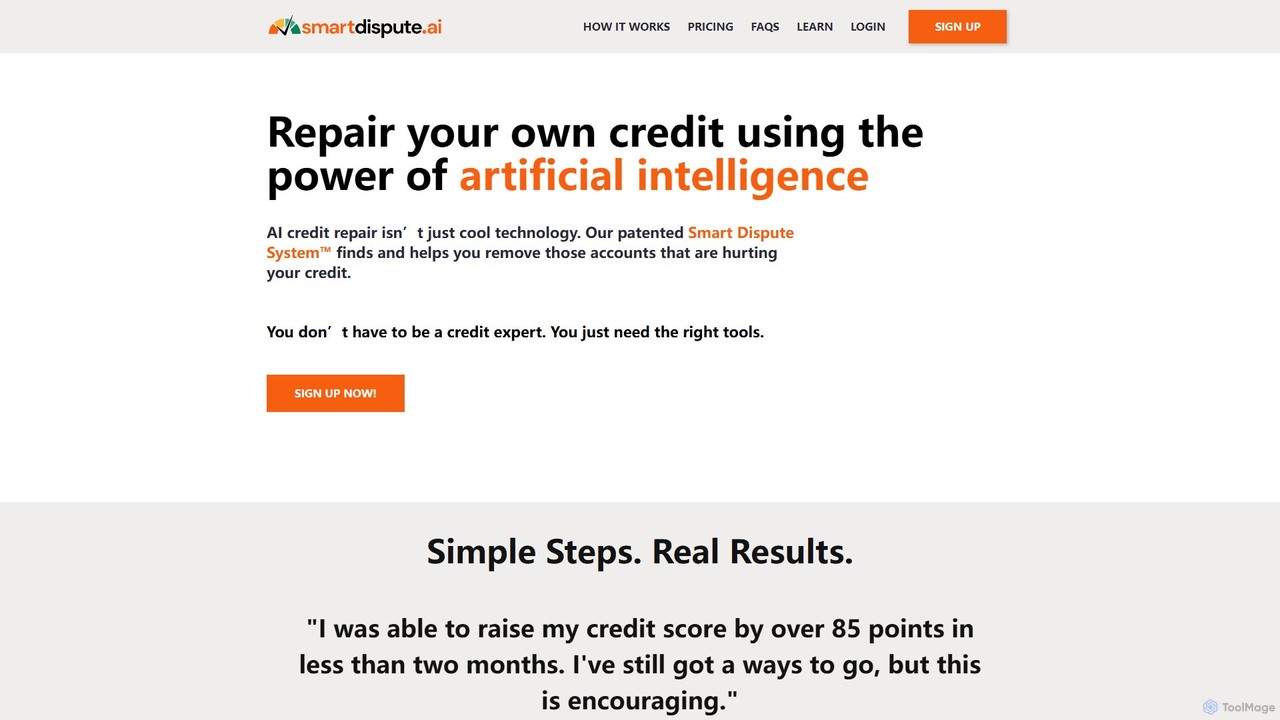
SmartDispute.ai

SmartDispute.ai is an AI-powered platform that helps you repair your credit. It analyzes your credit reports from all three bureaus, identifies negative items, and automatically generates strategic, fact-based dispute letters to help you improve your credit score quickly and affordably.

Credit Repair
Visits 11.9KFavorites 145Likes 159
dyspute.ai
Freemium

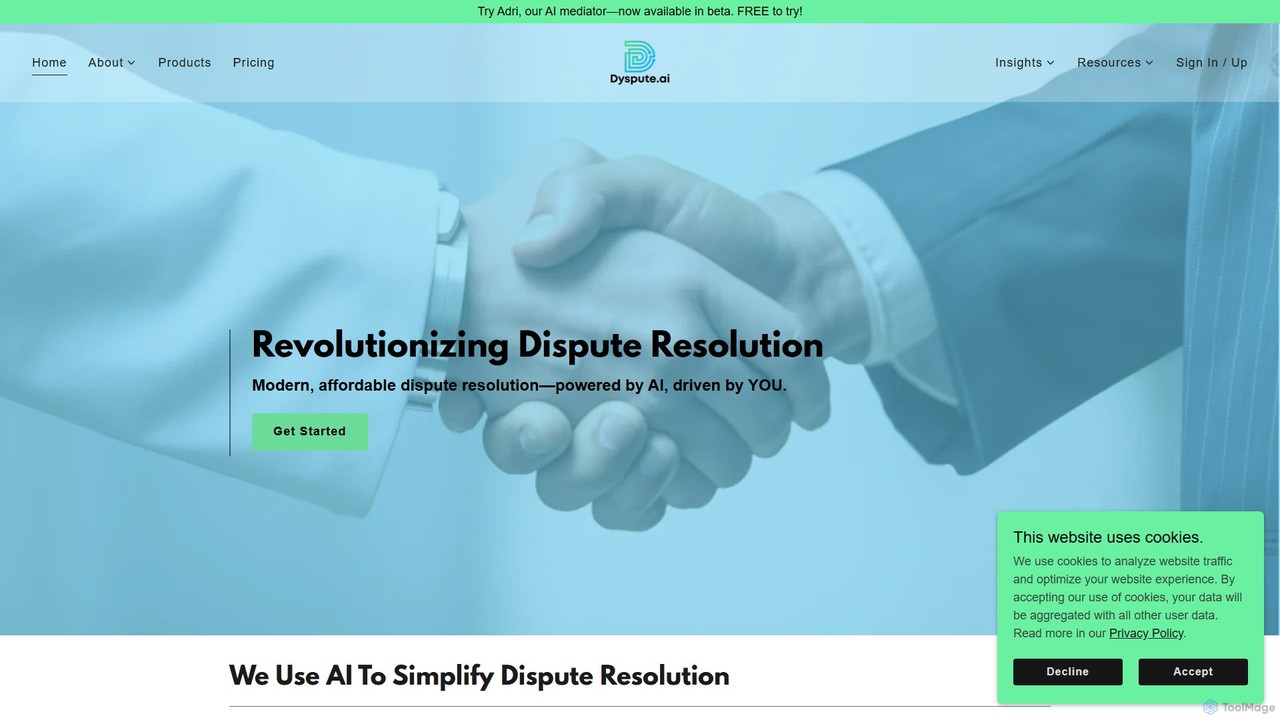
dyspute.ai

dyspute.ai is an AI-powered platform designed to simplify and democratize dispute resolution. It offers tools for generating professional demand letters and an AI-led mediation service named Adri. Created by experienced lawyers, it provides an affordable, fast, and accessible alternative to traditional legal processes for individuals and businesses.

Customer Support
Visits 7.9KFavorites 99Likes 112
AI Judge
Free

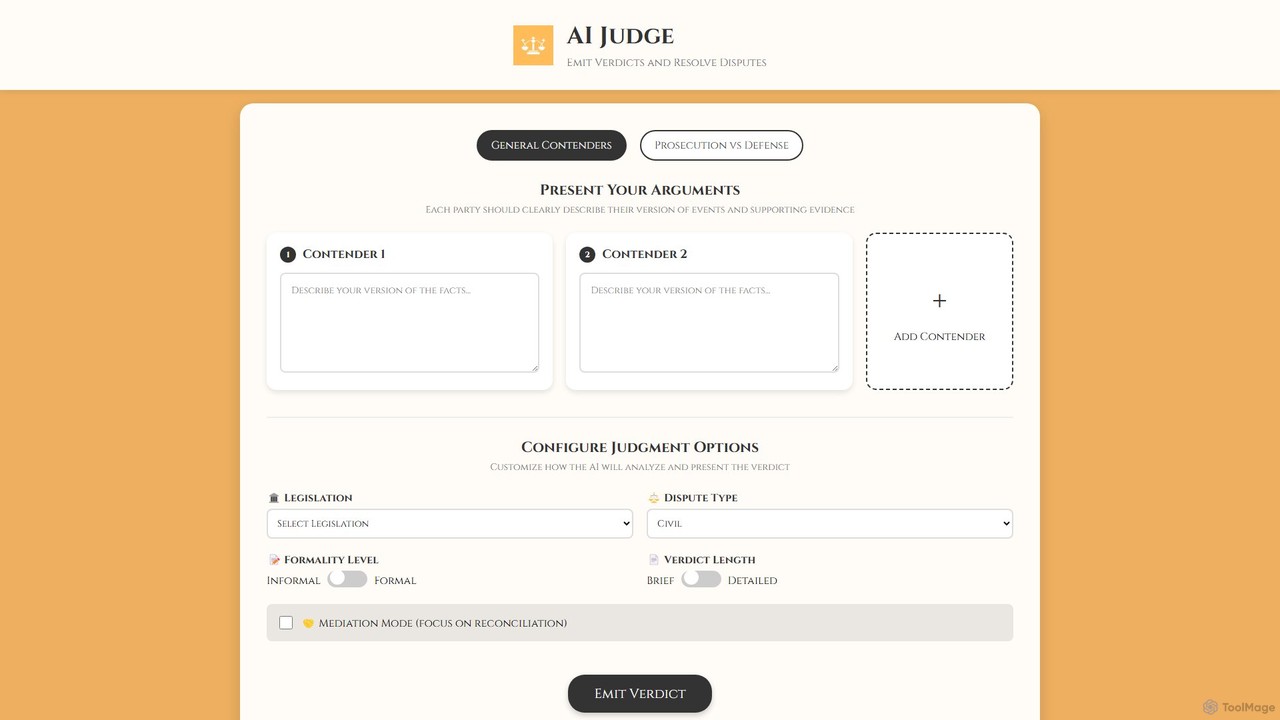
AI Judge

AI Judge is an innovative online tool that generates impartial verdicts to resolve disputes. Users present their arguments, select relevant legislation and dispute types, and the AI provides an objective analysis and resolution guidance. It's designed to offer a neutral third-party perspective for civil, commercial, family, and other conflicts.

Dispute Resolution
Visits 7KFavorites 143Likes 133
JudgeAI

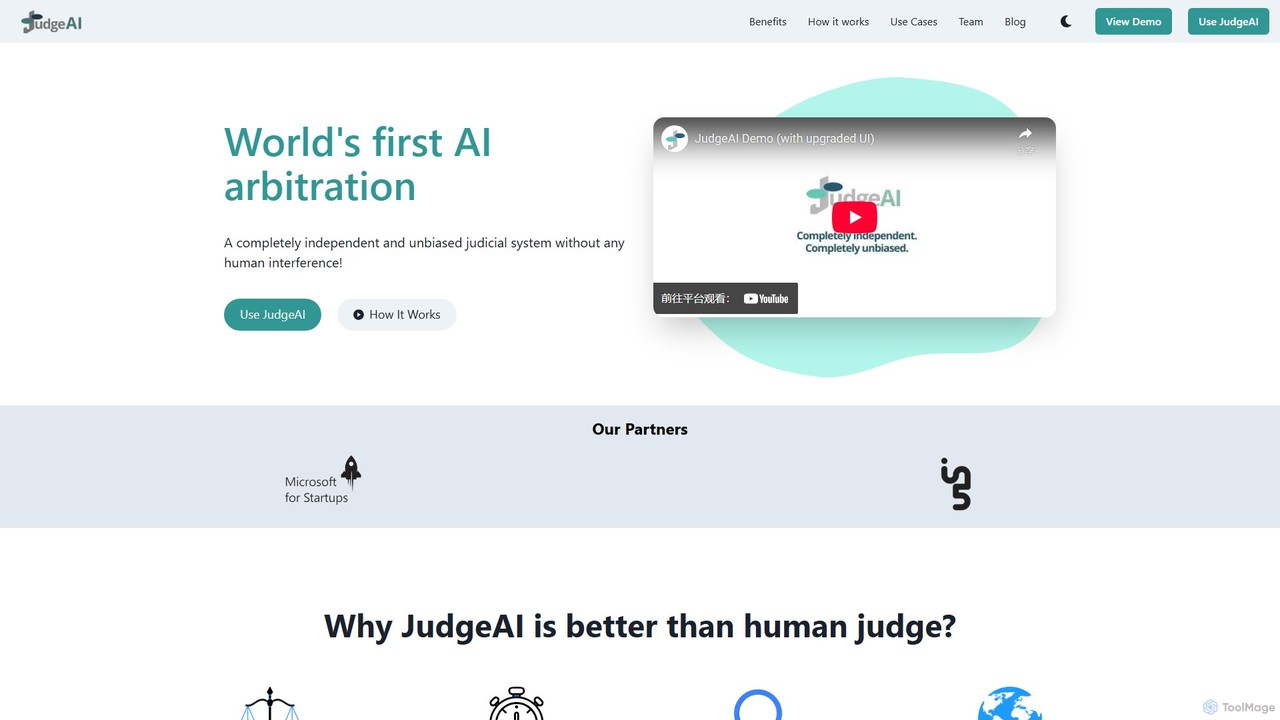
JudgeAI

JudgeAI is the world's first AI arbitration system, offering a completely independent and unbiased judicial process for economic disputes. It leverages proprietary legal algorithms and game theory principles like Nash equilibrium, rather than codified law, to analyze evidence and deliver fast, accurate, and transparent judgments without human interference.

Compliance
Visits 6.1KFavorites 126Likes 127

About Dispute Resolution

AI-powered Dispute Resolution tools are specialized platforms that leverage artificial intelligence to streamline and enhance the process of resolving conflicts. These tools utilize natural language processing, machine learning, and data analytics to assist in mediation, arbitration, and negotiation. They aim to reduce the time, cost, and complexity associated with traditional legal disputes, making justice more accessible and efficient for individuals and organizations.

Core Features

  • Automated Document Analysis: Quickly review and extract key information from legal documents, contracts, and communications relevant to a dispute.
  • Predictive Analytics: Assess potential outcomes of a dispute based on historical data and legal precedents, informing negotiation strategies.
  • Virtual Mediation Platforms: Provide secure, online environments for parties to communicate, share evidence, and engage in structured negotiation or mediation sessions.
  • Smart Contract Analysis: Identify potential breach points or ambiguities in smart contracts that could lead to disputes.
  • Case Management & Tracking: Organize and monitor all aspects of a dispute, from initial filing to resolution, with automated alerts and progress updates.

Use Cases

Legal professionals, businesses, and individuals facing disagreements can utilize these tools. For instance, a small business owner might use an AI platform to mediate a contract dispute with a supplier, or a legal firm could employ predictive analytics to advise clients on the likelihood of success in litigation, guiding settlement discussions.

How to Choose

When selecting a Dispute Resolution AI tool, consider its specific focus (e.g., mediation, arbitration, contract analysis), the accuracy and reliability of its AI models, its integration capabilities with existing legal tech stacks, and the level of security and data privacy it offers. User interface intuitiveness and support for multiple jurisdictions are also crucial factors.

Dispute Resolution use cases

1

Streamlining Contract Dispute Mediation for Businesses

Small to medium-sized enterprises (SMEs) often face contract disagreements with vendors or clients. AI dispute resolution tools can provide a neutral, guided platform for both parties to upload relevant documents, identify points of contention, and propose solutions, significantly reducing the need for costly legal intervention and accelerating the path to a mutually agreeable settlement.

2

Enhancing Legal Strategy with Predictive Litigation Outcomes

Law firms can leverage AI tools to analyze vast datasets of past court cases, judgments, and legal precedents. By inputting details of a current dispute, the AI can predict potential litigation outcomes, assess risks, and identify optimal negotiation points. This empowers lawyers to develop more informed strategies and advise clients on the most favorable paths, whether through settlement or trial.

3

Facilitating Online Arbitration for E-commerce Consumer Claims

E-commerce platforms frequently encounter consumer disputes regarding product quality, delivery, or service. AI-powered arbitration platforms offer an efficient, scalable solution. Consumers and merchants can submit their cases online, and the AI can assist in evidence review and even suggest non-binding resolutions, providing a faster and more accessible alternative to traditional court proceedings.

4

Automating Initial Assessment of Employment Disputes

HR departments in large corporations can use AI dispute resolution tools to conduct initial assessments of internal employment grievances. The AI can analyze employee complaints, company policies, and relevant legal frameworks to identify potential issues, categorize the dispute's severity, and recommend appropriate next steps, ensuring fair and consistent handling of internal conflicts.

5

Accelerating Real Estate Transaction Conflict Resolution

In complex real estate transactions, disagreements can arise over property conditions, contract clauses, or financial terms. AI tools can help parties involved—buyers, sellers, agents, and lawyers—to quickly review contractual obligations, identify discrepancies, and facilitate structured discussions to resolve issues before they escalate, ensuring smoother closings.

6

Supporting Cross-Border Commercial Dispute Negotiation

International businesses often face challenges in resolving disputes due to differing legal systems and language barriers. AI dispute resolution platforms can offer multi-language support and analyze legal documents from various jurisdictions, helping parties understand each other's positions and legal standing, thereby facilitating more effective and culturally sensitive cross-border negotiations.

Dispute Resolution FAQ

What are AI Dispute Resolution tools?

AI Dispute Resolution tools are software applications that use artificial intelligence, such as natural language processing and machine learning, to assist in managing, analyzing, and resolving legal or commercial conflicts. They aim to automate aspects of mediation, arbitration, and negotiation, making the process faster, more cost-effective, and often more accessible than traditional methods.

How do AI tools assist in resolving disputes?

AI tools assist by performing tasks like automated document review to extract key facts, predictive analytics to forecast potential outcomes, and providing structured virtual platforms for negotiation or mediation. They can identify patterns, highlight relevant legal precedents, and help parties communicate more effectively, guiding them towards a resolution.

What are the main benefits of using AI for dispute resolution?

The primary benefits include significant reductions in time and cost compared to traditional legal processes. AI tools enhance efficiency by automating tedious tasks, improve accessibility by offering online platforms, and provide data-driven insights for better decision-making. They also promote impartiality by focusing on facts and data.

How do AI Dispute Resolution tools differ from general Legal AI tools?

While both fall under the broader "Legal AI" category, AI Dispute Resolution tools are specifically designed to address the lifecycle of conflicts—from prevention and early assessment to negotiation, mediation, and arbitration. General Legal AI tools might focus on broader tasks like legal research, contract drafting, or compliance, whereas dispute resolution tools have a narrower, conflict-centric application.

What should I consider when choosing an AI Dispute Resolution platform?

Key considerations include the specific type of disputes the platform handles best (e.g., contract, employment, consumer), the accuracy and transparency of its AI models, its data security and privacy protocols, and its ability to integrate with your existing systems. Also, evaluate the user experience, customer support, and whether it supports the legal jurisdictions relevant to your needs.