
ToolMage
Sign in

Best 1 Legal Operations Management AI tools for Legal

Popular Legal Operations Management AI tools in Legal include SimpleLegal, helping you work more efficiently.

SimpleLegal
Paid

SimpleLegal

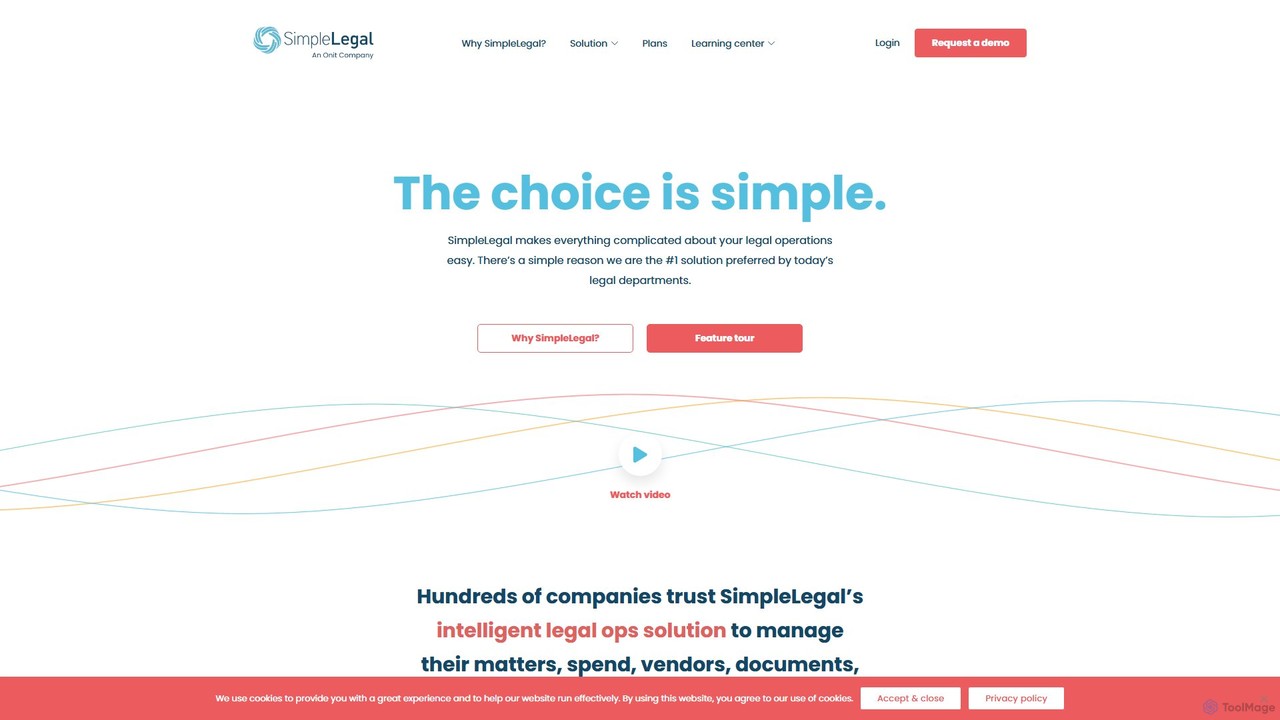
SimpleLegal is a comprehensive legal operations platform designed for corporate legal departments. It streamlines workflows, provides deep visibility into legal spend through e-billing, and centralizes matter and vendor management. By leveraging data analytics, it empowers legal teams to control costs, improve efficiency, and make strategic, data-driven decisions.

Spend Management
Visits 13.5KFavorites 138Likes 141

About Legal Operations Management

Legal Operations Management tools are AI-powered platforms designed to streamline the business and administrative functions of legal departments and law firms. These systems leverage artificial intelligence to automate workflows, manage contracts, track spending, and provide data-driven insights. By handling repetitive operational tasks, they enable legal professionals to focus on high-value strategic work. This leads to increased efficiency, better cost control, and improved risk management across the organization.

Core Features

  • Automated Workflow Management: Automatically routes tasks like contract approvals, compliance checks, and legal service requests to the appropriate personnel.
  • Contract Lifecycle Management (CLM): Manages contracts from creation to renewal, using AI to analyze clauses, track key dates, and identify risks.
  • Legal Spend & Matter Management: Centralizes case information, tracks budgets, and analyzes invoices from external counsel to ensure billing compliance.
  • Performance Analytics & Reporting: Generates dashboards and reports on team productivity, spending trends, and operational bottlenecks.

Use Cases

These tools are primarily used by corporate legal departments to manage high volumes of contracts and control external legal spend. Law firms also adopt them to optimize resource allocation and improve client service delivery. Compliance teams utilize them to monitor regulatory obligations and automate reporting processes, ensuring organizational adherence to legal standards.

How to Choose

When selecting a Legal Operations Management tool, first evaluate its integration capabilities with your existing systems (e.g., CRM, ERP). Consider the platform's scalability to handle future growth in matters and contracts. Assess whether it offers the specific modules you need, such as e-billing or IP management. Finally, verify its security protocols and compliance with data privacy regulations like GDPR or CCPA.

Legal Operations Management use cases

1

Automate Contract Review and Approval

A corporate legal team receives dozens of third-party contracts weekly. Using a Legal Operations Management tool, they create an automated workflow. The AI scans each uploaded contract, flags non-standard clauses or missing information against a predefined playbook, and then automatically routes it to the correct specialist (e.g., privacy, IP, finance) for review. This reduces the initial manual review time by over 70% and ensures no critical issues are missed before escalating to senior counsel for final approval.

2

Manage and Analyze External Legal Spend

A company's legal operations manager needs to control a multi-million dollar budget for outside counsel. The Legal Ops platform's e-billing module automatically ingests invoices from various law firms. The AI analyzes line items for compliance with billing guidelines, flags potential overcharges or out-of-scope work, and provides dashboards visualizing spend by matter, firm, and timekeeper. This data enables the manager to negotiate better rates and forecast future legal expenses with high accuracy.

3

Streamline Legal Service Requests

Employees from sales, marketing, and HR frequently need legal support for tasks like NDA creation or marketing material review. Instead of emailing individual lawyers, they use a centralized service portal powered by the Legal Ops tool. They fill out a smart form that gathers all necessary information. The system then automatically creates a task, assigns it to the appropriate legal team member based on pre-set rules, and provides the requestor with a tracking number. This eliminates back-and-forth emails and gives the legal team clear visibility into their workload.

4

Proactive Contract Renewal Management

A large enterprise manages thousands of active vendor and client contracts. The Legal Operations Management platform serves as a central repository. The system automatically tracks all contract expiration and renewal dates. It is configured to send automated alerts to contract owners and the legal team 90, 60, and 30 days before a key date. This proactive notification system prevents missed renewals of favorable contracts and avoids automatic renewals of underperforming or unnecessary agreements, saving the company significant costs.

5

Centralize Matter and Case Files

A law firm's litigation team is handling a complex case involving multiple lawyers, paralegals, and experts. The Legal Operations Management tool acts as a single source of truth for the matter. All documents, communications, deadlines, research notes, and billing information are stored and organized within the platform. Team members can access the latest information from anywhere, collaborate on documents in real-time, and view a shared calendar of critical dates. This centralization prevents version control issues and ensures everyone on the team is aligned.

6

Generate Performance Dashboards for Leadership

The General Counsel needs to demonstrate the legal department's value to the C-suite. Using the Legal Ops tool's analytics module, they generate a quarterly performance dashboard. This report visually presents key metrics such as cost savings achieved through better contract negotiation, reduction in time to close deals, legal spend versus budget, and the volume of matters handled by the team. These data-driven insights replace anecdotal evidence, allowing for more strategic conversations about resource allocation and the department's contribution to business goals.

Legal Operations Management FAQ

What are AI tools for Legal Operations Management?

AI tools for Legal Operations Management are software platforms that focus on the business aspects of running a legal department or law firm. Unlike tools for legal research, they use AI to automate administrative and operational tasks. Key functions include managing workflows, tracking legal spend, overseeing the entire contract lifecycle, and providing performance analytics. The primary goal is to increase efficiency, control costs, and provide data for better strategic decision-making.

How to choose the right Legal Operations Management tool?

Choosing the right tool involves evaluating several key factors. First, assess your specific needs: do you primarily need contract lifecycle management, e-billing, or matter management? Look for a tool that excels in your priority area. Second, consider integration capabilities. The tool should seamlessly connect with your existing software like email, document storage, and ERP systems. Third, evaluate user experience and ease of adoption for your team. Finally, ensure the vendor provides robust security, complies with data privacy regulations, and offers reliable customer support.

What's the difference between Legal Operations AI and Legal Research AI?

The key difference lies in their function. Legal Operations AI focuses on the business of law. It manages processes, workflows, budgets, and contracts to make a legal department more efficient and cost-effective. Its users are typically legal ops managers, GCs, and administrators. In contrast, Legal Research AI focuses on the practice of law. It helps lawyers and paralegals find and analyze case law, statutes, and legal documents to build arguments and advise clients. One manages operations, the other assists with substantive legal work.

What are the key benefits of using Legal Operations Management software?

The primary benefits are increased efficiency, cost savings, and better risk management. By automating routine tasks, legal professionals can focus on more strategic work. Cost savings are achieved through better management of external counsel spend and proactive contract renewals. Enhanced visibility into all legal matters and contracts allows for better risk identification and mitigation. Finally, these tools provide data and analytics that empower legal leaders to make informed decisions and demonstrate the department's value to the business.

Who typically uses Legal Operations Management tools?

These tools are primarily used by in-house corporate legal departments, especially in mid-to-large sized companies with significant legal workloads. Key users include General Counsel (GCs) for strategic oversight, Legal Operations Managers for process optimization and budget control, and corporate lawyers for managing their matters and contracts. Law firms also use these platforms to improve their own operational efficiency, manage client matters, and provide better service. Additionally, compliance and procurement teams often use specific modules for their respective functions.