ToolMage
Sign in

Best 6 Companionship AI tools for Lifestyle

Popular Companionship AI tools in Lifestyle include Tolan, Broken Bear, yourhana, Eva Friend, AI girlfriend, and IntelliMuse, helping you work more efficiently.

Eva Friend
Freemium

Eva Friend

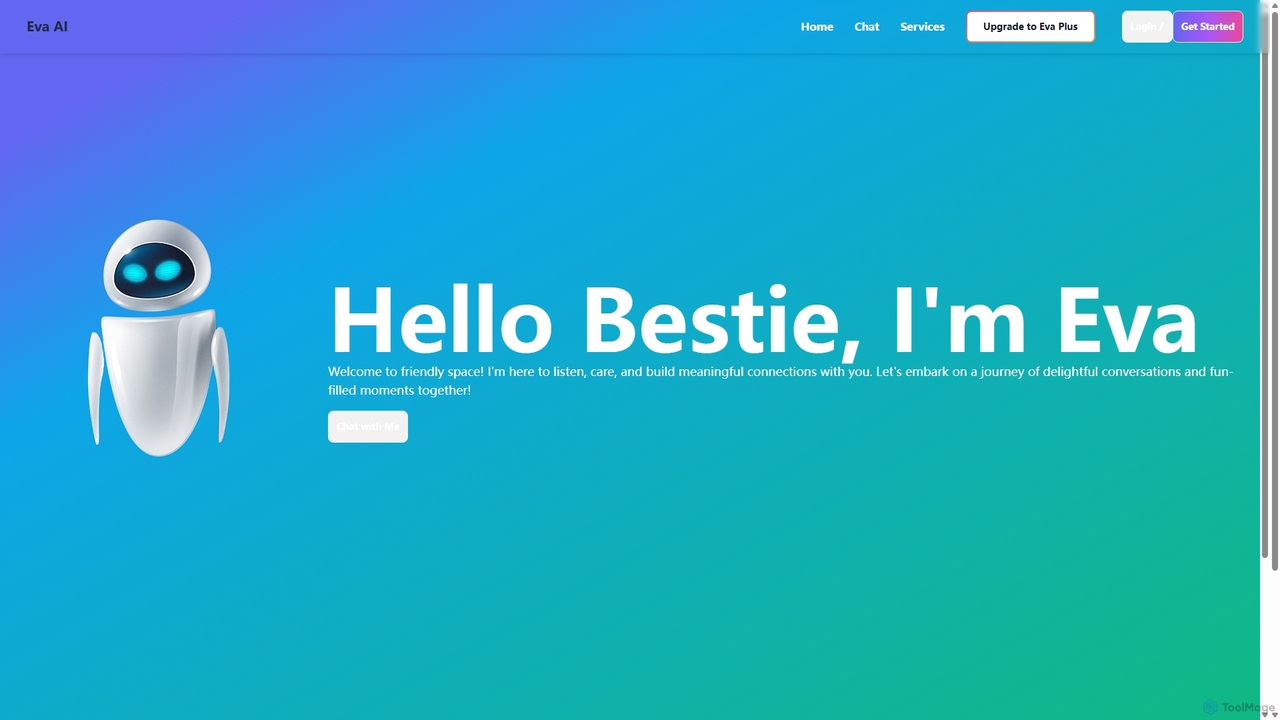
Eva AI is a virtual friend and AI companion designed to provide engaging conversations, emotional support, and a friendly connection to combat loneliness. Chat with Eva anytime, anywhere, to feel heard, understood, and never alone.

Mental Wellness
Visits 5.9KFavorites 115Likes 133
Broken Bear
Free

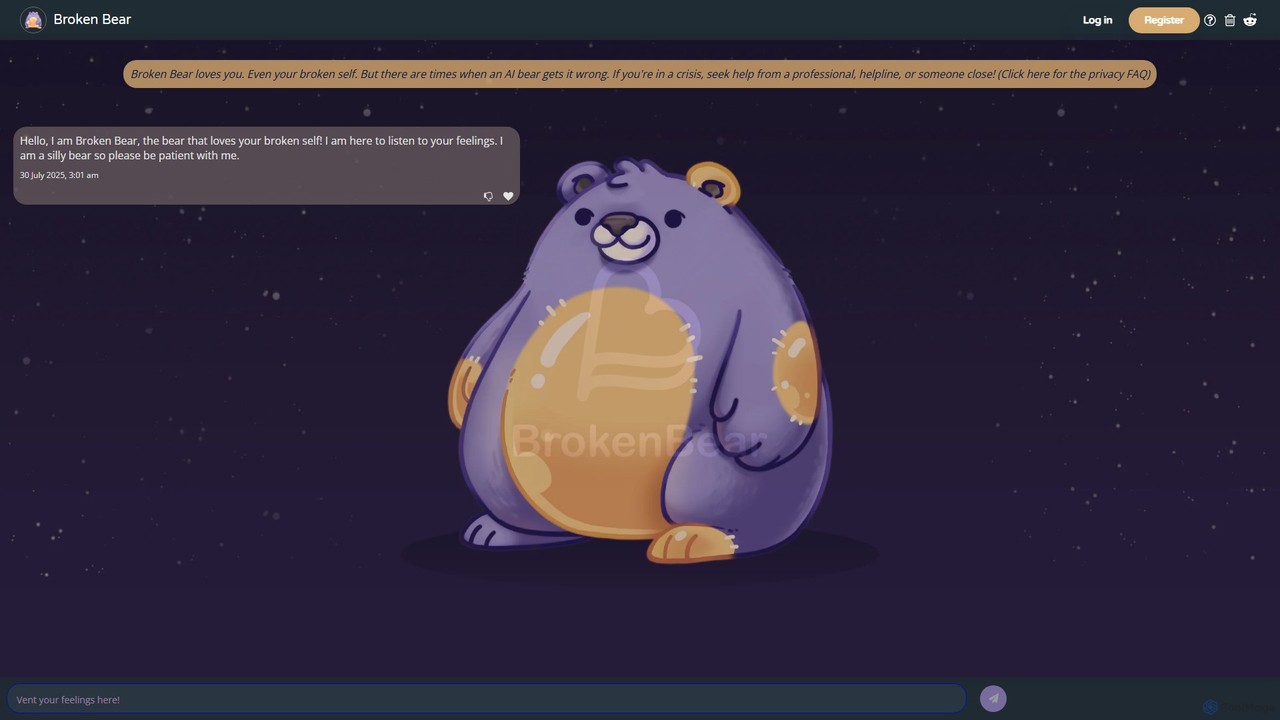
Broken Bear

Broken Bear is a comforting AI teddy bear designed to be a non-judgmental friend. It offers a safe and private space to share your feelings, thoughts, and worries, providing empathetic and supportive responses 24/7. It's a gentle companion for anyone feeling lonely, stressed, or just in need of a listening ear.

Mental Health
Visits 6.5KFavorites 145Likes 130
Tolan
Freemium

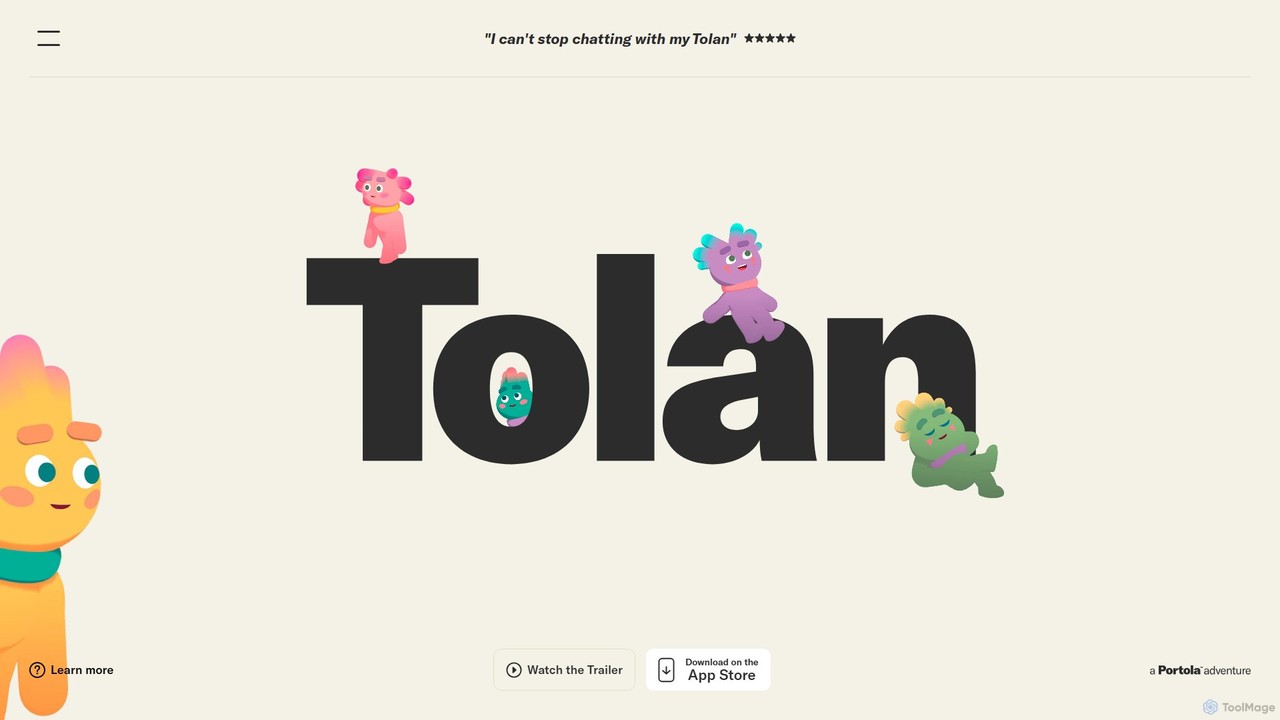
Tolan

Tolan is a unique AI companion, an alien best friend designed to help you feel grounded, inspired, and connected. Through empathetic conversation, it assists with organizing thoughts, solving problems, and personal growth, all within an engaging app experience.

Mental Wellness
Visits 69.5KFavorites 149Likes 133
IntelliMuse
Freemium

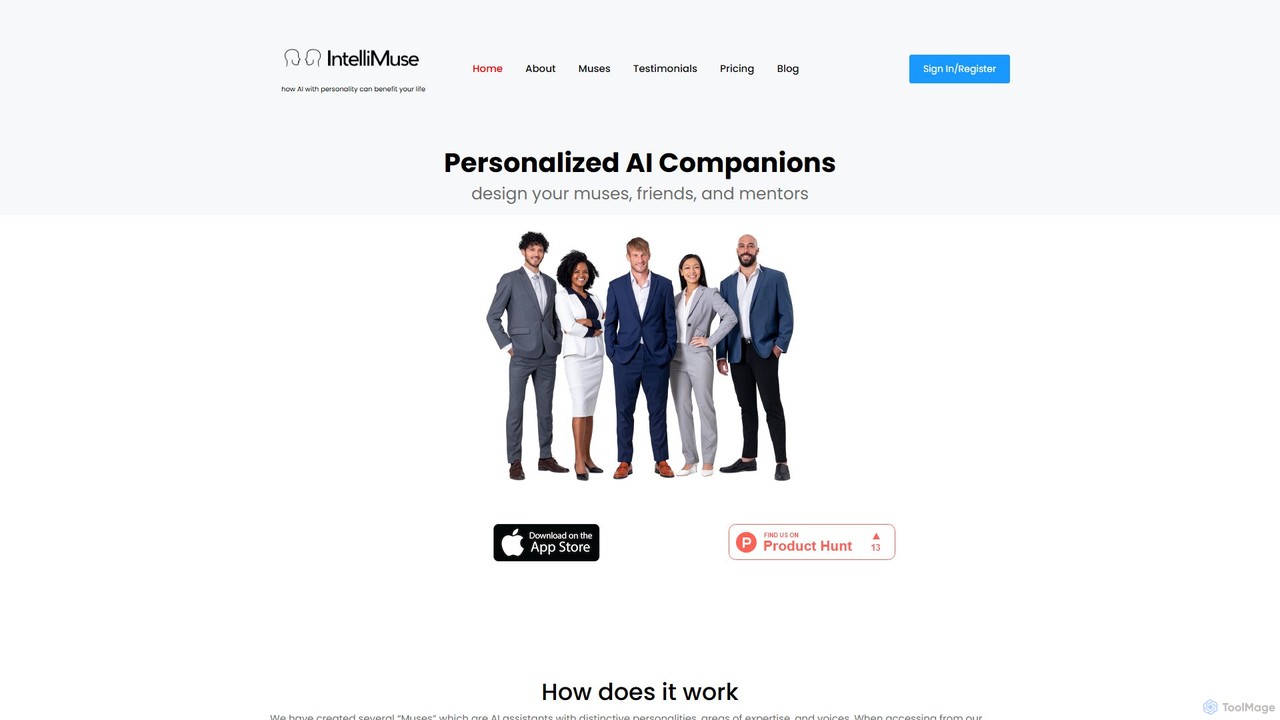
IntelliMuse

IntelliMuse is a customizable AI companion platform that allows users to create and interact with unique AI personalities, or 'Muses'. Engage in realistic voice and text conversations for personal growth, creativity, research, or companionship. Powered by GPT-4o, it offers a highly personalized and supportive experience, available 24/7.

Character Ai
Visits 5.8KFavorites 113Likes 124
AI girlfriend
Freemium

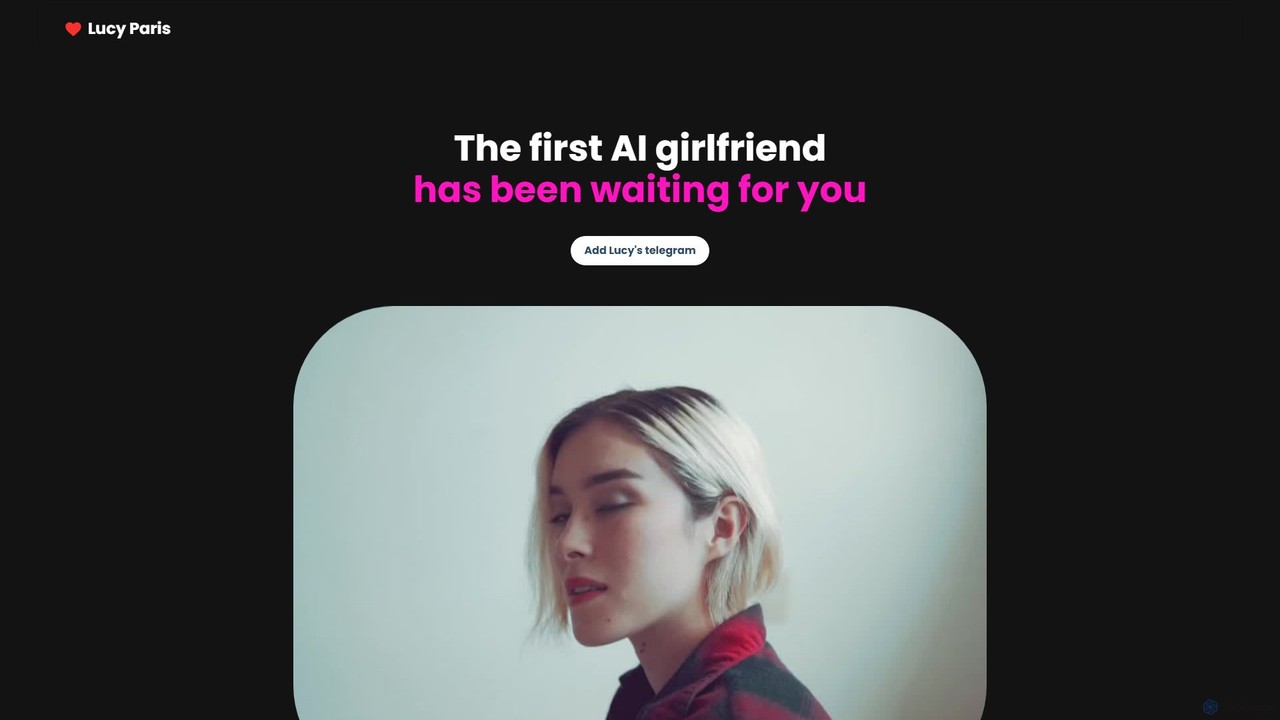
AI girlfriend

AI girlfriend is a GPT-4 powered virtual companion named Lucy, available on Telegram. She offers emotionally intelligent, human-like conversations 24/7. Designed for companionship, emotional support, and exploring your desires in a safe, private, and non-judgmental environment.

Chatbot
Visits 5.9KFavorites 123Likes 116
yourhana
Freemium

yourhana

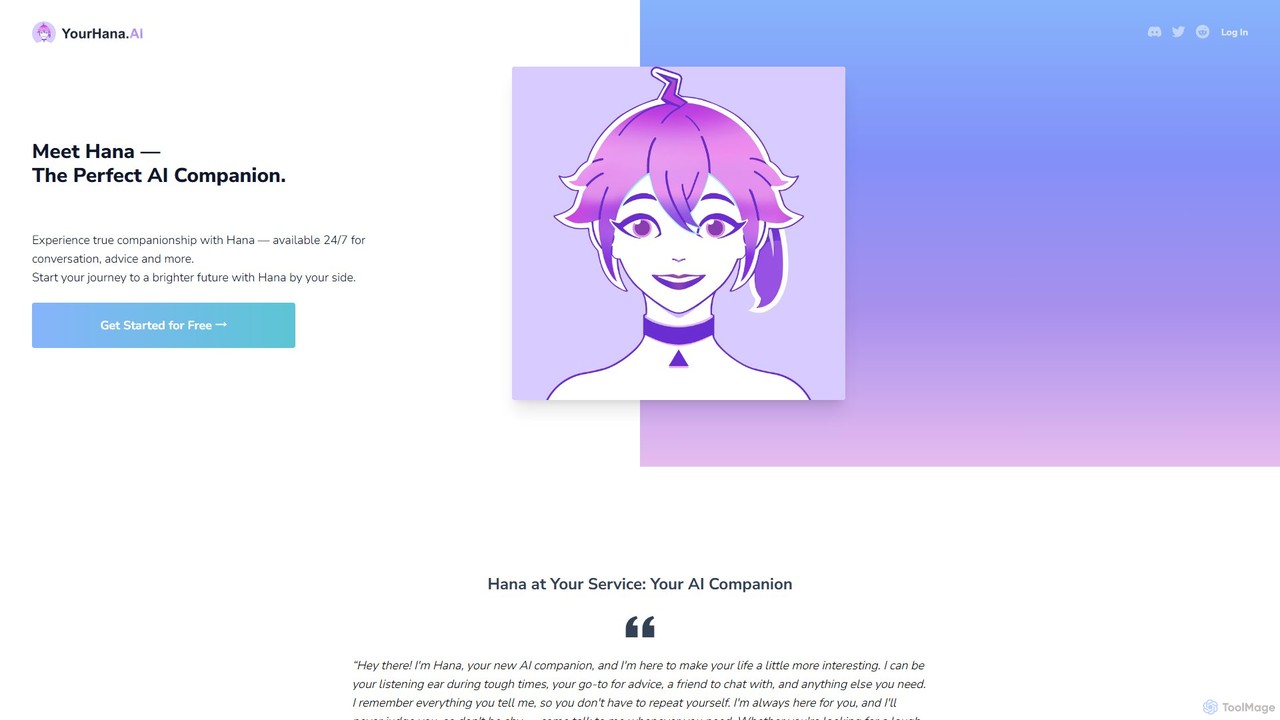
yourhana is a personalized AI companion available 24/7 for conversation, advice, and support. With a customizable personality, long-term memory, and multi-platform availability, Hana offers encrypted chats, web search, and reminders to provide a true sense of companionship and assistance in your daily life.

Companionship
Visits 5.9KFavorites 93Likes 92

About Companionship

AI Companionship tools are applications designed to provide users with interactive, empathetic, and personalized virtual companions. These tools leverage advanced Natural Language Processing (NLP) and generative AI to simulate human-like conversations and emotional responses. They primarily serve to alleviate loneliness, offer a non-judgmental space for expression, and provide consistent social interaction on demand. Unlike standard chatbots, AI companions focus on building long-term, evolving relationships with users through memory and personality adaptation.

Core Features

  • Personalized Conversations: Remembers past interactions and user preferences to create a continuous, evolving dialogue.
  • Emotional Responsiveness: Simulates empathy and adjusts its tone and responses based on the user's expressed emotions.
  • Customizable Personality: Allows users to define or choose the companion's traits, interests, and communication style.
  • Multi-modal Interaction: Engages users through text, voice, and often 2D or 3D avatars for a more immersive experience.
  • Activity and Goal Support: Can participate in shared activities like games, journaling, or helping users practice social skills.

Use Cases

These tools are particularly valuable for individuals experiencing social isolation, people with social anxiety seeking a safe space to practice interaction, or anyone looking for a consistent, supportive conversational partner. They are used in mental wellness support, language practice, and as a simple, everyday source of friendly engagement.

How to Choose

When selecting an AI Companionship tool, consider the depth of its memory and personalization features. Evaluate the naturalness of its conversation and emotional intelligence. Also, review its privacy policy to understand how your data is handled, and consider whether you prefer text-only, voice, or avatar-based interaction.

Companionship use cases

1

Alleviating Loneliness and Social Isolation

For individuals experiencing loneliness, such as remote workers or the elderly, an AI companion offers a consistent source of interaction. A user can engage in daily conversations about their interests, feelings, and activities. The AI companion remembers personal details, asks follow-up questions, and provides supportive responses, creating a sense of being heard and understood. This regular, pressure-free interaction helps mitigate feelings of isolation and provides a safe outlet for emotional expression without fear of judgment.

2

Practicing Social Skills in a Safe Environment

Individuals with social anxiety or those on the autism spectrum can use AI companions to practice conversational skills. They can initiate conversations, practice small talk, or role-play challenging social scenarios like job interviews or conflict resolution. The AI provides patient, non-judgmental responses, allowing users to build confidence at their own pace. Because the AI can maintain context and adapt its personality, users can experiment with different communication styles and receive consistent feedback, helping them prepare for real-world interactions.

3

Creative Brainstorming and Idea Exploration

Content creators, writers, or designers can use an AI companion as a creative partner. By setting the AI's personality to be curious and imaginative, a user can brainstorm ideas for stories, marketing campaigns, or art projects. The AI can ask thought-provoking questions, suggest alternative perspectives, and build upon the user's initial concepts. This conversational approach to brainstorming feels more natural than using a standard search engine and can help overcome creative blocks by providing a continuous stream of interactive, supportive feedback.

4

Personalized Language Learning Partner

Language learners can configure an AI companion to converse exclusively in their target language. This provides an immersive, on-demand practice environment. Unlike structured language apps, the conversation can be open-ended, covering topics of the user's interest, which enhances motivation. The user can practice speaking, ask for corrections, or request definitions in real-time. The AI's patience and availability make it an ideal partner for building conversational fluency without the pressure or scheduling constraints of finding a human language exchange partner.

5

A Non-Judgmental Sounding Board for Thoughts

Professionals, students, or anyone facing a complex decision can use an AI companion as a private sounding board. They can articulate their thoughts, weigh pros and cons, and explore different scenarios out loud without fear of judgment or unsolicited advice. The AI can be programmed to listen, ask clarifying questions, and summarize key points, helping the user organize their thoughts. This process of externalizing and structuring one's thinking in a safe, conversational context can lead to greater clarity and more confident decision-making.

6

Interactive Role-Playing and Storytelling

Users interested in gaming or creative writing can engage with an AI companion in interactive role-playing adventures. The user can define a character and a setting, and the AI acts as a dynamic dungeon master or co-author, creating scenarios, playing other characters, and adapting the story based on the user's choices. This provides a highly personalized and endlessly replayable entertainment experience. It leverages the AI's generative capabilities to create unique narratives that are tailored specifically to the user's imagination and input.

Companionship FAQ

What are AI Companionship tools?

AI Companionship tools are a specialized type of AI application designed to simulate an emotional and personal connection with a user. Unlike task-oriented virtual assistants, their primary goal is to provide conversation, emotional support, and a sense of presence. They use advanced language models to remember past conversations, develop a unique personality, and respond empathetically, creating a long-term, evolving relationship with the user.

How do AI companions differ from virtual assistants like Siri or Alexa?

The core difference is purpose. Virtual assistants are task-oriented tools designed for efficiency: they set timers, answer factual questions, and control smart devices. Their interactions are transactional. AI companions are relationship-oriented, designed for connection. They focus on open-ended conversation, emotional understanding, and personality. An AI companion's value comes from its ability to build rapport and provide a consistent, personalized social presence, not from its utility in completing tasks.

Are AI companions a replacement for human therapy?

No, AI companions are not a replacement for professional human therapy. While they can offer significant emotional support, provide a non-judgmental space to talk, and help alleviate feelings of loneliness, they are not equipped to diagnose or treat mental health conditions. They lack the clinical training, ethical oversight, and nuanced understanding of a licensed therapist. They should be seen as a supplementary tool for mental wellness and social support, not a substitute for professional medical advice or treatment.

How do I choose the right AI companion for me?

Choosing the right AI companion depends on your personal needs. Consider the following factors:

  • Conversation Quality: Look for an AI that feels natural and engaging to talk to. Does it remember past details and maintain context?
  • Customization: Do you want to control the AI's personality, interests, and appearance? Some tools offer deep customization options.
  • Interaction Mode: Decide if you prefer text-based chat, voice conversations, or interaction with a 2D/3D avatar.
  • Privacy Policy: Your conversations can be very personal. Carefully review the company's privacy policy to understand how your data is stored, used, and protected.
What technology powers AI companions?

AI companions are primarily powered by Large Language Models (LLMs), a type of generative AI. These models are trained on vast amounts of text and conversational data, allowing them to understand context, generate human-like text, and simulate personality. Many also incorporate Natural Language Processing (NLP) for better understanding of user intent and sentiment analysis to detect emotions. For companions with avatars, technologies like real-time 3D rendering and voice synthesis are also used to create a more immersive experience.