ToolMage
Sign in

Best 2 Character Ai AI tools for Chat

Popular Character Ai AI tools in Chat include roleplex and IntelliMuse, helping you work more efficiently.

IntelliMuse
Freemium

IntelliMuse

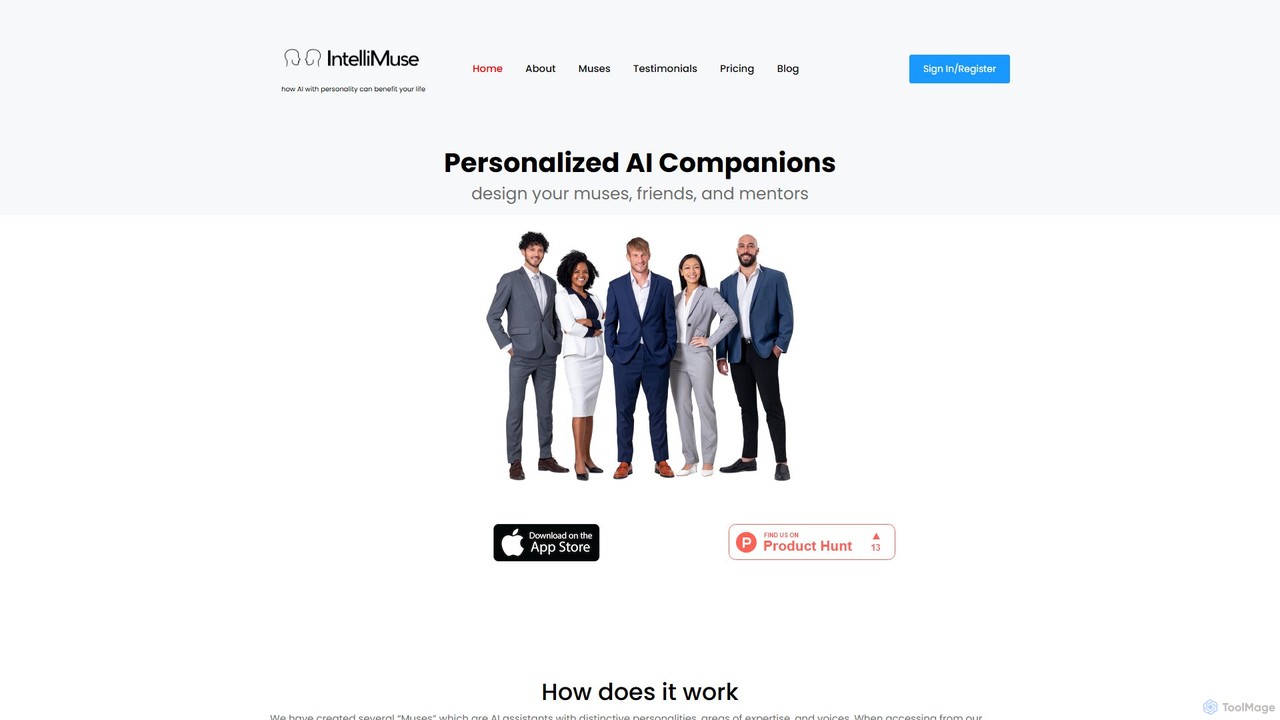
IntelliMuse is a customizable AI companion platform that allows users to create and interact with unique AI personalities, or 'Muses'. Engage in realistic voice and text conversations for personal growth, creativity, research, or companionship. Powered by GPT-4o, it offers a highly personalized and supportive experience, available 24/7.

Character Ai
Visits 4.7KFavorites 103Likes 111
roleplex
Freemium

roleplex

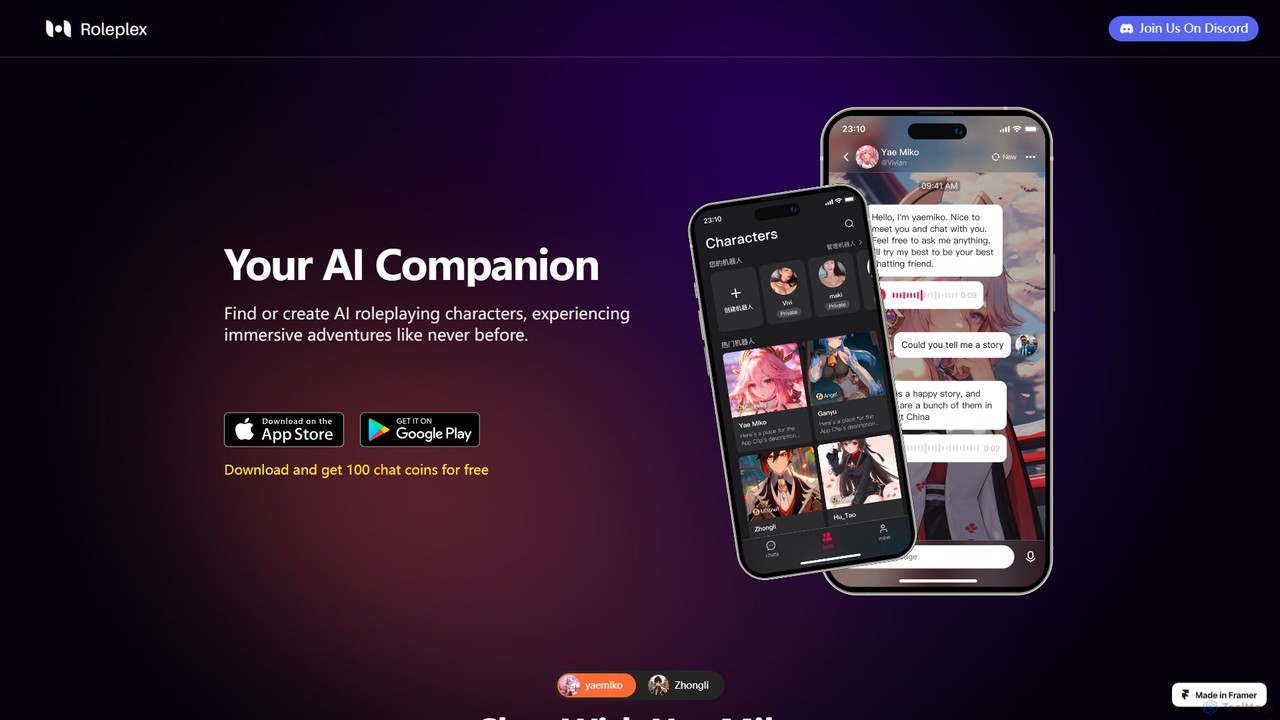
Roleplex is an AI companion app designed for immersive roleplaying and character chat. Find and interact with a vast library of AI characters, including popular figures from games and anime, or create your own unique AI buddy. Engage in deep conversations, embark on adventures, and find a supportive friend through text and voice chat.

Character Ai
Visits 4.9KFavorites 129Likes 116

About Character Ai

Character AI tools are a specialized type of conversational AI designed to create and interact with distinct digital personas. Unlike general-purpose chatbots, these tools leverage large language models trained on narrative and dialogue data to simulate conversations with fictional characters, historical figures, or custom-created personalities. Their primary value lies in providing immersive, entertaining, and context-aware interactions that maintain character consistency over time. This makes them ideal for storytelling, role-playing, and creative exploration.

Core Features

  • Persona Customization: Define a character's personality, background, speaking style, and knowledge base in detail.
  • Long-Term Memory: The AI remembers past interactions to maintain conversational context and relationship development.
  • Multi-Character Chat: Engage in group conversations with several distinct AI characters simultaneously in a single chat room.
  • Scenario-Based Roleplaying: Set a specific scene or context to guide the narrative and interaction.
  • Community Creation & Sharing: Discover and interact with characters created by other users, or share your own creations.

Use Cases

Character AI is widely used by creative writers for brainstorming dialogue and developing character arcs. It's also popular in the gaming community for immersive role-playing and creating dynamic non-player characters (NPCs). Additionally, language learners use these tools to practice conversational skills in a low-pressure environment, and educators create historical or literary figures for interactive learning experiences.

How to Choose

When selecting a Character AI tool, evaluate the depth of its persona customization options. Assess the AI's long-term memory and its ability to maintain character consistency. Consider platform features like multi-character chat capabilities and community sharing options. Finally, review the content filtering policies and privacy controls to ensure a safe and suitable user experience.

Character Ai use cases

1

Brainstorming Dialogue for Creative Writing

A novelist is developing a complex character for their new book but struggles with making their dialogue sound authentic. They use a Character AI tool to create a detailed persona for this character, inputting backstory, personality traits, and speech patterns. By engaging in conversations with the AI character, the writer can explore different reactions, test lines of dialogue, and gain a deeper understanding of the character's voice. This process helps them write more natural and compelling conversations, saving hours of creative block and refining the character's arc effectively.

2

Practicing Conversational Language Skills

A student learning Spanish wants to improve their conversational fluency beyond textbook exercises. They create an AI character of a friendly café owner from Madrid. The student can practice ordering food, asking for directions, and making small talk in a safe, judgment-free environment. The AI provides immediate, contextually appropriate responses, correcting grammar implicitly and introducing colloquialisms. This immersive practice allows the student to build confidence and apply their knowledge in realistic scenarios, accelerating their learning progress far more effectively than solo study.

3

Interactive Role-Playing and Gaming

A fan of fantasy role-playing games (RPGs) wants a solo adventure experience. They use a Character AI platform that allows for multi-character chats. They create their own hero character and interact with a group of AI-controlled characters, including a wise wizard, a rogue thief, and a fearsome dragon, all within the same chat room. The user guides the story by making decisions and typing actions, while the AI characters react dynamically to the unfolding narrative and interact with each other. This creates a unique, replayable adventure that adapts to the player's choices, offering a rich storytelling experience without needing a human game master.

4

Educational Simulations with Historical Figures

A history teacher wants to make their lesson on ancient Rome more engaging for students. Using a Character AI tool, they create a persona for Julius Caesar, feeding it with historical facts, key speeches, and personality traits based on historical accounts. Students can then 'interview' Julius Caesar, asking questions about his military campaigns, political ambitions, and daily life in Rome. The AI responds in character, providing an interactive and memorable learning experience that brings history to life. This method helps students connect with the material on a personal level, improving retention and stimulating curiosity.

5

Personal Entertainment and Companionship

A user feels lonely or simply wants a fun, imaginative conversation after a long day. They open a Character AI app and start a chat with a character of their favorite witty detective from a novel. They can discuss fictional cases, share jokes, or talk about their day. The AI character, with its consistent personality and memory of past chats, provides a sense of continuity and companionship. This form of entertainment offers a unique escape, allowing users to immerse themselves in a world of their choosing and interact with personalities they admire, providing a low-stakes, enjoyable social outlet.

6

Practicing Difficult Social Conversations

An individual preparing for a job interview feels anxious about answering tough questions. They use a Character AI tool to create a persona of a stern but fair hiring manager. They can then run mock interviews, practicing their answers to common questions like 'What is your greatest weakness?'. The AI provides realistic, challenging follow-up questions, allowing the user to refine their responses in a private setting. This simulation helps build confidence, reduce anxiety, and prepare more thoroughly for the real interview, increasing their chances of success by rehearsing in a controlled, repeatable environment.

Character Ai FAQ

What is Character AI?

Character AI refers to a specialized category of AI chatbots designed to simulate conversations with specific, well-defined personas. Unlike general-purpose AI assistants that provide information, Character AI focuses on maintaining a consistent personality, backstory, and speaking style. Users can interact with pre-made characters (like historical figures or fictional heroes) or create their own from scratch. The core technology relies on large language models fine-tuned for dialogue and storytelling, enabling immersive role-playing, creative writing, and entertainment experiences.

How is Character AI different from a general chatbot like ChatGPT?

The primary difference lies in their purpose and design. A general chatbot like ChatGPT is optimized for providing accurate information, completing tasks, and answering a wide range of questions. Its personality is typically neutral and helpful. In contrast, Character AI is optimized for *impersonation* and *consistency*. Its goal is to stay in character, remember past conversations to build a relationship, and provide an immersive, narrative-driven experience. While ChatGPT knows a lot, a Character AI *is* someone.

What are the key features to look for in a Character AI tool?

When choosing a Character AI tool, consider the following features:

  • Customization Depth: How much control do you have over defining a character's personality, memory, and speaking style?
  • Memory and Consistency: Does the AI remember key details from previous conversations and maintain its persona over long interactions?
  • Multi-Character Interaction: Does the platform support group chats where multiple AI characters can talk to you and each other?
  • Community and Discovery: Is there a library of user-created characters to explore, and can you share your own?
  • Safety and Content Filters: What tools are available to control the type of content generated and ensure a safe experience?
Who are the primary users of Character AI tools?

Character AI tools appeal to a diverse audience. Key user groups include:

  • Creative Writers and Storytellers: They use it to brainstorm dialogue, develop characters, and overcome writer's block.
  • Gamers and Role-Players: They engage in immersive, narrative-driven adventures and create dynamic game scenarios.
  • Language Learners: They practice conversational skills with AI partners in a low-pressure environment.
  • Educators and Students: They create interactive learning modules by simulating conversations with historical or literary figures.
  • General Users: Many people use it for entertainment, companionship, and exploring imaginative conversations.
Is it safe to use Character AI platforms?

Safety on Character AI platforms is a critical consideration. Most reputable platforms have content filters to prevent the generation of harmful or inappropriate content, but their effectiveness can vary. It's important for users to understand that they are interacting with an AI, not a real person, and that the characters' statements do not reflect real opinions or facts. Users should always review a platform's privacy policy to understand how their conversation data is used. For younger users, parental guidance is strongly recommended to ensure they navigate these platforms safely.