ToolMage
Sign in

Best 4 Chatbot AI tools for Chat

Popular Chatbot AI tools in Chat include Creatorboost, aichat1234, Skelet AI, and AskRudy, helping you work more efficiently.

Skelet AI
Freemium

Skelet AI

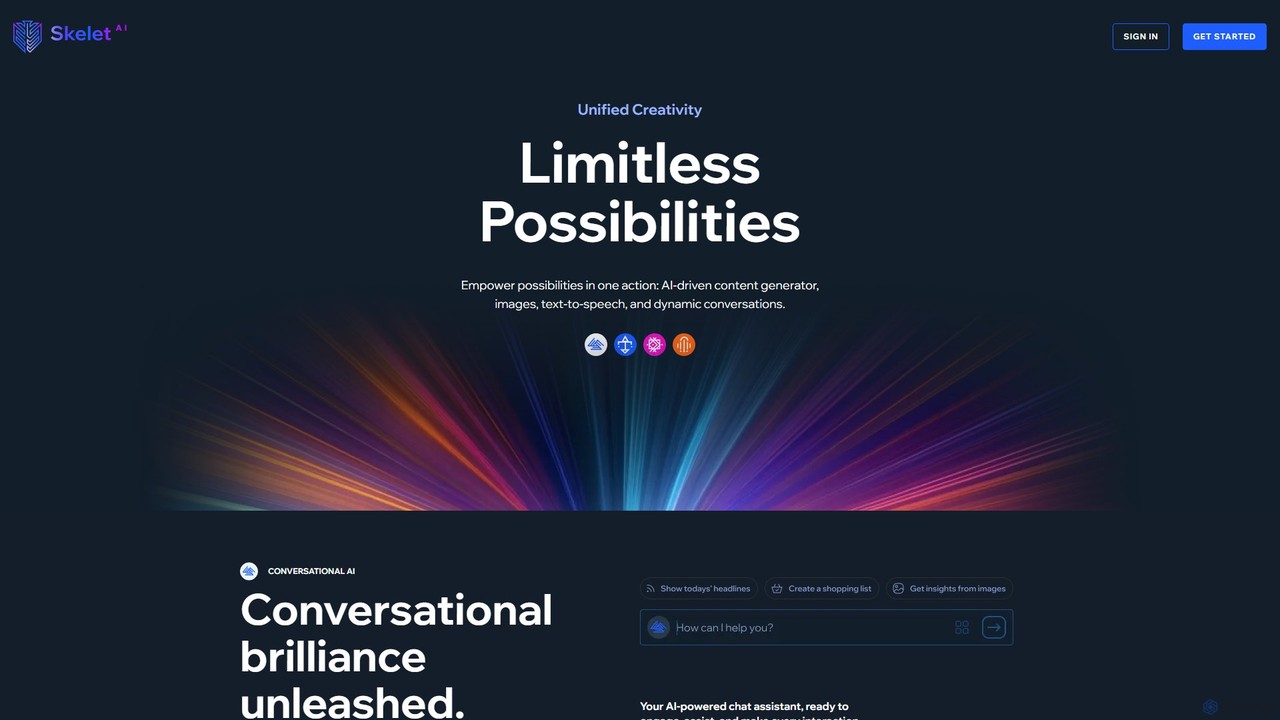
Skelet AI is a unified, all-in-one creative platform powered by artificial intelligence. It seamlessly integrates a content generator, image creator, text-to-speech engine, and a conversational AI chatbot. Designed to streamline creative workflows, Skelet AI empowers users to produce diverse, high-quality digital assets from a single, intuitive interface, supporting over 80 languages for text-based tasks.

Text To Speech
Visits 3.6KFavorites 110Likes 123
aichat1234
Freemium

aichat1234

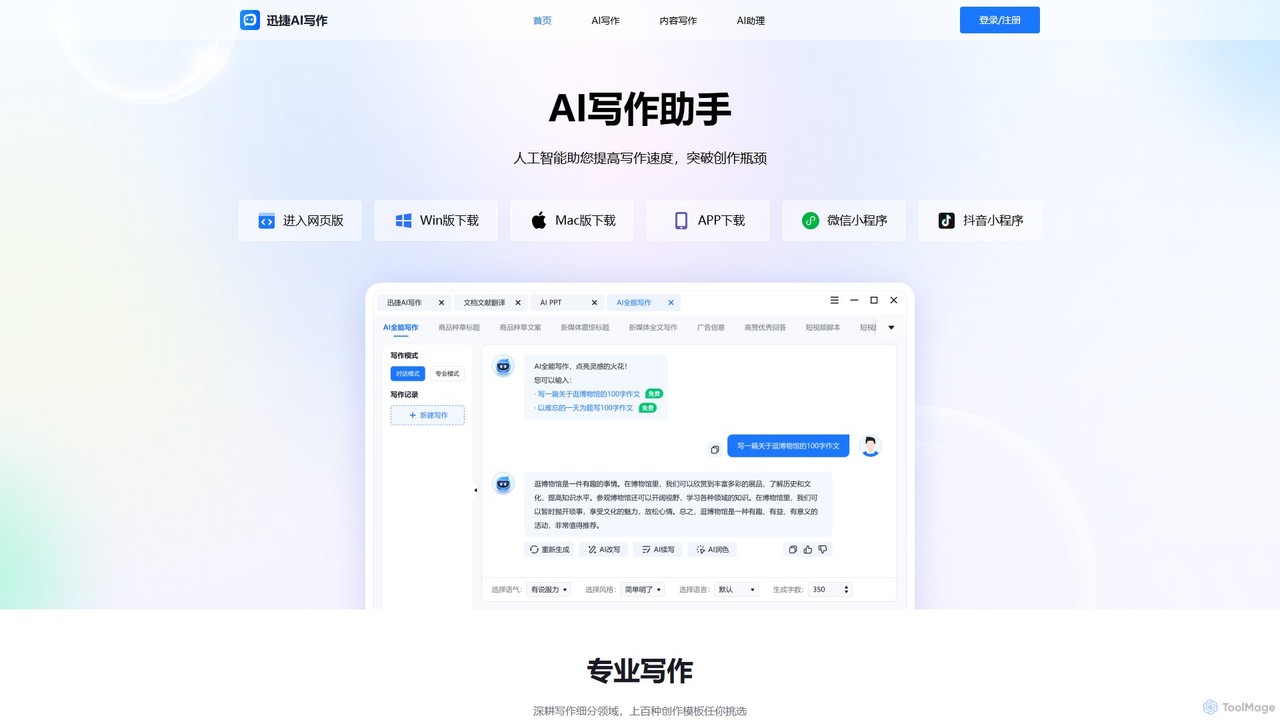
aichat1234 is a versatile AI-powered writing and chat assistant designed to enhance productivity and creativity. It offers hundreds of specialized writing templates for various needs, from academic papers and novels to social media content and business reports. Its conversational AI can act as a personal assistant, translator, or expert consultant, providing instant answers and solutions across multiple platforms.

Chatbot
Visits 3.9KFavorites 102Likes 116
AskRudy
Paid

AskRudy

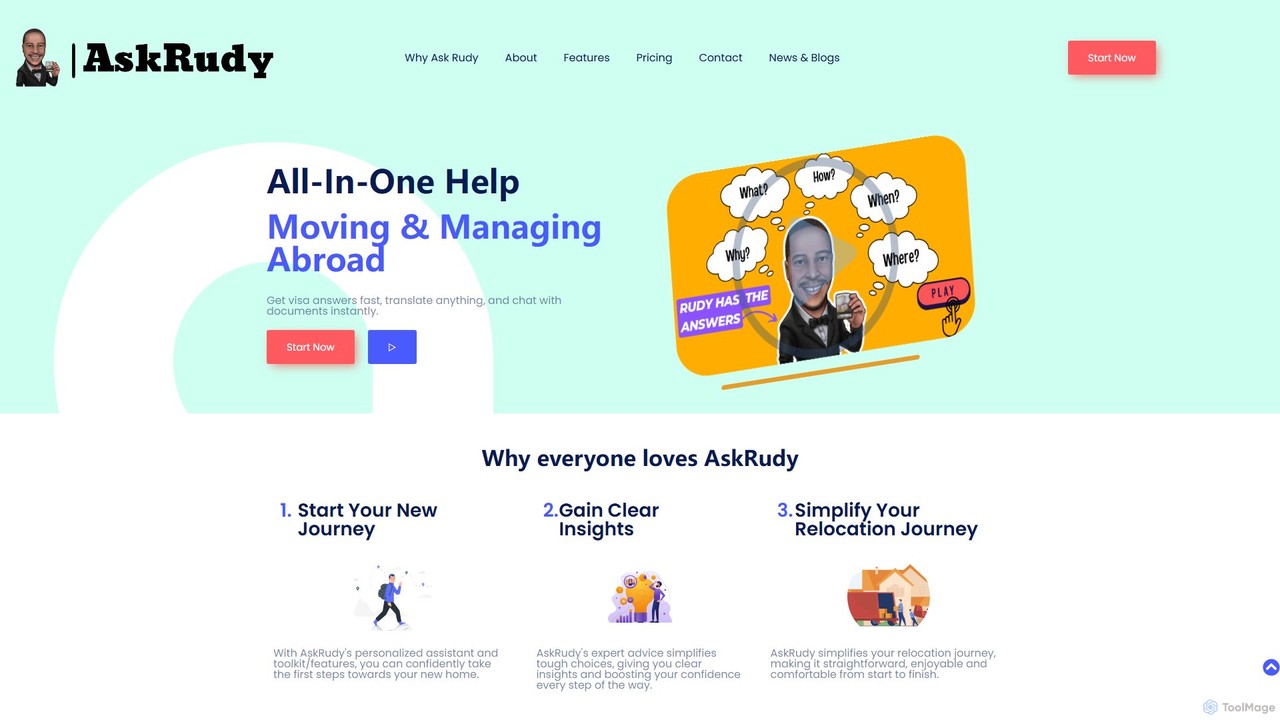
AskRudy is an all-in-one AI assistant for expats, digital nomads, and travelers. It helps you move and manage life abroad by instantly translating documents, providing clear answers on visas and legalities, and allowing you to chat with your files. Simplify your international journey and make informed decisions with confidence.

Chatbot
Visits 3.4KFavorites 111Likes 117
Creatorboost
Paid

Creatorboost

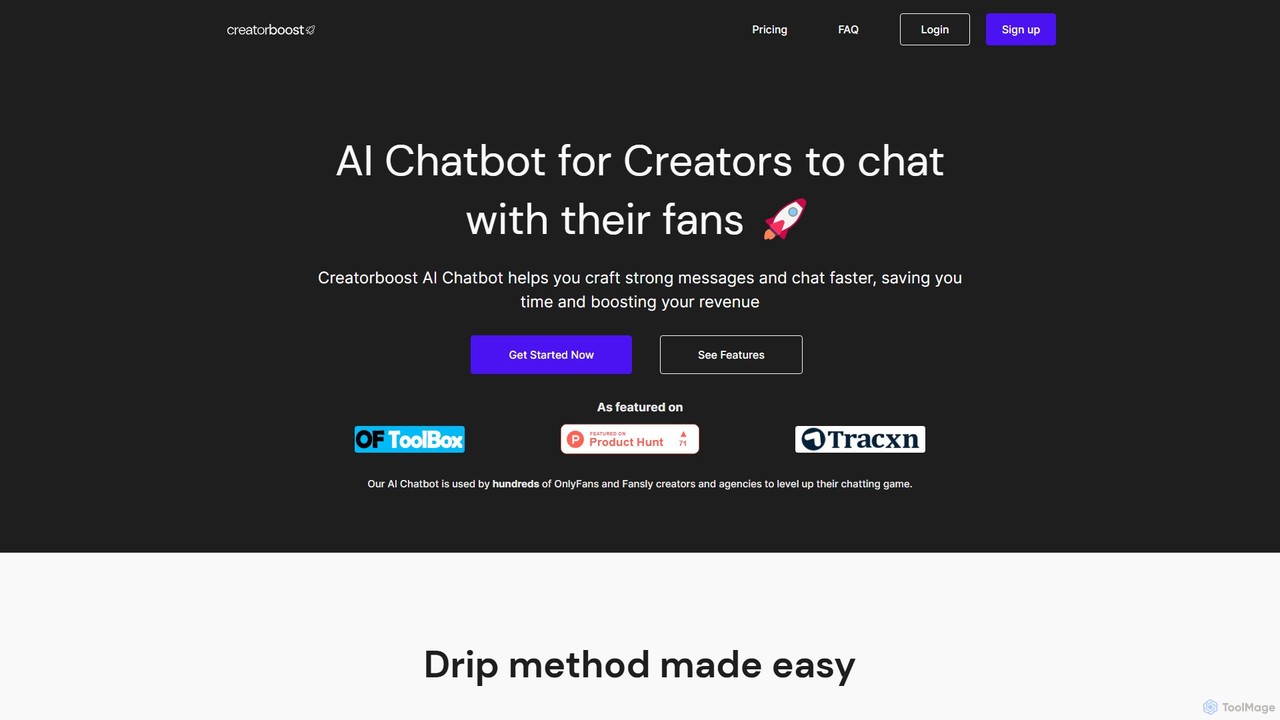
Creatorboost is an AI-powered chatbot and CRM designed for content creators on platforms like OnlyFans and Fansly. It automates fan engagement by mimicking your unique writing style, providing real-time chat suggestions, and managing fan relationships. Key features include a hyper-personalized chatbot, fan CRM, message templates, and platform-specific tools like inbox prioritization and vault labeling to help you save time, build genuine connections, and maximize your earnings.

Chatbot
Visits 5KFavorites 142Likes 143

About Chatbot

Chatbots are AI-powered conversational agents designed to simulate human-like interactions through text or voice. They leverage natural language processing (NLP) and machine learning to understand user queries, provide relevant information, and automate tasks. These tools enhance customer service, streamline operations, and offer 24/7 support across various digital platforms.

Core Features

  • Natural Language Understanding (NLU): Interprets user intent and extracts key information from diverse linguistic inputs.
  • Context Management: Maintains conversation flow and remembers previous interactions for more coherent responses.
  • Integration Capabilities: Connects with CRM, ERP, and other business systems to access and update data.
  • Multichannel Deployment: Operates across websites, messaging apps, social media, and voice assistants.
  • Personalization: Adapts responses and recommendations based on user history and preferences.

Use Cases

Chatbots are widely adopted in industries requiring scalable and efficient communication. They serve as virtual assistants for customer support, automating responses to frequently asked questions, guiding users through processes, and resolving common issues without human intervention. Businesses also deploy them for lead generation, marketing campaigns, and internal employee support, significantly reducing operational costs and improving response times.

How to Choose

Selecting an AI chatbot requires evaluating its NLP accuracy, integration ecosystem, and scalability. Consider the platform's ability to handle complex queries, its ease of customization for specific business needs, and the availability of analytics for performance monitoring. Pricing models, security features, and the level of technical support offered are also crucial factors for long-term success.

Featured tool rankings

Chatbot use cases

1

Automating Customer Service Inquiries

Customer service departments can deploy chatbots to handle a high volume of routine inquiries, such as checking order status, providing FAQs, or guiding users through troubleshooting steps. This allows human agents to focus on more complex issues, significantly reducing response times and improving overall customer satisfaction by offering instant, 24/7 support.

2

Generating Sales Leads on Websites

Marketing and sales teams utilize chatbots on company websites to engage visitors, qualify leads, and collect contact information. A chatbot can ask targeted questions, understand user needs, and direct qualified prospects to sales representatives or provide relevant product information, effectively nurturing leads and increasing conversion rates.

3

Providing 24/7 Information Access

Educational institutions, government agencies, and large organizations use chatbots to provide instant access to information around the clock. Students can inquire about course schedules, citizens can get details on public services, and employees can find HR policies, all without waiting for business hours, significantly improving accessibility and user experience.

4

Streamlining Internal HR Support

HR departments leverage chatbots to automate responses to common employee questions regarding payroll, benefits, leave policies, and company procedures. This reduces the workload on HR staff, provides employees with immediate answers, and ensures consistent information delivery, leading to higher employee satisfaction and operational efficiency within the organization.

5

Personalized Product Recommendations

E-commerce businesses deploy chatbots to offer personalized product recommendations to shoppers based on their browsing history, preferences, and real-time queries. By understanding user intent and suggesting relevant items, chatbots enhance the shopping experience, increase engagement, and drive higher sales conversions by guiding customers towards suitable purchases.

6

Facilitating Onboarding and Training

Organizations use chatbots to assist new employees or users with onboarding processes and training modules. A chatbot can answer questions about company culture, guide through initial setup steps, or provide access to training materials, making the onboarding experience smoother and more efficient, reducing the burden on human trainers and support staff.

Chatbot FAQ

What are AI Chatbots?

AI Chatbots are computer programs designed to simulate human conversation through text or voice interfaces. They utilize artificial intelligence, specifically natural language processing (NLP) and machine learning, to understand user intent, process information, and provide relevant, human-like responses. Their primary goal is to automate communication, offer instant support, and streamline interactions across various digital channels.

How do AI Chatbots differ from traditional rule-based chatbots?

AI Chatbots are powered by machine learning and natural language processing, allowing them to understand context, learn from interactions, and handle complex, varied queries. In contrast, traditional rule-based chatbots operate on predefined scripts and keywords, only responding to exact matches. AI chatbots offer greater flexibility, adaptability, and a more natural conversational experience, making them suitable for dynamic and complex customer interactions.

What are the key benefits of implementing a Chatbot?

Implementing a chatbot offers several key benefits: 24/7 availability for instant support, significantly improving customer satisfaction; reduced operational costs by automating routine tasks and inquiries; improved efficiency by freeing up human agents for complex issues; enhanced lead generation through proactive engagement; and consistent information delivery, ensuring all users receive accurate and standardized responses. They also provide valuable data for business insights.

What should I consider when choosing an AI Chatbot platform?

When selecting an AI chatbot platform, consider its Natural Language Processing (NLP) capabilities for accurate understanding of user intent. Evaluate its integration options with your existing CRM, helpdesk, or e-commerce systems. Look for scalability to handle growing user volumes and customization features to tailor the chatbot's personality and responses. Finally, assess the platform's analytics and reporting tools to monitor performance and identify areas for improvement.

Can Chatbots integrate with existing business systems?

Yes, most modern AI chatbot platforms are designed with robust integration capabilities. They can connect with a wide range of existing business systems, including Customer Relationship Management (CRM) software like Salesforce, Enterprise Resource Planning (ERP) systems, helpdesk platforms, and e-commerce solutions. These integrations allow chatbots to access and update customer data, process orders, or retrieve specific information, providing a seamless and efficient user experience.