ToolMage
Sign in

Best 7 Events AI tools for Lifestyle

Popular Events AI tools in Lifestyle include ToastWiz, coolcostumeideas, Heartstring.ai, yoohoo.cards, Nijimap, ToastwithAI, and ClickSpeech, helping you work more efficiently.

Heartstring.ai
Freemium

Heartstring.ai

Heartstring.ai was an AI-powered writing assistant designed to help users craft heartfelt, personal messages for major life events. It specialized in generating speeches, vows, eulogies, and proposals. Please note: This service is no longer available.

Events
Visits 6.3KFavorites 174Likes 154
ClickSpeech
Paid

ClickSpeech

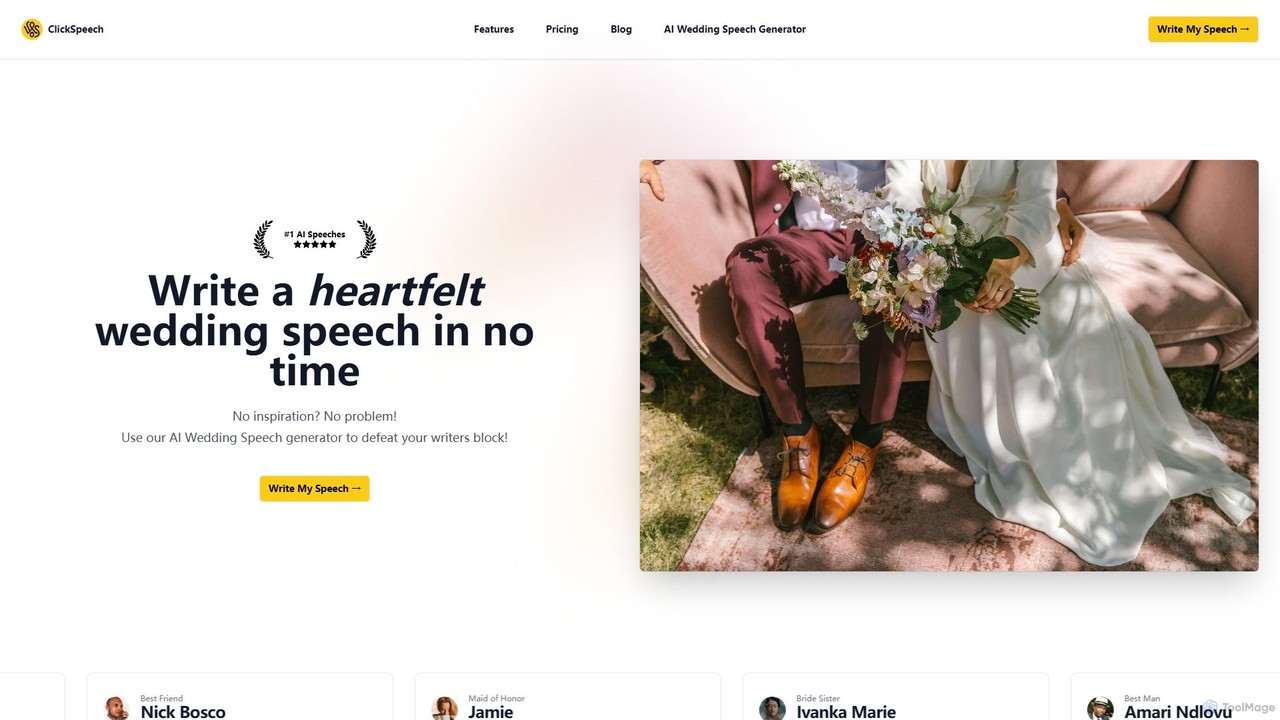
ClickSpeech is an AI-powered wedding speech generator designed to help users create heartfelt, humorous, and personalized speeches in minutes. It eliminates writer's block by guiding users through a series of questions about their relationship with the couple and the desired tone, instantly producing a polished, ready-to-deliver speech for any wedding role.

Events
Visits 5.6KFavorites 134Likes 119
yoohoo.cards
Freemium

yoohoo.cards

yoohoo.cards is an AI-powered platform for creating unique and personalized greeting cards. Effortlessly generate custom messages, stunning images, and beautiful designs for any occasion. Perfect for birthdays, holidays, and special moments, it transforms your ideas into heartfelt, one-of-a-kind cards in seconds.

Image Generation
Visits 6.3KFavorites 120Likes 118
ToastWiz
Paid

ToastWiz

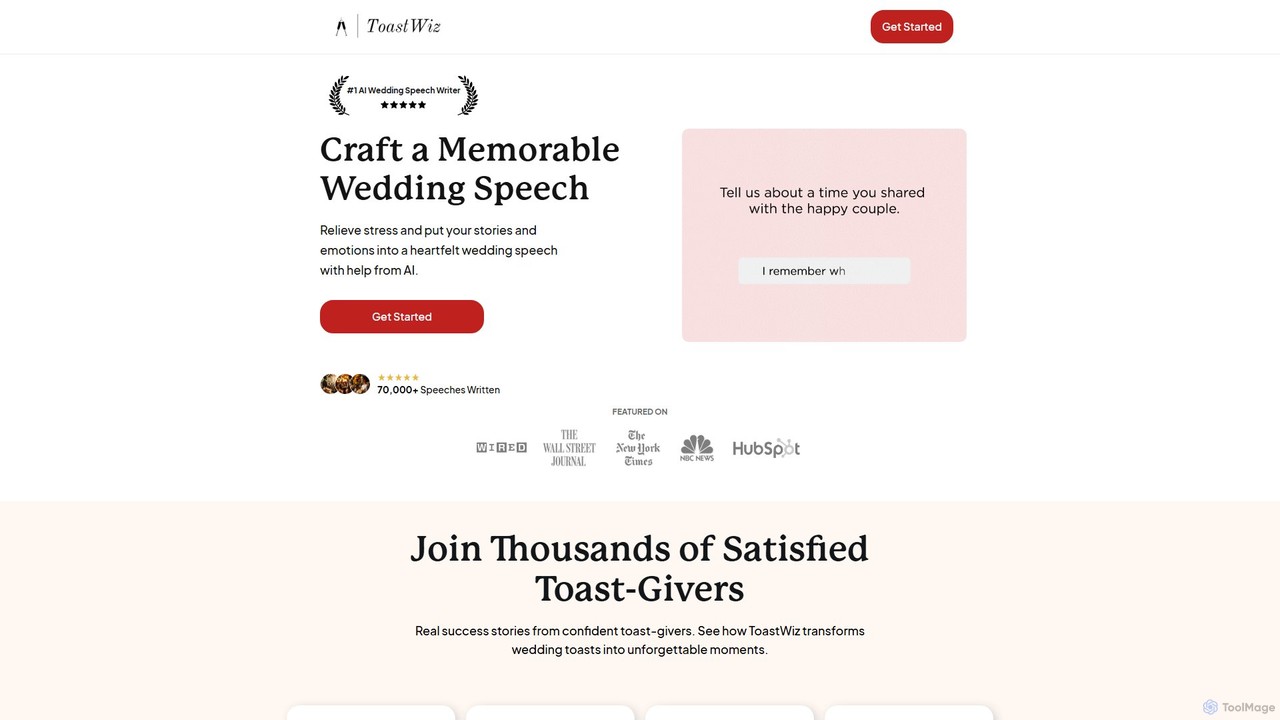
ToastWiz is an AI-powered speechwriting tool designed specifically for weddings. It helps users overcome writer's block by transforming personal memories and ideas into polished, heartfelt toasts. In minutes, it generates four unique speech drafts for best men, maids of honor, parents, and more, ensuring a memorable and authentic delivery.

Speech Writing
Visits 13.6KFavorites 119Likes 110
Nijimap
Free

Nijimap

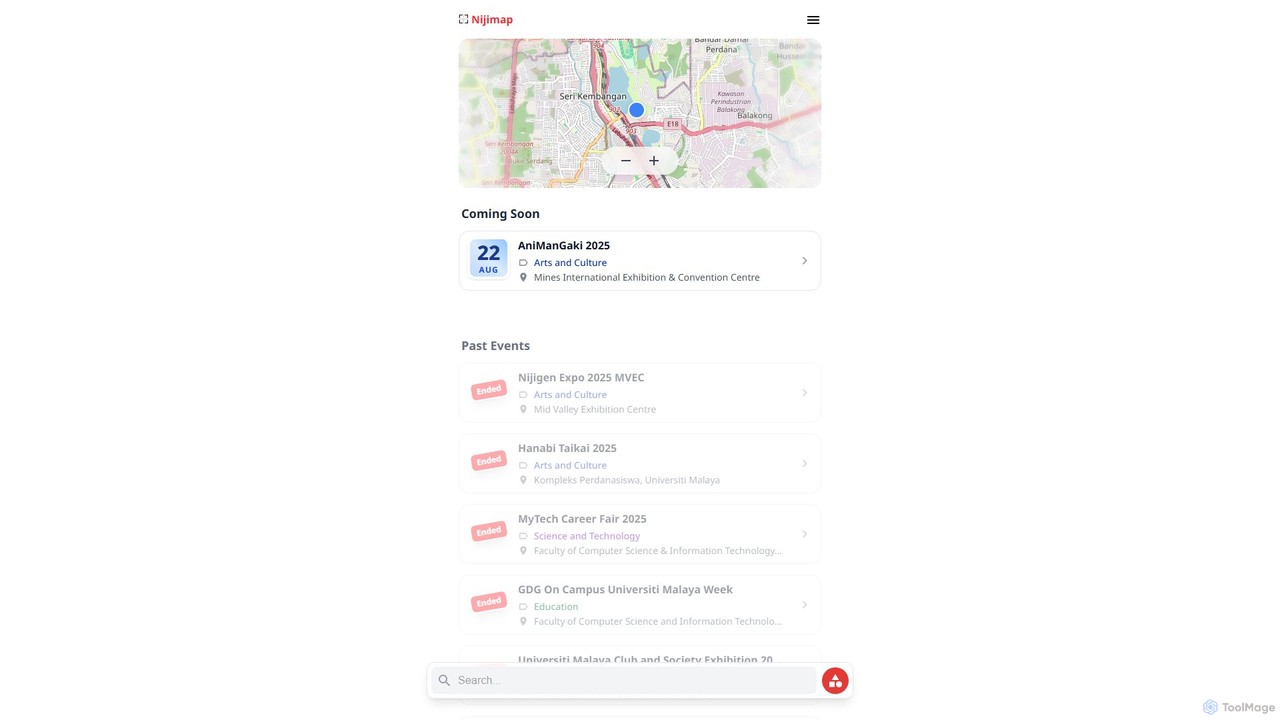
Nijimap is an AI-powered event discovery and navigation platform for Malaysia, specializing in Anime, Comics, and Games (ACG) conventions, cultural festivals, and tech fairs. It enhances the event-goer's experience with real-time, community-driven data on crowd levels, parking, and interactive venue maps.

Social Networking
Visits 5.8KFavorites 139Likes 130
coolcostumeideas
Freemium

coolcostumeideas

An AI-powered platform that generates unique and creative costume ideas for any occasion. Simply describe your theme or keywords, and the AI will provide visual concepts, DIY instructions, and shopping links to bring your perfect costume to life.

Fashion
Visits 6.3KFavorites 118Likes 123
ToastwithAI
Paid

ToastwithAI

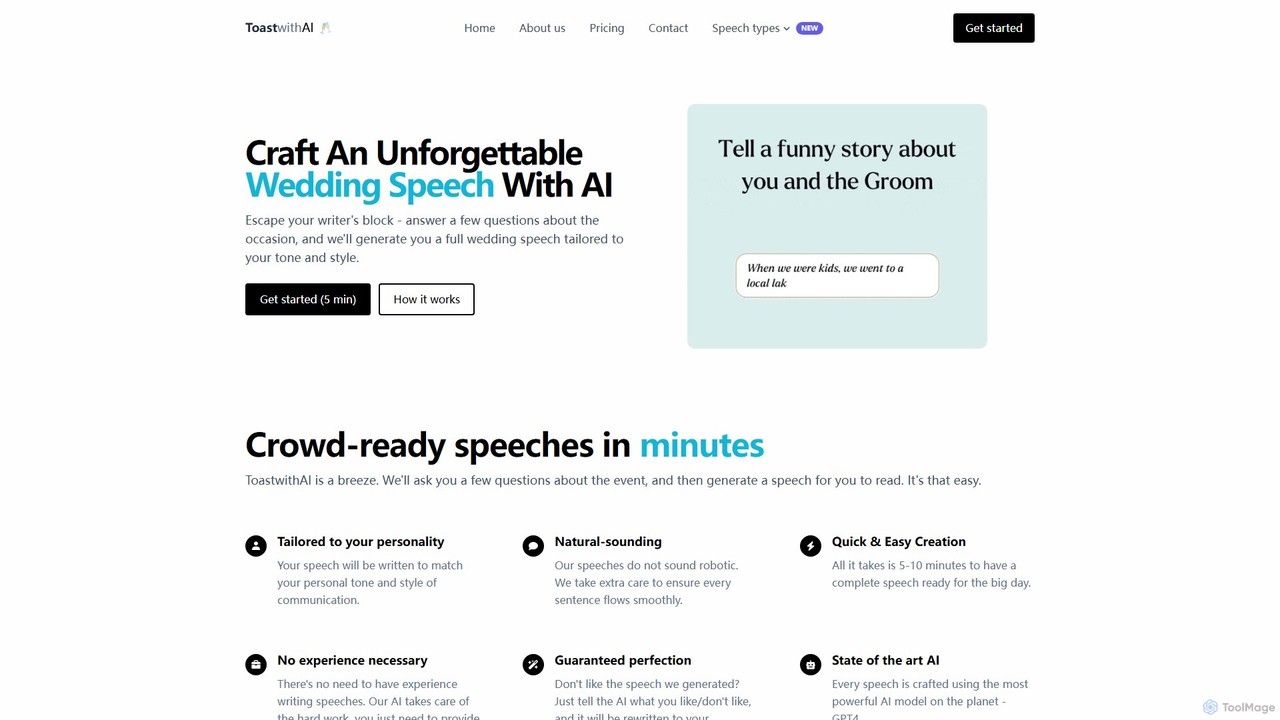
ToastwithAI is an AI-powered speechwriting tool designed to help users create unforgettable, personal, and natural-sounding wedding speeches. By answering a few simple questions, users can generate a complete speech in minutes, tailored to their unique tone and style, effectively eliminating writer's block and stress.

Generators
Visits 5.6KFavorites 113Likes 115

About Events

AI Event tools are specialized applications designed to streamline the planning, management, and optimization of virtual, hybrid, and in-person events. These tools leverage machine learning algorithms to automate complex tasks such as personalized agenda creation, attendee matchmaking, and real-time sentiment analysis. They empower organizers to enhance attendee engagement, improve logistical efficiency, and gain deep, actionable insights into event performance. By analyzing data patterns, these platforms can predict attendance, suggest relevant content, and facilitate meaningful connections, transforming the overall event experience for all participants.

Core Features

  • Intelligent Scheduling: Automatically generates optimized event agendas based on attendee preferences, speaker availability, and venue capacity.
  • Attendee Matchmaking: Uses AI to analyze profiles and interests to suggest relevant networking connections for attendees, speakers, and exhibitors.
  • Real-time Analytics: Provides live dashboards on session attendance, audience engagement, social media mentions, and overall event ROI.
  • Personalized Recommendations: Delivers tailored suggestions for sessions, exhibitors, and content to each individual attendee, enhancing their experience.
  • Chatbots & Virtual Assistants: Offers instant support to attendees by answering frequently asked questions about logistics, schedules, and locations.

Use Cases

AI Event tools are widely used by corporate event planners, conference organizers, trade show managers, and community builders. They are applied to large-scale international conferences to manage complex logistics, virtual summits to boost digital engagement, and professional networking events to facilitate high-value connections. These tools are essential for any organizer aiming to create more personalized, data-driven, and impactful events.

How to Choose

When selecting an AI Event tool, consider its integration capabilities with your existing registration or CRM systems. Evaluate the sophistication of its matchmaking and recommendation algorithms. Assess its scalability to handle your expected number of attendees and data volume. Finally, review its analytics and reporting features to ensure they align with your key performance indicators (KPIs) for measuring event success.

Events use cases

1

Personalizing Agendas for Tech Conferences

A conference organizer for a large tech summit with over 5,000 attendees uses an AI event platform. The tool analyzes each attendee's registration data, job title, and stated interests. Based on this, it automatically generates a unique, recommended schedule for each person, highlighting the most relevant keynotes, workshops, and exhibitors. This process eliminates the overwhelming task of manually sifting through hundreds of sessions, leading to a 40% increase in session satisfaction scores and better overall attendee experience.

2

Optimize Corporate Conference Agendas

An event planner for a large tech conference uses an AI tool to analyze the professional profiles and stated interests of 5,000 registered attendees. The system automatically suggests personalized session tracks for each attendee, groups related topics logically, and identifies potential scheduling conflicts. This results in a highly relevant agenda that increases session attendance by an average of 20% and significantly boosts attendee satisfaction scores compared to previous years.

3

Enhancing Networking at Professional Trade Shows

A manager for an international trade show implements an AI-powered event app. The app's matchmaking feature analyzes attendees' business objectives, industry sectors, and product interests. It then suggests high-value connections and facilitates meeting requests between exhibitors and potential buyers. This proactive approach to networking helps attendees make meaningful connections efficiently, leading to a 30% increase in qualified meetings scheduled through the app and higher satisfaction for exhibitors.

4

Enhance Networking at a Trade Show

At an international trade show, an AI-powered event app helps exhibitors and attendees connect more effectively. The app's matchmaking algorithm analyzes user profiles, company data, and stated networking goals to suggest high-value meetings. An exhibitor looking for distributors in Europe receives a prioritized list of attendees who match their criteria, complete with an integrated scheduling tool. This leads to a 40% increase in qualified meetings scheduled through the app.

5

Optimizing Logistics for Music Festivals

An organizer for a multi-stage music festival uses an AI platform to manage crowd flow and resource allocation. By analyzing real-time data from sensors and ticket scans, the tool predicts potential bottlenecks at entrances, food stalls, and restrooms. It sends alerts to the operations team to redeploy staff or open additional service points proactively. This data-driven approach helps maintain a smooth flow of people, reduces wait times by an average of 20%, and enhances overall safety and attendee satisfaction.

6

Automate Attendee Support for a Music Festival

Organizers of a large music festival deploy an AI chatbot within their official app. The chatbot is trained on all festival information, including performance schedules, venue maps, food vendor lists, and FAQ. It handles thousands of concurrent inquiries, providing instant answers to questions like "When is the next shuttle bus?" or "Where can I find vegetarian food?". This automation reduces the workload on human support staff by 60%, allowing them to focus on more complex or urgent issues.

7

Generate Post-Event Insight Reports

After a three-day hybrid conference, the marketing team uses an AI analytics tool to process all event data. The tool analyzes session attendance records, chat logs from virtual sessions, poll results, and post-event survey feedback. It automatically generates a comprehensive report highlighting the most popular topics, key questions asked by the audience, overall attendee sentiment, and calculates an engagement score for each session. This data-driven report helps organizers prove event ROI and plan content for future events more effectively.

8

Boosting Engagement in Virtual Summits

A company hosting a global virtual summit uses an AI tool to monitor live chat and Q&A sessions across multiple tracks. The AI identifies trending topics, clusters similar questions, and performs sentiment analysis in real-time. This allows moderators to prioritize the most popular questions and address key audience concerns. The tool also powers interactive polls and quizzes based on the discussion, increasing audience participation by over 50% compared to previous events without the tool.

9

Personalize Marketing for a Webinar Series

A B2B company uses an AI event tool to promote its monthly webinar series. The tool analyzes past attendee data, CRM information, and website behavior to segment the audience. It then generates personalized email invitations and social media ad copy tailored to each segment's specific interests and pain points. For example, users who previously attended a webinar on 'data security' receive promotions for an upcoming 'cloud compliance' session. This targeted approach increases the registration conversion rate by 35%.

10

Automating Post-Event Feedback Analysis

After a large corporate conference, the marketing team receives thousands of open-ended survey responses. Instead of spending days manually reading them, they use an AI tool for analysis. The tool performs sentiment analysis to gauge overall satisfaction and uses topic modeling to identify key themes of praise and criticism, such as 'session content quality,' 'networking opportunities,' and 'venue logistics.' This provides the team with a clear, quantified summary of feedback in hours, enabling them to create actionable reports for future event improvements quickly.

11

Predict Attendance for a Community Meetup

A community manager planning a series of local meetups uses an AI tool to forecast attendance. The tool analyzes historical registration and attendance data, factoring in variables like the day of the week, topic of the meetup, guest speakers, and even local weather forecasts. Based on the prediction, the manager can more accurately book a venue of the right size and order the appropriate amount of catering, reducing waste and saving an average of 15% on logistical costs per event.

12

Predicting Attendance for Resource Management

A university planning its annual alumni homecoming event uses an AI tool to forecast attendance. The model analyzes historical attendance data, RSVP patterns from email campaigns, and social media engagement. It predicts the final number of attendees with over 95% accuracy. This accurate forecast allows the event planners to book the right-sized venue, order the correct amount of catering, and prepare adequate staffing, significantly reducing costs associated with over-provisioning and preventing resource shortages.

Events FAQ

What are AI Event tools?

AI Event tools are software applications that use artificial intelligence to automate and enhance various aspects of event management. They go beyond traditional logistics by providing intelligent features like personalized agenda recommendations, AI-powered networking matchmaking, and real-time data analysis. Common applications include optimizing schedules, increasing attendee engagement, and providing deep, actionable insights after the event.

What are AI Event tools?

AI Event tools are software applications that use artificial intelligence, particularly machine learning, to enhance and automate various aspects of event management. Their primary goal is to improve efficiency for organizers and create more personalized, engaging experiences for attendees. Key functions include intelligent scheduling, personalized content recommendations, attendee matchmaking for networking, and real-time data analytics to measure event success.

How to choose the right AI Event tool?

To choose the right tool, consider these factors:

  • Event Type: Does the tool support virtual, hybrid, and in-person events, or specialize in one type?
  • Key Features: Identify your primary need. Is it attendee engagement, logistical automation, marketing, or post-event analytics?
  • Integrations: Ensure it can connect with your existing systems, such as CRM, marketing automation platforms, and ticketing software.
  • Scalability: Check if the tool can handle your expected number of attendees, sessions, and data volume without performance issues.
How to choose the right AI Event tool?

To choose the right tool, consider these factors:

  • Event Type: Ensure the tool supports your event format, whether it's virtual, hybrid, or in-person. Some platforms specialize in one type.
  • Integration: Check if it integrates smoothly with your existing systems, such as CRM, registration platforms, and marketing automation tools.
  • Key Features: Identify your primary goal (e.g., networking, engagement, logistics) and choose a tool with strong features in that area, like advanced matchmaking or real-time analytics.
  • Scalability and Support: Confirm the platform can handle your expected number of attendees and that it offers reliable customer support during your event.
What's the difference between an AI Event tool and a standard event management platform?

The key difference lies in intelligence and automation. A standard event management platform typically handles logistical tasks like registration, ticketing, and basic agenda display. An AI Event tool does all that and adds a layer of intelligence. It uses data to provide predictive insights (like attendance forecasts), personalize the attendee experience (with recommendations), and automate complex decisions (like creating optimal schedules), moving beyond simple administration to active event optimization.

What's the difference between AI Event tools and traditional event management software?

Traditional event management software primarily focuses on logistics and administration, such as registration, ticketing, and basic scheduling. AI Event tools incorporate these functions but add a layer of intelligence. They use AI to actively enhance the event experience through personalization, predict outcomes with data analysis, automate complex decisions like scheduling, and facilitate meaningful connections between attendees. In short, traditional tools manage the event, while AI tools optimize it.

What are the key benefits of using AI in event management?

Using AI in event management offers several key benefits:

  • Enhanced Attendee Experience: AI delivers personalized content, schedules, and networking suggestions, making the event more relevant and engaging for each individual.
  • Increased Efficiency: It automates repetitive tasks like answering FAQs, scheduling meetings, and generating reports, freeing up event staff to focus on strategic initiatives.
  • Data-Driven Decisions: AI provides deep analytics on attendee behavior and sentiment, allowing organizers to make informed decisions in real-time and for future events.
  • Improved ROI: By optimizing logistics, boosting engagement, and facilitating valuable connections, AI helps maximize the return on investment for organizers, sponsors, and attendees.
What are the main benefits of using AI for events?

The main benefits include:

  • Enhanced Attendee Experience: AI delivers personalized agendas, relevant networking suggestions, and instant support via chatbots, making events more valuable for participants.
  • Increased Organizer Efficiency: It automates time-consuming tasks like scheduling, analyzing feedback, and answering common questions, freeing up staff to focus on strategic goals.
  • Data-Driven Decisions: Real-time analytics provide insights into session popularity, attendee engagement, and overall ROI, enabling organizers to make informed adjustments on the fly.
  • Improved Networking ROI: AI matchmaking connects the right people, leading to more meaningful and productive business conversations.
Can AI tools be used for small events like workshops or meetups?

Yes, absolutely. While often associated with large conferences, many AI event tools are scalable and offer features beneficial for smaller events. For workshops, AI can help personalize learning materials or suggest breakout group compositions. For meetups, it can be used for targeted promotion to attract the right audience, automate registration and check-in, and gather post-event feedback to improve future gatherings. Many platforms offer tiered pricing, making them accessible even for events with smaller budgets.

Are AI Event tools suitable for small events like meetups?

Yes, many AI event tools offer scalable solutions suitable for events of all sizes, including small meetups. For smaller gatherings, AI can be particularly useful for facilitating meaningful connections through attendee matchmaking, automating reminder communications, and analyzing post-event feedback to help grow the community. While some advanced features might be more applicable to large conferences, core functions like smart scheduling and engagement analytics can provide significant value even for a small-scale event.