Lifestyle Best in category 18 results Fitness AI Tool

Popular AI tools in the Fitness field of Lifestyle include SnapCalorie、Luna Smart Ring、Empirical Health、Prospre、CalCounter、ai_mealplan、wellmeright、Journable、Pallie、attunehealth, etc., helping you quickly improve efficiency.

Foodlog AI

Foodlog AI

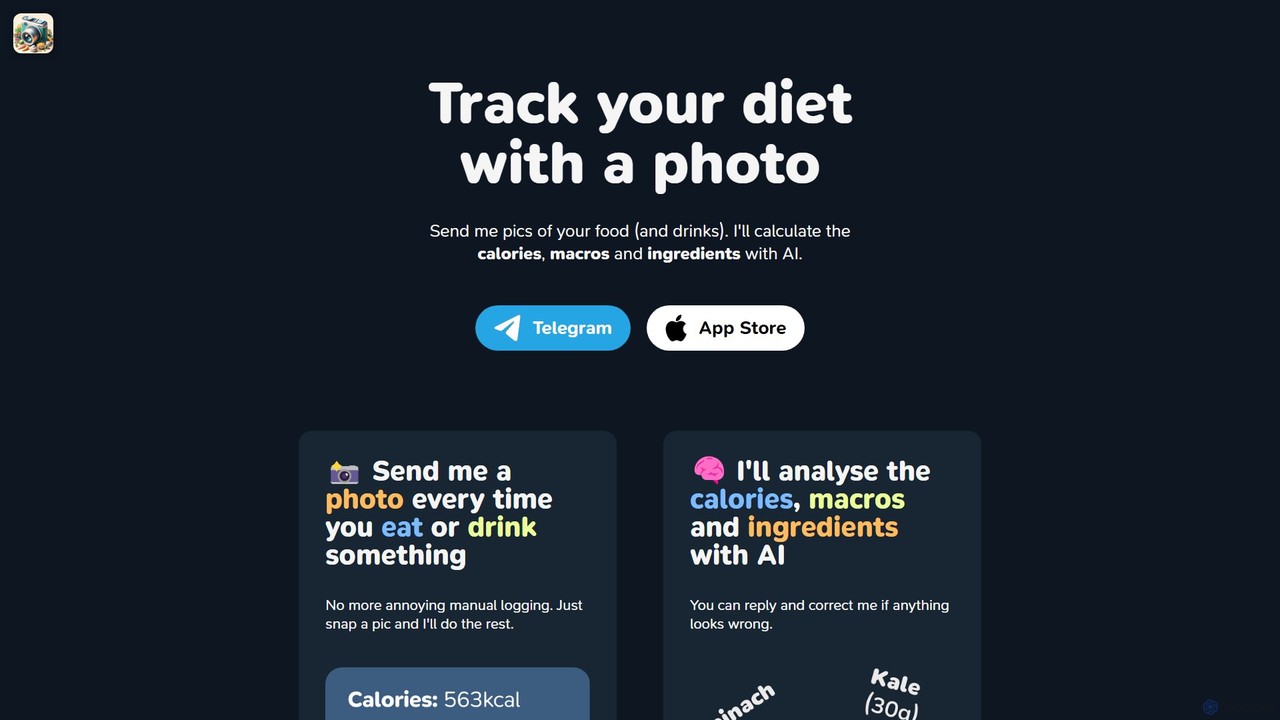
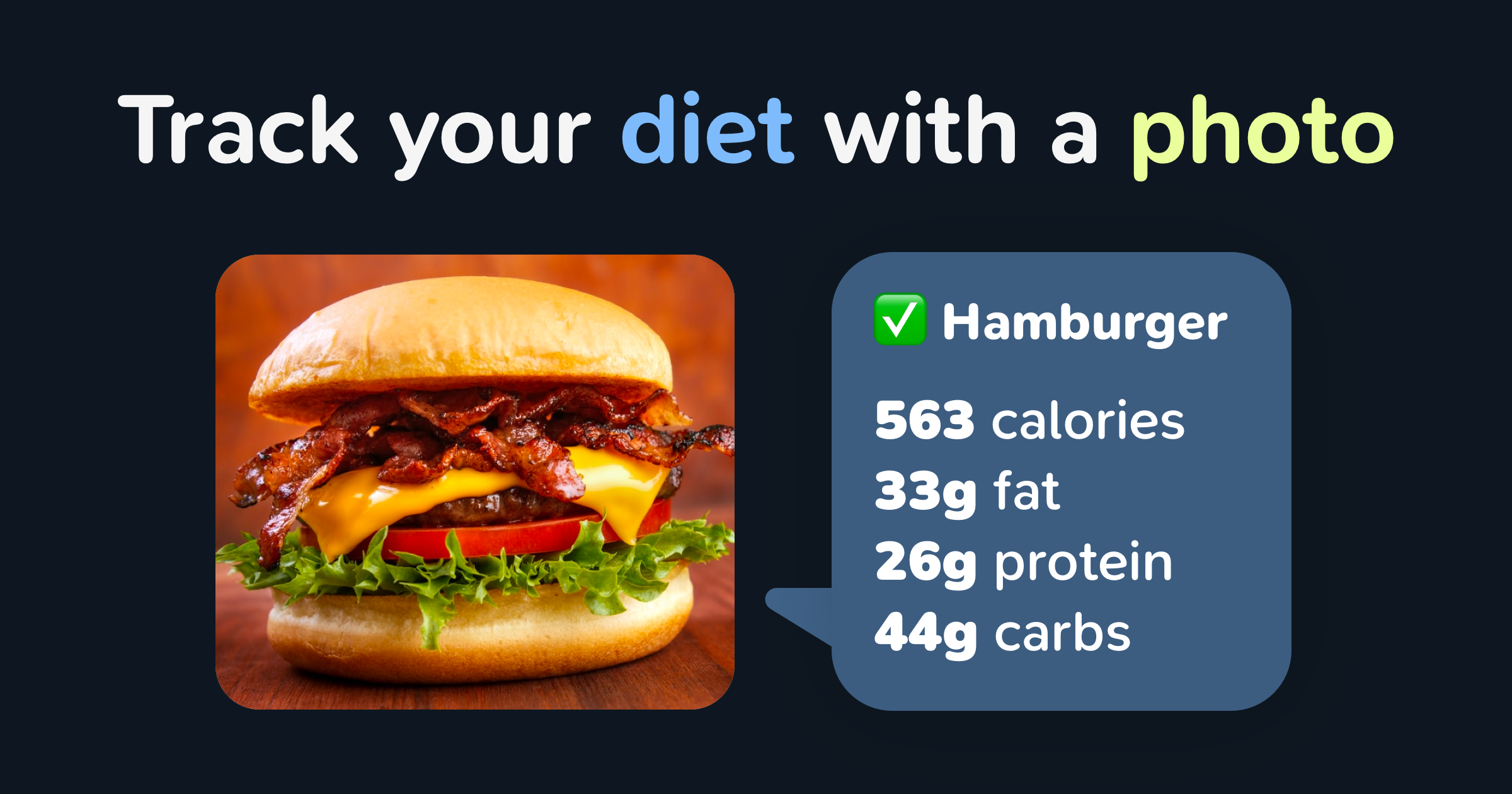
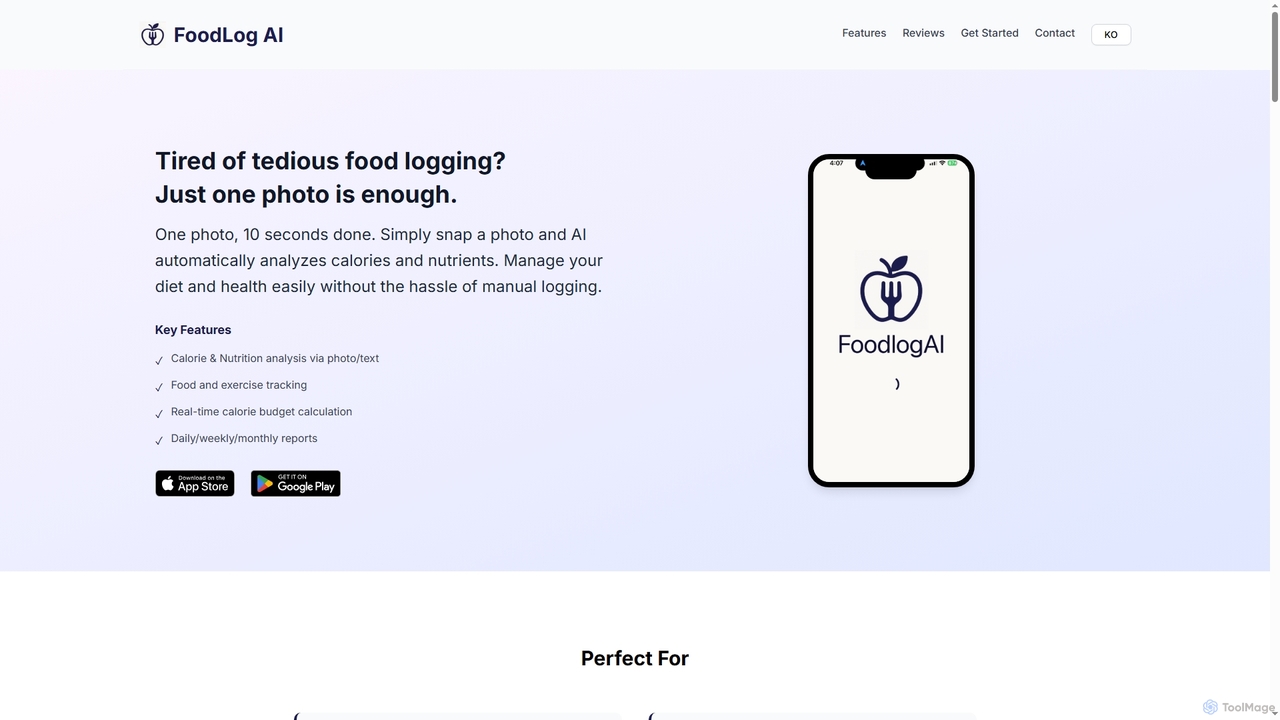
Foodlog AI is an AI-powered nutrition tracker that automatically analyzes calories and macronutrients from a single photo of …

3.3K
CalPulse

CalPulse

CalPulse is an innovative AI tool designed to simplify nutritional tracking. By allowing users to snap a photo …

3.4K
Prospre

Prospre

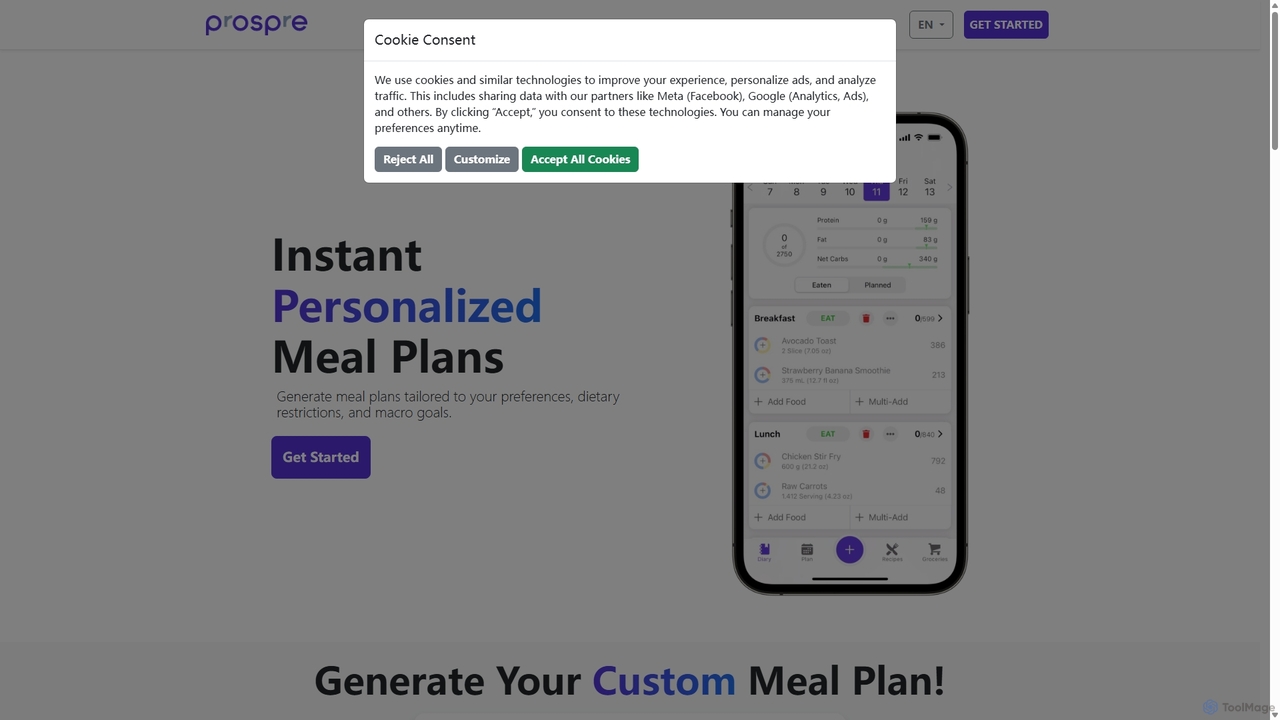
Prospre is an AI-powered meal planner and nutrition coach app that simplifies healthy eating. It generates personalized meal …

81.3K
Luna Smart Ring

Luna Smart Ring

The Luna Smart Ring is an AI-powered health and sleep tracker that provides personalized insights without any subscription …

177.5K
wellmeright

wellmeright

Well Me Right is an AI-powered wellness marketplace connecting users with a global network of certified health coaches …

16.2K
Free
GPT Food Cam

GPT Food Cam

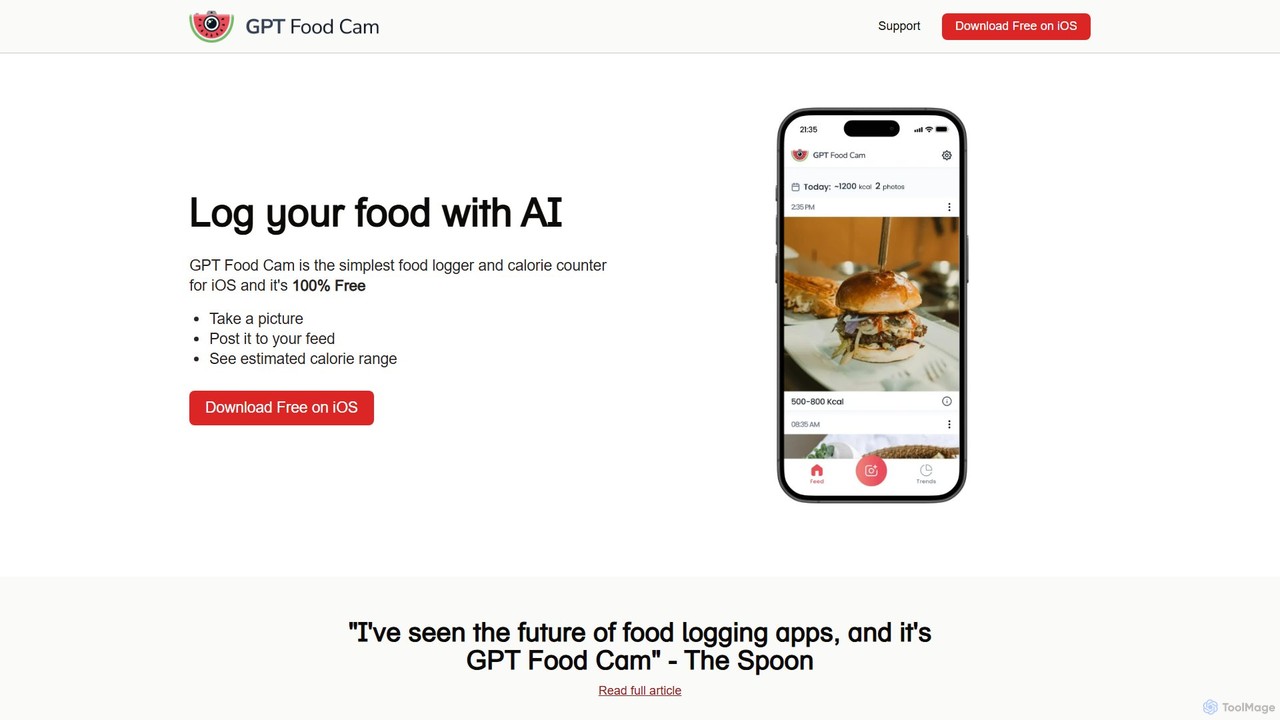
GPT Food Cam is a free AI-powered iOS app that simplifies food logging and calorie counting. Just take …

3.2K
CalCounter

CalCounter

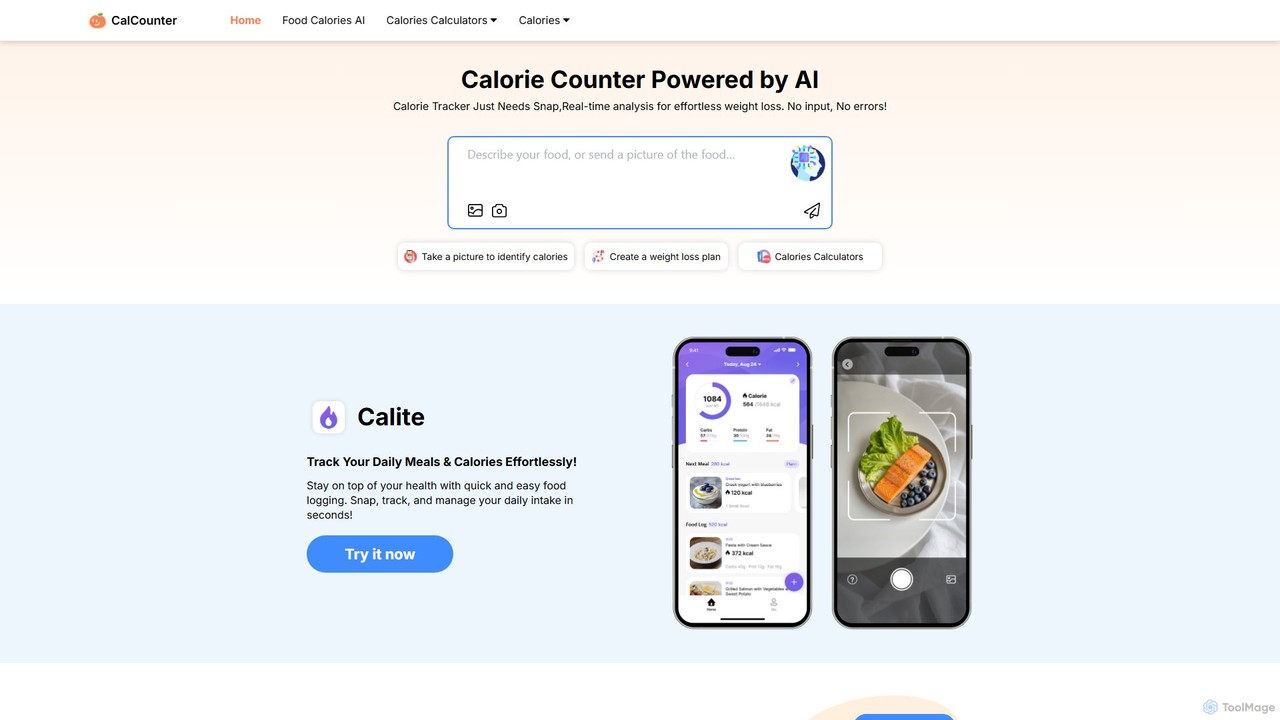
CalCounter is an AI-powered calorie and nutrition tracker that simplifies health management. Just snap a photo of your …

28.8K
Empirical Health

Empirical Health

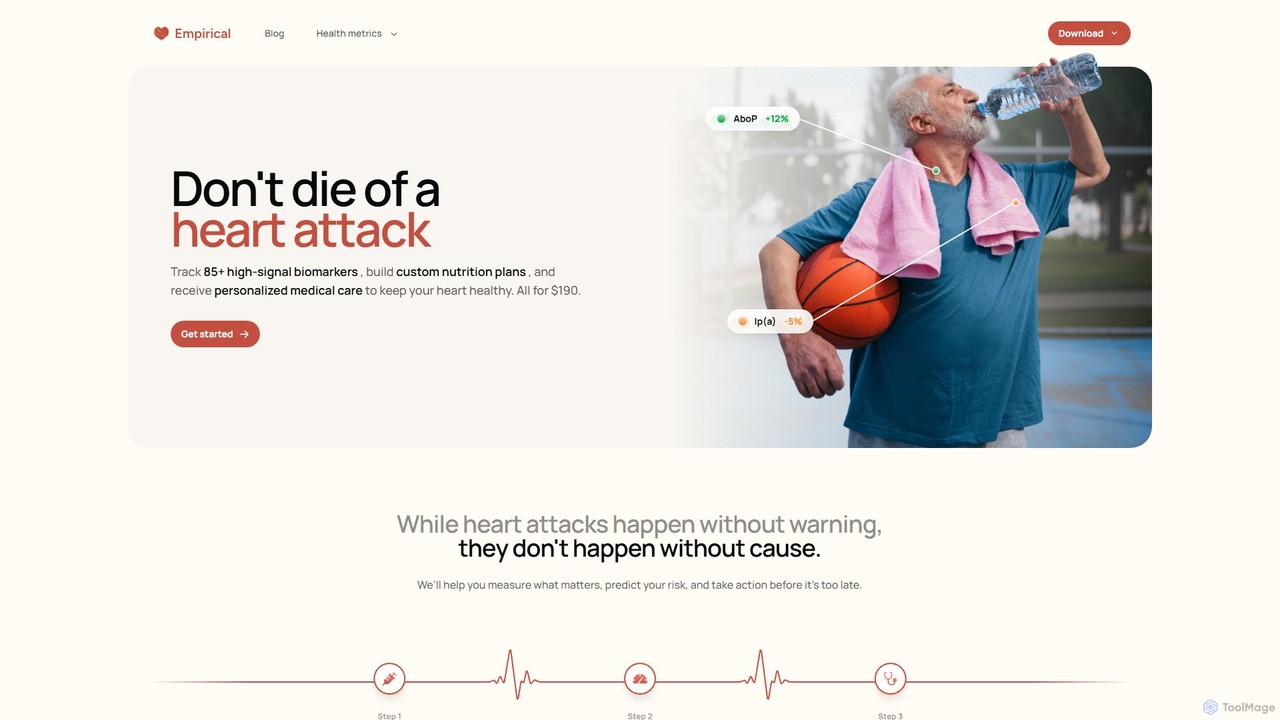
Empirical Health is a proactive healthcare service that uses AI to analyze comprehensive lab tests and wearable data. …

84.9K
Meals.Chat

Meals.Chat

Meals.Chat is an AI-powered nutrition assistant that tracks your calories, macros, and ingredients from a simple photo of …

2.3K
attunehealth

attunehealth

attunehealth is an AI-powered personal wellness companion that creates hyper-personalized health plans. By analyzing your lifestyle, biometrics, and …

3.4K
track_calories

track_calories

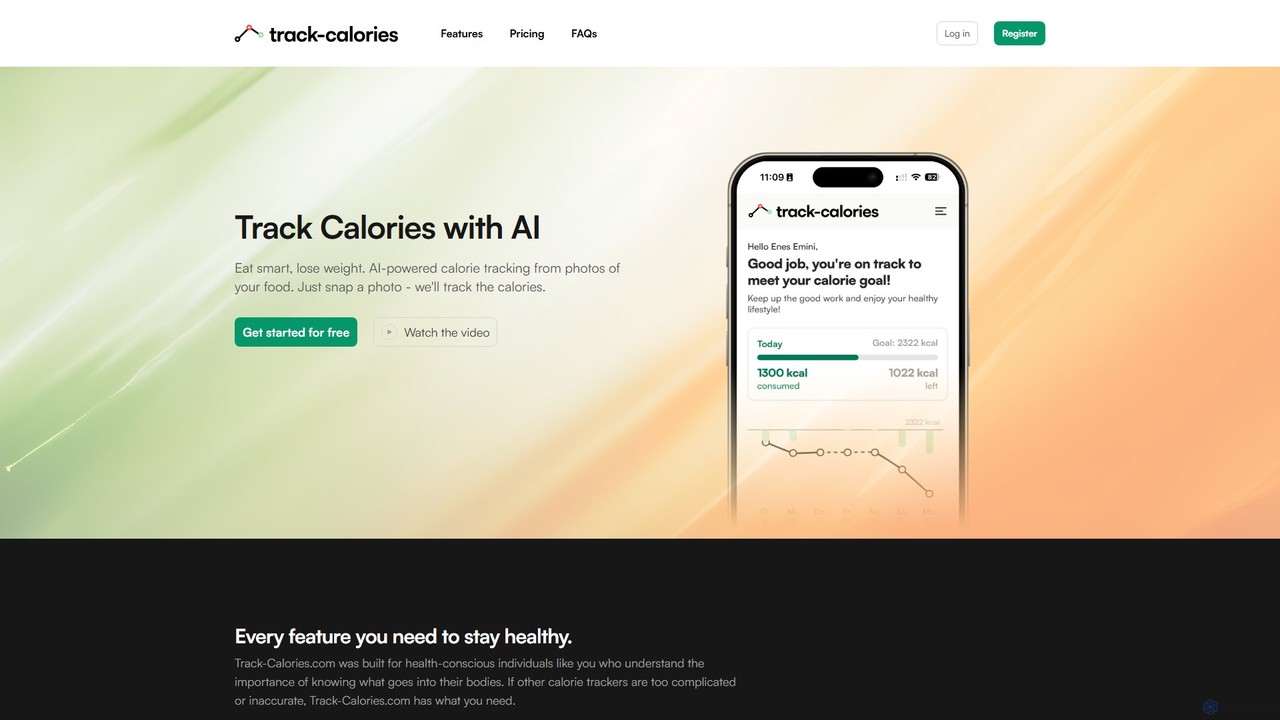
track_calories is an AI-powered nutrition tracker that analyzes photos of your food to automatically calculate calories and nutrients. …

3.3K
getdots

getdots

getdots is an AI-powered health and wellness platform that makes building healthy habits fun and engaging. It uses …

3.4K
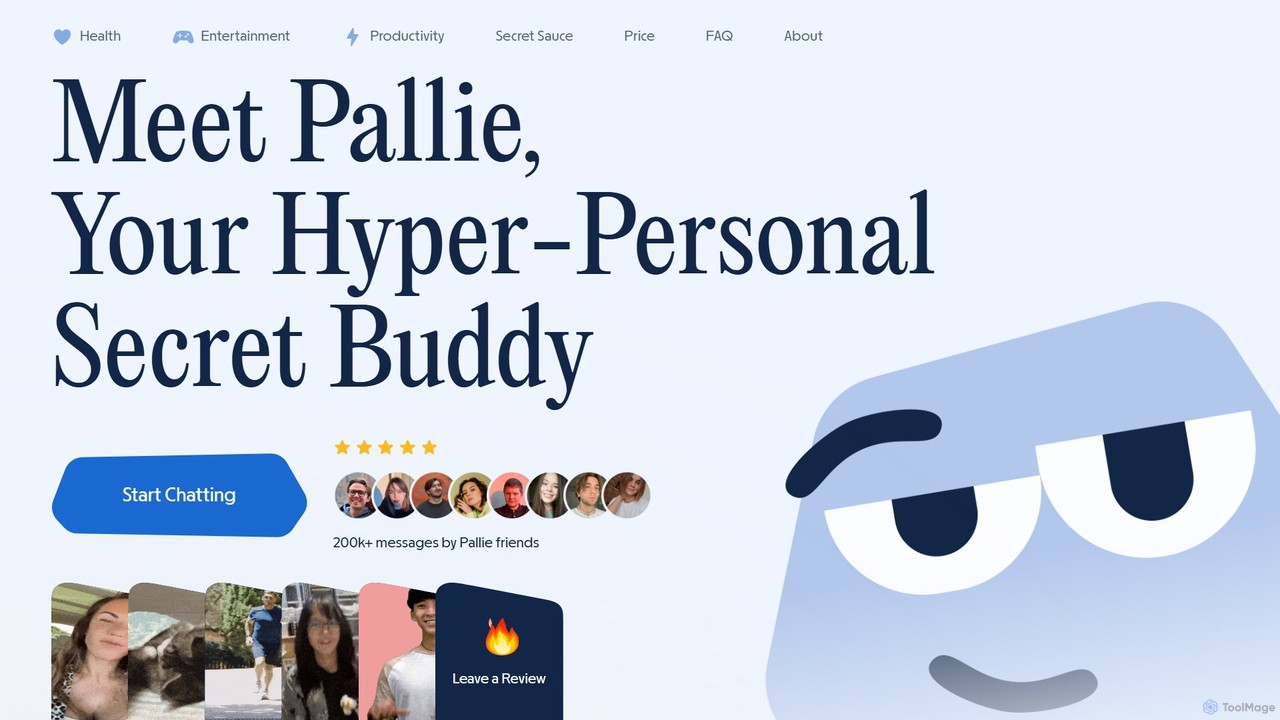
Pallie

Pallie

Pallie is a hyper-personal AI companion designed to improve well-being, boost productivity, and provide companionship. Available on WhatsApp, …

11.4K
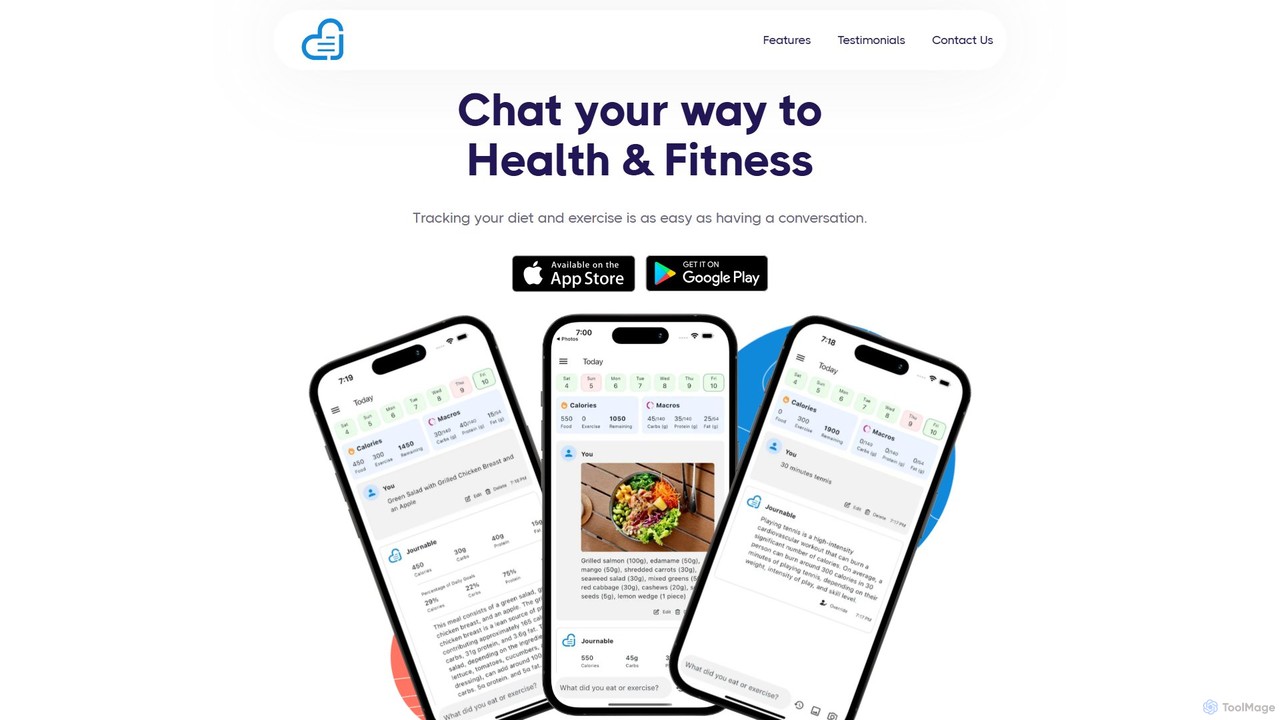
Journable

Journable

Journable is an AI-powered calorie and nutrition tracker that simplifies food logging through a conversational, chat-style interface. Just …

11.6K
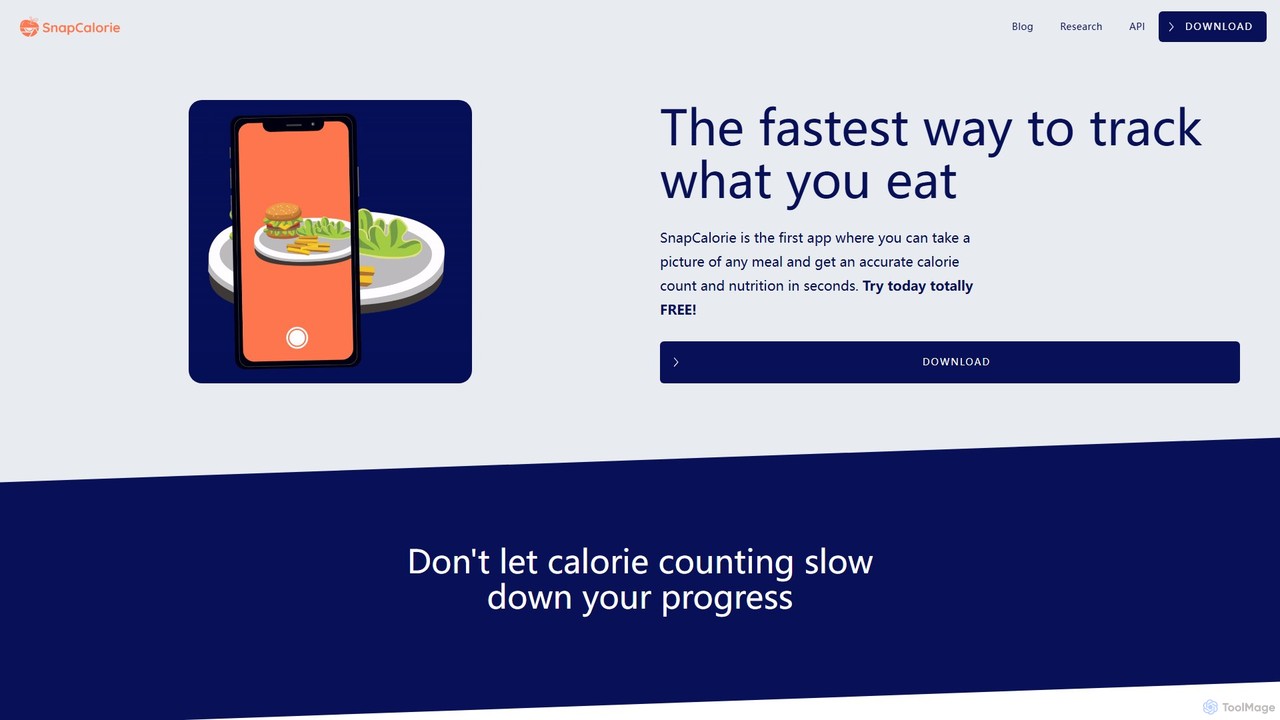
SnapCalorie

SnapCalorie

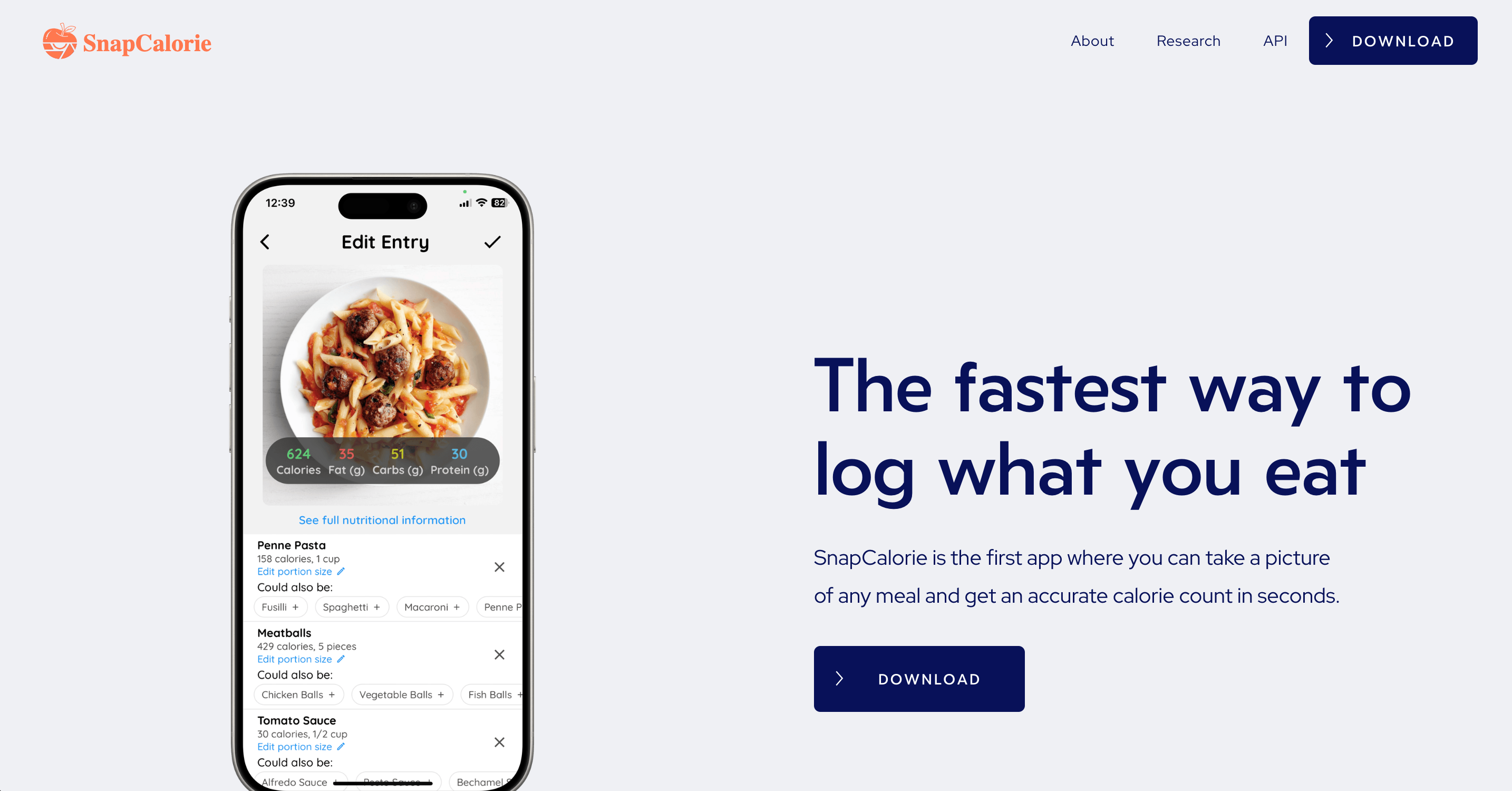
SnapCalorie is an AI-powered mobile app that provides the fastest way to track your nutrition. Simply take a …

243.3K
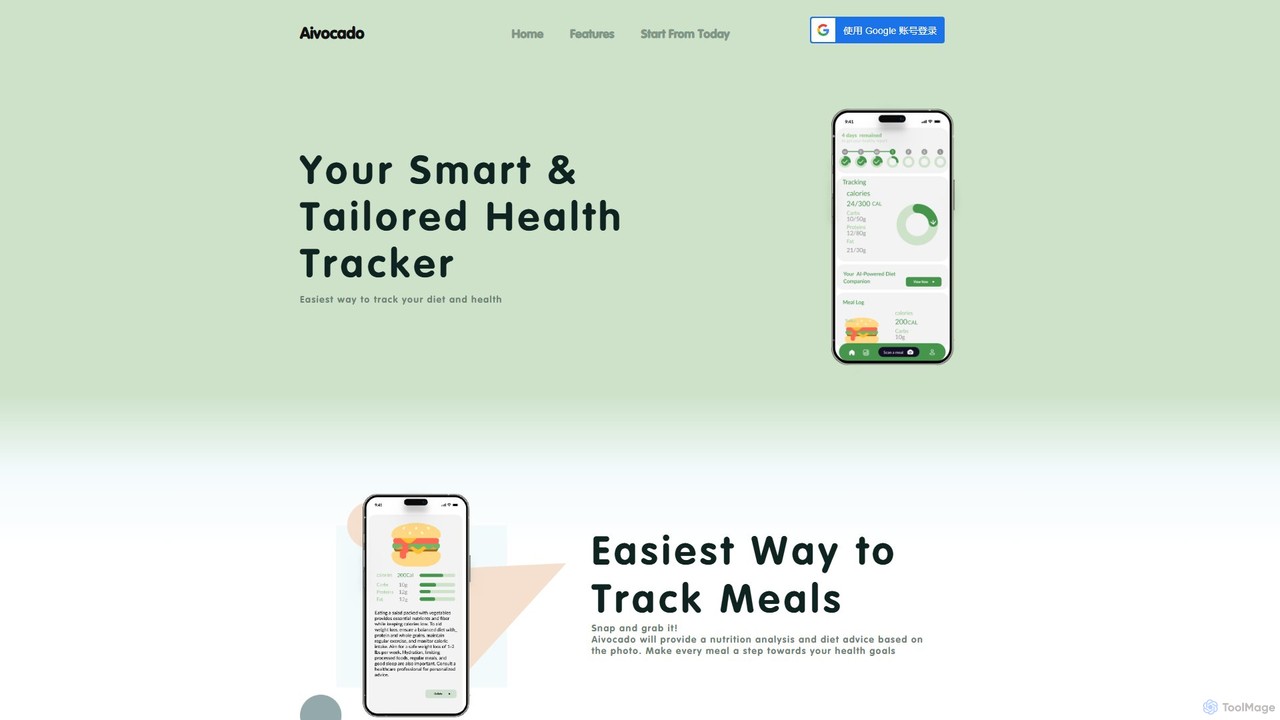
Aivocado

Aivocado

Aivocado is an AI-powered health tracker that analyzes your meals from photos. Simply snap a picture of your …

3.3K
Mealmind

Mealmind

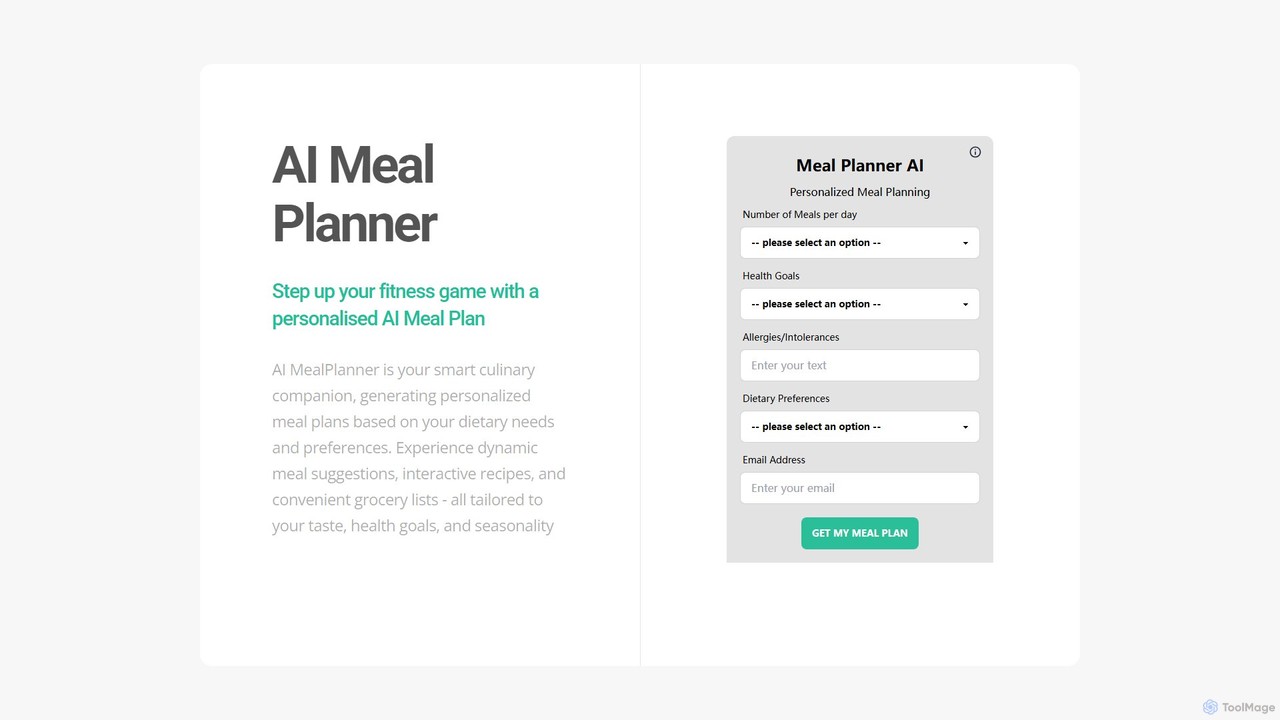
Mealmind is an AI-powered meal planner that generates personalized weekly meal plans and interactive shopping lists. By analyzing …

1.3K
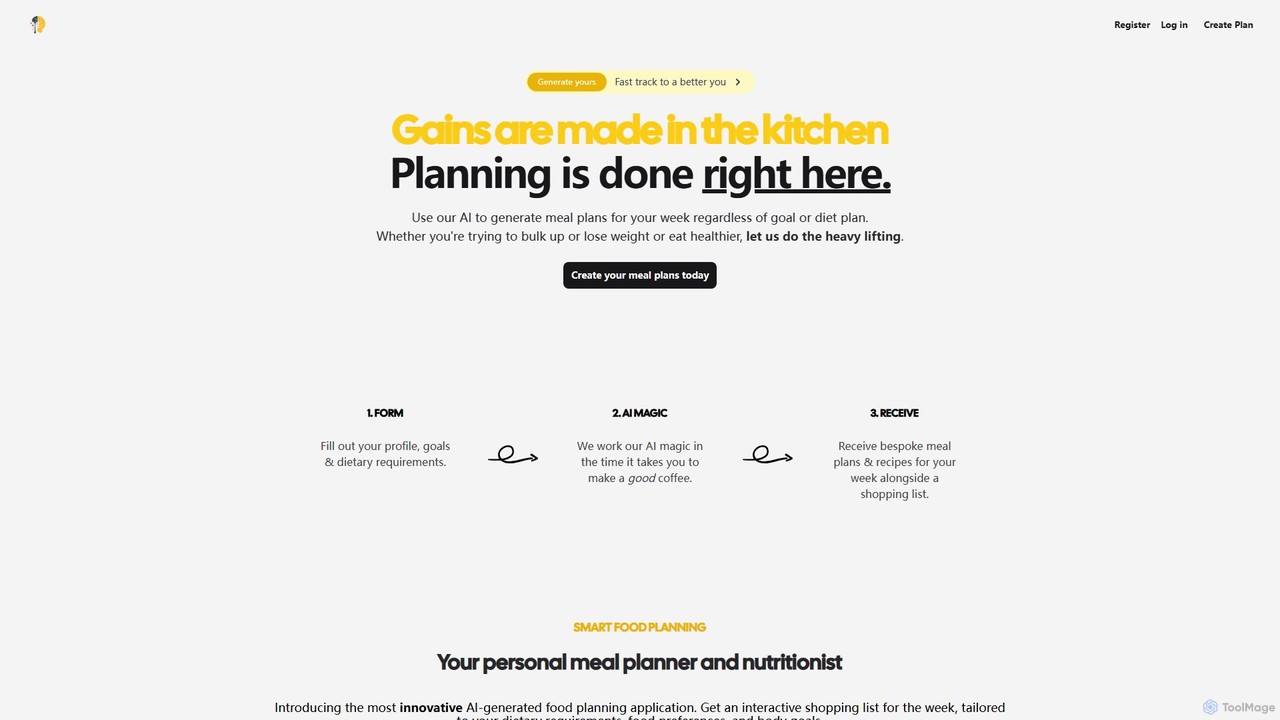
ai_mealplan

ai_mealplan

An AI-powered meal planner that creates personalized meal plans based on your fitness goals, dietary needs, and food …

16.9K

About Fitness

AI Fitness tools are applications that act as digital personal trainers, using artificial intelligence to deliver personalized workout and nutrition plans. These tools leverage machine learning algorithms to analyze user data such as fitness level, goals, and performance history to create adaptive training programs. Their primary value lies in making expert-level fitness guidance accessible and dynamic, adjusting routines in real-time for optimal results. This approach offers a tailored experience that evolves with the user, moving beyond the static plans found in traditional fitness apps.

Core Features

  • Personalized Workout Generation: Creates custom exercise routines based on individual goals, available equipment, and fitness level.
  • Real-time Form Analysis: Uses a device's camera and computer vision to analyze exercise form and provide immediate corrective feedback.
  • Adaptive Progression: Automatically adjusts workout difficulty and volume based on performance to ensure continuous improvement.
  • AI Nutrition Coaching: Generates meal plans, recipes, and nutritional advice tailored to fitness objectives and dietary preferences.
  • Performance Analytics: Tracks progress over time, offering detailed insights into strength gains, endurance, and consistency.

Use Cases

These tools are widely used by individuals seeking structured guidance for at-home workouts, gym-goers wanting to optimize their training, and people needing help aligning their nutrition with their fitness goals. Personal trainers also use them to manage multiple clients efficiently, providing data-driven plans and monitoring progress remotely.

How to Choose

When selecting an AI Fitness tool, consider the specificity of its programs for your goals (e.g., muscle gain, weight loss, sport-specific training). Evaluate the accuracy and range of exercises supported by its form-correction technology. Check for integration capabilities with wearables like smartwatches for holistic data tracking. Finally, assess the depth and personalization of its nutrition planning features.

FitnessUse Cases

1

Personalized At-Home Workout Planning

A busy professional with limited time and no gym access wants to stay fit. Using an AI Fitness tool, they input their goals (e.g., weight loss, muscle tone), available time per session (e.g., 30 minutes), and available equipment (e.g., dumbbells, resistance bands). The AI generates a dynamic, full-body workout plan for the week. After each session, the user provides feedback on difficulty, and the AI automatically adjusts the next workout's intensity, exercises, or duration to ensure progressive overload and prevent plateaus, effectively creating a personal trainer experience at home.

2

Real-time Exercise Form Correction

A beginner is learning compound exercises like squats and deadlifts but is unsure about their form, risking injury. They use an AI Fitness app with form analysis. By placing their phone camera to capture their full body, the AI uses computer vision to track key joints and angles in real-time. During a squat, it might provide audio cues like "Lower your hips more" or "Keep your chest up." This immediate, data-driven feedback helps the user correct their technique on the spot, building muscle memory for safe and effective movements without needing a human coach present.

3

AI-Powered Nutrition and Meal Planning

A user wants to lose 10kg and needs a diet plan that complements their workout routine. In their AI Fitness app, they enter their weight loss goal, dietary preferences (e.g., vegetarian), allergies, and daily calorie target. The AI generates a comprehensive weekly meal plan, complete with recipes, macronutrient breakdowns, and a corresponding grocery list. The plan is synchronized with their workout schedule, suggesting higher-carb meals on heavy training days and lighter meals on rest days. This integration removes the guesswork from nutrition, ensuring their diet actively supports their fitness efforts.

4

Performance Optimization for Athletes

A competitive cyclist wants to improve their race time. They connect their AI Fitness tool to their power meter and heart rate monitor. The AI analyzes performance data from each ride, identifying patterns in power output, fatigue, and recovery. Based on this analysis, it suggests specific training adjustments, such as incorporating high-intensity interval training (HIIT) to boost their VO2 max or scheduling an active recovery day when signs of overtraining are detected. The tool provides predictive insights, forecasting potential performance gains and helping the athlete train smarter, not just harder.

5

Remote Personal Training and Client Management

A personal trainer manages 20 clients with varying goals. Using an AI Fitness platform, the trainer can create and assign customized workout and nutrition plans for each client more efficiently. The platform's AI suggests optimal exercises based on client profiles. The trainer can then monitor all clients' progress through a central dashboard, which flags missed workouts or poor exercise form captured by the app's camera. This allows the trainer to provide timely, personalized feedback and interventions at scale, offering a higher level of service than would be possible with manual tracking alone.

6

Adaptive Rehabilitation Exercise Guidance

Someone recovering from a minor knee injury needs to perform specific, gentle exercises to regain strength and mobility. They use an AI Fitness tool with a rehabilitation module. The AI provides a curated set of low-impact exercises, and the form-correction feature ensures they perform the movements safely, preventing re-injury. The user logs their pain and comfort levels after each session. The AI uses this feedback to slowly and safely increase the exercise intensity or introduce new movements, guiding the user through a data-driven recovery process that adapts to their individual healing pace.

FitnessFrequently Asked Questions